


Researcher of the Month
Kenny Gregory
Major: Atmospheric & Oceanic Science, Class of 2027
Research Mentor: Dr. Michael French, School of Marine & Atmospheric Science
News and Video Feature: 7/1/2026
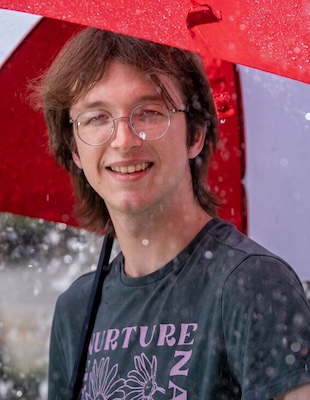
Kenny Gregory is a rising senior, majoring in atmospheric and oceanic sciences who recalls having a longtime fascination with weather, particularly tornadoes and severe storms – probably going back to second grade when he experienced one of the more powerful storms that swept through his hometown in Hoosick Falls, NY.
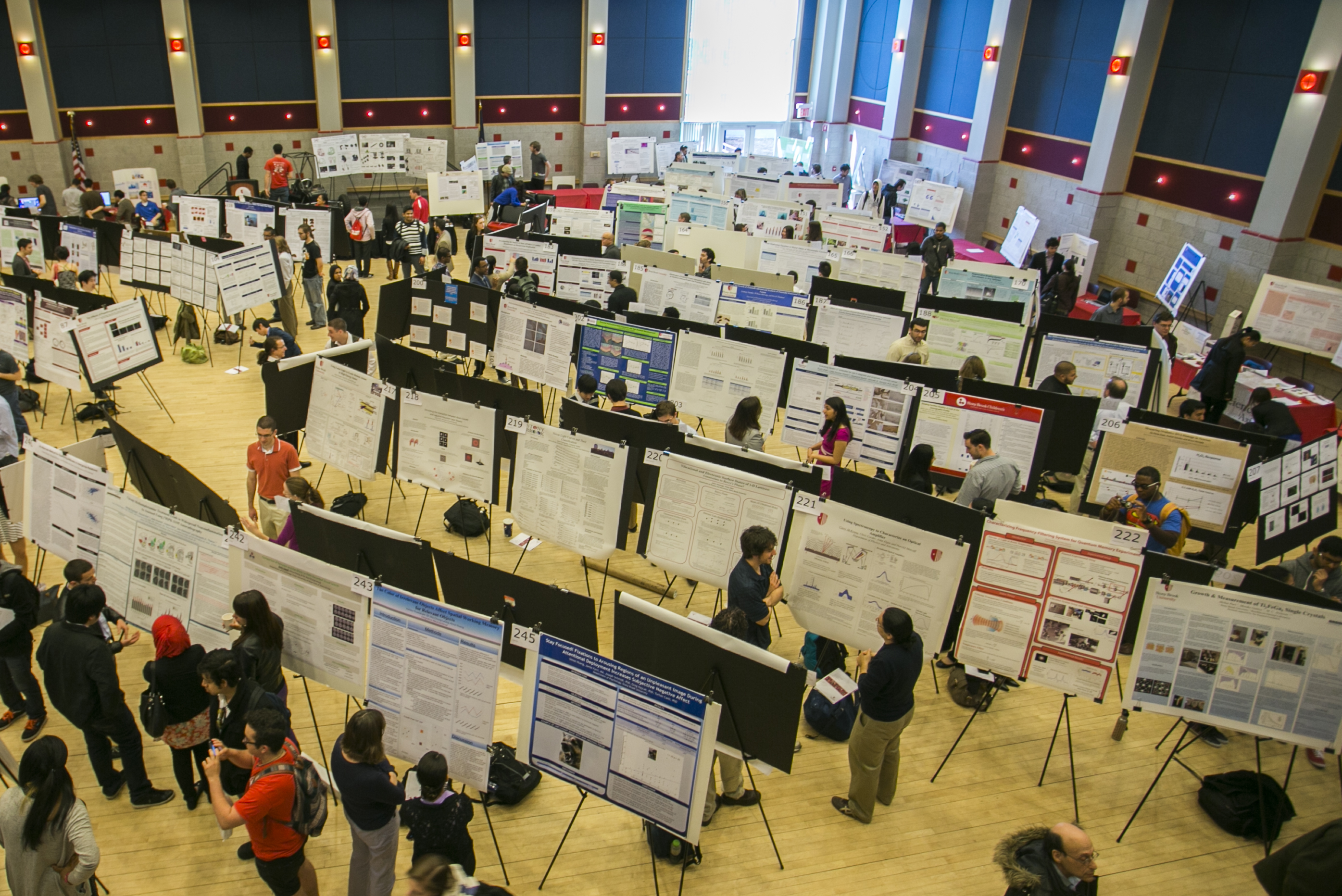
Kenny transferred to Stony Brook in fall 2024 after doing coursework in mathematics and physics at SUNY Polytechnic and coming to the realization that he wanted to specialize in meteorology. In his first semester at SBU, he took “Introduction to Atmospheric Sciences” taught by Professor Michael French (SoMAS) Kenny continued to have conversations and follow-up with his professor about his interest in researching weather radar and severe storms, and observational weather analysis. After doing lots of recommended reading on the topic of supercell dynamics and developing foundational knowledge in the field, Kenny began doing research with Professor French earlier this spring. He is currently investigating “The Impact of Cell Mergers on Radar Updraft Proxies in Supercell Thunderstorms” as a participant in the SUNY SOAR program and is particularly interested in the effect of these storm collisions on the formation of tornadoes. Kenny will be presenting his findings at the end of the month at the Summer Symposium, a poster event which will include ~100 participants from various undergraduate summer research programs.
On campus, Kenny has been active in the SBU meteorology club. He plans to pursue graduate studies in meteorology.
Kenny graduated from Hoosick Falls Central School. His hobbies include snowboarding and hiking. Below are excerpts of his interview with Karen Kernan, URECA Director.
The Interview:
Kenny: My current research advisor was my professor for an introductory meteorology course, and when he mentioned that his research focuses on tornadoes, I knew I needed to talk to him! I knew I wanted to find out more about what he was working on, because I have been fascinated by the weather for my entire life, more specifically tornadoes/ severe thunderstorms. I continued talking with him throughout the course, asking him about undergraduate research. And after a while, he gave me a bunch of stuff to read over the summer and through the fall semester of 2026. This spring semester, I started doing my research with him and applied for the summer research program.
My research specifically focuses on supercellular thunderstorms merging together—what happens to the area of rising air in a storm when it collides (merges) with another storm. Basically, a supercell is a thunderstorm with a rotating updraft. And that rotation can lead to the formation of a tornado.
By using radar data to look at the storm, we’re trying to investigate what the impact of storm mergers is on the size of proxies for storm updrafts. … We can use these things called ZDR columns as a proxy for the updraft. ZDR is a radar variable that can indirectly estimate raindrop size, and it gives different values if the radar is scanning a snowflake, a small raindrop, or a large raindrop. Where the updraft is in the storm will have a larger ZDR value, and the updraft produces a “column” of these large ZDR values because the updraft lofts big drops high up in the storm. In 2019, Professor French developed an algorithm that automatically detects ZDR columns and outputs their area, so now researchers can estimate how big the updraft is by using the output of how big the ZDR column is in the storm.
I had to learn everything new. We do have a radar meteorology course here at Stony Brook, but it's only offered in the spring every two years. When I initially reached out to my professor about the project (who teaches the class), I didn't have the prerequisites to take it. So I had to start from square one by reading a bunch of papers on how radar works, etc. so I could get the foundational knowledge to pursue this topic. I also needed to learn the software that we use to analyze the ZDR column area. There was a bit of a learning curve getting used to it at first, but I am comfortable working with it now.
I enjoyed the reading I did to prepare for this project. It’s been great to learn more and more, and to realize – yes, that's how that works, that makes so much sense. The thing I find the most fun is just seeing how the interactions between cells change the storm itself--and seeing how it evolves over time. Trying to figure out if merging supercells increases the chance of a tornado forming keeps me motivated to keep learning.
Our main issue is the lack of usable data. There is no large existing database of confirmed mergers. We’ve been going through previous papers that have been published and seeing if they included their data, and if they did, we've been going through that data to see if we can apply that to our research.
It is primarily myself, and my professor, but we also have a collaborator from NOAA who built a program that we're using to analyze the ZDR column area.
I'll be applying to graduate school, and I am looking at PhD programs in meteorology. I would love eventually to work in a research laboratory, such as the National Severe Storms Lab, or the National Center for Atmospheric Research. They do a lot of cool research over there, and I'd love to be a part of their teams.
He's a really good mentor. If I have any questions, he's always there for support, and is always ready to answer any questions that I have. He's also a pretty relaxed person, so that helps to create a nice environment for learning and doing research. I definitely feel like I'm becoming more independent through this experience. And it has been great to have the SOAR program to do full time research this summer.
This will be my first time. I’m really excited to present a poster. Even though I don't have a ton of previous experience in undergraduate research, I really do enjoy what I'm doing, and it's just solidified my love for meteorology, and my passion for pursuing research in the future.
I have really enjoyed my time in the SOAR program so far. It’s giving me a good introduction as to what to expect if I pursue a career in research in the future. All the people I have met in this program have been incredibly nice, and I love hearing about their research and how they’re working on it.
Reach out to professors. Many of them are happy to talk about their work and are open to accepting undergraduate students to help them carry out their research projects.
I came here as a transfer student. Initially, I found it very hard to adjust, but I started going to our school's meteorology club, and then I met a lot of amazing people there. The support from my friends got me into a better headspace, and I was just able to enjoy my time at Stony Brook and get involved. That’s actually what first got me in the mindset about reaching out to professors about research opportunities. So I’m very glad I pursued these opportunities. I have loved all of the work I have done on this project so far; this research is something that I have wanted to do for so long and I want to continue doing in the future.