



Hossein Seyedzadeh Unlocks the Power of Tidal Energy in the Long Island Sound
May 19, 2026 | Featured in the SBU Graduate Arts & Sciences Magazine, The Next Generation (Spring 2026)
Meet the Researcher
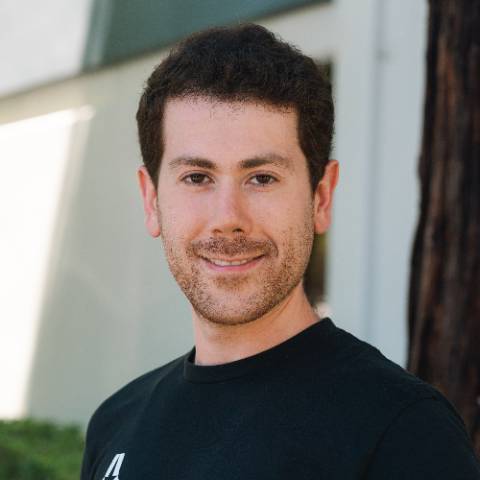
- Name: Hossein Seyedzadeh
- Program: PhD Candidate, Department of Civil Engineering
- Advisor: Ali Khosronejad
- Research Focus: High-fidelity computer simulation for marine renewable energy systems
While the waves and tides of the Long Island Sound are a familiar sight to New Yorkers, Civil Engineering PhD candidate Hossein Seyedzadeh sees them as a powerful frontier for clean energy.
In the latest issue of The Next Generation, Hossein details how his research using advanced fluid modeling is unlocking the potential of marine renewable energy right in our backyard--a region currently recognized as one of the premier tidal energy hotspots in the United States.
In His Own Words
"This publication represents and important milestone in my graduate journey because it reflects the intersection of advanced computational research and real-world sustainability applications. It is rewarding to contribute to work that supports the figure of clean and resilient energy systems."
Simulating the Sea: Hossein's Research

Deploying physical turbines into unpredictable marine environments is incredibly costly and challenging. To bridge this gap, Hossein uses high-fidelity computer simulations to recreate realistic tidal flow conditions virtually. This "digital twin" approach allows engineers to study fluid flow, turbine performance, and potential environmental effects long before expensive hardware ever touches the water.
The Backstory: Combining Computation with Environmental Impact
Driven by a desire to combine high-level computational science with tangible environmental benefits, Hossein focused his doctoral research at Stony Brook on coastal resilience and sustainability.
Through a high-impact collaboration with industrial partner Verdant Power and the Department of Energy (DOE) sponsor Atlantic Marine Energy Center, he was able to apply cutting-edge simulation tools directly to real-world tidal energy systems. What inspired him most was the opportunity to use advanced coding and technology to solve practical problems connected to climate resilience.
Why Hossein's Work Matters
By proving that computer simulations can accurately predict how turbines interact with complex underwater turbulence, Hossein's research provides a vital blueprint for the future of marine energy. Ultimately, his work brings the region one step closer to utilizing predictable, reliable tidal currents to improve local energy resilience.
For Hossein, this feature in The Next Generation represents the perfect culmination of his academic goals: connecting rigorous academic engineering with practical solutions for a cleaner, more sustainable planet.
Explore More
- Read the full Spring 2026 issue of The Next Generation