Faculty in the Department of History at Stony Brook University are actively engaged in producing original scholarship that advances historical knowledge
and shapes academic and public conversations. Their books reflect a wide range of
geographic, temporal, and thematic expertise, as well as diverse methodological approaches.
These publications represent years of archival research, critical analysis, and engagement
with historical debates. Together, they demonstrate the department’s commitment to
rigorous scholarship, interdisciplinary inquiry, and the continued relevance of historical
research to understanding the modern world.
The works featured here include monographs, edited volumes, and collaborative projects
published by leading academic presses. They are used widely in classrooms, cited across
disciplines, and contribute to how historians, students, and the public understand
the past.
This page highlights recent and selected faculty books as part of the department’s
broader mission to support research excellence and to share historical insight beyond
the university.
Recent Scholarship from Core Faculty
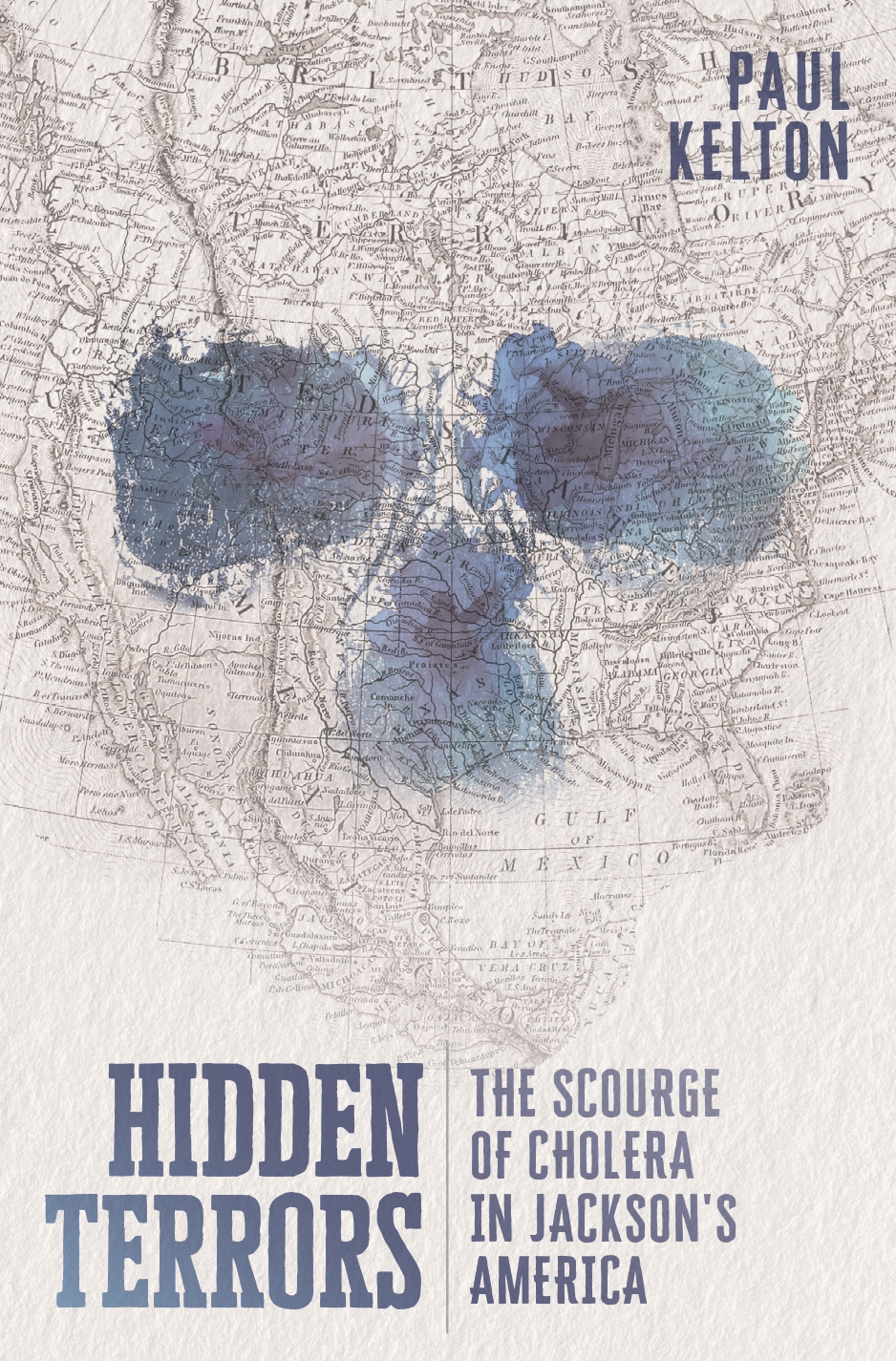
Hidden Terrors: The Scourge of Cholera in Jackson's America
Drawing on accounts of ordinary Americans, Hidden Terrors offers the first comprehensive
history of the enigmatic illness behind the 1830s cholera pandemic--and its profound
consequences for the nation.
A moving illustrated biography of Anna May Wong, the first Chinese American Hollywood
star, and her hardships, triumphs, successes, and scandals, by the leading Anna May
Wong expert.
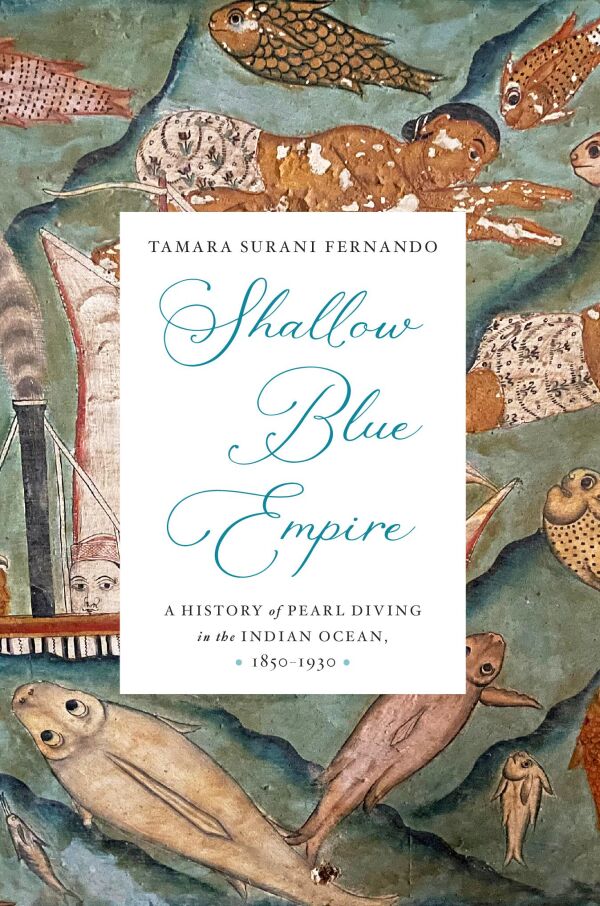
Shallow Blue Empire: A History of Pearl Diving in the Indian Ocean, 1850-1930
In the late nineteenth century, thousands of men and boys across the northern rim
of the Indian Ocean dove daily to the ocean floor in search of pearl-bearing oysters.
It was the height of the so-called global pearl boom, driven by enormous demand for
pearls in Europe and North America. Far removed from the showrooms of New York, London,
and Paris, these divers drew on skills and expertise handed down across generations
to conduct the dangerous work of hauling oysters up from the warm shallows. But they
also faced a new challenge: the rise of British power in the Indian Ocean, where colonial
officials relied heavily on local knowledge and labor to feed the lucrative pearling
industry.
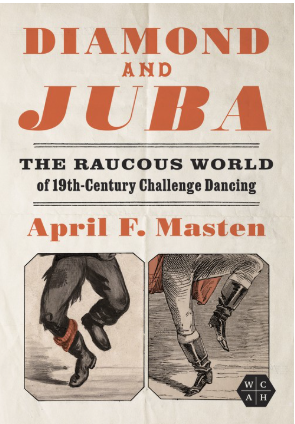
Diamond & Juba: The Raucous World of 19th-Century Challenge Dancing
During the tumultuous years before the Civil War, Irish American John Diamond and
African American William Henry Lane, known as Juba, became internationally famous
as competitors in the art and sport of challenge dancing. April F. Masten’s dual biography
reconstructs the lives and work of these extraordinary dancers, casting fresh light
on their contributions to the history of American popular culture.
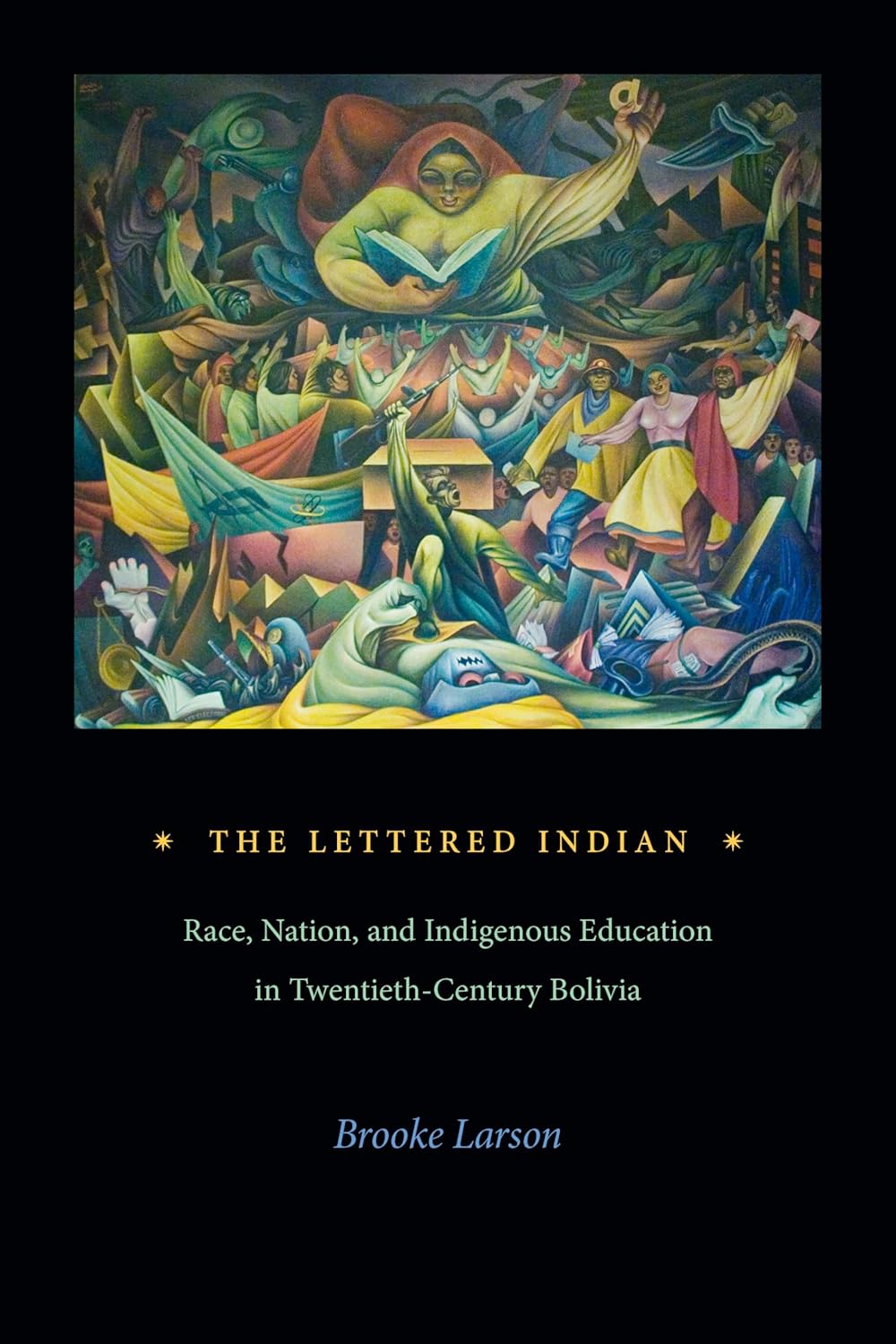
The Lettered Indianmaps the moral dilemmas and political stakes involved in the protracted
struggle over Indian literacy and schooling in the Bolivian Andes. Brooke Larson traces
Bolivia's major state efforts to educate its unruly Indigenous masses at key junctures
in the twentieth century.
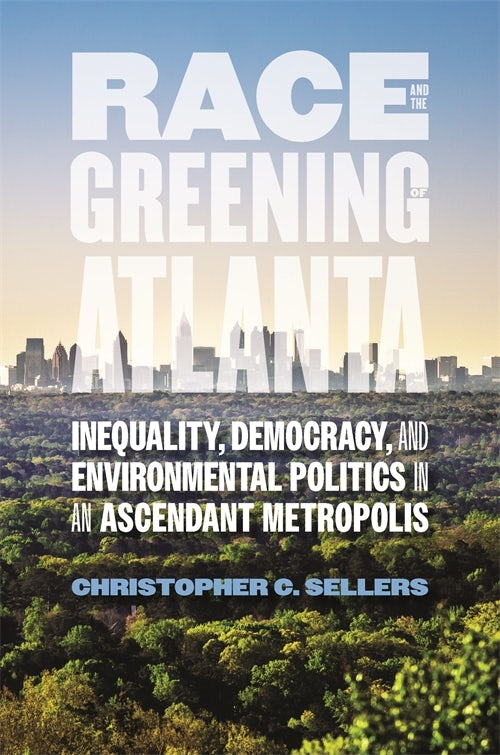
Race and the Greening of Atlanta turns an environmental lens on Atlanta’s ascent to
thriving capital of the Sunbelt over the twentieth century.Uniquely wide ranging in
scale, from the city’s variegated neighborhoods up to its place in regional and national
political economies, this book reinterprets the fall of Jim Crow as a democratization
born of two metropolitan movements: a well-known one for civil rights and a lesser
known one on behalf of “the environment.”
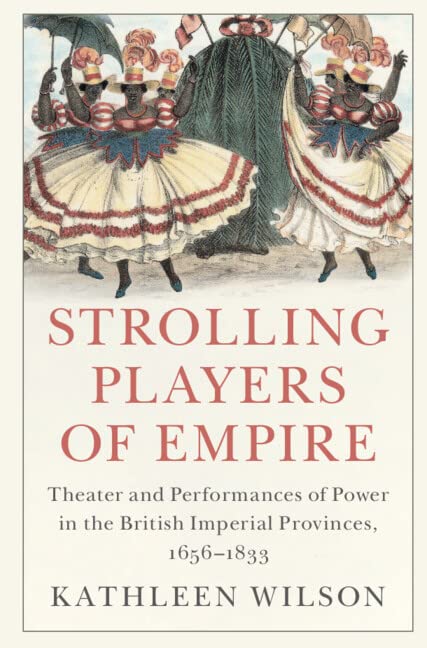
Why did Britons get up a play wherever they went? In Strolling Players of Empire,
Kathleen Wilson reveals how the performance of English theater and a theatricalized
way of viewing the world shaped the geopolitics and culture of empire in the long
eighteenth century.
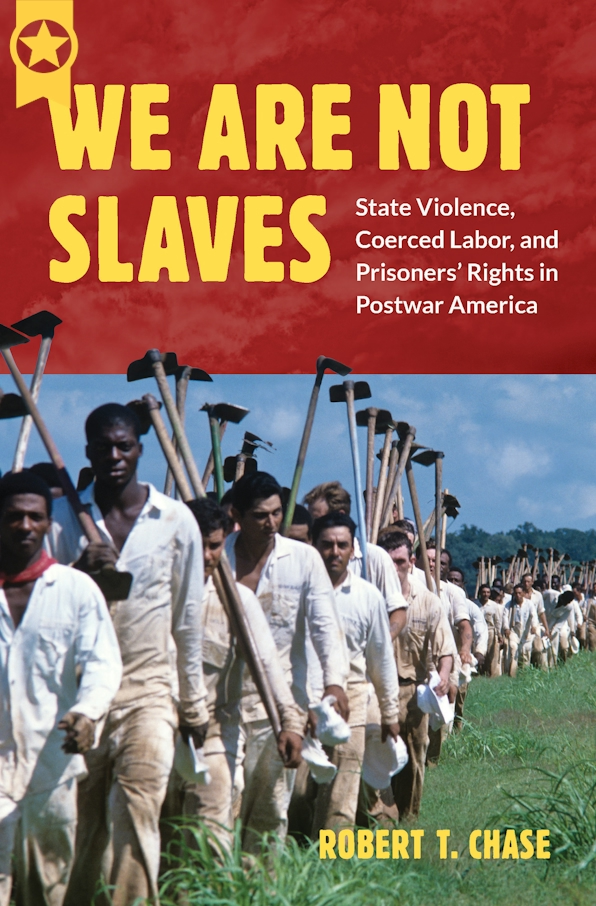
We Are Not Slaves narrates the struggle to change the Texas prison system from within.
Behind bars, a prisoner coalition of Chicano Movement and Black Power organizations
publicized their deplorable conditions as “slaves of the state” and initiated a prison-made
civil rights revolution and labor protest movement. These insurgents won epochal legal
victories that declared conditions in many southern prisons to be cruel and unusual;
but their movement was overwhelmed by the increasing militarization of the prison
system and empowerment of white supremacist gangs that, together, declared war on
prison organizers.
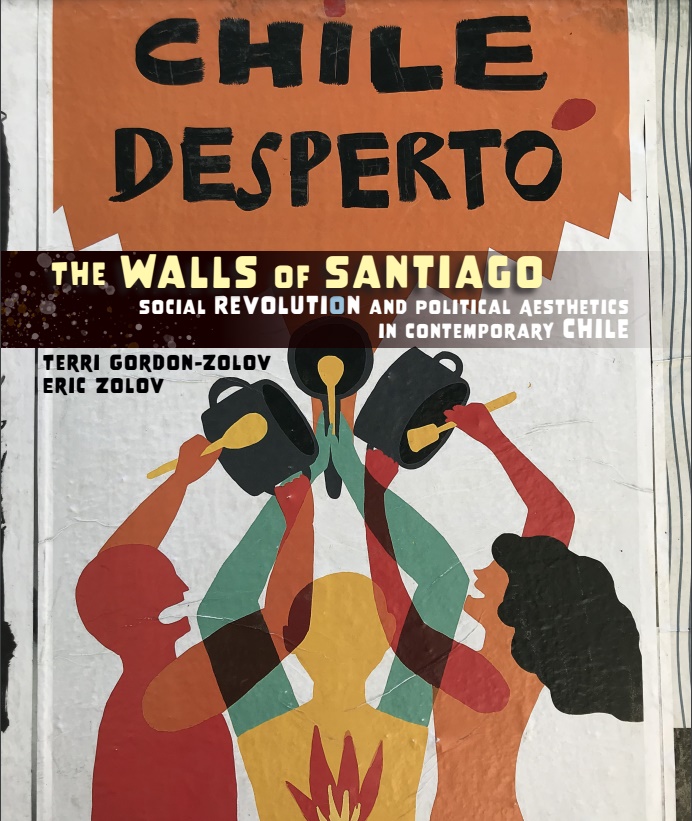
Prof. Eric Zolov's new book, The Walls of Santiago: Social Revolution and Political
Aesthetics in Contemporary Chile, co-authored with Assoc. Professor Terri Gordon-Zolov
(The New School), analyzes the Chilean social revolution of 2019 by focusing on the
political graphics that channeled the demands of a leaderless, grassroots movement.
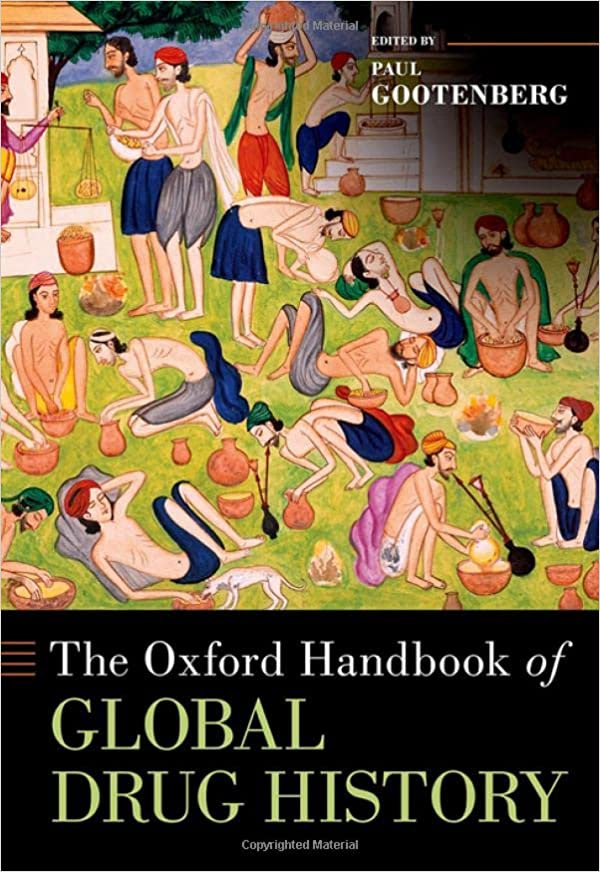
Professor Paul Gootenberg is General Editor of the newly published Oxford Handbook
of Global Drug History (Oxford Handbooks, 2022). With 36 contributions encompassing
the entire globe, the Handbook is the first major compendium of the "new global drug
history," covering some 5,000 years of intoxicating academic histories.
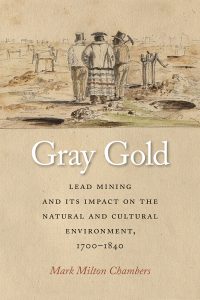
Gray Gold: Lead Mining and it's impact on the natural and cultural environment, 1700-1840
aims to broaden understandings of early colonial and Native American history by turning
attention to the ways that mining—and its scientific, technological, economic, cultural,
and environmental features—shaped intercultural interactions and developments in the
New World.
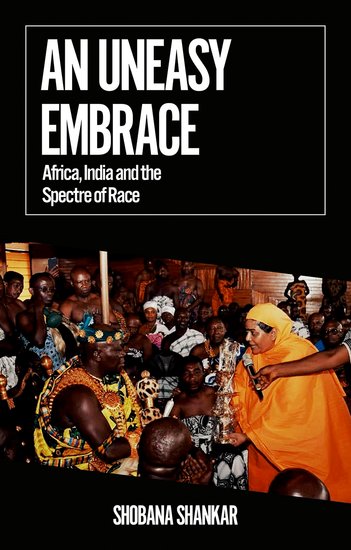
The entwined histories of Blacks and Indians defy easy explanation. From Ghanaian
protests over Gandhi statues to American Vice President Kamala Harris's story, this
relationship--notwithstanding moments of common struggle--seethes with conflicts that
reveal how race reverberates throughout the modern world.