



Stony Brook University is committed to making sure individuals that suffer sudden cardiac arrest have the best chance of survival possible by placing over 250 AED units throughout main campus, Southampton campus and University Hospital. AEDs are located throughout all Stony Brook campuses and generally located near main entrances or elevator lobbies.
DO NOT HESITATE. Immediately call 333 from any campus phone or (631) 632-3333 from
a non-campus phone to call University Police. Recognizing a cardiac arrest emergency
is key to a person's survival. Sudden cardiac arrest can occur at all ages. Sudden cardiac arrest is the sudden loss
of all heart activity due to an irregular heart rhythm. Breathing stops. The person
becomes unconscious. Administration Building Advanced Energy Center (AERTC) Bio-engineering Building 17 (RSS) Calverton Incubator Campus Recreation Center Campus Residence Central Office Central Stores Central Receiving Center for Excellence in Wireless Information Technology (CEWIT) Center for Molecular Medicine Chapin Apartments Chemistry Computing Center Computer Science (New) Computer Science (Old) Day Care Center Dental Complex Duchess Hall Earth and Space Science (ESS) East Campus Power Plant Educational Communications Center (ECC) Electrical Substations 1 + 2 Engineering Complex Frey Hall H Community Harriman Hall Humanities Student Health Center (Infirmary) Innovation and Discovery Center (IDC) Javits Lecture Center Kelly Community Life Science Long Island High Tech Incubator Long Island State Veterans Home (LISVH) Mathematics Marine Science Complex Melville Library Mendelsohn Community Nassau Hall Nobel Halls Old Field Properties Physics Psychology A Psychology B Roosevelt Community Roth Community Scan Center Schomburg Apartments Service Area Simons Center Social Behavioral Science Sports Complex Staller Center Stony Brook Union Student Activity Center Suffolk Hall Tabler Community Toll Drive Halls
The Department of Environmental Health & Safety at Stony Brook University is responsible
for coordinating and implementing the University’s Public Access Defibrillation Program.
The program was developed as a result of the NYS Office of General Services (OGS)
promulgation of regulations requiring all NYS owned/operated public buildings to be
equipped with on-site cardiac automated external defibrillators (AED).
Unlike manual defibrillators used in hospital settings and by paramedics, the AEDs
that are installed throughout the University are extremely easy to operate. The devices use
clear graphical and spoken instructions. The AEDs analyze the victim's condition and,
only if warranted, deliver an electric shock to the heart to reverse sudden cardiac
arrest.
You DO NOT need to be certified to use an AED: if you choose to assist someone you
believe needs CPR and an AED, you will be covered under the Good Samaritan law. However,
CPR certification can be very important to know when using an AED. If the AED delivers
an electric shock, the device will then prompt you to beginning administering CPR.
Under the American Heart Association guidelines, hands-on CPR should be administered
until further trained help arrives. More information about the NYS Good Samaritan
law can be found in NYS Public Health Law Article 30.
For more information, please call the Fire & Emergency Services office at (631) 632-9678.
If a person is not breathing or not breathing normally, start Hands-Only CPR. Get an AED or send a bystander to retrieve a unit and push hard and fast in the
center of the victim’s chest until personnel with more advanced training arrives.
Two steps to save a life:
The only successful treatment for a victim in cardiac arrest is early cardiopulmonary
resuscitation (CPR) and defibrillation such as that provided by an automated external
defibrillator (AED). Defibrillation involves shocking the heart with an electric current that allows the
heart to reestablish its normal rhythm. To be most effective, defibrillation must
occur as soon as possible after the onset of sudden cardiac arrest. The chance of
survival from sudden cardiac arrest decreases by 7-10 percent per minute. Early recognition and starting steps of CPR is key for a victim suffering sudden cardiac
arrest. AEDs are easy to use (by nonmedical personnel), are safe, and are effective
in saving lives.
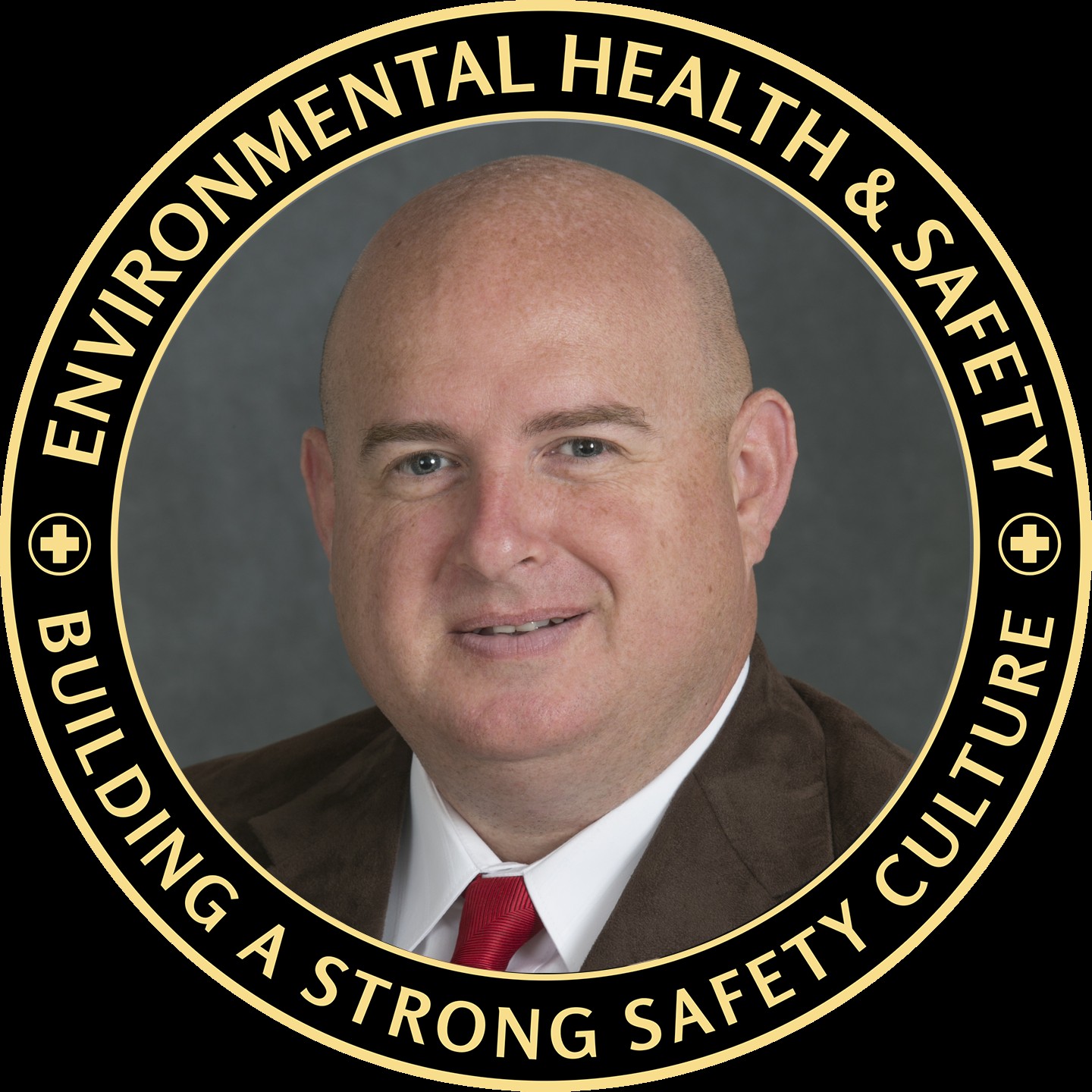
DIRECTOR OF FIRE SAFETY AND FIRE CHIEF
John Gallo | (631) 632-3732 | John.Gallo@stonybrook.edu