
About Dr. Priyadharshini Devarajan
|
|
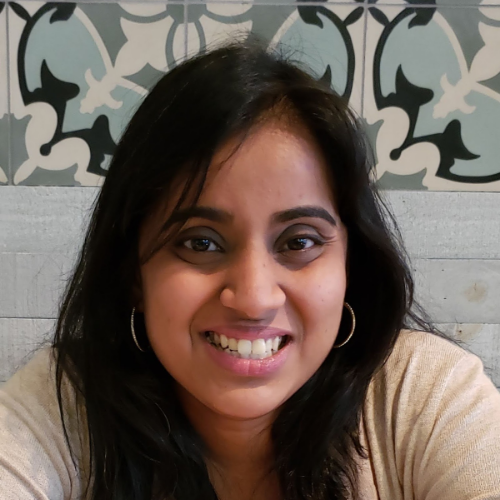
Priyadharshini Devarajan is an Assistant Professor in the Department of Microbiology and Immunology at Stony Brook Medicine. Her research focuses on respiratory immunology, studying how our immune systems protect us from respiratory infections. Her fascination with immunology began in high school after reading about immunotherapy in a biology paper, sparking a lifelong passion for the field. She earned her PhD from the University of Miami Miller School of Medicine in 2014, where she investigated autoimmune memory, and completed postdoctoral training with Dr. Susan Swain at the University of Massachusetts Chan School of Medicine. Devarajan is deeply committed to mentoring the next generation of scientists and working closely with students and trainees at all levels to support their growth and career aspirations. |
Mentorship Insights
1. What inspired you to become a mentor?
“I love immunology research, but I’ve also discovered how much I enjoy mentoring the next generation of scientists. Whether they’re high school students, undergraduates, graduate students, or postdoctoral associates, I find it rewarding to work with trainees who are excited about science and to support them in reaching their goals. Being an assistant professor at a university with my own research lab allows me to do all these different things."
2. What mentoring practices or strategies did you find effective or rewarding?
“I’m still learning how to be a more effective mentor, but I’ve had the opportunity to work with trainees since I was a PhD student and later as a postdoc.
Every trainee scientist comes with unique perspectives and strengths. I believe it’s very important to personalize mentorship and tailor guidance and motivation to what excites each individual.”
3. Please share a rewarding mentoring story.
“One of my most rewarding experiences has been mentoring neurodivergent individuals—brilliant scientists who simply approach problems differently. For example, I had three different mentees, all coming from very different backgrounds, so their paths and my mentorship approaches were different. It’s incredibly rewarding to mentor them and see them go on to obtain their PhDs or become experienced individuals who can manage their own projects."
4. What is one piece of advice for new or aspiring mentors?
“Ask for advice. I looked for advice everywhere, and I believe most mentors are always eager to share their experiences and love giving advice. As a mentor, look at other mentors and study their approaches—there’s always so much to learn. At the same time, what works for someone might not work for you, but after hearing so many different perspectives, you pick and choose, one bit from this person, one bit from that person, and you bring them together eventually, and form your own mentoring style."
5. What Graduate School Resources did you find helpful?
“When I started at Stony Brook, there was an incredible course run by the graduate program on research mentoring, which I thought was very useful. The class included professors from social work to Italian language, literature, and the arts. It was very fun to meet professors from such different fields and attend the class together. I learned a lot because they had lots of advice on how to personalize mentorship for each one of your trainees, how to be on top of mentorship, and assess if your mentorship is effective. I found that very, very useful right when I started off.”