


Behind the Screens: Dev Patel’s Work in Government IT
Meet Dev Patel, a 2019 Information Systems alumni who currently works for the U.S.
Department of Labor.
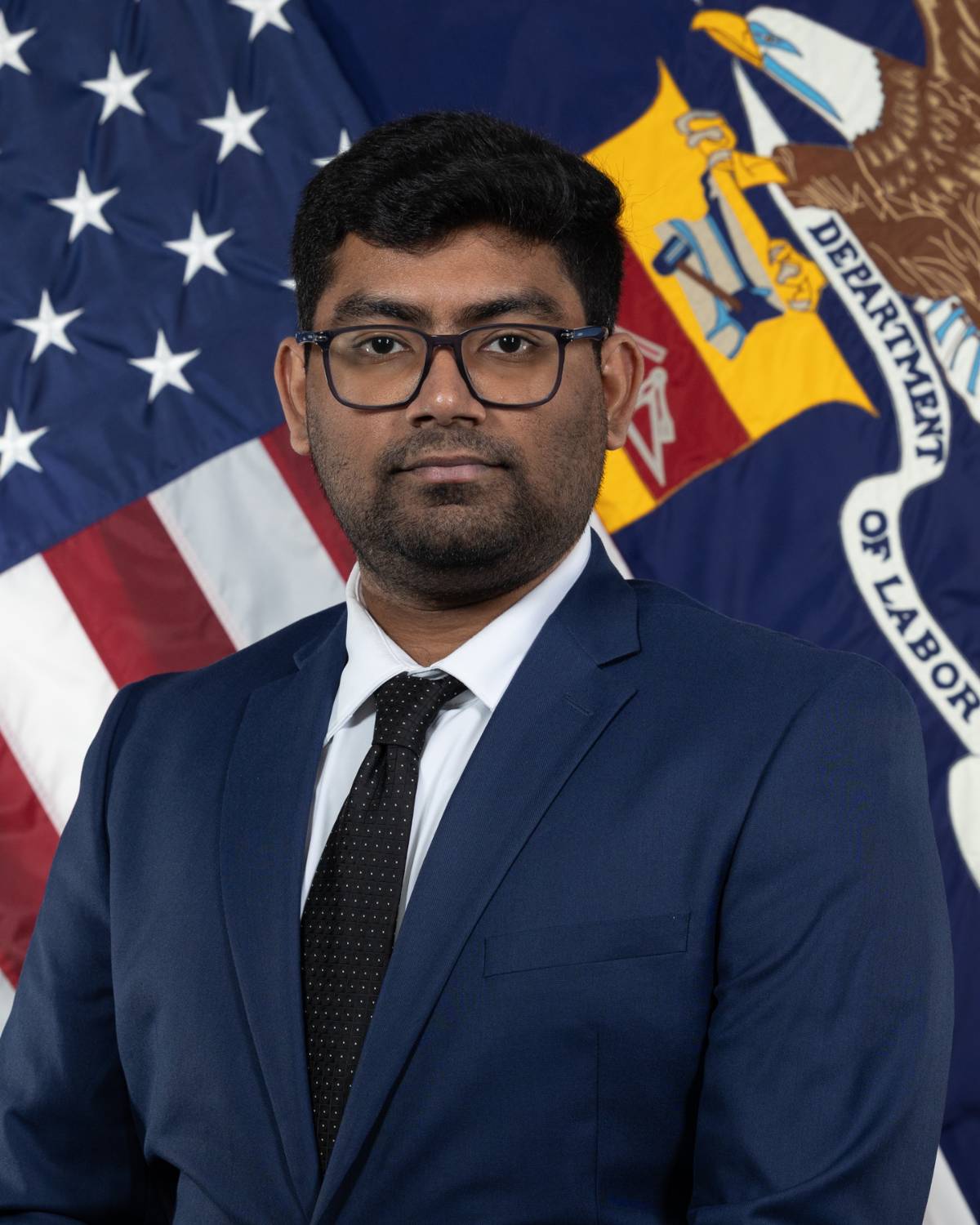
Dev developed an early interest in Information Systems and cybersecurity and went on to specialize in Systems and Network Administration, knowing he wanted to pursue a career in the field. He was drawn to the hands-on nature of this discipline, which emphasized how systems are built, maintained, and protected. Through his coursework, he developed a strong problem-solving mindset grounded in reliability, security, and real-world application, skills needed to enter the IT field with confidence.
Today, Dev works in government IT, where he provides high-touch technical support in a fast-paced and high-responsibility environment. His role is centered around supporting leadership and priority users, ensuring their technology runs smoothly and efficiently. His day-to-day responsibilities consist of addressing technical issues, coordinating device replacements and deployments, assisting with onboarding new employees, and ensuring that service requests are handled with minimal disruption.
In addition to direct user support, Dev contributes to the operational side of IT services as well. His work includes helping manage hardware inventory, coordinating device repairs, and supports keeping systems organized and accountable. He is also involved in documenting and refining internal procedures, helping ensure workflows remain clear, consistent, and scalable for a larger IT team. These efforts play a central role in maintaining consistency and efficiency across technological services.
Dev’s role can also extend to supporting larger organizational events, where attention to detail, clear communication, and coordination are crucial. Balancing technical expertise with discretion, especially when working with sensitive systems and high-level users is no easy feat.
For students who are considering Information Systems or IT-related careers, Dev’s experience sheds light on how coursework can translate directly into real-world responsibility. His journey to his position highlights the importance of persistence , adaptability, and staying open to growth opportunities.
Read more about Dev’s experiences below in an interview with CEAS Student Assistant Janice:
The Interview:
Janice: What led you to studying Information Systems, and what drew you to the Systems & Network Administration specialization?
Dev: Ever since high school, I’ve been interested in networks, systems, and cybersecurity, especially the hands-on aspects of protecting and managing systems. Information Systems along with the Systems and Network Administration specialization aligned closely with those interests. The coursework covered core IT concepts and gave me the background and foundational knowledge that helped me land my current role.
Why did you choose to study at Stony Brook University?
I chose Stony Brook because it has a strong reputation in engineering and technology. It is also consistently ranked as a top public university, so I felt that earning a degree from Stony Brook would be valuable. Stony Brook’s high quality education, combined with the affordable tuition and scholarship opportunities made it an easy decision for me.
What is a fun fact about yourself?
When I accepted this job, I had to pack up my whole life and move to Washington, D.C. in a short amount of time.
Did you always see yourself working in IT or technology, or did that interest develop over time?
I always saw myself working in the IT or technology field because I was interested in learning about the emerging technologies and security systems. Building a PC on my own furthered that interest and helped me confirm that IT was the right path for me.
How did you come across the opportunity to work in IT support within a government organization?
During my job search, I came across an open government IT position. I applied while I was enrolled in my Master’s without many expectations, but I was fortunately offered the role.
Since you started as a student trainee, what was that experience like and how did your role grow from there?
I started as a student trainee during my Master’s program, which was incredibly helpful since the role was designed for students looking to break into IT. I had a great team and supportive managers who helped me balance school and work while teaching me the technical background and services needed to succeed. Over time, that support helped me transition into an IT Specialist role.
What was your post-graduation experience like? Did you move directly into full-time work?
I graduated during the COVID period, when the job market was especially difficult from the widespread layoffs. This prompted me to pursue a Master’s degree, and I was lucky enough to secure a job offer before completing the program.
For students who may not be familiar with IT roles, how would you describe what you do on a typical workday?
My typical workday starts with assessing all the incoming IT requests. I focus on supporting VIP users, including executive leadership and agency heads. Much of my work involves troubleshooting technical issues and ensuring their systems function smoothly so that they are able to focus on their responsibilities without any disruptions.
What’s a project or accomplishment you’re especially proud of in your current role?
One of my most recent projects involves supporting a major government transition. With the new presidency, I was responsible for assisting the transition process to ensure the incoming administration could move into the office efficiently without technical issues.
Were there any classes, resources, or experiences at Stony Brook that helped you prepare for this role?
Learning systems administration was helpful as it taught me how to configure user groups to make sure users had the correct access to certain information, which are skills very important for my current role.
What advice would you give to students interested in IT or technology-focused careers?
The current job market is tough, but working on entry-level IT certifications and hands-on projects can make a big difference. Certifications help you master skills that employers are looking for and it shows your commitment to the field. I’d also recommend building connections with your professors, attending career fairs on and off campus, and staying persistent. Most importantly, don’t lose hope and keep pushing forward!