


About Dr. Suparna Rajaram
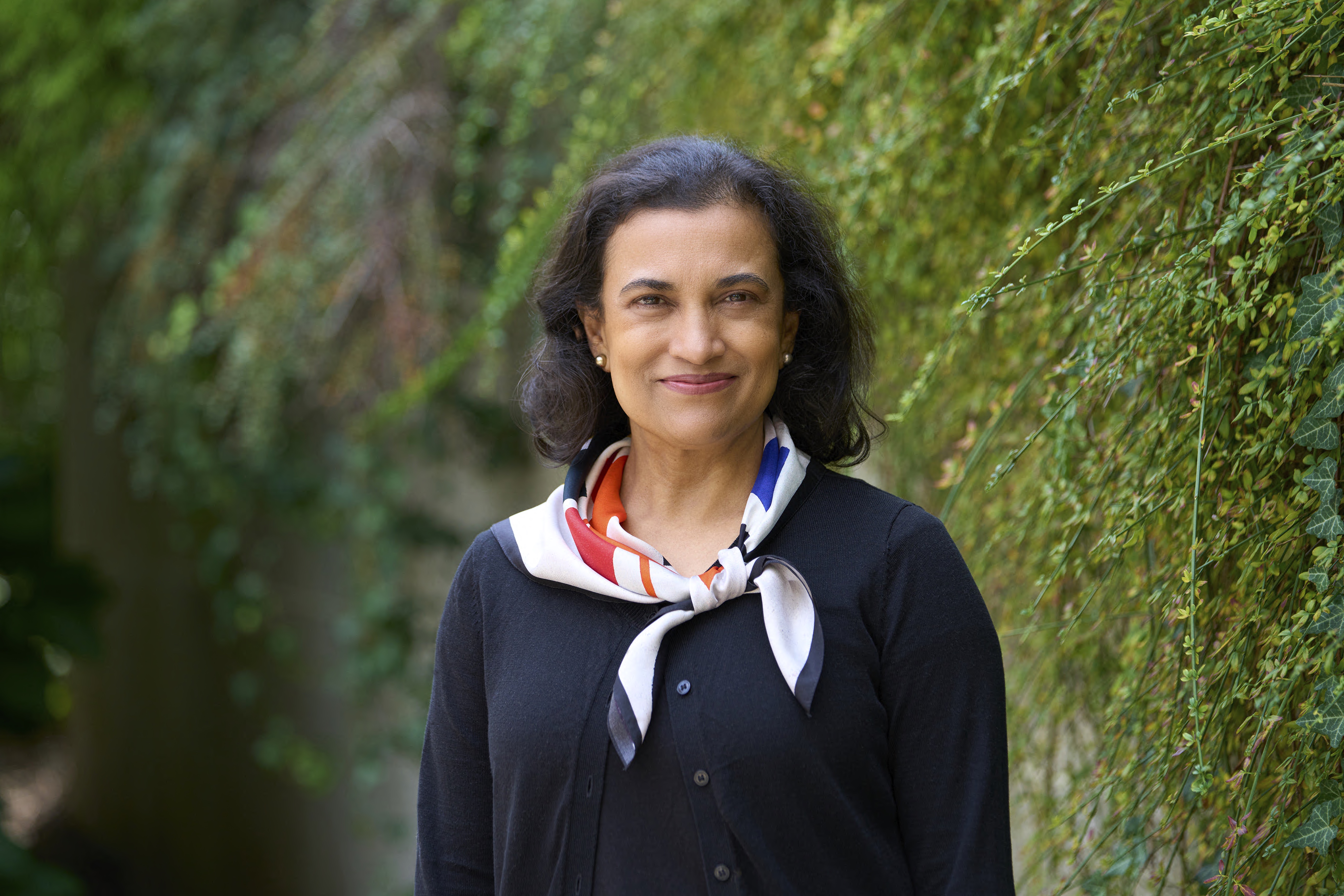 |
Suparna Rajaram is a SUNY Distinguished Professor in the Department of Psychology at Stony Brook, where she has been a faculty member since 1993. She earned her PhD in cognitive psychology from Rice University and completed postdoctoral training at Temple Medical School. Rajaram’s fascination with the human mind began early, nurtured by a love of books, literature, and psychology. She majored in psychology and English literature as an undergraduate, and during her graduate studies, she discovered the power of scientific experimentation to probe human cognition. This combination of intellectual curiosity about people and the opportunity to study the mind experimentally drew her to a career in academia. She is also a recipient of the Provost’s Outstanding Mentor Award (2025), which recognizes senior faculty for exceptional dedication to mentoring non-tenure track, pre-tenure, and mid-career faculty, fostering professional growth, and supporting a healthy work-life balance. |
Mentorship Insights
1. What inspired you to become a mentor?
“I had fantastic mentors throughout my life, starting from childhood. I was very fortunate to have teachers who took a genuine interest in me and were committed to my growth. I saw the impact my mentors had on me: they gave me confidence, showed me the tools I needed, and motivated me to pursue what I wanted. When I became a professor and experienced the tangible impact of mentorship myself, it inspired me to embrace this role.”
2. What mentoring practices or strategies did you find effective or rewarding?
“Honestly, that's a question to ask my students, but for me, mentorship is all about meeting halfway. It requires interest from the professor who knows how to do a few things and from the student who wants to learn those things and put in the effort. The rewarding part is when you have that match and things begin to click, and by the end of the process, you see students develop into independent thinkers and researchers.”
3. Please share a rewarding mentoring story.
“One of my greatest joys is seeing my former students become mentors themselves, guiding their own undergraduate students, graduate students, and postdocs. Watching the mentorship continue into the new generation of scientists and professionals is truly rewarding. I also find it fulfilling to mentor at every level—undergraduate, graduate, and postdoc—and see how those different stages of training build upon one another."
4. What is one piece of advice for new or aspiring mentors?
“It's important to remember that each student is different. What may work well for one might not work for another. Every student brings their own ways of thinking and learning, so it’s important to modify your approach to meet their needs, and that goes a long way towards quickly reaching that halfway point."
5. What Graduate School Resources did you find helpful?
“I participated in the Research Mentor Training program and found it very helpful. Hearing from other faculty about what worked for them and what didn’t was valuable. Even if you’ve mentored students for years, that’s still only one perspective. Learning from the diverse experiences of others helps prepare you for new situations and strengthens your own approach as a mentor."