
About Dr. Simon Birrer
|
|
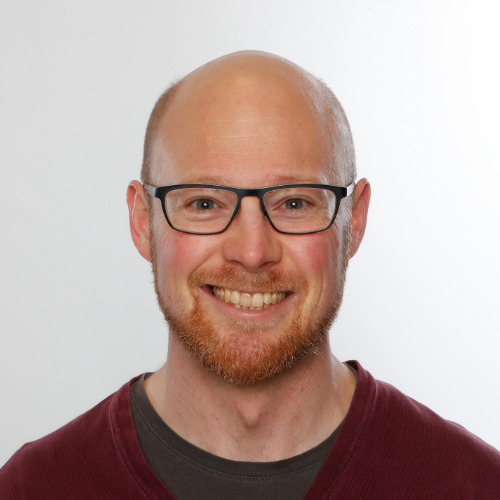
Simon Birrer is an Assistant Professor in the Department of Physics and Astronomy at Stony Brook University. His research focuses on observational cosmology, using data from NASA and ground-based telescopes to study the composition, structure, and evolution of the universe, exploring its history and the processes that shaped it on the largest scales. Birrer’s fascination with the universe began in high school, where his interest in math and physics sparked a desire to understand the world beyond formulas and theorems. This curiosity led him to study physics, and he found that astrophysics and cosmology offered the opportunity to explore fundamental questions about the universe and contribute to our understanding of it. |
Mentorship Insights
1. What inspired you to become a mentor?
“Mentorship has been a part of my journey since the start of my studies. As an undergrad, I was a TA for first-year students, which allowed me to give back and reinforce my own knowledge by teaching other students. During my postdoc, I co-advised graduate students, and felt that it was really enriching and exciting to see them grow, understand, and drive things further than I could have done. Here at Stony Brook, I have my own group and am the primary mentor and advisor, which comes with a lot of responsibility, but it's also incredibly rewarding to collaborate with students, guide their growth, and see them become independent researchers."
2. What mentoring practices or strategies did you find effective or rewarding?
“I use mentorship plans and agreements to routinely ensure alignment between students’ goals and the research we’re doing. It's important to listen to what students want, what their goals are, and what excites them. Expectations need to be revisited regularly, because projects evolve and priorities shift. As an advisor, I tell my students in the beginning that they are in the driver’s seat—they decide how much they gain from working with me and should feel comfortable voicing their ideas and adjusting their path as needed."
3. What is one piece of advice for new or aspiring mentors?
“Listen to your students and give them space to lead. Ask about their interests, goals, and what matters most to them. Science is flexible—many goals can be achieved simultaneously, and multiple paths can be successful. Forcing a rigid plan may not serve them as well as letting them guide their own journey."
4. What Graduate School Resources did you find helpful?
“I took part in the Research Mentor Training program with more experienced colleagues. While I came to Stony Brook as an assistant professor, my mentoring philosophy still came from my postdoc experience. The program helped me refine my approach based on the stage of each mentee, from undergraduates to postdocs. I also embrace being both a mentor and a mentee because I'm learning how to run a group while seeking guidance from those I look up to. These exchanges were incredibly valuable in shaping my mentoring style."