


About Dr. Jonathan Nelson
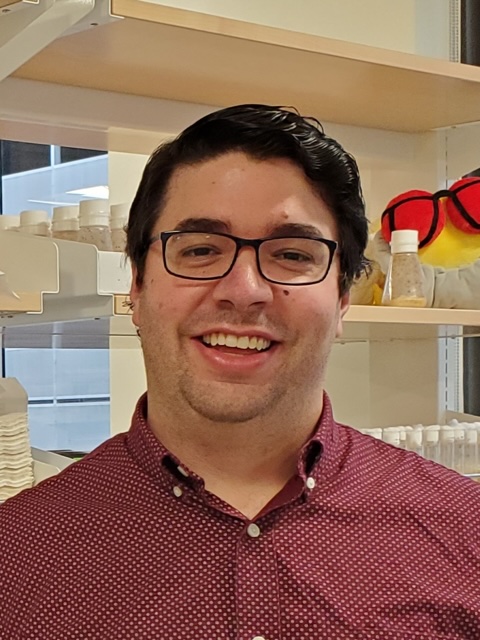 |
Jonathan Nelson is an Assistant Professor in the Department of Biochemistry and Cell Biology at Stony Brook University. His teaching and research focus on cell biology, developmental biology, and genetics. He earned his undergraduate degree from Carleton College, a private liberal arts college in Minnesota, before pursuing a PhD in genetics at the University of Utah. It was during his doctoral studies that he developed a deep passion for research and decided to pursue an academic career. Nelson went on to complete postdoctoral training at the University of Michigan and later at the Whitehead Institute at MIT, before joining Stony Brook in Fall 2023. |
Mentorship Insights
1. What inspired you to become a mentor?
“I’ve had a long academic career and really benefited from having fantastic mentors along the way. As a result, I wanted the opportunity to give back and apply what I've learned from those experiences and from my mentors, to support future students here at Stony Brook.”
2. What mentoring practices or strategies did you find effective or rewarding?
“One thing that I find effective is to let students solve problems on their own and not just give them the answer. While this means that they are not always going to get it right, this approach creates a safe environment where it’s okay to make mistakes and allows them to learn and figure out the right answer on their own. That’s essentially what learning is—finding the answer for yourself rather than just knowing the answer.”
3. Please share a rewarding mentoring story.
“For me, mentoring isn't just about individual moments of revelation—it’s about celebrating successes where people get the grant that they want, publish a paper, or get the job that they want. Those are all really exciting milestones, and my rewarding mentoring story is all of these moments throughout that connect people and form long-term relationships.”
4. What is one piece of advice for new or aspiring mentors?
“Have patience and understand that your mentees’ goals are not necessarily going to align with your own. Mentorship is not about teaching them how to be you. Rather, it’s about helping them become the best version of themselves. Patience allows both mentor and mentee to get the most out of the relationship.”
5. What Graduate School Resources did you find helpful?
“I participated in the Research Mentor Training program, which was extremely useful. It was great to engage in discussions with peers and other faculty, who are more experienced mentors and understand their successes and challenges. One big takeaway I had was balancing the dual roles of being encouraging to mentees as a mentor and ensuring high-quality research outcomes as a research advisor. Sometimes these roles conflict, and learning how to navigate that—sometimes with the help of others to take on one role—benefits both mentor and mentee."