
About Dr. Gilbert Rahme
|
|
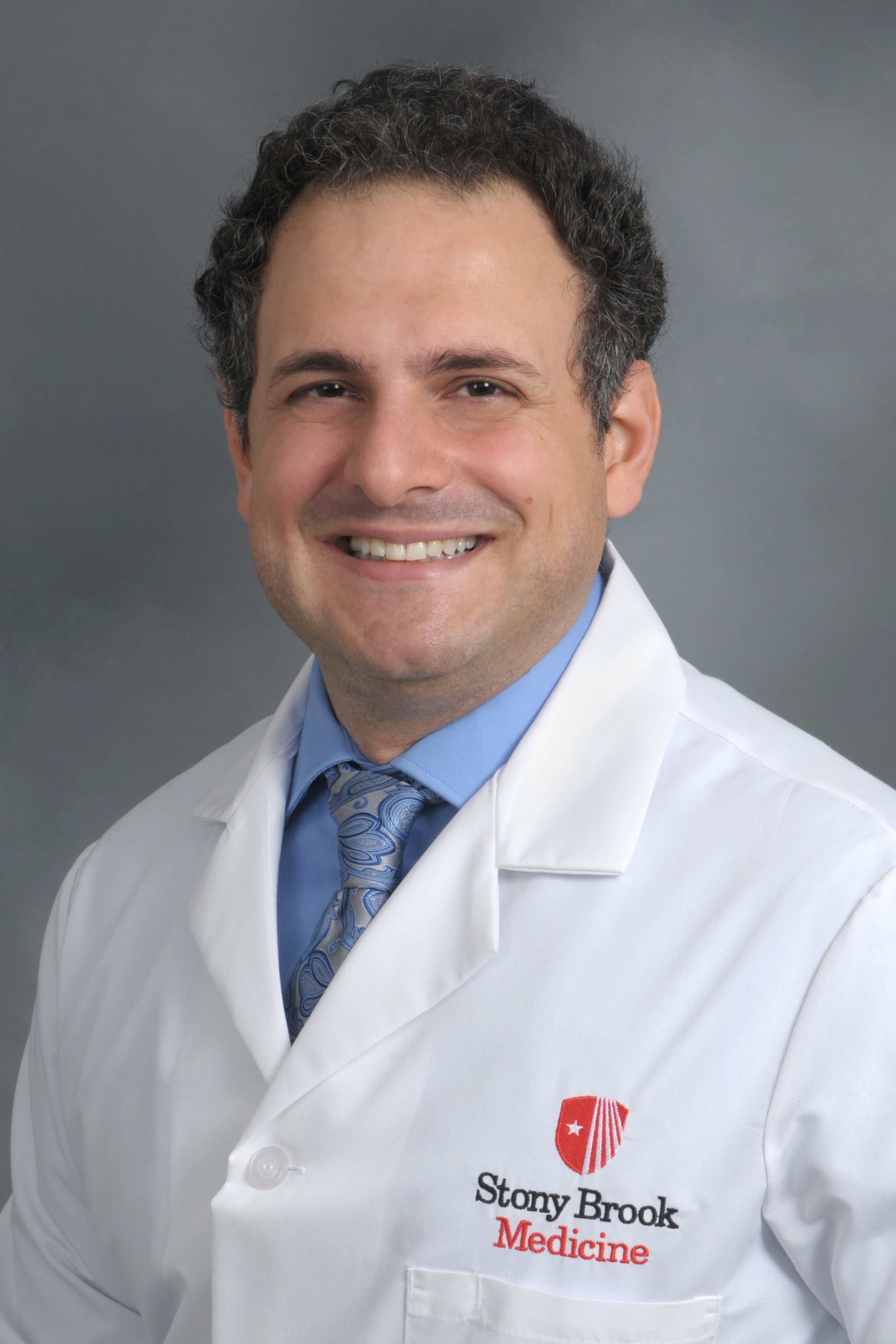
Gilbert Rahme was born in Beirut, Lebanon, where he completed his early education and earned his Master’s degree. He then pursued his PhD at Dartmouth, followed by postdoctoral training at Harvard Medical School. His research focuses on cancer epigenetics, with a particular emphasis on how epigenetic reprogramming drives tumor initiation and progression. He joined Stony Brook University in 2023 and is currently an Assistant Professor in the Department of Pharmacological Sciences at the Renaissance School of Medicine. |
Mentorship Insights
1. What inspired you to become a mentor?
"It has been incredibly rewarding to work at Stony Brook University. I was drawn to the university because of its close connections between faculty and graduate students. I also value maintaining a smaller lab environment, where I can engage directly with trainees and support them in reaching their full intellectual potential.”
2. What mentoring practices or strategies did you find effective or rewarding?
"I began mentoring students during my Master’s training and continued through my PhD and postdoctoral work. I treat my mentees as colleagues—while I guide them in experiments and professional development, I also learn from them. Their perspectives often highlight things I might otherwise miss. This approach fosters mutual respect, encourages independence, and creates a collaborative learning environment.”
3. Please share a rewarding mentoring story.
“When I begin mentoring a student, they often have limited research experience. It is especially rewarding to teach them how to design and execute experiments and to watch them grow into independent researchers with strong intellectual and technical skills.
Seeing trainees succeed is one of the most fulfilling aspects of mentorship. I’ve had the privilege of mentoring three trainees who received best poster awards, and another who was awarded two competitive fellowships. Watching them excel is incredibly rewarding.”
4. What is one piece of advice for new or aspiring mentors?
“Treat mentees as colleagues rather than within a strict hierarchy. When people feel respected and valued as equals, creativity and productivity thrive. It creates a more positive environment, which is ultimately the goal of mentorship.”
5. What Graduate School Resources did you find helpful?
“When I first joined Stony Brook, I participated in a graduate mentorship course. It was extremely valuable to learn from others’ approaches and refine my own. One key takeaway was the importance of clearly communicating expectations, rather than assuming students will intuit them. This helps guide trainees more effectively and ensures they understand how to succeed.”