


About Dr. Christine Gilbert
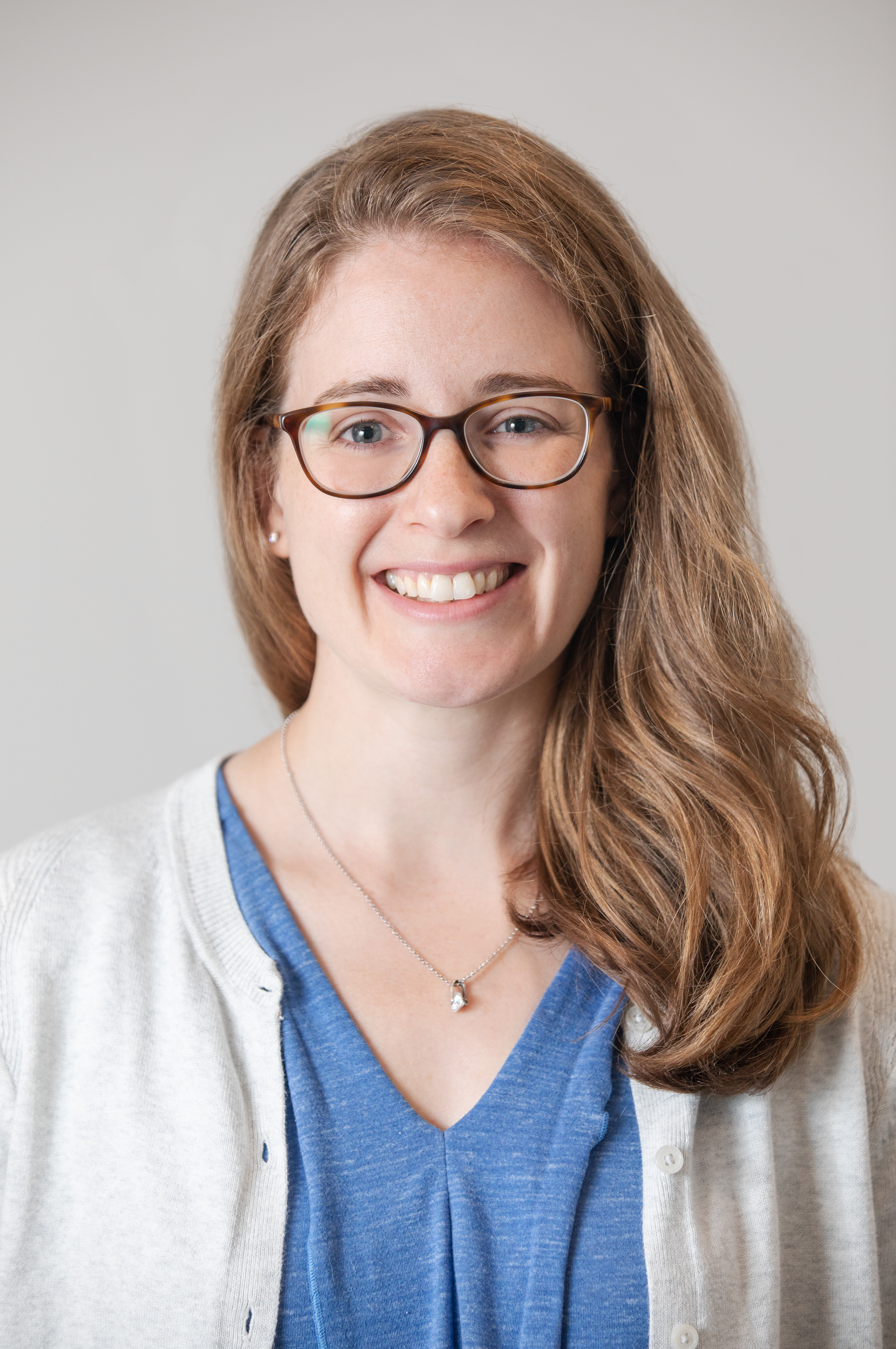 |
Christine Gilbert is an Assistant Professor at Stony Brook University with joint appointments in the School of Communication and Journalism and the School of Marine and Atmospheric Sciences. Her research focuses on science communication, climate change, and environmental communication, helping scientists translate complex findings for general audiences so people can understand the science and its implications for their lives and decision-making. Gilbert’s journey to academia began as an undergraduate at the University of Maine, where she worked as a research assistant studying how media coverage influenced the passage of renewable energy bills in the Maine State Legislature. After a few years working in the insurance industry, she returned to school to complete her master’s degree and PhD. |
Mentorship Insights
1. What inspired you to become a mentor?
“I work with many graduate students in both the School of Communication and Journalism and the School of Marine and Atmospheric Sciences. Mentorship is an inherent part of the research process. Students learn about how you conduct research before embarking on their own projects, and naturally, this process raises many questions. Mentorship is essential at this stage, guiding students as they seek answers. For me, mentoring is also a way to give back, as I have benefited tremendously from having wonderful mentors myself."
2. What mentoring practices or strategies did you find effective or rewarding?
“One thing I noticed was that even though some students already knew the concepts and techniques to work with real data, they struggled when I assigned them certain tasks. To make sure that they were not repeating the same mistakes and to make them more comfortable, I adapted my own dissertation data into a set of homework assignments so they could practice the tasks that I was asking them to do. Because I knew the data well, I could guide them through the tasks, then let them apply those skills to new data. This gave them a safe place to learn, make mistakes, and build confidence. I also remind students that no research project is perfect—you do the best you can with the tools available. Creating that safe space to fail is really important."
3. What is one piece of advice for new or aspiring mentors?
“Ask your students if what you’re doing is helping them. Check in to see if things are working, if they’d prefer a different approach, or if they need something more. I try to model my mentoring after the wonderful mentors I had, but I also recognize that each student is different—and I’m different from my mentor. Staying open to feedback and regularly touching base is crucial.”
4. What Graduate School Resources did you find helpful?
“I participated in the Research Mentor Training program, which I found incredibly valuable. It brought together people from many disciplines, and hearing different perspectives on mentoring was eye-opening. I especially appreciated learning about mentoring agreements. I now use expectation documents with my graduate students—we outline my expectations, their expectations, and then review and sign them together. Having that foundation has been very helpful in building effective mentoring relationships.”