Empowering the next generation of ecological and evolutionary discovery from the lab
to the field.
Laboratory Facilities
Genomic, Metagenomic, & Computational Pipelines
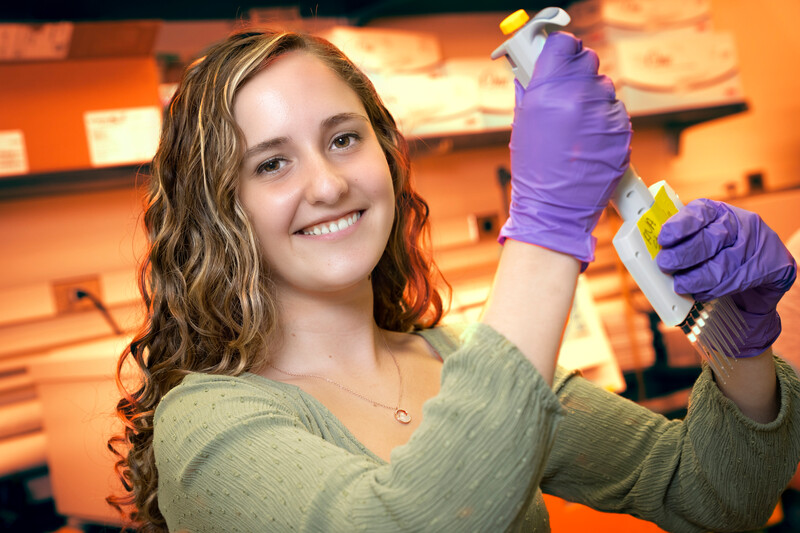
Our laboratories feature modern infrastructure supporting advanced molecular genetics,
quantitative PCR (qPCR), cloning, and high-throughput sequencing. These genomic and
paleogenomics pipelines are backed by high-performance computational biology workstations
optimized for phylogenetic analysis, complex population genetics datasets, geographic
information systems (GIS), and predictive biodiversity modeling.
Organismal Research & Growth Facilities
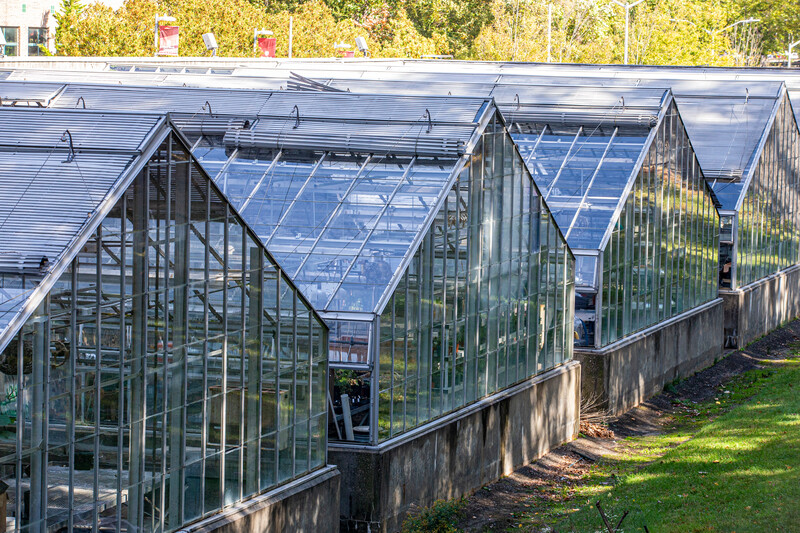
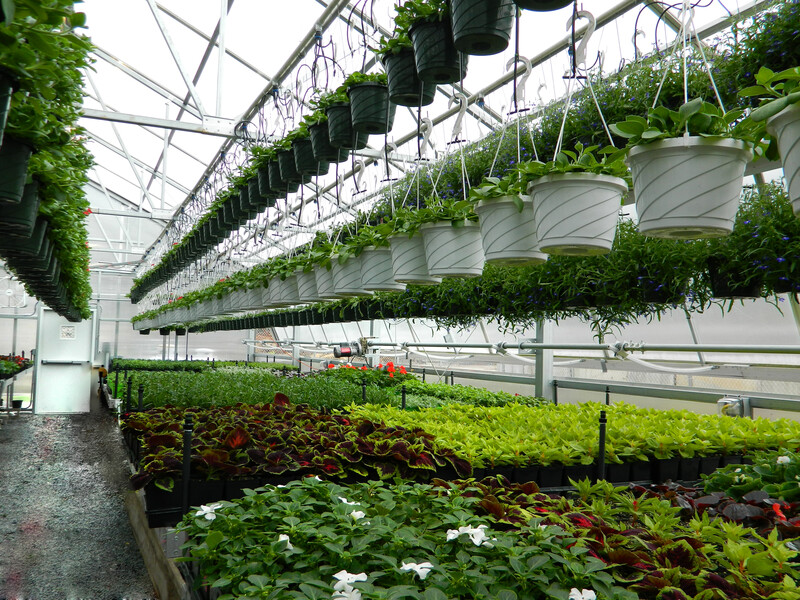
The department has access to a 14,000 sq. ft. greenhouse attached directly to the
Life Sciences Bldg, alongside specialized growth chambers and dedicated rearing spaces
for Drosophila and diverse aquatic and terrestrial research organisms. Specialized
suites support functional morphology, vertebrate paleontology, biomechanics, insect
neuroethology, and physiological ecology.
Local & Campus Preserves
The R. Lawrence Swanson Marine Laboratory
Located just a few miles from campus at the Flax Pond Salt Marsh Preserve, this 800-acre
protected tidal wetland serves as a premier natural laboratory for studying coastal
ecosystems, climate change, sea-level rise, and marine biodiversity. Learn more about
Flax Pond.
Operated directly by the department. Located 40 minutes from campus, this facility
encompasses a ~2,500-acre preserve of mixed woodlands, ponds, bogs, and river habitats.
Includes an on-site residence and laboratory, hosting our specialized summer field
courses.
This ~90-acre protected site, 20 mins from campus, features a rich mix of woodland,
marsh, and ocean beach. Owned by The Nature Conservancy, the department maintains
a research contract to run active ecological field tracking here.
On main campus, 26-acre Ashley Schiff woodland preserve provides a "living classroom"
for local forest ecology and community tracking. Faculty and students also conduct
frequent collaborative research at nearby Brookhaven National Laboratory (20 minutes
away)
Extensive marine research infrastructure is maintained by the School of Marine and
Atmospheric Sciences (SoMAS), situated just a brief walk south of the Life Sciences
Laboratory on campus. SoMAS operates a versatile coastal research fleet ranging from
small outboards to the 80-foot oceanographic vessel, the R.V. Onrust. Additionally, our students and faculty frequently utilize the world-class collections
and taxonomic resources at the American Museum of Natural History (AMNH) and the New
York Botanical Gardens (NYBG).
Global Field Networks
Stony Brook University proudly belongs to the Organization for Tropical Studies (OTS).
Our graduate students frequently participate in renowned tropical ecology field training
in Costa Rica and conduct extensive research at the La Selva Biological Station. Students
also utilize premier national field stations like the Rocky Mountain Biological Laboratory
in Colorado and the Friday Harbor Laboratories in Washington. In recent years, our
departmental fieldwork has spanned ecosystems across North America, Africa, South
America, Europe, and the Pacific.