



SBU-BNL Seed Grants for Collaborative Research
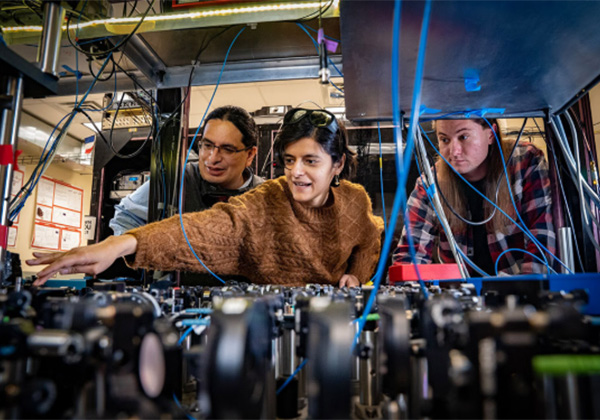
The Office of Brookhaven National Laboratory Affairs sponsors the annual Seed Grant program to support joint initiatives between scientists from Stony Brook University and Brookhaven National Laboratory. Funding for the program is provided by the Office of the President. An email outlining proposal requirements is sent to the campus community several months in advance of the proposal submission deadline.
About the Seed Grant Program: The Seed Grant Program began more than 25 years ago as a mechanism to foster collaboration between the Stony Brook and Brookhaven National Lab science communities. Scientists from both institutions work in conjunction with colleagues bringing their ideas to life. These collaborations are a key element for developing synergistic activities that can grow joint research programs aligned with the strategic plans of both institutions.
Please contact the Office of Brookhaven Affairs (ann.ozelis@stonybrook.edu) for more information.
SBU, Physics and Astronomy BNL, NSLS II, Electronic Structure Techniques
Abstract: This project aims to establish the mechanisms and universal transport laws of altermagnet that exhibit spin-polarized transport despite zero net magnetization to advance energy-efficient spintronics. Such universal scaling in metals is governed primarily by Fermi-surface geometry and topology rather than microscopic detail, and we leverage this perspective to classify behaviors across diverse materials.
On the theory side, we show how altermagnetism can emerge from a Fermi liquid via a d-wave Pomeranchuk instability that drives spin-resolved quadrupolar distortions without producing net magnetization. A central objective is to promote this instability by engineering Fermi-surface anisotropy through lattice potential, strain, or pressure to create hotspots, inflection points, and proximity to van Hove singularities. We treat generic interactions using a functional renormalization-group framework that tracks their flow, yielding realistic routes to stabilize altermagnetism and concrete predictions for dynamical susceptibilities and real-space spin textures.
A second objective quantifies the competition between altermagnetism and superconductivity by extending the functional RG to finite temperature, identifying regimes where the altermagnetic metal is favored, estimating the critical temperature that suppresses BCS pairing, and characterizing potential unconventional superconductivity on non-circular Fermi surfaces.
Moreover, Ab initio calculations will supply electronic-structure inputs and connect theory with experimental measurement. To close the loop with experiment, we will deliver testable predictions for elastic and inelastic neutron scattering, topological Hall and anisotropic magnetoresistance measurements, and spin-polarized STM, applied to canonical and proposed altermagnets (MnTe, CuMnAs, EuAuSb) with particular focus on RuO2, expected to display low-temperature (~150 K) Fermi-liquid behavior.
Overall, this 18-month program will define universality classes, distill key design principles, and speed the discovery of altermagnets for scalable, low-dissipation spintronics.
AI-Powered Projected Augmented Reality for Human-robot Communication and Collaboration
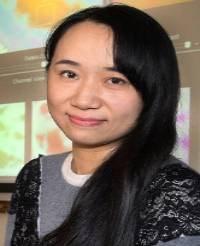
Arie Kaufman Wei Xu
SBU, Computer Science BNL, Computing and Data Science Directorate
Abstract: As robots become increasingly capable of sensing and interpreting their environments, a critical bottleneck remains: how do they effectively communicate with the humans working alongside them? Traditional robot communication methods: screens, alerts, audio cues, require the hunan to shift attention away from the physical environment to receive information. This is inefficient, and in time-sensitive or spatially complex settings, it can be a serious limitation. Projection-based augmented reality (AR) offers a fundamentally different approach. Rather than pulling the human's attention to a separate display, the robot projects information directly onto the physical world: onto the object, surface, or area that is relevant, making the communication situated, geometric, immediate, and accessible to anyone present without the need for headsets or handheld devices. Artificial intelligence (AI) plays a central role thoroughout the process, from understanding the geometry and semantics of the environment, to adapting projection content in real-time, to learning preferred and effective robot behaviors in real-life scenarios. This project establishes a collaborative research program between Stony Brook University (SBU) and Brookhaven National Laboratory (BNL) to develop and validate AI-powered projection-based AR as a general framework for human-robot interaction (HRI), robot intent communcation and situated visualizations. The work will be grounded in two complementary application scenarios: plant and vegetarion health monitoring, and robot-assisted facility maintenance and inspection in complex laboratory environments. Together these application span a range of enviroments, surface types, and human expertise contexts, allowing the research findings to generalize broadly.
High-dimensional Microelectronics Metrology through AI-assisted Sparse Imaging 
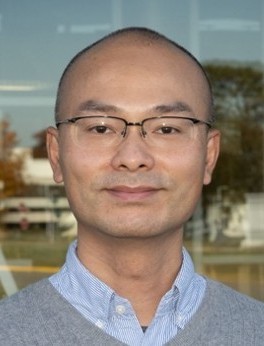
Karen Chen-Wiegart Xiaojing Huang
SBU, Materials Scie and Chemical Engine. BNL, National Synchrotron Light Source
II
Abstract: This seed project aims to develop a sparse-sampling strategy with advanced X-ray microscopy
to address a long-standing challenge in microelectronics metrology: conducting nanoscale
fidelity inspection over wafer scale. Such capability is typically limited by impractically
long acquisition times and prohibitively high computational demands. The proposed
data-driven approach seeks to minimize the truly necessary data volume while enabling
the extraction of high-dimensional quantitative information.
Through SBU-BNL collaboration, this project will combine AI-assisted sparse imaging methodologies with a novel X-ray laminography microscope dedicated to large-volume nanoscale imaging of microelectronics, by integrating machine-learning-enhanced sparse sampling strategies across spatial, angular, spectral, and temporal dimensions.
The outcome of this project will be the establishment of a strong scientific and technical
foundation in AI-enabled multimodal X-ray imaging and semiconductor metrology. Specifically,
the project will demonstrate the feasibility of integrating machine-learning-guided
acquisition with nanoscale X-ray laminography. Beyond semiconductor applications,
the concepts of methodologies explored in this project have the potential to broadly
impact a range of functional materials systems with extended dimensions, including
energy storage materials, catalysts, porous materials, and integrated photonic devices.
Advancing EIC Electron Cooling via Demonstration of Epitaxial Alkaali Antimonide Photocathodes
and AI-driven Gun Operation 

Shanshan Yao Mengjia Gaowei
SBU, Mechanical Engineering BNL, Collider Accelerator Dept.
Abstract: To maintain a luminostiry of L = 10³⁴ s⁻¹ cm⁻² in the Electron Ion Collider (EIC) during long collision runs, it
is desirable to cool the hadron beams to balance emittance growth rates due to intrabeam
scattering (IBS). The EIC electron cooler requires an unpolarized electron source
capable of delivering high average current, high bunch charge, low emittance, and
stable operation. This project aims to establish an integrated experimental framework
for epitaxial alkali antimonide photocathodes targeting high-current electron-source
applications. Specifically, this research focuses on four primary objectives: (1)
performing a direct comparison between epitaxial and sequentially grown polycrystalline
K2CsSb cathodes; (2) investigating laser thermal damage using in situ, real-time X-ray
characterization at the National Synchrotron Light Source II (NSLS-II); (3) validating
the performance of epitaxial K2CsSb cathodes operating within a high-current electron gun; and (4) developing data-driven
approaches and artificial intelligence (AI) tools to identify stable operating regimes
and mitigate the impact of damaging events. This work will provide direct measurements
of intrinsic transverse emittance and laser damage in epitaxial multi-alkali photocathodes,
alongside the controlled comparison with their polycrystalline counterparts. It will
also demonstrate epitaxial photocathodes operating under high-current conditions in
an electron gun, and support the development of intelligent accelerator systems by
integrating AI-assisted operational data analysis. Aligning with the mutual strategic
priorities of Stony Brook University (SBU) and Brookhaven National Laboratory (BNL),
this work addresses a critical need for reliable, high-current electron sources. The
research tasks are designed to train students in photocathode growth, characterization,
and operational applications in an accelerator facility, as well as the development
of AI tools leveraging existing world-class infrastructure, including NSLS-II, XCAP,
and the EIC high-current electron gun located at SBU. This seed project will establish
a new capability to transfer advanced cathode materials science to realistic accelerator
facilities, creating a foundation for future user-facility-driven programs and large-scale,
multi-institutional proposals.
AI-driven Alignment of Single-Photon Lidar Wide-Field Imaging for Spatially-Resolved
Cloud Mapping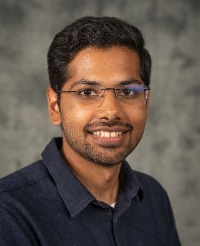
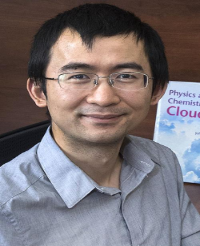
Akshat Dave Fan Yang
SBU, Computer Science BNL, Environmental Science
and Technology
Abstract: Single-photon lidars time individual returning photons, profiling clouds at 10 cm
vertical resolution, 100 to 1000 times finer than typical atmospheric lidars. Recently,
a single-photon counting lidar (T2) has been developed at Brookhaven National Laboratory
to conduct the remote-sensing measurement of the cloud-base droplet activation zone
at decimeter scales, and a single-photon counting lidar at an even higher range resolution
of about 1.2 cm has been developed to profile clouds in a convection chamber to resolve
the size-sorting zone near cloud top. But these profiling high-resolution lidars see
only a narrow cone directly overhead. A wide-field RGB camera is the natural complement:
it supplies the spatially dense scene context that the lidar beam structurally cannot.
This project will co-mount a wide-field RGB camera on the operational T2 lidar and
develop learned algorithms that stitch its repeated one-dimensional measurements into
a spatially-resolved cloud map and register the lidar waveform to the camera's two-dimensional
scene. The project will deliver a calibrated dual-sensor system, a pilot dataset spanning
diverse cloud conditions, and a working alignment pipeline. By pairing photon-level
range precision with wide-field scene context, this collaboration opens a new observational
window on the processes that govern how cloud droplets form, grow, and fall; processes
whose poor representation in climate models remains one of the largest sources of
uncertainty in climate projection.
Development of a Sc-44 distribution network for readiopharmaceutical applications

Edwin (Chuck) Pratt Wilson Lin
SBU, Radiology and Cancer Center BNL, Isotope Research and Production
Abstract: Scandium-44 (44Sc) is a positron prompt gamma emitting radionuclide (t1/2=3.97 h, beff=94%) with a theranostic counterpart Scandium-47 for beta minus therapy. 44Sc can be readily labeled into chelates with DOTA, with numerous radiopharmaceuticals
such as DOTATATE, PSMA-617, Pentixafor, and FAPI-46 leverage leveraging this chelator.
The majority of the radiopharmaceuticals use Gallium-68 (t1/2= 68 min, beff =89%) for radiolabeling these radiopharmaceuticals but the 68 minute half-life prevents
imaging these radiopharmaceuticals practically past 3 hours. Other positron radionuclides
available include Copper-64 (t1/2=12.7 h, beff= 17.6%), but require overnight shipping with minimum 2 half lives lost in transit.
One attractive solution to this goldilocks problem is the application of 44Sc via local production to enable imaging of the radiopharmaceutical within 12 hours
post injection. Furthermore, this time window for 44Sc is also favorable to image biodistribution of peptides as well as pretargeted agents
which the Houghton, Miao, and Pratt Labs are experienced with(1-3). Another ideal
feature of 44Sc is the presence of a prompt gamma with 100% emissions in coincidence with the positron(4).
This prompt positron emission allows multiplexed PET(4) when combined with another
traditional PET radiopharmaceutical to enable dual tracer imaging. 44Sc can be obtained through two potential routes including cyclotron bombardment of
a natural calcium target or through separation of 44Sc from the parent 44Ti(t1/2=60 y) via an ion exchange resin column(5, 6). Currently SBU does not have the solid
target capability for 44Sc production and thus will rely on 44Ti sourced 44Sc for pilot experiments. 44Sc serves as a facile radionuclide to augment what is readily available at Stony Brook
University, and provides a second “color” ideal for multiplexed PET imaging.
Brookhaven National Lab as part of the Brookhaven Liner Isotope Production (BLIP) program has invested beam time into generation of 44Ti but there is no commercially available generator based on this supply. BNL members are actively working to identify best practices for extraction of 44Sc from 44Ti in a robust method that prevents any 44Ti breakthrough. This proposal aims to develop a network between BNL and SBU to allow 44Ti sourced 44Sc to be used by investigators at Stony Brook and others on Long Island and NYC to establish fit for purpose radiochemistry using 44Sc, develop new 44Sc based imaging agents, and advance multiplexed PET utility.
Stony Brook University investigators interested in using 44Sc include Jacob Houghton, Yubin Miao, and Edwin Pratt. The Houghton lab specializes in the development of new pretargeting ligands using cucurbituril-adamantane host-guest (1) chemistry, focusing on theranostic pairs 203Pb/212Pb for imaging and therapy. The Houghton lab is interested in exploring new theranostic pairs including 44Sc/47Sc with their host guest system and have already synthesized DOTA conjugates that would be amenable for test labeling of 44Sc under a wide array of specific activities. Similarly, the Miao lab specializes in peptide based radiopharmaceutical targeting the melanocortin-1 receptor. The Miao lab is interested in using 44Sc as local PET radionuclide supply for PET imaging as a theranostic pair with 212Pb and has peptide conjugates also readily available for radiolabeling of 44Sc. The half life of 44Sc is well paired with alpha-MSH radiopharmaceutical biodistribution, and has a specific activity requirement for consistency. The Pratt lab specializes in the development of new radiopharmaceuticals around Trop-2 as well as uPAR targets and is interested in furthering development of pretargeted imaging and therapy solutions. In addition the Pratt lab is a pioneer in multiplexed PET imaging, of which 44Sc is a near perfect radionuclide for multiplexed imaging. Other labs within the Stony Brook University community develop new PET based imaging agents and would be additional stakeholders for this supply and more broadly, users at Cold Spring harbor Research Laboratory and other institutions in NYC would benefit from the development of this network.
AI-Driven Embodiment Design for Autonomous Scientific Laboratories

Anurag Purwar Mohammad
Atif
SBU, Mechanical Engineering BNL, Computational Science
Dept
Abstract: This project will develop an AI-driven framework for designing robotic systems for
autonomous scientific laboratories. Many advanced scientific facilities generate large
amounts of data, but important experimental tasks, such as sample transfer, positioning,
alignment, scanning, and tool exchange, still depend on manual intervention or fixed
automation systems. Standard industrial robots are often difficult to integrate into
crowded and highly specialized scientific environments. This project addresses that
challenge by using artificial intelligence to help design robotic mechanisms that
are specifically matched to the task and physical constraints of a laboratory.
Working in collaboration with Brookhaven National Laboratory, the research team will develop methods that translate scientific task requirements into candidate robotic designs. AI-based generative design tools will propose different robot configurations, while computer simulation will evaluate their performance, including motion accuracy, workspace coverage, collision avoidance, speed, simplicity, and ease of integration. The project will also explore how the robot’s physical design and its control strategy can be developed together rather than treated as separate problems.
The project will initially focus on representative laboratory automation tasks at Brookhaven and will produce reusable datasets, simulation environments, design tools, and benchmarks. The long-term goal is to enable scientific facilities to rapidly create and evaluate task-specific robotic systems as experimental needs change, helping advance more flexible, efficient, and autonomous laboratories. Other Contributing Personnel: Dr. Meifeng Lin, Distinguished Computational Scientist and Chair of the Computational Science Department at Brookhaven National Laboratory
AI-Enabled Edge Processing for Scientific Instrumentation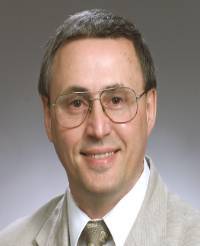

Stan Uryasev Prashansa Mukim
SBU, Applied Math and Statistics BNL, Instrumentation Dept.
Abstract: Modern scientific experiments in high-energy physics, nuclear physics, and photon
science generate data at unprecedented scale and increasingly require intelligent
processing close to the sensor. This project will develop AI-enabled edge-processing methods for scientific instrumentation, with the goal of embedding reliable, computationally efficient neural-network algorithms
directly into detector front-end electronics and other resource-constrained hardware.
The research will address a central challenge: how to achieve the benefits of AI under
stringent constraints on latency, power consumption, silicon area, and computational
resources while maintaining robust performance on real-world detector data.
The project will establish a methodological foundation for determining when AI provides meaningful advantages over conventional signal-processing techniques and how neural-network performance should be balanced against hardware constraints. The expected outcomes include comparative performance studies, new algorithms and training methodologies for scientific edge processing, a peer-reviewed publication, and a foundation for larger proposals funded by the US Department of Energy and other agencies. More broadly, the research will strengthen Stony Brook University and Brookhaven National Laboratory capabilities in AI-enabled scientific instrumentation.
Quantum-Enabled Time-Resolved Optical Dosimetry of Nanoliposome Chemophototherapy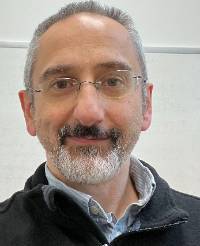
Ulas Sunar Mircea Cotlet
SBU, Biomedical Engineering BNL, CFN
Abstract: Photodynamic therapy and chemophototherapy use light to activate therapeutic agents,
trigger drug release, and generate singlet oxygen, a short-lived cytotoxic photochemical
species that contributes directly to tumor cell killing. However, singlet oxygen is
difficult to measure directly because its near-infrared luminescence at 1270 nm is
extremely weak in biological media. As a result, current treatment monitoring often
relies on indirect markers such as delivered light dose, photosensitizer fluorescence,
or photobleaching.
This SBU-BNL Seed Grant project will establish a quantum-enabled, time-resolved optical dosimetry framework for porphyrin-phospholipid nanoliposome chemophototherapy. The collaboration pairs Stony Brook expertise in biomedical optical imaging, light-triggered nanoliposome drug release, cancer spheroid models, and fluorescence lifetime analysis with Brookhaven National Laboratory expertise in time-resolved optical spectroscopy, photophysics, photon-counting detection, and weak-signal measurement. The project will integrate three complementary optical readouts: doxorubicin fluorescence as a marker of drug release, porphyrin fluorescence lifetime and photobleaching as markers of photosensitizer activation, and 1270 nm singlet oxygen luminescence as a direct photochemical dose metric.
The team will develop and validate photon-counting measurement strategies for detecting weak singlet oxygen signals during nanoliposome activation and will test the integrated dosimetry approach in cancer spheroid models. The resulting data will support future external proposals in biophotonics, quantum-enabled sensing, biomedical optical instrumentation, and image-guided cancer therapy monitoring.
Universal Scaling Behavior Originated from Fermi Surface Geometry and Topology in
Quantum Altermagnetic Metals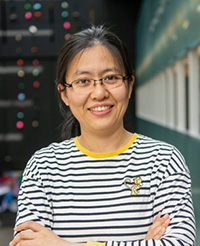
Han Ma
SBU, Physics and Astronomy
Qiang Li
BNL, Condensed Matter Physics and Material Science Division
A Phased-Array Bistatic Radar Network for Measuring Atmospheric Winds
Pavlos Kollias
SBU, SOMAS 
Benjamin Saliwanchik
BNL, Instrumentation Division
Abstract:
Bistatic radar systems differ from monostatic configurations in that the transmitter
and receiver are located at separate positions. This flexible geometry offers significant
advantages in both security and atmospheric sensing applications. By measuring signal
strength (scattering) and phase (Doppler) from different angles, bistatic systems
provide richer, more comprehensive insights into weather phenomena.
The Radar Science Group at Stony Brook University (SBU) has developed a bistatic radar
receiver designed to operate in conjunction with the SBU SKYLER-2 mobile X-band phased
array radar (PAR). The 2025 Seed Grant funding will support both the evaluation and
data analysis of this prototype passive radar node.
The technical validation of the system—particularly its time and phase synchronization
performance—will be led by the team at Brookhaven National Laboratory (BNL).
In addition, the funding will support the collection of bistatic radar observations
under two distinct atmospheric conditions: i) Clear-air environments and ii) severe
weather conditions. These observations have the potential to yield breakthrough insights
into horizontal and vertical wind estimation in both cloud-free and cloudy conditions.
Finally, initial hardware and software testing will be used by the BNL team for the
design and development of a more sophisticated, versatile, and accurate time/phase
synchronization system. This next-generation synchronization capability will be integrated
with a newly acquired metamaterials-based antenna radar system, further enhancing
the scientific capabilities of the SBU radar science group.
The funding will maintain the SBU radar science group at the forefront of technological
advantages in atmospheric remote sensing and the proposed atmospheric experiments
can lead to significant advantages in the measurements of winds. In addition, the
funding will allow the Instrumentation Department (IO) at BNL to demonstrate cost-efficient
methods for synchronizing arrays over km length scales, and this is expected to support
IO's efforts towards establishing expertise in the techniques of high-precision timing
measurements.
AI-FUSE: AI-enabled Fusion of Uneven Spatio-temporal Evidence

Hendrik Hamann
SBU, SOMAS
Katia Lamar
BNL, Environmental Science and Tech
Abstract:
Building on the latest advancements of Artificial Intelligence, particularly Foundation
Models, this project will develop a new technique to construct uniform 4D data cubes
from field measurements. AI-FUSE (AI-enabled Fusion of Uneven Spatio-temporal Evidence)
will address a very common challenge hampering (geo)science, which is that different
sensors have distinct advantages and limitations with some sensors collecting data
at high spatial resolutions while others have high temporal resolution. The resulting
data gaps and misalignment in the time stamp of the measurements leave gaps in our
understanding of the geosciences and limit our ability to use AI for deeper analysis.
AI-FUSE will advance existing approach by (i) filling in missing data in space, (ii)
converting one sensing modality into another, and (iii) harmonizing data across asynchronous
timestamps.
To demonstrate its scientific value, AI-FUSE is envisioned to be applied to air temperature
measurements collected by a multi-sensor network in the Encanto neighborhood of Phoenix
during the U.S. Department of Energy’s Southwest Urban Integrated Field Laboratory
(SWIFL) field experiment. The 4D air temperature cube derived by AI-FUSE is expected
to reveal new insights into land surface–atmosphere interactions in cities during
extreme heat events. A particular focus will be on quantifying the localized cooling
benefits of urban parks. These insights will support more effective planning and investment
in infrastructure, while also informing energy demand management in one of the hottest
urban regions in the U.S.
2513 Mendez-Mendez and Yu
Jorge Mendez
SBU, Electrical and Computer Engin
Xi Yu
BNL, Computing and Data Center
Abstract:
The project "Continual Learning of Agentic AI for Scientific Applications" aims to
transform how artificial intelligence (AI) supports scientific discovery by developing
adaptive, self-improving AI agents. Current AI systems for science are largely static:
they rely on fixed tools and workflows that cannot evolve as new data or challenges
emerge. This limitation hinders their ability to generalize to complex and changing
scientific tasks.
This seed project will design an AI agent that learns from its own experiences—much
like a junior scientist refining their skills over time. The research will integrate
specialized and general-purpose computational tools within a modular framework, enabling
the agent to select, combine, and update methods dynamically. Key innovations include
(1) self-evaluation mechanisms that allow the agent to assess its own performance
without ground-truth labels, (2) advanced in-context learning strategies that refine
decision-making by drawing on prior successes and failures, and (3) continual learning
techniques that allow individual tools to improve with limited data.
The team will demonstrate these advances through applications such as segmenting cell
organelles in electron microscopy images, a challenging task requiring coordination
of diverse models and methods. By creating agents that continually adapt and improve,
this project lays the foundation for AI systems that act as long-term collaborators
in scientific research.
Over its 18-month duration, the project will produce proof-of-concept results to position
the investigators for larger-scale federal funding. Ultimately, this research aims
to establish a new generation of self-improving AI agents capable of accelerating
discovery across scientific domains.
2514 Ringer and Szafron
Felix Ringer
SBU, Physics and Astronomy
Robert Szafron
BNL, Physics Department
Abstract:
The Electron-Ion Collider (EIC), currently under construction at Brookhaven National
Laboratory, will be the flagship U.S.-based collider facility, delivering unprecedented
high-statistics datasets. In addition to its research program in nuclear physics,
the EIC’s high luminosity, beam polarization, and precision make it a compelling discovery
machine for physics beyond the Standard Model. In particular, it can probe a unique
parameter space of light, weakly coupled particles motivated by various dark matter
models. Such scenarios may be inaccessible to searches at other collider facilities,
such as the Large Hadron Collider (LHC) at CERN, making the EIC an important bridge
between nuclear and high-energy physics. Conventional search strategies, which rely
on specific model hypotheses and predefined observables, are generally not optimized
to identify anomalous events when signals are weak or exhibit exotic signatures. These
limitations motivate the development of artificial intelligence (AI)-driven methods
that exploit full event-by-event information to unlock the EIC’s discovery potential.
Within this research program, we will develop modern AI techniques for model-independent
searches, establish benchmark datasets, and provide tools to guide future theoretical
and experimental developments.

Fang Luo
SBU, Electrical and Computer Engin

Soumyajit Mandal
BNL, Instrumentation Division
Abstract:
This project will conduct a systematic study of power conversion circuit design and packaging for extreme environments, especially under cryogenic temperatures and high radiation environments. The proposed power converters will address fundamental issues in Microelectronics for extreme environments to target multiple applications in Quantum Computing, Nuclear and High Energy Physics, Artificial Intelligence Science, and Accelerator Science. Accordingly, the team will investigate and compare different power conversion topologies, packaging materials, and structures, and demonstrate the integration of these technologies in high-density cryo-cooled and radiation-hardened power-of-load (POL) converters. Two exemplary applications will be pursued during the project period. The first addresses the demand for high step-down (48-1V) high-current power conversion in AI/quantum computing applications. To address this need, the team proposes 2.5D integrated multi-phase cryo-cooled POL gallium nitride (GaN) converters with embedded magnetic substrates that down-convert from 48 V to 1 V at load levels up to 100 A with power efficiency > 95%. Such cryo-POL converters operate at cryogenic temperature and can be co-located with quantum computing chips and/or superconducting CPUs, thus significantly reducing power transmission losses and heat loss due to cables and feedthroughs. The second application addresses the demand for improved monitoring and quench detection of superconducting magnets, which are a critical enabler for nuclear and high energy physics using particle accelerators [Marchevsky2021]. To address this need, the team proposes in-magnet quench detection electronics powered by isolated low-power (~100 mW) GaN POL converters that can operate down to 4K. Common challenges for both applications include cryogenic POL packaging, power architecture/topology development for cryogenic power conversion, and integration. The team will also study radiation-hardening methods for the design and packaging to ensure that the proposed Cryo-POL power converters can operate safely in the high-radiation environments associated with particle accelerators.
Van-der-Waals ThermoTiles: Tunable 2-D Thermoelectrics for On-Chip Hot-Spot Cooling and Heat Harvesting in Advanced CMOS
Xu Du
SBU, Physics and Astronomy
Mohamed Boukhicha
BNL, Instrumentation Division
Abstract:
Ever-denser CMOS logic and 3-D chip stacks routinely generate sub-millimeter hot spots
that rise >30 C in microseconds. Conventional airflow or even rack-level liquid loops
can remove average power, but they cannot quench the sub-millisecond heat spikes that
throttle AI tensor cores. We propose to create Van-der-Waals ThermoTiles: atomically
thin, electrostatic-tunable thermoelectric (TE) laminates that sit directly beneath
logic layers, actively pump heat out during computing bursts (Peltier mode) and ideally
scavenge residual heat during idle (generator mode). Our proposed work is based on
the hypothesis that thermoelectric 2-D topological-insulator materials (Bi₂Se₃/Sb₂Te₃),
stacked into hexagonal Boron Nitride (hBN) and Fermi-level-matched with electrostatic
gating, can attain a room-temperature figure of merit ZT ≥ 1. Coupled with ultralow
(<10⁻⁷ Ω cm²) Cr/Au contacts, such materials will deliver a coefficient-of-performance
(COP) >2 for hot-spot shaving and to harvest tens of µW mm⁻² during idle mode, enough
to power on-die sensors autonomously. The proposed research activities include: 1)
Thickness-dependent benchmarking of h-BN / Bi₂Se₃ / h-BN heterostructures; 2) electrostatic
carrier tuning to exceed ZT > 1; 3) developing gate-tunable p-n micro-Peltier leg
for hotspot cooling. By combining topological-insulator physics with robust device
engineering, this work will position our labs at the forefront of materials-driven
thermal management and open new avenues for energy-efficient, high-power microelectronics.
Such development will allow future funding applications to various federal grants.
2540 Djuric and Minkoff
Petar Djuric
SBU, Electrical and Computer Engin
Susan Minkoff
BNL, Applied Mathematics
Abstract:
The goal of this seed proposal is to establish a unified probabilistic framework for
autonomous systems (robots) that must perceive and act reliably in uncertain, dynamic
environments. The work addresses two tightly linked challenges. First, we will integrate
vision, tactile, and language-based inputs and estimate uncertainty in each modality.
This will enable the system to identify when information is unreliable. Second, we
will develop models that use these uncertainty estimates to guide action selection,
both to accomplish tasks and to acquire better information through active perception.
This approach will allow the robot to reduce ambiguity through interaction rather
than accept flawed inputs passively. We will develop probabilistic methods to fuse
information across vision, tactile sensing, and natural language in settings with
sparse, occluded, or inconsistent observations. Such fusion is difficult when inputs
arrive asynchronously, contain noise, or lack completeness, conditions common in real-world
robotics. We will also develop algorithms for task-level control and motion planning
that adapt to uncertainty in perception and dynamics so that downstream actions incorporate
confidence estimates to avoid failure. Many motion-planning methods assume a known
state and deterministic observations, though recent work accounts for uncertainty.
Our approach will operate in a belief-space framework that integrates posterior distributions
and will enable the robot to select actions that maximize task-relevant information
gain, reduce uncertainty, and preserve safety margins. Contributing personnel: Fernando
Llorente, BNL.

Peter Milder
SBU, Electrical and Computer Engineering
Dmytro Nykpanchuk
BNL, CFN
Abstract:
There is increasing reliance on artificial intelligence (AI) hardware in critical applications such as military, space, and nuclear environments. Such extreme environments are prone to damage from radiation, which significantly affects the reliability of the electronics. Traditional radiation analysis and test methods have evaluated the impact of radiation on data and transistor characteristics. These methods are not sufficient for emerging AI hardware where system-level inference accuracy is typically the most important objective. The specialized cross-layer expertise in AI hardware at SBU, coupled with the expertise on radiation effects and advanced testing facilities available at BNL, creates a unique opportunity. We plan to obtain experimental data via the NASA Space Radiation Laboratory (NSRL) at BNL. NSRL is a unique facility that simulates the high energy cosmic rays found in space by extracting beams of heavy ions from the AGS Booster Synchrotron.
The goal of this research is to adopt a top-down approach in evaluating the impact of radiation on AI hardware. The proposed approach will investigate radiation effects on FPGA-based AI architectures executing application tasks in real time. We will target single event effects such as single event upsets that cause bit-flips on stored data and single event transients that cause current spikes during signal propagation throughout the chip, and longer term effects such as total ionizing dose that affect the characteristics of the transistors such as threshold voltage. Although extensive research has been conducted to understand the impacts of radiation on materials, devices, and low complexity circuits, it is highly challenging to connect these effects directly to the inference accuracy of AI applications that are executing on highly complex architectures. In this research, we will target this challenge by leveraging our previous work on fault tolerant AI hardware, modeling, and the experimental data we will obtain through NSRL at BNL.
Interactive Visualization for Autonomous X-ray Scattering Experimentation
Klaus Mueller
SBU, Computer Science
Kevin Yager
BNL, Center for Functional Nanomaterials (CFN)
Abstract:
An emerging paradigm in experimental science leverages AI and machine learning not just for data analysis but to fully automate the entire experimental process, known as Autonomous Experimentation (AE). AE automates all steps – from sample preparation and measurement to data analysis and decision-making for subsequent experiments. This research project addresses the specific needs of autonomous X-ray scattering experiments. A crucial element of AE is the decision-making algorithm which can be considered an optimization problem within a multi-dimensional parameter space.
By enabling an efficient approach to conducting experiments, AE promotes a more interactive and interventional scientific discovery process through a scientist-in-the-loop approach. This approach necessitates visual tools that allow scientists to quickly and accurately interpret imaging outcomes in the context of the underlying physics. Yet, the task is complicated by the multi-valued, high-dimensional nature of the scatter images. Current visualization techniques are insufficient for this purpose as they tend to strip away the physical semantics that is central to the imaging analysis.
In this research we will develop novel visualization tools designed to enhance the
interpretability of high-dimensional data generated during AE processes. Specifically,
we will develop a Multivariate Transfer function Editor (MTE) that combines spatial
and information visualization techniques, allowing scientists to map complex data
into intuitive, colorized displays. This integration will provide a holistic view
of experimental outcomes, enabling researchers to interactively explore and refine
their models in real-time. By coupling advanced AE systems with these visualization
tools, our approach not only accelerates the discovery process but also empowers scientists
to tackle more intricate scientific challenges, bridging the gap between automated
experimentation and human expertise.
Integrated Large-Area Photodetectors and Field Cage for New Physics Detection in Time
Projection Chambers
Ciro Riccio
SBU, Physics and Astronomy
Bo Yu
BNL, Physics
Abstract:
The proposed R&D is taking place in the context of the second phase of the next-generation
US-based leading-edge international experiment for neutrino science the Deep Underground
Neutrino Experiment (DUNE). DUNE will consist of two neutrino detector complexes placed
in the world’s most intense neutrino beam. One detector will record particle interactions
near the source of the beam, at the Fermi National Accelerator Laboratory (FNAL) in
Batavia, Illinois. A second, much larger, set of detectors will be installed more
than a kilometer underground at the Sanford Underground Research Facility (SURF) in
Lead, South Dakota, 1,300 kilometers downstream of the source. In its first phase,
two 17 kton Liquid Argon Time Projection Chamber (LArTPC) will be installed at SURF,
while other two detectors will be added for its second phase. These detectors will
be an extremely critical component to achieve the primary physics goal of the experiment
as well as expand its capabilities beyond the first phase. One of them is planned
to be another 17 kton LArTPC equipped with a more capable and higher-coverage photon
detection system. Particles passing through Liquid Argon (LAr) ionize and excite it,
and scintillation light of 128 nm is produced. This light must be shifted to a larger
wavelength wavelength to fall within the sensitive region of commercial Silicon Photomultipliers
(SiPM). To achieve larger photon detection coverage compared to the first phase, a
lighter, more compact, and cheaper photon detector needs to be implemented. This R&D
activity will investigate the possibility of building such a detector as well as a
new design for the LArTPC that integrates it.
A Simulation Testbed for Hop-by-Hop Quantum-Classical Hybrid Networks with Integration
of Quantum Federated Learning
Nengkun Yu
SBU, Computer Science
Aruna Balasubramanian
SBU, Computer Science
Huan-Hsin Tseng
BNL, Computational Science Iniative
Abstract:
Quantum networks are essential for the secure, global deployment of quantum computing,
enabling collaboration among quantum computers through entanglement-based qubit teleportation.
This project aims to develop a simulation testbed for hop-by-hop quantum-classical
hybrid networks that seamlessly integrates quantum and classical technologies within
network architectures. One of the key use cases for the testbed will be the implementation
of quantum federated learning. The resulting software platform will also allow other
researchers to evaluate their quantum network designs and quantum applications.
Rapid Forcasting of Storm Surge with Physics-Guided and Data-Driven Machine Learning
Models
Wei Zhu
SBU, Applied Math and Statistics
Wuyin Lin
BNL, Environmental Climate Sciences Department
Abstract:
Storm surgeis an abnormal rise of water above the astronomical tide, usually generated
by a storm such as a hurricane or typhoon. Accurate and timely storm surge forecasting
is crucial to coastal communities especially given the ongoing climate change which
is projected to cause increasingly more frequent and violent hurricanes with higher
and wider storm surges – further exasperated by an increasing sea level – due to global
warming and glacier melting. The current gold-standard in storm surge forecasting
is a physics-based model entitled the Advanced Circulation (ADCIRC) model. ADCIRC
is considered the most accurate physics-based model to date, however, even with several
parallel computing versions developed via supercomputer and MPI, running a high resolution
ADCIRC with a limited computation resource is still too time consuming to deploy in
real-time. Instead, another less sophisticated and generally less accurate physics-based
model, the Sea, Lake, and Overland Surges from Hurricanes (SLOSH) model, is adopted
as the operational model by the National Hurricane Center (NHC) because of its computational
efficiency. In this work, we propose to develop a hybrid modeling approach integrating
machine learning (ML) methods, historic hurricane data, and the physics based ADCIRC
model. With the guidance of high-resolution ADCIRC data in the ML model training phase
and low-resolution ADCIRC data in the ML online deployment phase, the hybrid model
can perform a series of simulations with different boundaries and initial conditions
in training, thus learning the underlying physical laws and extrapolate the results
in training and in real-time deployment. Additionally, this hybrid model can incorporate
additional variables that are ignored by the physics models and implicitly learn the
fundamental principles perhaps overlooked by the state-of-the-art physics models.
Other team members: Dr. Zhenhua Liu, SBU Applied Mathematics and Statistics and Computer
Science; Dr. Minghua Zhang, SBU School of Marine and Atmospheric Sciences; Dr. Tao
Zhang, BNL Environmental and Climate Sciences.
COMING SOON Synchronized Atomic Systems for Quantum Networking
Eden Figueroa
SBU, Physics and Astronomy
Julian Martinez-Rincon
BNL, Instrumentation Division
Abstract:
COMING SOON

Christian Aponte-Rivera
SBU, Chemistry
Dmytro Nykpanchuk
BNL, CFN
Abstract:
Prion diseases are transmissible, neurodegenerative diseases associated with the aggregation of intrinsically disordered proteins (IDPs), i.e., proteins that behave like flexible polymers in their healthy state. Strategic preparedness to such diseases thus requires fundamental advances that provide insight on how sequence determined molecular interactions control the thermodynamic and structural properties of IDPs. The IDP tau protein, associated with Alzheimer’s disease and other tauopathies, undergoes prion like aggregation, and recent studies highlight the importance of electrostatic interactions in such processes. However, how intermolecular interactions determine whether tau protein aggregates or remains in its healthy state is not well understood. A significant roadblock in understanding these processes is that a self-consistent model of tau protein connecting sequence defined molecular interactions to thermodynamic properties has not been developed. Such a model would be an important tool to predict tau protein properties and guide the development of drug treatments and diagnostic tools.
In this proposal, we aim to develop a self-consistent model of tau protein electrostatic interactions at biologically relevant pH and salt concentrations. This will be accomplished through a combination of scattering experiments, coarse-grained molecular dynamic simulations, and scaling theory. The combined approach will result in a predictive model determining the role of electrostatic interactions on tau protein polymeric structure at physiological conditions. Furthermore, the work will be an important step towards developing a model that accounts for the different intramolecular interactions determining the properties of tau protein.
Hybrid Quantum Algorithm for Parabolic and Elliptic Partial Differential Equations in Electrophysiology
Hyun-Kyung Lim
SBU, Appled Math and Statistice

Kwangmin Yu
BNL, Computational Science Initiative
Abstract:
In the past few years, companies such as Google, IBM, IonQ, Quantinuum, and Rigetti have achieved remarkable advancements in the development of quantum computers. A number of companies have now launched quantum computers with around 50 qubits, with IBM leading the way with a 433-qubit quantum computer - the largest number of qubits currently available. Despite the fact that the accuracy of quantum computers is dependent on the implementation technique of the Noisy-Intermediate Scale Quantum (NISQ) hardware, such as superconducting or trapped ion, regardless of their architecture, they are prone to various noises, errors, and decoherence. Contemporary quantum devices are restricted in their ability to produce dependable results for practical computing problems. Despite vendors releasing more advanced quantum computers with higher Quantum Volume, which is a means of quantifying a quantum device’s computational power, these devices are still a long way from achieving quantum supremacy for practical problems. Moreover, the attainment of fault-tolerant quantum computers is currently unfeasible and may remain for several decades. Consequently, it is imperative to maximize the utilization of NISQ devices to gain a quantum advantage on such devices. To optimize the utilization of NISQ devices, various methods have been proposed. Variational Quantum Algorithms (VQAs), including Quantum Approximate Optimization Algorithm (QAOA), Variation Quantum Eigensolver (VQE), and Quantum Neural Networks, have gained significant attention as potential approaches to achieve quantum advantage on Noisy Intermediate-Scale Quantum (NISQ) devices. Therefore, we propose to develop a variation and quantum-classical hybrid algorithm on NISQ devices to solve the partial differential equations in electrophysiology, representing the cardiac tissue as overlapping intracellular and extracellular domains, as is needed in defibrillation modeling.
Analysis of Francisella Tularenis Membrane-Derived Structures and Host-Pathogen Interactions Using Cryo-Electron Tomography

David Thanassi
SBU, Microbiology and Immunology
Liguo Wang
BNL, Lab for BioMolecular Structure, NSLS II
Abstract:
Francisella tularensis is an intracellular bacterial pathogen that causes the zoonotic disease tularemia. F. tularensis is highly virulent and easily transmitted to humans when aerosolized. Inhalation of even small doses of bacteria results in a severe pneumonia with high rates of morbidity and mortality. The molecular basis for the high infectivity, virulence, and intracellular pathogenesis of F. tularensis is not well understood. To interfere with host immune responses, intracellular bacteria typically secrete virulence factors that target host pathways. However, secretion systems and effector proteins used by F. tularensis to modulate host responses are poorly understood. To address this gap in knowledge, we have characterized the production of novel tubular structures by Francisella as potential systems for interaction with host cells and delivery of virulence factors. Based on our published and preliminary findings, we hypothesize that F. tularensis responds to specific signals during host cell infection to upregulate tube production, using a novel cytoplasmic machinery that creates extensions of both the bacterial inner and outer membranes, and that these tubes interact with the host to facilitate pathogenesis. To address this hypothesis, we will pursue two Specific Aims: (1) Characterize the molecular and structural basis for tube production by Francisella; and (2) Analyze tube production during Francisella infection of macrophages. The Francisella tubes are distinct from previously reported bacterial structures and their presence suggests a novel mechanism by which F. tularensis interacts with its environment. The proposed studies will employ cryo-electron tomography as a major focus to reveal the molecular and structural basis for regulated tube production by Francisella. These studies will advance fundamental knowledge of microbial physiology and microbial pathogenesis, reveal strategies by which intracellular pathogens interact with the host to cause disease, and provide a basis for improved medical countermeasures against tularemia.
Self-Healing Wireline Transceivers with Embedded Intelligence for Extreme Environments
Emre Salman
SBU, Electrical and Compuiter Engineering Nicholas St. John

Nicholas St. John
BNL, Instrumentation
Abstract:
Custom application specific integrated circuits (ASICs) play an important role in readout systems within high-energy physics experiments. These ASICs should have high performance and efficiency, while operating in harsh environments such as high radiation and cryogenic temperatures. In existing work, the reliability of these ASICs is enhanced by adding redundancy to critical circuit blocks and/or relying on worst-case design methodology. These existing approaches are not only time consuming to implement, but also introduce significant area and power overhead. In this work, we propose incorporating embedded machine learning (ML) capabilities within one of these ASICs to autonomously boost performance in an energy-efficient manner. Specifically, our work will involve the study and implementation of embedded ML functionality within a full-duplex wired transceiver ASIC. The proposed ASIC will autonomously optimize the efficiency of the wired data link, while also detecting anomalies caused by extreme environmental conditions. When an anomaly is detected, the ASIC will correct errors without relying on traditional techniques such as redundancy and worst-case design methodology.
AI-Enabled Sparse Data Acquisition, Compression and Federated Processing

Xin Wang
SBU, Electrical and Computer Engineering
Ai Kagawa
BNL, Computational Science Initiative
Abstract:
Today, there is a large amount of big data available for analysis. Especially, the data volume produced by large-scale scientific instruments (e.g., BNL’s scientific instruments, National Synchrotron Light Source II (NSLS-II) and sPHENIX detector) is often of substantial size. The big amount of data poses great challenges for storage, transmissions and analysis. Moreover, with the advancement of mobile networks, there is a growing potential to collect data remotely and analyze data using edge computing devices. The wireless devices are often lightweight, operate on limited battery power, and need to run cost effectively. A device, such as an Unmanned Aerial System (UAS) or a drone, can serve as an edge computing device, but is constrained by the energy and transmission bandwidth. Consequently, wireless connected devices need to be lightweight in computation, and operate power and bandwidth efficiently in data acquisition and transmission. Making significant advancements in data compression algorithms is crucial to optimize real-time, high-volume 3D image analysis at the edge. The advancement from this work will greatly enhance both data analysis and data communication processes, resulting in improved performance and efficiency for edge computing.
Diamond-Based Quantum Sensing for High Energy Physics Applications

Cyrus Dreyer
SBU, Physics and Astronomy

Joanna Zajac
BNL, Instrumentation Division
Abstract:
This project deals with the development of solid-state detectors for applications in high energy physics, mainly, for nuclear recoil registration and directional information detection systems. Here, our aim is to make proof-of- principle demonstration of directional detection using defect center-based quantum sensing in diamond. This will consist of three steps; firstly, we develop a quantitative model for events registration based on properties of defect centers. This will involve first-principles calculations based on density-functional theory (DFT) to quantitatively determine the effects of nearby displaced nuclei on the properties of defect-centers. We will then prepare diamond samples by irradiation with high energy neutrons (MeV) sources. Finally, we will use confocal microscopy for fluorescent nuclear track detection (FNTD)-type experiments to reconstruct 3-dimension maps of neutron damages.
Proton FLASH Therapy Targeting for Deep-Seated Tumors

Samuel Ryu
SBU, Radiation Oncology
Dejan Trbojevic
BNL, Collider Accelorator Dept.
Abstract:
We propose to develop proton FLASH radiation therapy by using spread-out Bragg peak of proton beam for deep-seated tumors. This will bring therapeutic gain by differential enhancement of tumor control while preserving normal tissue. This study is in collaboration with the Department of Radiation Oncology in Stony Brook University (SBU) where the expertise in the focused radiosurgery is being performed clinically, and the Collider Accelerator Department from Brookhaven National Laboratory (BNL) with expertise of designing and constructing the compact magnet synchrotron to accelerate protons enough to make spread-out Bragg peak FLASH beam.
Proton therapy has been used for cancer therapy owing to the physical property, known as sharp Bragg peak phenomenon, which has near zero exit dose past the target tumor. However, biological effectiveness of proton therapy is generally similar to photon therapy. More recent evidence suggests that radiation delivery by ultra-high dose-rate ³40 Gy/second, thus called FLASH, improved tumor control with almost no toxicity to the normal tissue compared to the conventional photon or proton therapy of 1-2 Gy/min. The photon beams such as x-rays or g-rays are not able to produce FLASH beams. Technical progress with innovative permanent magnet accelerator technology made the Bragg Peak FLASH proton therapy possible. This innovative magnet technology allows protons to be accelerated on a faster cycle to give rapid energy scanning, in which the beam energy can be changed within in few msec. This allows FLASH protons to be delivered to the desired depth. It is not achievable in superconducting cyclotrons or conventional synchrotrons. The study objectives are 1) to design the permanent magnet beam lines and dynamical aperture study of the proton fast-cycling synchrotron, and 2) to test feasibility of proton FLASH therapy in human phantom and to establish the logistics of proton FLASH therapy by demonstrating the differential 3-dimentional Bragg peak FLASH dose distribution and absorbed dose between tumors and the adjacent critical normal tissue. We will use models of spine tumors with spinal cord, and pancreatic cancer as a prototype of deep-seated tumor.
Seeding a Muon Collider for the Future

Patrick Meade
SBU, Yang Institute
Scott Berg
BNL, EIC
Abstract:
This seed grant will help solidify the connection between SBU and BNL for efforts in a potential muon collider, which was recognized by the US High Energy Physics community during the Snowmass process as one of the most promising routes for the field. Such a collider would represent a paradigm shift for the HEP community and requires significant investment and R&D to come to fruition. It is anticipated that the P5 report of the Department of Energy that will come out this year will recognize this and open future funding opportunities that this seed grant enables. Patrick Meade has helped lead theory based efforts for muon colliders in the past years and Scott Berg is an expert in muon collider accelerator physics. While muon collider R&D efforts have existed in the past, there is now a clear goal of realizing a 10+ TeV muon collider which does not have a full reference design as of yet. Furthermore there are unique challenges if such a collider is built in the US, which would naturally have to integrate into the Fermilab campus. This seed grant will fund a student mostly working on the accelerator side for designing a potential muon collider. The student primarily will work on developing a lattice for acceleration in a hybrid pulsed synchrotron that would fit within the Fermilab site boundaries. This is a goal more specific to future US funding opportunities as a CERN based IMCC design has different geographical restrictions. The student will also begin dynamic aperture studies for solenoid-based ionization cooling lattices. The progress enabled by this seed grant will hopefully enable BNL/SBU to be very competitive in anticipated funding opportunities.

Juergen Thieme
BNL, Photon Sciences/Geosciences Frouin
Marine Frouin
SBU, Geosciences
Abstract:
Optically Stimulated Luminescence (OSL) is one of the most widely used dating techniques in geology, environmental sciences, and archeology, as it applies to almost any type of sediment. The method is based on the influence of low-level radioactivity in sediments and its measurable effects on mineral grains. OSL provides an absolute age for the time when mineral grains, such as quartz and potassium (K-) rich feldspar, were last exposed to daylight.
Over the last eight years, our group has developed a revolutionary new luminescence-based dating method known as infrared-radiofluorescence (IR-RF), using K-feldspar minerals to determine the age of sediments. The method has a potential upper age limit beyond one million years, thereby filling the time gaps left by other dating techniques. However, uncertainty surrounding its upper age limit remains and further studies on known-age natural samples are required to assess whether the sample or grain geochemistry can affect the dating result.
In this proposal, we aim to (1) examine the physical origin of the IR-RF emission and (2) assess to what extent the grain geochemistry and crystallography may influence the upper age limit of this dating method. We propose to examine individual K-feldspar grains using μ-XRF and μ-XANES at the SRX beamline as well as XRD at the XPD beamline. Measurements at such a high resolution will lead us to propose a new conceptual model of luminescence production and kinetics in feldspar minerals. This will allow us to develop next-generation instrumentation in our luminescence laboratory and to select appropriate filters for the stimulation and detection of IR-RF signals, thus significantly improving our ability to achieve more accurate and reliable dates. The proposed experiment is part of a larger project seeking to improve the chronology of human evolution by applying this novel dating technique to key archeological sites in Africa.
Bridging Cell and Structural Biology Using in Situ CryoET

Miguel Garcia-Diaz
SBU, Pharmacological Studies
Guobin Hu
BNL, Biomolecular Structure / Photon Sciences
Abstract:
This application seeks to establish a sample preparation facility to permit the plunge freezing of cultured eukaryotic cells, the development of pipelines for data collection and analysis and the application of in situ cryo-electron tomography (CryoET) to the study of mitochondrial biogenesis, bridging the resolution gap between Cell and Structural Biology. Mitochondrial dysfunction is a hallmark of aging, and results in respiratory defects that are associated
with many mitochondrial disease, neurodegenerative disorders, diabetes, and cancer. Mitochondrial biogenesis is responsible for mitochondrial renewal, and its modulation has promise as a therapeutic strategy. However, most of our knowledge about the process derives from reductionist in vitro approaches. CryoET can overcome many current experimental limitations. We propose to
apply this approach to three questions in mitochondrial biogenesis: assembly of the mitoribosome, mitochondrial division by budding, and the regulation of transcription elongation.
LAPPDs for TOF PET: A Breakthrough in Ultra-High Sensitivity Positron Emission Tomography Using Fast Affordable Micro-Channel Plate Photomultipliers

Amir Goldan
SBU, Radiology
Alexander Kiselev
BNL, Physics
Abstract:
We propose to use 2D pixelated capacitively coupled Large Area Picosecond Photon Detectors (LAPPDs) manufactured by Incom Inc. as a photosensor in Time of Flight Positron Emission Tomography (TOF PET). These novel photon detectors allow custom pixellation using inexpensive external readout boards, and provide excellent single photon detection performance: timing resolution on the level of σ ∼ 30 ps, and spatial resolution on the level of σ ∼ 500 μm for 3 mm pixels. A third spatial coordinate, the so-called Depth of interaction (DOI) inside of the LYSO crystal matrix, will be precisely measured by detecting abundant scintillating photons in a time window of several dozens of nanoseconds on both ends of the LYSO crystals, and comparing their amplitudes after attenuation caused by multiple reflections during optical photon propagation inside of the crystals.
The detector prototype will provide a remarkable combination of performance parameters critical for a high performance PET scanner design: (1) Coincidence Time Resolution (CTR) between the two γ’s on the level of 75-100 ps, dominated by the light collection efficiency of the crystal array, (2) 2D spatial resolution of σ ∼ 300 μm driven by the individual LYSO crystal width, (3) DOI resolution on the level of σ ∼ 2-3 mm, determined by the optical photon attenuation in the crystals, (4) energy resolution of 12-15% typical for this type of LYSO matrix assemblies. The success of this project will be a breakthrough in the TOF PET technology, where reaching CTR level of 100 ps or better is critical for noise suppression in image reconstruction procedure. The Stony Brook group has substantial expertise in building custom PET scanner equipment and is leading the design of a Prism-PET concept within the medical community. Brookhaven Lab is leading the LAPPD pixelization effort for their use in Nuclear and High Energy Physics detector designs.
Toward Improving Adversarial Robustness of Deep Learning Models from the Geometric View
David Xianfeng Gu
SBU, Computer Science
Yuewei Lin
BNL, Computational Science Initiative
Abstract:
This project aims at improving the adversarial robustness of the current AI systems by using the geometric view. While deep learning models have shown impressive performance in many tasks, they are fragile to carefully designed adversarial attacks. To improve the capability of the deep learning model to defend the adversarial attacks, aka, adversarial robustness, we explore to understand the fundamental principles and dynamics of deep learning methodologies from the geometric point of view. Specifically, we study the boundaries of the supports and find the gaps among the clusters in the low dimensional manifold that the data samples are embedded on, and directly generate adversarial examples for training by sampling near the boundary and in the gap, and thus improving the model’s adversarial robustness.
A Novel Approach to Model Turbulent Aerosol-Cloud Interactions and the Implications for Climate Change Studies
Foluso Ladeinde
SBU, Mechanical Engineering
Yangang Liu
BNL, Environmental and Climate
Sciences Vanessa

Vanessa Lopez-Marrero
BNL, Computational Science Initiative
Abstract:
Understanding aerosol-cloud-interactions and adequately representing them in weather and climate models pose daunting challenges to atmospheric and computational sciences alike. A significant knowledge gap exists for the vital processes that occur at spatial scales smaller than the typical grid sizes of large eddy simulation (LES) model (e.g., 100 meters) in turbulent clouds, including, but not limited to, cloud and aerosol microphysics, turbulent entrainment-mixing between clouds and environmental air, and turbulence-cloud-aerosol interactions. These processes are either not represented at all or are represented rudimentarily in the major types of models, such as global climate models (GCMs), numerical weather prediction (NWP), and LES models. To address the challenges at the most fundamental level, we propose to develop a cross-cutting particle-based direct numerical simulation (DNS) model that resolves the smallest turbulent eddies in the cloud, tracks physical evolution of individual cloud and aerosol particles, and covers a domain comparable to LES grid size. Cloud and aerosol number densities and their particle size spectra are among the various parameters of the problem. The comparative effects of different sources of aerosol (for example, fossil fuels, biomass, vegetation) will also be investigated. The implications for weather and climate change will be investigated.
Exploration of FPGA's for Real-Time ML-Based Data Compression in sPHENIX
Peter Milder
SBU, Electrical and Computer Engineering
Yihui (Ray) Ren
BNL, Computational Science Initiative
Abstract:
This project will study the use of field-programmable gate arrays (FPGAs) to perform real-time compression on data from the sPHENIX Time Projection Chamber. Modern large-scale nuclear physics experiments in high-energy particle colliders use streaming-readout electronics to readout detector responses at O(10) Tbps bandwidth, producing data far too quickly to be stored in persistent storage for offline analysis. This necessitates real-time information-guided data compression. Recent work at BNL has used deep neural networks (DNNs) to compress data while preserving information relevant for particle detection. While this technique is promising, it requires a large number of expensive and power-hungry GPU hosts to run—approximately $1M in hardware and high power costs. Moreover, this approach requires complex data movement between the network, compute hosts, and GPUs, which adds latency and makes it challenging to accomplish in real time.
The goal of this project is to alleviate these challenges using FPGAs, which are able to ingest data directly from the network, perform the DNN computation on the data stream with minimal buffering, and then stream the resulting data back to the network or into storage. Recent work at Stony Brook has resulted in a framework for efficiently implementing DNNs on FPGAs. This project will (1) extend prior work to generate FPGA designs for DNN-based compression, (2) design streaming interfaces to allow the resulting computational cores to operate directly on data streamed from sPHENIX, and (3) study the acceleration of DNN-based denoising algorithms.
MBE Growth of Quantum Dots Emitting Near 1.3 µm for the Development of On-Demand Single Photon Emitters for Quantum Internet.
Leon Shterengas
SBU, Electrical and Computer Engineering
Joanna Zajac
BNL, Instrumentation Division
Abstract:
Quantum photonics promises to enable significant new capabilities: in communication - quantum key distribution and tamper-proof voting protocols; in metrology and imaging - resolution and precision better than allowed by the quantum noise limit; and in quantum simulation and computation. A significant roadblock to the progress of modern quantum photonics is the lack of highly efficient scalable sources which can produce light pulses with no more than one photon in a pure quantum state. One of the most promising approaches to the design of single-photon emitters is based on semiconductor quantum dots (QD). The goal of this proposal is to epitaxially grow the high quality nanostructures containing individual QDs emitting in telecom band. The proposed experimental efforts will target development of the bright quantum light emitters to support quantum network infrastructure in the framework of SBU-BNL Long Island Quantum Information Distribution Network (LIQuIDNet) project.
Cryo-Electron Tomography of Biological Specimens: Nanostructures of the Annulus, a Septin-Based Fibrous Ring, in Murine Spermatozoa
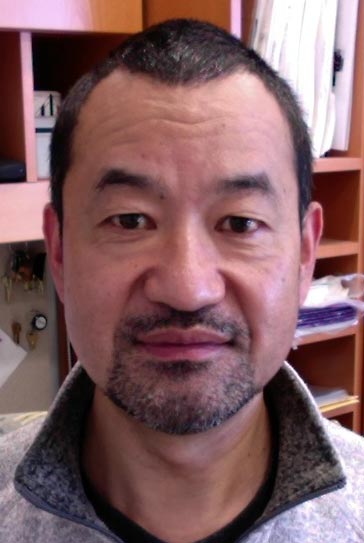
Ken-Ichi Takemaru
SBU, Pharmacology
Liguo Wang
BNL, Laboratory for Biomolecular
Structure/National Synchroton Light Source II
Abstract:
Cryo-electron microscopy (cryo-EM) revolutionized the field of structural biology. A major advantage of cryo-EM is that samples of a wide range of sizes are flash-frozen in a near physiological state for imaging. SBU/BNL are equipped with several cryo-electron microscopes, which have been used extensively to determine the structures of protein, DNA, and lipids at high resolution. On the other hand, cryo-EM can be adapted to solve 3D structures of biological specimens, including organelles, entire cells, and tissues using tomography (cryo-electron tomography or cryo-ET). However, at present, we have no such capability and expertise at our institutions, although immense interests do exist. This seed grant will support an interdisciplinary team effort between Dr. Takemaru at SBU (expert in ciliogenesis, spermatogenesis, and mammalian organogenesis) and Dr. Wang at the Laboratory for BioMolecular Structure (LBMS) at BNL (expert in membrane protein structures and cryo-EM) in determining in situ 3D structures of biological specimens using cryo-ET. For this proposal, we will focus on the annulus, a septin-based, membrane-bound small ring structure, of the murine sperm tail. The annulus is known to function as a structural support and a diffusion barrier and essential for male fertility. Upon successful completion of the proposal, we anticipate that researchers of SBU/BNL will be able to gain access to the cutting-edge technologies to solve the ultrastructures of biological specimens of their interest using cryo-ET, leading to discoveries as wells as more grant application opportunities.
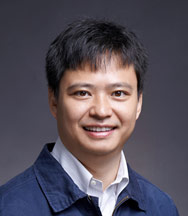
Haibin Ling
SBU, Computer Science
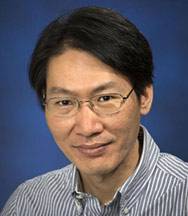
Qun Liu
BNL, Biology Department/NSLS-II
Abstract:
Cryogenic electron microscopy (cryo-EM) is a powerful technique for inferring the structures of biological molecules at near-atomic resolution. It waives the expensive procedure of crystallization and can capture molecules in their native states. A key step in cryo-EM analysis is to reconstruct 3D molecule structures from a huge amount of noisy 2D projection images extracted from multiple micrographs. Current solutions typically follow the Bayesian reconstruction pipeline with major components extended from traditional computer vision techniques. Despite great progresses achieved, 3D molecule structure reconstruction from cryo-EM images remains challenging due to the extremely noisy input and the structure complexity. Moreover, existing solutions focus mainly on homogeneous reconstruction, leaving the rich conformation information under-explored.
Addressing these challenges, the interdisciplinary team plans to develop a novel reliable and efficient heterogeneous cryo-EM reconstruction solution in two stages. In the first stage, the Bayesian reconstruction pipeline will be improved by upgrading some key components with deep neural network (DNN) modules, so as to improve the robustness of these components and lead to improved accuracy. In the second stage, the full DNN solution, named DeepCryo, will be developed such that all its components can be jointly learned/optimized in an end-to-end fashion. Moreover, DeepCryo will investigate multiple conformations from input cryo-EM images, and therefore be more efficient in terms of data utilization and more accurate in terms of reconstruction quality than previous homogeneous reconstruction systems.
Semantic Fusion and Visualization of Multi-Channel Multi-Modality Volume Data for Material Science Research
Klaus Mueller
SBU, Computer Science
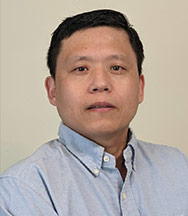
Xianghui Xiao
BNL, National Synchrotron Light Source II
Abstract:
There is now an urgent demand to boost battery performance (higher energy density, faster charging capability, longer lifetime, etc.) to benefit a great many of devices. Batteries are volumetric in structure and have various factors that interact at multiple scales. The morphological arrangement and specific chemical and crystalline properties of electrode particles all play significant roles in battery performance. NSLS-II is a world-leading synchrotron facility which provides a multitude of instruments by which these different aspects can be acquired but these datasets are typically disparate. The work funded by this grant seeks to lay the foundation for a system that will allow a comprehensive study of the multichannel information. It will first fuse the information into a common volume, and then allow users to explore it in an integrative and fluid fashion, blending different aspects together under user control and so expose correlations and outliers.
To achieve this interface and emerging system we will conduct the following research:
Devise an interactive interface for the volumetric visualization of multi-channel datasets; provide users with capabilities for manipulating the color properties of each channel and fusion effects, do virtual slicing and clipping along arbitrary directions on the linked datasets, and calculate statistics in any linked dataset spaces, e.g. a histogram space or a 3D space. Here we will adapt an interface we recently developed in collaboration with a team of BNL NSLS-II scientists.
Develop a new methodology for fusing multimodal imagery not necessarily obtained from the same, but similar samples. We will devise a deep neural network system for this task.
Devise a new interactive visual user interface by which experts can train the neural network, teaching it the associations of related volumetric layers and regions in the multimodal imagery.
Multiscale Design and Characterization of Soft–Rigid Interfaces for Hybrid Skin-Like Wearable Electronics and Soft Robotics

Shanshan Yao
SBU, Mechanical Engineering

Esther Tsai
BNL, Center for Functional Nanomaterials
Abstract:
Wearable electronics is transitioning from rigid gadget-based wearables to future soft second-skin-like products. Similarly, in the field of robotics, soft robotics are quickly emerging towards lightweight, human-friendly, mechanically robust, and environmentally adaptable robotics. So far, the functionality achieved with soft electronics is simple and the integration density is low. Therefore, to enable standalone skin-like electronics and soft robotics, soft sensors/actuators are typically hybridized with conventional rigid high-performance IC chips (e.g., microprocessors, amplifiers, and wireless transmission modules) to fulfill the signal processing, data transmission, and power management functions. In the integrated hybrid systems, the mismatch in the mechanical properties at the soft/rigid interface are the key stumbling blocks that had held back the real-world applications. These interfacial problems further lead to poor stability and degraded performance in practical applications. Under the SBU-BNL seed grant, we plan to tackle the soft/rigid interfacial problems by multiscale designs at the nano-, micro-, and the macroscale. The design and optimization process will be guided by the cutting-edge synchrotron X-ray scattering and imaging capabilities at BNL. We plan to exploit X-ray scattering and imaging techniques to directly image and analyze the resulting soft/rigid interfaces. The multiscale interface design combined with high-resolution non-destructive 3D imaging provides a critical capability to assess the interfacial properties and provides important feedback to the design and manufacturing process. The success of this work will provide technical methods and insights to fuel the design, characterization, and practical applications of integrated hybrid soft electronics. This project offers a viable solution to overcome the bottleneck of hybrid electronics and move an important step toward practical applications in wearable monitoring and soft robotics.
Large Eddy Simulations for Superior, Computationally Optimized Oxidation using Biomass (LESS CO2 using Biomass)
Dmitris Assanis
SBU, Mechanical Engineering
& Institute for Advanced Computational Science
Rebecca Trojanowski
BNL, Interdisciplinary Science
Abstract:
Residential wood heating currently contributes 275% more particulate matter with a diameter of 2.5 microns and smaller (PM2.5)than all industrial, commercial, and institutional heating emissions combined, 550% more PM2.5 than the electricity generation sector, and 35% more PM2.5 than the transportation sector. To date, there has been relatively little adoption of numerical simulation in the assessment, design, and development processes for biomass fired heaters, leaving much of the R&D to be a slow, laborious, and iterative process to reduce emissions and increase the efficiencies of such devices.
Guided from the gas turbine and internal combustion engine sectors that use advanced modeling to optimize performance and emissions, SBU and BNL will partner to lay the foundation to start developing an improved high-fidelity, coupled, multi-zone approach for modeling biomass combustion. Coupling detailed dynamic boundary conditions, detailed chemical kinetic mechanisms, robust combustion models, and Large Eddy Simulations (LES) turbulence modeling, can provide a much more accurate analysis of biomass combustion, with detailed spatially resolved flow field and species data. Predicted emissions such as NOx, CO and PM from detailed chemistry mechanism simulations will allow engineers and manufacturers to assess the impact of a variety of conditions. Hence, biomass heaters can be improved as part of an iterative design process before realizing the device in hardware.
The use of solid biomass has been slated as part of the renewable energy portfolio. Therefore, it is imperative we work to identify and address gaps in the fundamental research associated with its consumption. Development of a successful modeling framework will support the innovation of biomass heaters by utilizing Computer Aided Engineering to guide the optimization of wood heater designs, thus shifting the paradigm in the development time required to reduce emissions and increase efficiency.
A Novel Readout System for Particle Detectors Based on Si-pixel Readout Chips
Klaus Dehmelt
SBU, Physics and Astronomy
Takao Sakaguchi
BNL, Physics Departments
Abstract:
A novel readout system which is based on broadly available readout electronics chips for Silicon pixel detectors will be investigated within this proposal. These chips, for instance the TimePix chip offer the functionality of a readout per channel in a highly integrated package. Our experience is coupled to the TimePix ASIC, which features 256 x 256 pixels with a pixel pitch of 55mm x 55mm. Each pixel can record the time of arrival and the charge collected (time over threshold mode) and can be used in gaseous detector applications. The proposed work will combine the TimePix chip with a “traditional” pad plane, to allow for larger pads and thus coverage of a larger area and at the same time minimizing the impact of higher channel count. It is a novel approach that makes use of existing readout electronics for nuclear and particle physics detectors and significantly extends the capabilities of modern readout systems. This will be of great advantage for experimental apparatuses to be constructed at the Electron Ion Collider which will be hosted by the Brookhaven National Laboratory in Long Island.
iRGD-Mediated Enhancment of Targeted a-Partical Therapy for Pancreatic Cancer

Jacob Houghton
SBU, Radiology

Vanessa Sanders
BNL, Collider-Accelerator/Medical Isotope
Research and Production
Abstract:
Targeted radioisotope therapy (TRT) delivers a high dose of therapeutic radiation to cancer cells, while minimizing the exposure of normal cells. It does this through incorporating a therapeutic isotope (β-, α- or auger-emitter) to a highly specific targeting agent (e.g. antibody, peptide, or small molecule). Recent studies indicate that TRT is a promising therapeutic approach to pancreatic ductal adenocarcinoma (PDAC), for which new therapeutic approaches are needed. However, TRT treatment of solid tumors like PDAC has been complicated by poor penetration of the agents into the tumor tissues, leading to therapeutic effect on only the periphery of the tumors.
A promising approach to improve drug delivery in PDAC is using iRGD (also known as CEND-1) in combination with other therapeutic regimens. iRGD is a 9-amino acid cyclic peptide that was designed to bind to αvβ3/5 integrins on tumor cells via the RGD sequence and then activate NRP-1 after being proteolytically cleaved at the tumor site. Upon activation by the CendR motif, NRP-1 triggers an active, transcytotic transport pathway that increases the uptake of compound into the targeted tumor tissues. Additionally, iRGD increases vascular permeability, augments the enhanced permeation and retention (EPR) effect, and leads to more uniform delivery throughout tumor tissue, increasing the uptake of therapeutics by up to 1-2 orders of magnitude in a tumor-specific manner.
We hypothesize that iRGD could be used to enhance TRT for PDAC due to its proven mechanism for enhancing tumor delivery and penetration of therapeutic agents. The Houghton and Sanders laboratories will utilize their complimentary skill sets to explore the hypothesis that iRGD will significantly improve the specificity and degree of uptake of 212Pb labeled monoclonal antibodies (mAbs) in PDAC tumor cells by activating NRP-1 mediated transport mechanisms, thereby enhancing the response to TRT.
LI-XRA: Lead Identification Through High Throughput X-ray Crystallography

Markus Seeliger
SBU, Pharmacological Sciences,
Chemistry, SBU Cancer Center
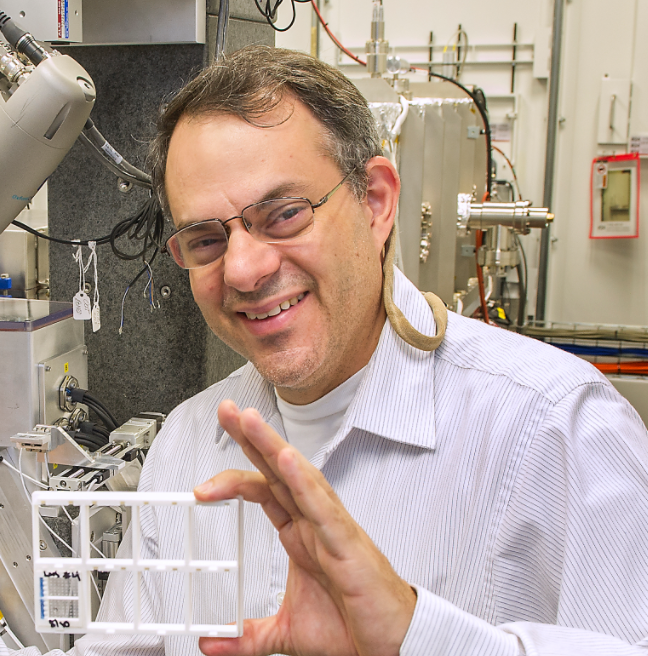
Alexi Soares
BNL, Life Science and Biomedical Technology
Research Ressource - NSLS II
Abstract:
We propose to establish a high throughput pipeline to determine the three-dimensional structures of drug-lead compounds bound to drug target proteins. Visualization of drug-lead compounds bound to their targets is essential for the rapid identification and development of lead compounds into serviceable drugs. While traditional protein crystallography pipelines can determine the structures of 10-50 different protein-ligand complexes within 3 days, here, we propose to establish a pipeline with 20-100-fold higher throughput. A similar setup, Xchem at the Diamond Synchrotron (Oxford, UK), serves as a proof of principle for the feasibility of such a pipeline. Xchem can determine the structure of a thousand protein-drug complexes within 3 days. This has been instrumental in the rapid development of Covid-19 protease inhibitors resulting in more than a thousand crystal structures. Xchem is a unique resource in the world, and LI-XRA would only be the second setup in the world and the only one in the US. Therefore, we expect that LI-XRA would be of wide interest to academic and industrial researchers to speed up the structure-based drug development process. LI-XRA leverages the exceptional brightness, speed, and accuracy of the NSLSII X-ray beamlines, together with the experimental and computational structural biology and medicinal chemistry expertise at Stony Brook University and Brookhaven National Laboratories.
Annotation-efficient Deep Learning for High-throughput Biological Discovery

Zhaozheng Yin
SBU, Biomedical Informatics and Computer Science
Xianghui Xiao
BNL, National Synchroton Light Source II
Abstract:
High-throughput biological imaging experiments generate large amounts of image data over time. There are a huge set of important applications that suffer from high image heterogeneity (e.g., quantification of cell size with and without drug, relative phenotype analysis, etc.). In such situations, the images to be processed vary a lot (e.g., different cell types, different imaging instruments, different resolutions, etc.). Recent advances in deep learning (DL) have achieved impressive results on analyzing the biological images, but the success of DL models usually needs a large amount of training data with manual annotation, which is very costly and time-consuming to be obtained. This dilemma inspires important research questions to think: Do we really need to annotate every individual specimen in every training image in the training dataset to train a DL model? Can we annotate a small region of a specimen, a portion of the training dataset, or even train a DL model without any annotation?
In this project, we explore annotation-efficient mechanisms to train DL models for various bioimaging applications such as detection, segmentation, and classification. Three variants of annotation-efficient DL training will be investigated with increasing levels of challenges: (1) Weakly-supervised Network Learning. Only a weak label is required to annotate a small region of a specimen in each training image; (2) Suggestive-annotation for Network Learning. Rather than annotating every training image, a small subset of representative training images is iteratively suggested for human annotations to train the DL models, so only a portion of training dataset is needed to be annotated; and (3) Unsupervised Network Learning. A fully-unsupervised way to train DL models without any human annotation.
Mónica Bugallo
SBU, Electical and Computer Engineering
Anibal Boscoboinik
BNL, Center for Functional Nanomaterials
This interdisciplinary project aims at developing novel strategies for understanding the kinetics of surface reactions. The Seed funding will result in advances in methodology and data analytics, ultimately leading to an improved mechanistic understanding of heterogeneously catalyzed reactions. The cutting-edge facilities used in this project, coupled with the new methodologies to be developed will also result in unique capabilities for in-situ studies of surface kinetics in general, attracting the wider user community in the field to adopt these developments.
Software Assist for Hardware-Managed Virtual Memory on FPGA Accelerators

Michael Ferdman
SBU, Computer Science
Lingda Li
BNL, Computational Science Initiative
Nearly all fields of science now rely heavily on high-performance computing (HPC), constantly demanding greater computational capabilities. This unending thirst for compute has driven a rapid expansion of heterogeneous computing, where traditional CPUs are augmented with specialized "accelerators" that are able to perform computation faster. Today, practically all HPC machines include GPUs, accelerators specialized for bulk matrix multiplication. As CPUs execute the application, they can farm out matrix computation to GPUs. However, although GPUs are extremely effective for matrix operations, many emerging applications include computational patterns that are not amenable to GPU acceleration.
This proposal targets an emerging class of accelerators called FPGAs (Field-Programmable Gate Arrays). FPGAs have gained popularity in the past several years, with FPGA cards becoming readily available and major cloud providers such as Amazon EC2 and Microsoft Azure renting servers equipped with FPGAs. Although FPGAs lag behind GPUs when handling matrix operations, FPGAs offer massive acceleration opportunities for emerging “irregular” applications such as graph processing and sampling.
One of the most crucial aspects for developing software that uses accelerators is the mechanism of sharing data between the CPU and the accelerator. Traditionally, software developers were required to manually orchestrate all data movement between the CPU and accelerators; although effective, this manual approach is painstaking and error-prone. As a result of many years of tool development, techniques now exist to alleviate this burden and allow systems to automatically handle data movement for GPUs. This proposal will combine the PIs’ expertise to develop mechanisms that automatically handle data movement between the CPU and FPGA accelerators, easing the development of software and adoption of systems with FPGA accelerators.
Development of Novel Ligands for Radioarsenic Complexation

Wenchao Qu
SBU, Department of Psychiatry, School of Medicine
Vanessa A. Sanders
BNL,Medical Isotope Research and Production Program
Radiopharmaceuticals have been used extensively as diagnostic and therapeutic agents in nuclear medicine. Recently the field has seen an expansion following major advancements in imaging modalities and the production of novel isotopes. Driving this growth has been a new class of agents known as theragnostics. These agents utilize diagnostic isotopes to inform a patient’s treatment strategy and radiation dose with a therapeutic agent. The Brookhaven Linac Isotope Producer (BLIP) at Brookhaven National Laboratory (BNL) has been crucial to producing necessary isotopes for clinical institutions in the United States for several decades. One of the isotopes of interest that can be routinely produced using the BLIP is arsenic-72 (72As). This potential positron emission tomography (PET) imaging radionuclide has a physical half-life of 26 hours, which matches well with the biological half-lives of large biomolecules such as antibodies and peptides. Another arsenic isotope of interest is arsenic-77, a beta emitting (βmax= 0.683 MeV) therapeutic radionuclides with a half-life of 38 hours. Utilizing 72As as a diagnostic agent and 77As as a therapeutic agent embodies the theragnostic treatment strategy. There has been an ongoing effort to design ligand systems that form highly stable complexes with As(III) and allow for facile conjugation of biological targeting vectors. However, radiolabeling of antibodies with current tridentate chelate systems has been particularly challenging. Radiopharmaceuticals incorporated with 72,77As(III) require high stability in order to maintain their efficacy in vivo. The coordination chemistry of As(III) to polydentate ligands bearing NS3 or N3S3 donor sets is quite promising and has potential to increase in vivo stability. The aim of this proposal is to investigate the use of tetra- and hexadentate aminothiolate ligands as alternative chelators for 72,77As(III). The coordination chemistry of other novel Group 15 radionuclides, such as antimony, will also be evaluated with the aminothiolate chelators proposed for arsenic.
Upgrading Nuclear Safety Requirements to Prevent Technological Catastrophes

Stan Uryasev
SBU, Applied Mathematics and Statistics

Pranab Samanta
BNL, Reactor Systems & Risk Analysis Group
Why existing safety requirements or regulations do not prevent technological catastrophes with extremely large losses in various engineering areas? A simple, and to some extent surprising answer, is that the safety requirements are focused toward likely accidents and consequences and are not necessarily designed to prevent major catastrophes with extremely large outcomes.
The safety goals in a majority of engineering fields are usually probabilistically designed and are not necessarily focused to control the magnitude of very large outcomes. Some thresholds (lower bounds) are specified that should be exceeded with a very low probability. For instance, in nuclear safety, a level of release of radiation in the environment is specified, which may be exceeded, say, only once in 10,000 years. Nevertheless, the magnitude of exceedance is not directly controlled for extremely large outcomes. Safety regulations do not distinguish the magnitude of outcomes exceeding a highest threshold corresponding to a major accident. For instance, one can argue that safety requirements were not violated in the Fukushima nuclear accident. We can verify calculations of safety models for the Fukushima nuclear power plant and come to a conclusion that the nuclear plant safety system worked as designed (no violation because the probability of radiation release is low, in spite of a very large magnitude of the release, which is not controlled). Similar concerns arise in certification of materials (A/B basis), etc. Addressing magnitude of large outcomes in defining regulations of complex technological systems will be a useful addition to the existing regulations in consideration of public health and safety.
This project suggests improvement in risk management and control of extremely large losses in engineering systems. The approach is based on the new risk measure, Buffered Probability of Exceedance (bPOE), which will supplement regulations based on Probability of Exceedance (POE). bPOE is the probability of outcomes in the tail of the distribution with the known mean value of the tail, in contrast to POE, which is the probability of the tail with the known lowerbound of the tail. POE, which is the current standard in safety evaluations, does not account for the magnitude of losses in the tail, while bPOE considers the average value of tail outcomes.
Characterizing structural states in NMDA receptors
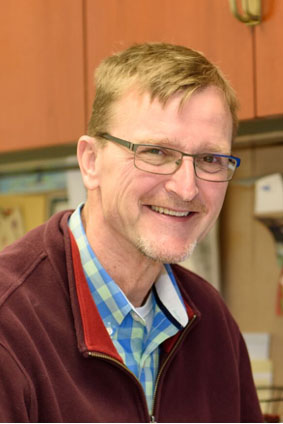
Lonnie Wollmuth
SBU, Neurobiology and Behavior, School of Medicine
Liguo Wang
BNL, Laboratory for BioMolecular Structure
This SBU-BNL SEED grant is to initiate a collaboration between Dr. Liguo Wang, the new Scientific Director of the Laboratory for BioMolecular Structure at BNL, and Dr. Lonnie Wollmuth at SBU. The core of each of our research programs is the same: ion channels. However, Dr. Wang’s expertise is in the structure of ion channels using cryo-electron microscopy (cryo-EM), whereas Dr. Wollmuth’s is in their function. Combining our expertise – basically moving Dr. Wollmuth’s lab into structure and Dr. Wang’s lab into function – has the potential to provide unprecedented insights into the operation of ion channels. Our initial efforts will focus on NMDA receptors (NMDAR), a ligand-gated ion channel central to fast cell-to-cell signaling in the brain. Given its ubiquity, NMDARs are also key to numerous brain disorders – stroke, epilepsy, autism, intellectual disability, among many others. Hence, there is tremendous interest at NIH in defining the structural states of NMDARs to aid in drug design.
Ion channels are transmembrane proteins that play fundamental roles in numerous organs and tissues, including the fast signaling in the central nervous system. They exist in two general conformations: a closed, non-conducting state where they do not contribute to signaling and in an open, conducting conformation where they do contribute (Fig. 1). Ion channels also exist in preactive closed states on the pathway to ion channel opening (Fig. 1). These preactive states are of great interest since they are promising drug targets. While we now are in the age of high-resolution structures of ion channels using single particle cryo-EM, the greatest challenge is to generate a structure in a specific functional state– the closed, open and/or preactive states. The Wollmuth lab recently identified using functional approaches that NMDARs can occupy two physiologically important preactive states (Amin et al., 2020, Neuron). Critically, we have found ways to manipulate the NMDAR to generate “pure” versions of these structural intermediates. The goal of our SBU-BNL SEED grant is to take advantage of our novel functional insights to generate – at least preliminary – high resolution structures of these functional states. This would initiate the collaboration between our labs and generate preliminary data for new funding.
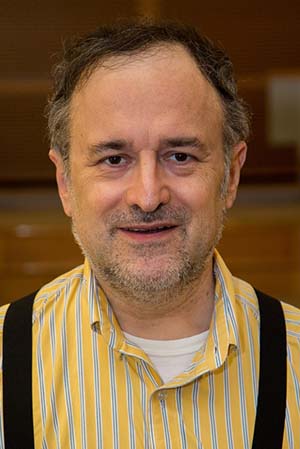
Thomas Robertazzi
SBU, Electical and Computer Engineering
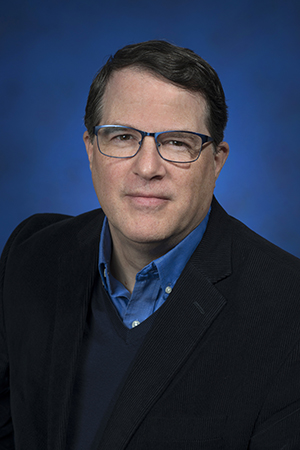
Kevin Brown
BNL, Collider-Accelerator Department
This study involves determining the feasibility of supporting very long ion chains in a storage ring (a type of accelerator) so as to study their use as the basis of quantum information systems such as a quantum computer.
There are multiple ways in which quantum computer elements have been realized or have been proposed to be realized. One is the use of linear ion traps. Each ion (charged particle) represents one qubit (quantum information bit). Traps with only small numbers of linearly arranged ions have been successfully implemented to date.
This project seeks to create a specialized device that is based on a circular storage ring in which one will be able to study both long chains of entangled ions and groups of independent chains of entangled ions, all with non-zero velocity. The storage ring that is proposed has certain scalability advantages allowing large number of qubits (at least in the hundreds). The chains will form a new state of matter (known since the 1990’s) called an ion Coulomb crystal.
This would be basic research related to the use of chains of ions in traps that might be of use in quantum information systems. What is unique in this work is the focus on the design of a device that provides an ability to explore both theoretically and experimentally fundamental engineering issues related to using chains of ions for quantum computation. The goal of this research is do a feasibility study of building a facility at Brookhaven National Laboratory for use by researchers in this area.
Plasma device for contaiminants of emerging concerns (PFAS), pathogens, chemicals removal from water supply and wastewater with record water disinfection rate at low cost

Xinwei Mao
SBU, Civil Engineering
Ady Hershcovitch
BNL, Collider-Accelerator Department
Ultimate purpose of the project is to develop a power efficient water treatment technique that can remove polyfluoroalkyl substances (PFASs), 1,4 Dioxane from the water supply and has the potential for deactivating all pathogens, degrading allpharmaceuticals and other chemical contaminates, by in-water plasma generation, at unprecedented rate, which no existing technique can do. The plasma is in-water vortex stabilized water plasma, in which a novel technology is employed to prevent electrode erosion. It is essentially a blow torch in the water that should disintegrate all contaminants by brute force, since plasma particles, UV and advance oxidation process (AOP) chemicals can break contaminants’ bonds. But, unlike presently utilized or proposed electron beams and plasmas, which are not stabilized, the proposed plasma is stabilized, providing confinement to electrons and ions driving the electric arc, and hence electrical power efficient. Sterilization rates extrapolated from existing electron beam or plasma treatment setups show that a 20 KW prototype wastewater treatment plant, should be capable of disinfecting 2,690 liters/sec of pathogens and degrade 216 liter/sec of antibiotics, if the technique works as expected. These rates per unit power of wastewater recovery are orders of magnitude more efficient than currently utilized disinfection methods or water desalination. The project entails developing a small-scale in water vortex stabilized large diameter arc(an order of magnitude larger than previously achieved).Once the desired plasma is established, the experimental process is straight-forward: known concentrations of PFASs and 1,4 Dioxane are introduced upstream from the plasma arc, and the samples of resultant concentrations downstream from the arc are collected and analyzed. Additionally, UV radiation emitted from the plasma will be measured and quantified to show the plasma potential for deactivating pathogens and degrading pharmaceuticals, since experimental data showing pathogens deactivation and some pharmaceuticals degradation by UV exists.
Building Qubits using Topological Chiral Semimetals
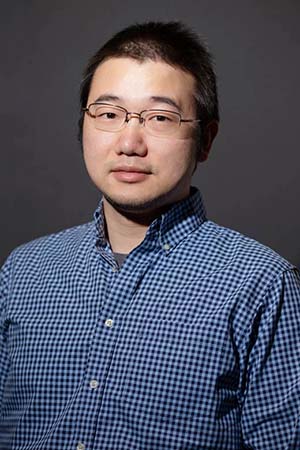
Mengkun Liu
SBU, Physics and Astronomy
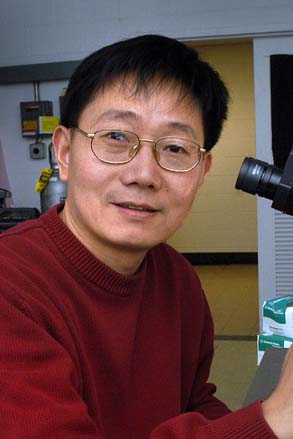
Qiang Li
BNL,Advanced Energy Materials Group
Today, operating qubits, such as superconducting Josephson junction devices or trapped ions held in place by laser beams, require very low temperature environment – one of the main obstacles to a mass-producible quantum computer. To circumvent this obstacle, one needs to develop a quantum device that can maintain coherence at much higher temperatures and can be controlled by electromagnetic (EM) radiation. We propose a new type of “Chiral Qubit” device based on 3D Dirac and Weyl semimetals, in which non-dissipative chiral current can be controlled and read out by circularly polarized terahertz (THz) radiation. This new type of chiral materials opens a tantalizing possibility to create a qubit capable of operating at high temperatures, and with a large ratio of the coherence to gate time on the order of 10,000. At the heart of such chiral qubits is an effective manipulation of associated quantum states by EM radiation at THz range, which may be uniquely demonstrated by the observation of THz emission and oscillation in chiral materials - the main goal of this proposal.
Dr. Mengkun Liu and Dr. Qiang Li will initiate research activities to develop a proof of concept quantum computing device composed of topological chiral semi-metals such as TaAs or ZrTe5. Our goal is to demonstrate low dissipation of electron transport in chiral quantum materials with terahertz switching rate, toward achieving the non-dissipative charge transport and long coherence for high-speed quantum computing at room temperature. The PIs and their collaborators form an interdisciplinary team among Stony Brook University (SBU) and Brookhaven National Labs (BNL), which will lead the effort to demonstrate the initial result and work collaboratively towards external funding opportunities.
Quantifying Elemental Segregation and Defects in Additively Manufactured Metallic Materials
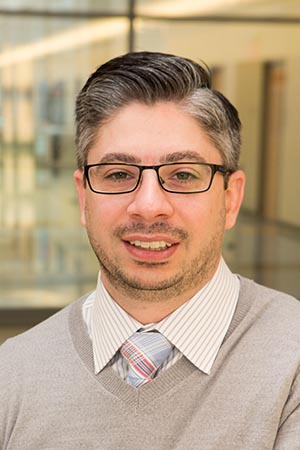
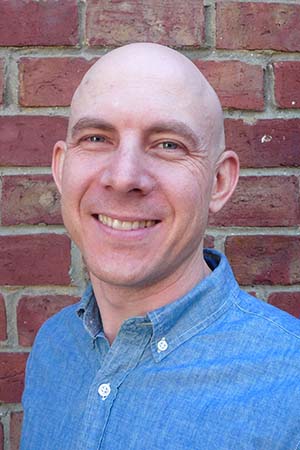
Jason Trelewicz, David Sprouster, Gary Halada
SBU, Materials Science and Chemical Engineering
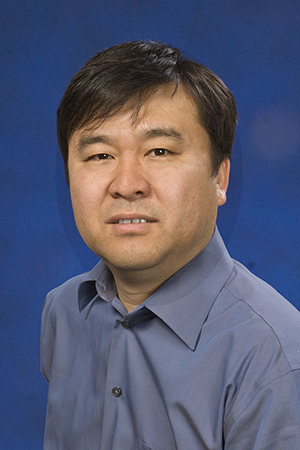
Yong Chu, Eric Dooryhee, Hanfei Yan
BNL, Photon Sciences
Additive manufacturing processes produce materials with hierarchical microstructures containing fusion boundaries at the macroscale, irregular grains and grain boundaries at the microscale, and subgrain dislocation structures at the nanoscale. In stainless steels, corrosion performance has been discussed in the context of chemical heterogeneities formed in the presence of these hierarchical microstructures. However, the large variability in reported measurements underscores the need for statistically significant microstructural data, which is often difficult to access via electron microscopy alone. The goal of this project is to employ directed multi-modal characterization experiments, utilizing the ultra-bright beamlines at the NSLS-II, to characterize defect and material interactions across the hierarchical length scales of additively manufactured stainless steels. X-ray fluorescence and ptychography-based imaging will be conducted at The Hard X-ray Nanoprobe (HXN) beamline to correlate macroscale fusion boundaries and nanoscale dislocation networks with microstructure development and the formation of heterogeneous chemical distributions. X-ray diffraction experiments will performed in parallel at the X-ray Powder Diffraction (XPD) beamline to build quantitative microstructural/precipitate information with chemical characteristics correlated to localized degradation modes and corrosion product formation. The application of multi-modal x-ray based methods will provide direct insight into the microstructural origins of corrosion behavior in additively manufactured stainless steels, which can be used in the development of new models for predicting the corrosion performance of additively manufactured materials.
Quantum Computing for Computational Fluid Dynamics
Hyun-Kyung Lim
SBU, Applied Mathematics and Statistics
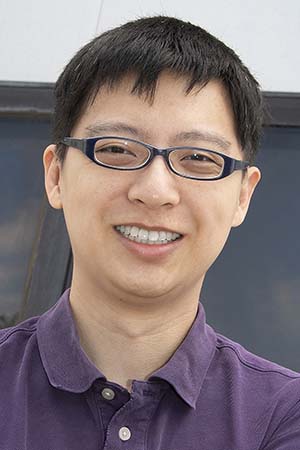
Yao-Lung (Leo) Fang
BNL, Computational Science Initiative
Ever since quantum computing (QC) was introduced in the 1980s, it has grown into an active and diverse field of research in recent years. Significant progress has been made in building quantum computers and companies, such as IBM, which are making quantum computers available in public even though the prototype quantum devices are limited to few numbers of qubits and poor error tolerance. Although current quantum computers on the market have limited inter-connectivity between qubits and so noisy that the number of gates is significantly limited in spite of small number of qubits, they will serve as a stepping stone for future large-scale universal quantum computers and they promote a tangible quantum programming environment as well. However, quantum algorithms, which would lead to a significant speed-up over the best of their classical counterparts, were mainly limited to algorithmic problems including searching and optimization rather than in a wide variety of scientific fields. On the other hand, computational fluid dynamics (CFD) has been the most powerful tool in numerous scientific fields from high energy physics to aircraft design. In spite of its tremendous impact on science and engineering, quantum algorithms for CFD were not well-developed. Therefore, we propose developing a quantum algorithm for the incompressible flow equations in CFD and conducting relevant studies such as quantum programming and error correction for the quantum CFD algorithm. Successful results of our study will be applicable not only to the incompressible viscous fluids and various fields in CFD but also to general computational science.
The research goal is developing quantum algorithms for computational fluid dynamics and resolving related technical difficulties such as decoherence and quantum error. We propose the following specific research objectives: (i) developing a quantum algorithm for the incompressible Navier-Stokes equations, (ii) implementing a quantum circuit or code for the algorithm on quantum devices, (iii) studying the impacts of quantum decoherence to the quantum algorithm implementation and algorithms for mitigating quantum error, and (iv) investigating the possibility of coupling quantum to classical computing, i.e., a hybrid approach. The implementation of quantum codes will be tested on current quantum devices and can be extended to three dimensional simulations.
Hybrid classical and quantum computing approaches for materials sciences
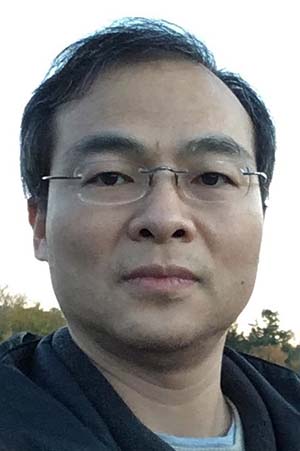
Tzu-Chieh Wei
SBU, Physics and Astronomy
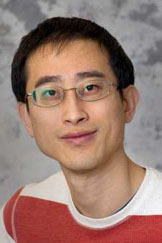
Deyu Lu
BNL, Center for Functional Nanomaterials
Computer simulation of physical systems based on fundamental quantum mechanical principles has played a pivotal role in our understanding of materials properties and physical phenomena, which form the backbone of technological development. However, classical computers have an intrinsic bottleneck in simulating many-body quantum systems, as computational time scales with the size of the Hilbert-space that grows exponentially with the number of particles in the many-body Hamiltonian. This exponential barrier prohibits accurate prediction of many material properties, especially when the constituent particles are interacting strongly. Quantum computing has been recognized as a potential game changer in overcoming such an obstacle, as envisioned by pioneers, such as Manin, Feynman, Deutsch, and Lloyd. Recent experimental progress in fabricating quantum computers with over 50 qubits bodes well the potential application of quantum computers for solving problems in materials sciences.
Here, we propose to exploit quantum computers to tackle strongly correlated physics to overcome the exponential barrier of classical simulation of quantum many-body systems. By encoding entanglement among qubits, a quantum computer can represent many-body states at a polynomial cost. The overarching scheme is to pursue a quantum-classical hybrid approach in order to combine the best of classical and quantum computers by replacing the most expensive classical algorithms with quantum algorithms. In practice, we will integrate quantum and classical software and carry out proof-of-principle simulations on existing prototypical quantum computers. We will also extend this hybrid quantum-classical approach to study dynamics and finite-temperature effects. Such a new capability, if successful, will have a tremendous impact on the physical understanding of correlated materials, including phase diagram, spectroscopic properties and materials design involving d or f electrons. Given that the currently available quantum computers are noisy without full fault-tolerant capability, we will also assess their practicality when extrapolating to large system sizes

Stephen Baines
SBU, Ecology and Evolution
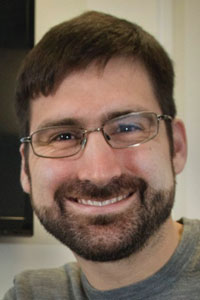
Shawn Serbin
BNL, Environmental and Climate Sciences
Wetlands provide a critical service to society by removing nitrogen pollution from surface and ground waters, thereby reducing the chances of harmful algal blooms, fin and shell-fish die-offs and destruction of habitats that acts as nurseries for key living resources. The key processes are hard to measure and therefore difficult to estimate on a landscape scale, making it hard to assess the value of these ecosystems. We will use easily observable above-ground plant traits to “scale up” to regional estimates of nitrogen removal from local measurements. Microbial denitrification, which converts bioavailable nitrate to inert nitrogen gas, is enhanced when plants promote cycles of oxygenation and de-oxygenation of associated soils. Therefore, traits related nitrate concentrations in soils, production of O2 via photosynthesis, delivery of that O2 to sediments, and use of O2 by microbial respiration are all related to microbial denitrification. We will first refine these relationships by collecting data on above and below ground plants traits, soil characteristics and denitrification along transects in three wetlands. We will then use high resolution reflectance spectrometry to infer various important plant traits, such as leaf nitrogen, water stress, and plant biomass. These measurements will be conducted at the plant level, at the canopy level using drone mounted sensors, and finally using airborne sensors provided by NASA. The spectral measurements will be related to denitrification via plants traits using established statistical methods. This data will provide the proof of concept needed to apply for NSF, NASA and DOE funding to establish clear mechanistic links that will enable regional projection of nitrogen removal by wetlands for different land-use, climate or sea level scenarios.
Data-Driven Distribution Grid Stability Analysis and Design with High Renewable Penetration
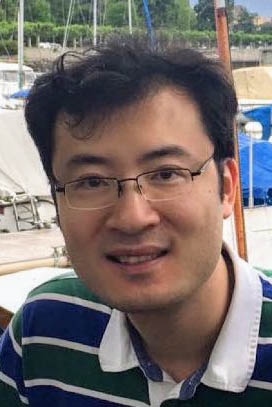
Yue Zhao
SBU, Electrical and Computer Engineering
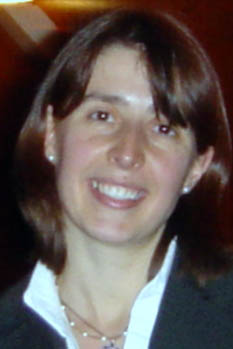
Alessandra Colli
BNL, Sustainable Energy Technologies
There has been a continuing surge in distributed renewable energies in power distribution systems, notably evidenced in the proliferation of rooftop solar panels. While clean and increasingly economically viable, the highly intermittent nature of renewable energies has brought significant challenges to the reliable service of power utilities. To maintain voltage and frequency stabilities, conventional capacitor banks, typically switched a few times a day, are no longer sufficient, as reactive power must be supplied in a much more agile fashion. Instead, we will capitalize on the power electronics that accompany the solar panels, and develop distributed and communication-free inverter control algorithms to greatly increase the hosting capacity of solar power in distribution grids with much enhanced grid stability. As such, this project will contribute to the convergence of reliability, economic efficiency, and environmental sustainability in integrating clean power into our power grids, and offer novel and sound technical solutions in achieving the ambitious goal of 50% renewables by 2030 in the state of New York.
This project will leverage the massive data set collected at a very fine temporal level (every second) from the solar panel arrays at BNL’s Northeast Solar Energy Research Center (NSERC). Machine learning based methods will be developed in both analyzing grid stability and designing control algorithms with massive integration of distributed renewable energies. Models will be learned for predicting instabilities as solar power outputs fluctuate in wide areas. Control-friendly models will be learned and employed for designing fast and adaptive smart inverter control algorithms for maintaining grid stability.
Enabling the Efficient Radiation Sources of the Future Through Investigation of Plasma Instabilities
Navid Vafaei-Najafabadi
SBU, Physics and Astronomy
Mikhail Polyanskiy
BNL, Accelerator Test Facility
Laser-driven plasma-based accelerators can generate high-energy particle beams and gamma-ray radiation in a distance that is hundreds of times shorter than the current, state of the art machines. These plasma accelerators are powered by laser pulses such as those generated by the CO2 laser at the Brookhaven National Laboratory’s (BNL) Accelerator Test Facility (ATF). However, current laser and plasma configurations introduce complex instabilities that lead to the disruption of the laser’s peak, i.e. central and higher power, region. Without mitigating these instabilities, whose origin and characteristics are currently unknown, a very significant fraction of the laser energy is lost rather than being converted to electron or radiation energy, greatly reducing the efficiency of these devices. Here, we propose to use Particle-in-Cell (PIC) simulations as well as experiments at ATF to determine the conditions leading to this laser disruption as well as the time scale and the precise location of this disruption. The central hypothesis of this work is that the growth of instabilities seeded by the rising edge (i.e. front) of the laser interacting with the plasma triggers the laser disruption. Understanding the underlying physics and characteristics of this effect will in turn enable us to find methods for mitigating this effect, which can result in significant increase in the efficiency of future accelerator and radiation sources, the latter being central to the mission of both BNL ATF and the Stony Brook University’s Center for Accelerator Science and Education (CASE). The dual prospect of fundamental physics discovery and application-driven research on the next-generation accelerator and radiation technology is expected to garner strong support from both NSF and the DOE.
Characterizing Sub-Cellular Morphology across Cancer Types

Tahsin Kurc
SBU, Biomedical Informatics
Yuewei Lin
BNL, Computational Science Initiative
Disease onset and progression manifests itself as changes in the morphology of tissue. Whole slide tissue imaging, which captures high resolution digital scans of tissue slides, has enabled quantitative studies of these changes at the sub-cellular scale. As the capacity to rapidly generate large quantities of whole slide tissue image data is more widely deployed, there is an increasing need for reliable and efficient (semi-)automated computer methods to complement the traditional manual examination of tissue. In this work, SBU and BNL are partnering to study nuclear morphology across multiple cancer sites, initially focus on Lung, Breast, Pancreatic, and Brain cancers. This study will examine similarities and differences in the structure and distribution of nuclei across cancer sites and how they correlate with clinical outcome data. A better quantification of these patterns can lead to a better understanding of disease mechanisms and more effective diagnostic and treatment methods. Computerized detection and segmentation of nuclear structure is one of the core operations in this type of study, but it also is a challenging process because of heterogeneity in structure and texture characteristics across whole slide tissue specimens. The project will research and develop deep learning-based analysis pipelines for efficient and reliable segmentation of images obtained from Hematoxylin and Eosin (H&E) stained whole slide tissue samples, building on and extending the work done by the SBU and BNL teams in digital pathology and image analysis.
Quantum Phase Coherent Phenomena in Sub-10nm Nanostructures
Xu Du
SBU, Physics and Astronomy
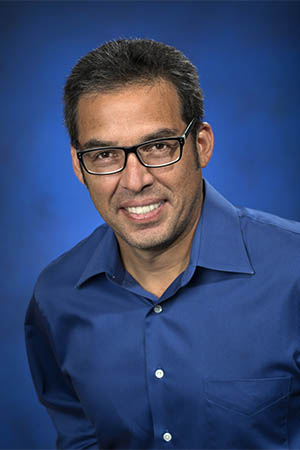
Fernando Camino
BNL, Center for Functional Nanomaterials
Phase coherence, originated from the wave nature of matter, is a signature of quantum systems. In conventional modern electronics, the wave nature of electrons mainly plays a role at the crystal lattice/tight-binding level, determining the quasiparticle dispersion and effective mass in electronic materials such as semiconductors. On the other hand, electronic devices themselves (e.g., field effect transistors) operate classically where charges are treated as particles. More recently, increasing efforts have been invested in utilizing the quantum mechanical/wave-like nature of electrons for new paradigm electronics. Despite the great promises, a major challenge towards realizing quantum electronics is to overcome decoherence (or “dephasing”) which destructs interference effects of wave functions. With the proposed work, we will study quantum phase coherent transport in nanostructures fabricated on 2D materials and 2D electron gas by pushing the geometric size of such nanostructures to an unprecedented limit. Using the state-of-the-art STEM nanolithography facility at CFN/BNL, we will be able to tune down the size below 10nm, which is shorter than the phase coherence length at temperatures much higher than those utilized in previous studies. In these structures we will explore proof-of-concept devices, where the quantum mechanical wave nature of electrons dominates the devices’ functionalities. The ultimate objective of the proposed research is to realize high (even room) temperature quantum phase coherent charge transport. Such development potentially brings new understanding and strategies for solid-state quantum information/computation applications. We will explore charge transport in several characteristic nanostructures based on 2D Dirac electron gas in graphene, namely: quantum point contacts, artificial 2D superlattices and quantum dots, and quantum interferometers that work in the quantum Hall regime.
A Drone for Air Quality Measurements
Daniel Knopf
SBU, School of Marine and Atmospheric Sciences
Pavlos Kollias
BNL, Center for Multiscale Applied Sensing
Air pollution is the cause of millions of premature deaths per year globally. To improve monitoring and prediction of the physical and chemical processes that drive air pollution, frequent and economic atmospheric measurements are necessary. We will take advantage of the development of unmanned aerial vehicles (UAVs) and sensor miniaturization, using a drone to conduct meteorological and atmospheric chemistry measurements. We aim to develop a drone prototype that, in a modular fashion, allows in situ measurements of temperature, humidity, pressure, ozone, aerosol size distribution and collection of air samples for volatile organic compounds (VOCs) and particulate matter (PM) analysis addressing U.S. EPA federal regulated air pollutants. The octocopter drone allows to bridge the data gap between ground site and research aircraft measurements. It facilitates measurements inside a pollution plume in a stationary manner or moving with the plume, not easily achievable by other means. The drone is a highly versatile platform and other applications, beyond the scope of this project, can be envisioned such as air mass sampling along tall buildings, chimney stacks, gas pipelines, or oil platforms and rapid employment in disaster situations. The UAV capabilities will be developed by the joint Stony Brook University-Brookhaven National Laboratory Center for Multiscale Applied Sensing (SBU-BNL-CMAS) that aims to integrate high resolution modeling and observations in urban and coastal areas.

Matthew Dawber
SBU, Physics and Astronomy
Andrei Fluerasu
BNL, NSLS II
Towards a Quantum Network Connecting SBU and BNL
Eden Figueroa-Barragan
SBU, Physics and Astronomy
Andrei Nomerotski
BNL, Cosmology and Astrophysics
Public interest in quantum technology is fueled by the visions of quantum computers and global quantum communication networks. The shift to having low-cost, miniaturized room temperature quantum devices will make such realizations practical and economically feasible. This will not only decisively change secure world-wide information transfer, but it will also provide a robust technological platform to implement fundamental quantum computation algorithms. We propose an ambitious research project aimed at bringing together the advanced fast imaging of single photons at BNL with state of the art quantum light-matter interfaces at SBU to investigate how the combination of these powerful tools could deliver a first prototype of a quantum network in which quantum information can be communicated over long distances.
Our collaboration will bring together a unique combination of expertise and equipment to enable to perform first-ever experiments in quantum communication with several quantum memories in a quantum network configuration. We will pioneer the use of a single-photon-sensitive camera to improve the performance of single photon sources, characterize the output of light-matter interfaces and efficiently monitor the process of entanglement swapping, thereby achieving maximum enhancement in performance for the quantum network operation.
Theory-Enabled Reconstruction of 3D Structure of Single Atom Catalysts
Anatoly Frenkel
SBU, Material Science
Deyu Lu
BNL, Center for Functional Nanomaterials
Single atom catalysts (SACs) are attracting increasing attention due to their enhanced activity and stability Their rational design is impeded by the paucity of experimental techniques to obtain activity descriptors that can be controlled by synthesis and assessed by theory and in situ characterization methods. Our team will tackle this challenge by exploiting remarkable sensitivity of X-ray absorption spectra of catalytically active ions to the geometry of their local environments. We propose to simulate their spectra by predicting reaction pathways with first principle theories, and then creating theoretical X-ray spectra that can be directly compared with experimental ones. Our work will benefit catalysis researchers that will utilize both NSLS-II and CFN facilities for doing theory-enabled analysis of catalytic geometries. Due to the central role that the X-ray absorption near-edge structure (XANES) region of XAS plays in the proposed method, this work will also stimulate research and development in the field of in situ and operando catalysis studies by high energy resolution spectroscopy at the NSLS-II beamline ISS.
Development of Radiolabeled Drugs to Study Novel Gastric Cancer Models

Joseph Kim
SBU, Department of Surgery

Cathy Cutler
BNL, Collider-Accelerator Department
Gastric cancer is a devastating condition with mostly poor survival for the nearly 1 million patients afflicted yearly with this disease. Major advances in personalized therapies including monoclonal antibodies (mAb) have improved survival for many cancers, but the benefits remain marginal for gastric cancer. One gap in treatment is that effective mAbs for gastric cancer may already exist in clinical practice, but have yet to be tested in gastric cancer. The second gap in treatment is that the efficacy of a gastric cancer therapy may be unique only to select patients. Accordingly, we propose to establish an accurate and expeditious diagnostic platform that provides data to make actionable clinical decisions on mAbs for gastric cancer. To this end, we propose to build upon our prior work and develop gastric cancer organoids for gastric cancer patients and use radiolabeled antibodies to select optimal therapeutic drugs. This proposal capitalizes on the clinical and translational science expertise of Stony Brook Medicine and Brookhaven National Laboratory.
Large-Scale Comparative Regulatory Network Analysis in Photosynthetic Organisms
Daifeng Wang
SBU, Biomedical Informatics
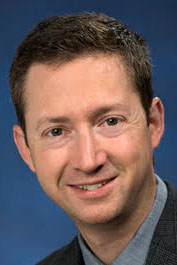
Ian Blaby
BNL, Biology Department
As primary bioproducers, photosynthetic organisms are fundamental to biological and geochemical cycles. Yet, despite recent availability of genome-wide engineering tools, biological redesign to exploit plants for increased biomass, bioenergy and food production purposes is fundamentally thwarted by a lack of foundational knowledge in plant gene regulation and protein function. This project will explore novel computational and network science approaches to comparatively analyze plant transcriptomes. This will enable elucidation of gene regulatory networks, genetic circuits, regulatory components and facilitate gene functional inferences. We will develop and apply our approaches on complex genomes to identify functionally related gene co-expression modules, infer gene regulatory networks and elucidate gene regulatory circuits driving evolutionarily conserved and species-specific genomic functions. Specifically, we propose to apply large-scale comparative analyses based on network science and machine learning approaches to study gene networks across multiple photosynthetic organisms and simultaneously cluster these networks into functional gene modules. Species-specific and cross-species modules will be exploited to infer gene function where presently none exist. We will initially focus on the Department of Energy (DOE) Office of Biological and Environmental Research (BER) flagship organisms (taxonomically diverse photosynthetic species of high relevance to DOE missions), although additional organisms can be added to the study during the course of the project. However the proposed comparative analysis will benefit all of the plant genomics community, and by virtue of gene evolutionary conservation, biology at large. While our research will initially be focused on transcriptomic data, the computational genomics platform we will develop will be able to integrate and analyze multi-omics data such as metabolomics, proteomics and protein-protein interactions.
Assessing the Knowledge Frontier -- Cyber Vulnerability in U.S. Nuclear Facilities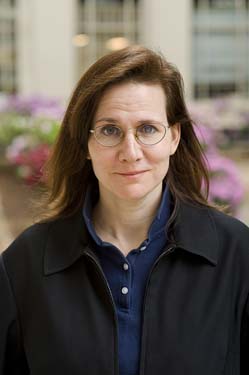
Kathleen Araújo
SBU, Technology and Society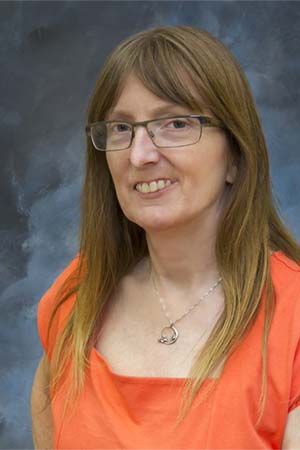
Susan Pepper
BNL, Non-proliferation and National Security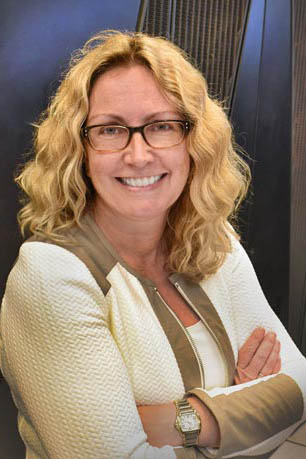
Kerstin Kleese Van Dam
BNL, Computational Science Initiative
Rhong Zhao - CEWIT
Biays Bowerman - BNL
Richard Ohlsen - BNL
Cyber threats have grown in number and sophistication, with security at nuclear facilities
being an area of particular sensitivity. Among associated risks, adversaries can acquire
access to local networks and disable physical protection measures, compromising nuclear
plant instrumentation and control systems.
Recognizing the unique complexities of cyber-based concerns for nuclear operations,
this study aims to develop a strategic roadmap of the current knowledge frontier to
inform decisions on standards, research, and other aspects of oversight. In line with
this objective, Kathleen Araújo, Susan Pepper, and Kerstin Kleese Van Dam will partner
to leverage cross-cutting strengths of Stony Brook University and Brookhaven National
Laboratory in regulatory decision-making, nuclear security, and computational sciences.
Performance Portability Strategies for HPC Applications Looking Forward to Exascale
Computing
Barbara Chapman
Institute for Advanced Computational Science, SBU
Meifeng Lin
Computational Science Initiative, BNL
Nick D'Imperio
Computational Science Initiative, BNL
Computer architectures and high performance computing (HPC) platforms have experienced
a dramatic paradigm shift in the past decade with increasing levels of parallelism
and heterogeneity. This trend will continue for the upcoming exascale computers expected
in the 2020-2023 time frame. It is critical for the success of the exascale program
that scientific applications be able to run efficiently on as many exascale platforms
as possible. However, existing HPC applications typically have been written with a
specific target architecture in mind. Migration to a different system often means
significant redesigning and rewriting of the application codes, inevitably reducing
productivity and delaying the scientific output. We will leverage the SBU PI's expertise
in programming models and compiler technology and BNL PI's expertise in computational
sciences and HPC to work with domain scientists, application developers and system
software researchers to investigate performance portability strategies for HPC applications.
Systematic evaluations using existing tools will be performed with two potential real-world
applications central to the SBU and BNL missions: Lattice QCD and Strongly Correlated
Materials. This project will provide the enabling capabilities for existing applications
to migrate easily to different computing architectures, and construct a roadmap for
the design of next-generation HPC applications with performance portability. The feedback
we provide to the system software researchers will help shape next-generation system
software infrastructure that is indispensable for exascale computing and extreme-scale
scientific discovery.
In-Situ Studies of Interfacial Corrosion Processes at Grain Boundaries and Crack Tips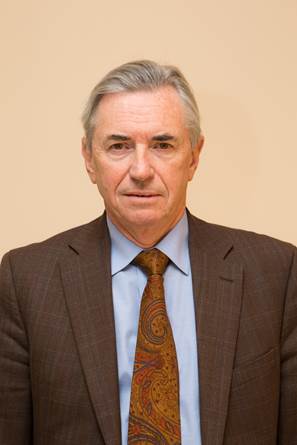
Clive Clayton
Material Science and Engineering, SBU
Amy Catherine Marschilok
Material Science and Engineering, SBU
Simerjeet Gill
Nuclear Science and Technology Department, BNL
Hugh Isaacs
Nuclear Science and Technology Department, BNL
Kotaro Sasaki
Department of Chemistry, BNL
Corrosion and oxidation are often associated with spontaneous failure of industrial
materials. This inherently dangerous situation drives the continuous pursuit of fundamental
knowledge of processes leading up to such failure. To date, the ability to monitor
oxidation reactions driving intra-granular and inter-granular corrosion and cracking
at the atomic and nanoscale remains far below the level needed to elucidate the underlying
physics that governs these phenomena due to our lack of high-resolution, ultra-fast
characterization tools. This project will develop a multi-modal approach to understand
interfacial processes associated with corrosion at grain boundaries and crack tips
using advanced multi-scale techniques at BNL and SBU.
In-situ X-ray Tomography, Chemistry, and Mineralogy of Samples Returned from Mars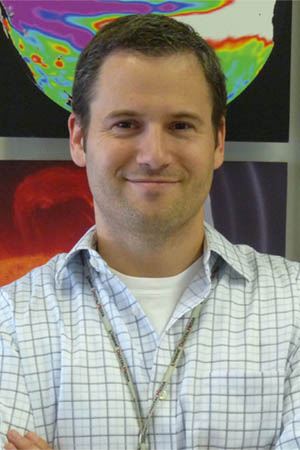
Joel Hurowitz
Department of Geosciences, SBU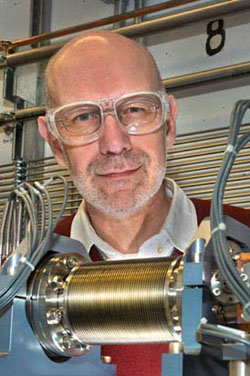
Juergen Thieme
Photon Sciences, BNL
Beginning in the year 2020, NASA will embark on an ambitious, multi-mission campaign
to Mars with the objective of returning a scientifically selected cache of rock, regolith,
and atmosphere samples from the Red Planet for analysis in laboratories on Earth.
The primary goal of these analyses will be to determine whether or not Mars was ever
host to ancient microbial life. There is an exciting potential opportunity for Stony
Brook University and Brookhaven National Laboratory to step into a pivotal leadership
role in the analysis of samples returned from Mars, by providing the very first measurements
of these samples after they are returned to Earth. The high X-ray brightness of the
National Synchrotron Light Source-II (NSLS-II) provides a unique and critical capability
to perform in-situ assessments of sample integrity (using X-ray tomography), chemical
composition and elemental distribution (using X-ray fluorescence), and mineralogy
(using X-ray diffraction) immediately after samples are returned to Earth, but before
they are unsealed from their collection tubes. Our proposal effort will begin to develop
the techniques necessary to perform these measurements on analogue samples sealed
in titanium alloy tubes in preparation for the analysis of samples returned from Mars.
The potential scientific understanding to be achieved with this cache of returned
samples is likely to equal or exceed that of the Apollo lunar sample archive, which
continues to yield new insights on the history of the Solar System, over 40 years
after they were returned to Earth.
A Deep Learning Approach to Mitigate Reconstruction Artifacts in Low-Dose Transmission
Electron Tomography
Klaus Mueller
Computer Science, SBU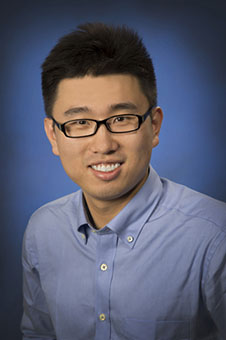
Huolin Xin
Center for Functional Nanomaterials, BNL
Qin Wu
Center for Functional Nanomaterials,
The spatial, compositional, bonding, and time-domain complexity of the transformation
of materials under the solid/gas reaction, particularly with heterogeneous nucleation
involved, highlights the need to increase the dimensionality of transmission electron
microscopy data sets beyond conventional projection imaging and the acquisition of
image series, i.e. x-y-t. Because projection images can be misleading or inconclusive
for inhomogeneous systems, it is much desired to include all three spatial coordinates,
x, y, and z, into the data set without losing the time and energy resolution. However,
a key stumbling block that had held back progress in achieving this is the rather
slow process in acquiring electron tomography data for the retrieval of depth information
on the atomic- and nanoscale. To overcome this barrier, one of the BNL members of
this project, co-PI Xin, has been developing high-throughput and fewer-tilt electron
tomography for acquiring four-dimensional data sets. However, the reduction in dosage
and the use of fewer tilt-image tomography results in reconstructions of poor quality.
To overcome these barriers, in this seed project, we will explore new methods in the
rapidly emerging field of deep learning with convolutional neural networks (CNNs)
for effective mechanisms that can be adapted for this purpose.
Diamond particle detectors for therapeutic medical dosimetry
Erik Muller
Materials Sciences and Engineering, SBU
John Smedley
Instrumentation Division, BNL
Steve Peggs
Collider-Accelerator Department, BNL
Samual Ryu
Radiation Oncology, Chair, SBU
Accurate and robust dosimetry of the therapeutic beam entering a patient is critical
in ensuring safety and treatment efficacy, with the most important question being:
is the planned flux of beam, with the planned size, being delivered at the correct
location and with the correct energy? Dosimetry provides the key performance information
at the interface between the beam and the patient. Advances towards simpler, more
robust, and more accurate low-flux dosimetry systems continue to be important and
desirable. Diamond has proven to be an exemplary diagnostic material for synchrotron
x-ray beams; the goal of this project is to transition our success with x-ray diagnostics
into diagnostics for high energy photon, proton and ion beams for radiation therapy.
We anticipate producing two prototype dose monitors, one of which will also be capable
of logging beam position in real time. We will also evaluate the radiation damage
to these devices in high energy and high flux environments.
Baryon Mapping Experiment: From Prototype to Full Realization
Neelima Sehgal
Physics and Astronomy, SBU
Anže Slosar
Cosmology and Astrophysics, BNL
Paul O'Connor
Instrumentation Division, BNL
Stony Brook University (SBU) is seizing an exciting opportunity to get in on the ground
floor of a cutting edge Cosmology experiment in which Brookhaven National Laboratory
(BNL) has already invested over 1 million dollars in Laboratory Directed Research
and Development (LDRD) funds. BNL’s PI on this SEED proposal is a PI and a co-PI on
two LDRD awards to design a next-generation Cosmology experiment that will be the
flagship experiment for the BNL Cosmology program in the mid-2020s after the Large
Synoptic Survey Telescope (LSST) mission is completed. The BNL Cosmology group has
identified 21-cm intensity mapping as a strategically good match for BNL’s capabilities
and has embarked on an ambitious program to design and run a pathfinder prototype
experiment on the BNL site to help build a solid case for a medium size Department
of Energy (DOE) funded experiment costing about 100-200 million dollars. BNL can greatly
benefit from collaboration with Cosmology experts at SBU and from SB graduate student
involvement to perform a number of key analyses. The construction of the prototype
is in progress, and observing will commence in the summer of 2016. This project has
excellent synergies with both the DOE funded LSST experiment, in which BNL is heavily
involved, and with the DOE sponsored CMB-Stage4 experiment, in which SBU is heavily
involved. To harness these synergies, this proposal will fund one year of an SBU graduate
student co-supervised by Prof. Neelima Sehgal and Dr. Anže Slosar. The graduate student’s
project will be comprised of two goals: i) to enable the success of the prototype
by helping to reduce and understand the data coming from it and ii) to use the expertise
gained from the prototype to help engineer a design for a competitive full realization
of the experiment.
Tae Jin Kim
Department of Materials Science and Engineering, SBU
J. Anibal Boscoboinik
Center for Functional Nanomaterials, BNL
The global economy and energy are heavily dependent on crude oil for producing chemicals and materials. The escalating energy consumption and current fluctuating crude oil prices have led to increased interest in the use of shale gas, natural gas, or biomass as a feedstock for the production of transportation fuels (gasoline and diesel) and chemicals. Methanol and ethanol can be produced from such feedstock via syngas (CO and H2) and used as fuels and template chemicals. In spite of extensive studies using 3D zeolites, the understanding of methanol and ethanol upgrading, as well as catalyst deactivation, is far from being well-understood.
In this SBU-BNL joint project, we will concentrate on two important aspects of the methanol and ethanol upgrading process, namely: (1) Dimethyl ether (DME) and Diethyl ether (DEE) formation mechanisms by methanol and ethanol dehydration respectively and (2) Catalysts deactivation by coke formation which occurs concomitantly during upgrading reaction. The work proposed here will make use of a recently developed 2-D zeolite type model system, counting with the same bridging hydroxyl groups found within zeolite pores, but in this case exposed on a surface. This combined study between the 2-dimensional hexagonal (2dH) zeolite type model systems and 3D commercial zeolite catalysts, will provide new insights into the elementary steps aiding the future rational design of methanol and ethanol upgrading catalysts.
To this end, SBU PI (Prof. Tae Jin Kim, Materials Science and Engineering) and BNL PI (Dr. J. Anibal Boscoboinik, Center for Functional Nanomaterials) will team up and combine their expertise in catalysts synthesis, characterization, and activity test to carry out in-operando studies of these important chemical processes, taking advantage of instrumentation available at SBU and BNL, including the CFN and NSLS-II user facilities.
Novel Readout and Calibration Schemes for Cryogenic Noble Gas Particle Detectors

Krishna Kumar
Department of Physics & Astronomy, SBU
Triveni Rao
Instrument Division, BNL
We propose to research the feasibility of new techniques to measure, monitor and calibrate the response of a liquid Xenon Time Projection Chamber (TPC) as part of the nEXO experimental design. The nEXO detector is being designed to detect the rare process of neutrinoless double-beta decay in 136Xe with a half-life sensitivity in excess of 1027 years. We will develop a novel photoemission technique to monitor and calibrate the energy scale of the TPC response. We will test the conceptual design of a gold photocathode illuminated by 266 nm laser light to monitor the electron lifetime for drifting charge clusters in the TPC. We will also develop the first phase of the in-liquid “cold” two-dimensional charge readout electronics from a prototype tile. These concepts aim to overcome important technical hurdles to ensure that the nEXO TPC concept can satisfy the physics goals for a next generation double-beta decay experiment. Successful development of the techniques should find wide use in other cryogenic noble liquid detectors in nuclear and particle physics experiments.
Prototyping electric grid monitoring system based on sensors and GPS
Serge Luryi
Department of Electrical and Computer Engineering, SBU
Michael Gouzman
Department of Electrical and Computer Engineering, SBU
Michael Villaran
Sustainable Energy Technologies Department, BNL
We propose an electrical grid monitor system (EGMS) based on modern sensor and communication technologies. The proposed system will not require restructuring of the contemporary power distribution networks and can be applied both to the existing grids and the future “smart grids”. Our approach is based on a topological description of the connectivity aspects of the power grid.
Each power distribution network can be described by a Graph represented by Nodes of specified nature (such as generators, transformers, loads, switches, and storage units), their specified geographical position on a 2D map, and the topology of connecting lines. The state of the network can be adequately characterized by specifying the root-mean-square (RMS) currents and the direction of energy flow in all connecting lines. The instantaneous RMS currents are impractical to record, as they fluctuate on a short time scale; therefore averaging is required. The averaging is carried out synchronously over the entire grid over a specified time interval with global synchronization by the GPS. The grid connectivity is embodied in Kirchhoff’s current law at every node of the network; validity of this law is not violated by the synchronous averaging.
The awarded grant will enable us to demonstrate a small-scale version of the EGMS that can be tested in a micro-grid context. The BNL environment is an ideal venue for such testing. The proposed project explores the strengths of SBU in the development of GPS-synchronized sensors. Successful completion of the proposed project will enable new grant applications to both federal and state funding agencies. Moreover, it will enhance our negotiating position in pursuit of industrial and commercial opportunities.
Three-dimensional structure and function for ecological monitoring using unmanned-aerial systems and computer vision
Heather J. Lynch
Department of Ecology & Evolution, SBU
Shawn P. Serbin
Biological, Environmental, and Climate Sciences Department, BNL
Our project focuses on the development of an unmanned aerial system (UAS) sensor package that will increase our capacity to study the three-dimensional (3D) structure and function of environmentally-sensitive ecological systems. Two UAS-based 3D spectrometry systems will be developed, one at Stony Brook University and one at Brookhaven National Lab. Off-the-shelf multi-rotorcraft platforms will carry cost-effective optical cameras paired with high-spectral resolution spectrometers. Using a computer vision technique known as structure-from-motion (SfM), this system will allow us to create highly detailed 3D characterizations of landscapes together with simultaneously recorded information on surface and vegetation spectral reflectance with centimeter-scale spatial and vertical resolution.
Data from the spectrometer will enable the retrieval of plant biochemistry, physiology, and vegetation water stress over large geographic areas without compromising spatial resolution. When this information is integrated with 3D structure, it will allow for a much more sophisticated understanding of energy, nutrient, and water fluxes, as well as the 3D canopy radiation regime. In addition, these platforms will enable the 3D spectral mapping of vegetation and other ground targets in the Antarctic and sub-Antarctic islands, where the fragile ecosystem makes surveys difficult. For example, when combined with the spectral signature of guano, this system will enable the remote examination of penguin diet, potentially allowing us to detect shifts in the Southern Ocean food chain.
Once this technology is developed and tested, it will provide a cost-effective rapid survey module that will deliver 3D information on how physical structure (of a landscape, an individual tree or an entire forest) determines, and is determined by, ecological function. The development of these UAS platforms and integrated sensor packages will provide immediate benefits for the research groups involved in this project and create new funding opportunities for both institutions.
Enabling Stable Nanocrystalline Tungsten Alloys as Plasma-facing Materials for Fusion Reactors
Jason R. Trelewicz
Department of Materials Science and Engineering, SBU
Simerjeet K. Gill
Nuclear Science and Technology Department, BNL
Plasma-facing components (PFCs) for reactor scale fusion devices require materials to operate under far-from-equilibrium conditions of extreme temperature, radiation, and stress. While tungsten has emerged as a promising candidate due to its high melting temperature, exceptional strength at elevated temperatures, and good sputtering resistance, the realization of tungsten as a next-generation PFC material requires revolutionary advances in alloy design to limit irradiation-induced damage at high temperatures. One approach for enhancing radiation tolerance involves the refining of grain size to the nanometer regime. The resulting nanocrystalline structure is composed of a high density of grain boundaries, which limit the accumulation of irradiation damage by defect absorption at these boundaries; however, nanocrystalline grains are notoriously unstable at elevated temperatures, and their growth would eliminate the high density of available defect sink sites and corresponding damage tolerance. The objectives of this research are to elucidate the mechanisms of nanostructure stability in tungsten alloys with evolving grain boundary structures, assess their implications for defect absorption, and engineer the solute distribution and grain size at the nanoscale to produce stable alloy states. Activities combine atomistic simulations with in situ irradiation exposure and nanomechanical testing of novel tungsten alloys to understand the mechanisms responsible for their stability, radiation tolerance, and deformation physics at the nanoscale. Fundamental insights into the principles of nanostructure stability and their implications for radiation-tolerant alloy design will be uncovered with specific focus on elucidating the role of dynamic defect states for enhancing thermal stability and radiation tolerance. From this research, a new understanding of radiation effects in tungsten alloy nanostructures will be developed to markedly enhance their potential as advanced PFC materials and provide opportunities for their exploration in future reactor platforms.
Carlos Colosqui
Mechanical Engineering, SBU
Antonio Checco
Condensed Matter Physics and Materials Science, BNL
Solid surfaces in contact with a liquid-electrolyte solution can develop significant charges which, in turn, induce a layer of counterions in the adjacent liquid. The described interfacial configuration is known as the electric double layer (EDL). Fluid flow–caused by pressure gradients and/or other forces–transports the mobile counterions in the EDL giving rise to a net electric current. This electrokinetic phenomenon enables the conversion of mechanical and other forms of energy (e.g., capillary energy) into electrical energy. Intrinsic conversion efficiencies are hindered by the small thickness of EDL (1-100 nm) and large hydrodynamic shear at the liquid-solid interface. Nanostructured surfaces can significantly enhance conversion efficiencies by thickening the mobile counterion layer and promoting hydrodynamic slip.
This project integrates theoretical and computational modeling with nanofabrication and characterization techniques in order to engineer nanostructured surfaces for enhanced electrokinetic energy conversion. The PI (Colosqui) will model wetting and electrokinetic phenomena at nanostructured surfaces using molecular dynamics simulations and system- level analysis. The Co-PI (Checco) will fabricate and characterize suitable nanostructured surfaces using state-of the-art nanofabrication and characterization techniques. Computational and experimental facilities required for this project are available at Brookhaven National Laboratory. The designed nanostructured surfaces will be integrated into basic microfluidic devices consisting of a single nanochannel with dimensions numerically optimized for maximal energy conversion. Electrokinetic energy conversion efficiencies of the prototype devices will be experimentally measured for pressure-driven and capillary-driven/assisted flows.
Graphene-based Terahertz/Infrared Camera
Xu Du
Department of Physics & Astronomy, SBU
Dmitri Kharzeev
Department of Physics & Astronomy, SBU
Mingzhao Liu
Center for Functional Nanomaterials, BNL
Professors Xu Du and Mingzhao Liu propose to establish a joint Stony Brook/BNL research effort to develop graphene-based plasmonic devices that are uniquely suited for the generation and detection of electromagnetic radiation in the Terahertz (THz)/Infrared (IR) range. We will use a suspended graphene nano/micro-ribbon-array under Joule heating as a source of THz/ IR radiation. We will also design, fabricate and characterize a graphene nano/micro ribbon plasmonic sensor that will detect the photocurrent induced by the THz/IR radiation. Combining the two devices, we will demonstrate a fast, sensitive, and compact graphene-based THz single-pixel camera, for THz/IR imaging. The proposed THz Camera would have extensive applications, especially in biomedical imaging.
Molecular Structure of Thin-film Amorphous Selenium
Amirhossein Goldan
Department of Radiology, SBU
Eric Stach
Electron Microscopy, CFN, BNL
Amorphous selenium (a-Se), in the form of thermally deposited thin film, is the only x-ray photoconductor that has been successfully developed for making large area medical image sensors. It is also the only amorphous material with avalanche multiplication gain that has been utilized in ultra-sensitive optical cameras. The low-cost and high image quality provided by a-Se prompted intensive investigation of its application in photonics and medical imaging, and our group at Stony Brook University (SBU) is among the leaders in this field.
The operation and reliability of a-Se sensors rely on the stability of the molecular structure, and its ability to hinder recrystallization. However neither the molecular structure of a-Se thin films nor the conditions for recrystallization have been established. Previous studies of the structural species of a-Se are clouded with much uncertainty and somewhat contradictory results regarding the dominance of polymeric chains versus monomer rings. Analysis of the diffraction radial distribution functions are inconclusive because of the similarities between the crystalline allotropes of selenium in terms of the coordination number, bond length, bond angle, and dihedral angle.
In this research, we take a much different approach to probe the molecular symmetry of the thermodynamically unstable amorphous/glassy phase. We combine (1) the glass thermal analysis (via differential scanning calorimetry) and (2) electron microscopy of crystals transformed from the frozen glassy phase. We verify the structure of the transformed metastable and stable crystalline structures using transmission electron microscopy (TEM) and scanning transmission electron microscopy (STEM). The proposed SBU-BNL collaboration provides a unique opportunity to seek answers to these important questions, and fuel future development of novel sensor structures. It will also form the foundation for future investigation of the nature of glass, glass transition, and phase transformation.
Low-Carbon Energy (LCE) Initiative
Devinder Mahajan
Materials Science & Engineering, SBU
Mante Ofei
Sustainable Energy Technologies, BNL
This proposal is a continuation of the L-CEM initiative that was started in 2013 to build upon the progress made last year and then follow-up on the ongoing work. The goal is have funding in-place from multiple sources by next year that will build a solid funding base for low-carbon energy process research at SBU and BNL. The proposal aligns with the current SBU-BNL initiatives in Energy, specifically on Energy Production.
The Low-Carbon Energy Initiative
The UN-sponsored 2007 IPCC report (1) provided impetus to address the increasing atmospheric CO2 levels, though much controversy remains in the implementation, both within the scientific community and in the global political arena. The International Energy Agency (IEA) “World Energy Outlook” report that the share of global fossil-based primary energy supply will still account for 74% in 2035 necessitates that any carbon management scheme must include both fossil fuels and renewables. We propose the initiative: “Low-Carbon Energy” (LCE) that is based on a sensible approach to carbon management. The LCE initiative is timely in that Stony Brook University is assessing two major energy initiatives: 1) Expansion of energy effort at Turkana Basin Institute (TBI) in Kenya and 2) Production of next-generation liquid fuels, locally on Long Island, from renewable biogas source at landfills.
The Advanced Energy Research & Technology Center (AERTC) at Stony Brook University, New York, is a $45 million R&D facility funded by the State of New York. The mission of the premier center is ENERGY research. The key research thrust areas in AERTC are: 1) Smart Grid, 2) Energy Storage, 3) Bioenergy, 4) Mechanical Energy Harvesting and 5) Energy policy. More information about AERTC is available at www.aertc.org. Central to the Bioenergy energy effort at AERTC is the Center for Bioenergy Research & Development (CBERD), a multi- university effort funded by the National Science Foundation (NSF) under the Industry/University Cooperative Research Centers (I/UCRC) program. The Stony Brook University site of CBERD is housed in two new laboratories in the AERTC building together with the L-CEM initiative. The focus is on economical biomass processing to fuels in skid-mounted units. More information on CBERD can be found at: www.bioenergynow.org.
Robert S. Haltiwanger
Department of Biochemistry and Cell Biology, SBU
Huilin Li
Department of Biology, BNL
The Notch receptors play essential roles in all stages of development, and defects in Notch signaling pathways lead to a wide variety of human diseases, some the result of excessive Notch activity and others the result of too little Notch activity. My laboratory has identified a number of carbohydrate modifications on the extracellular domain of Notch, and we have demonstrated that Notch activity can be modulated by altering the structure of these glycans. We have recently identified all of the enzymes (glycosyltransferases) responsible for addition of an O-glucose trisaccharide (Xylose-Xylose-Glucose-O-Notch) to Notch. Genetic studies reveal that elimination of the enzyme adding glucose reduces Notch activity, while elimination of the enzymes adding xylose enhances Notch activity. Thus, inhibitors to these enzymes could be used to increase or decrease Notch activity and may serve as therapeutics to treat Notchrelated diseases. These studies are designed to determine the three dimensional structure of these enzymes using X-ray crystallography in collaboration with Dr. Huilin Li at BNL. Determination of the structures will provide essential preliminary data for an NIH grant proposal to fund future studies on identification and evaluation of inhibitors.
Development of Robust Shear Estimators to Realize the Promise of Weak Lensing for Cosmology with the Large Synoptic Survey Telescope
Neelima Sehgal
Department of Physics and Astronomy, SBU
Anze Slosar
Cosmology and Astrophysics Group, BNL
Erin Sheldon
Cosmology and Astrophysics Group, BNL
The nature of Dark Matter and Dark Energy are two of the most pressing mysteries in the field of Cosmology. One promising technique to shed light on these mysteries is to measure the weak gravitational lensing signal to map out the growth of structure in the Universe. Weak gravitational lensing is the bending of light from background galaxies by intervening matter between the sources and us. This effect causes a correlated distortion in the shapes of the background galaxies, which can be measured to reconstruct the amount and distribution of intervening matter (both dark and luminous). The Large Synoptic Survey Telescope (LSST), a half-billion-dollar facility, is being built this decade to measure this weak-lensing signal. Brookhaven National Laboratory (BNL) is co-lead of the LSST camera development. However, while weak lensing is extremely promising, there are still some theoretical and technical challenges in extracting the signal with an unprecedented instrument such as LSST. These challenges include 1.) blurring of galaxy images by the LSST instrument optics and the Earth’s atmosphere, 2.) blending of galaxy images due to the unprecedented depth of LSST, and 3.) developing fast and robust algorithms for processing the unprecedented quantity of data LSST will collect. The goal of this proposal is to solve these challenges by developing robust, efficient algorithms to accurately extract the weak-lensing signal. The SEED grant will be used to fund a Stony Brook University (SBU) graduate student working on this project jointly with Prof. Neelima Sehgal (SBU) and Dr. Anže Slosar (BNL). This proposal will thus join the efforts of Cosmologists at SBU and BNL, and will further enhance their collaboration in this shared research mission.
Dark Energy Investigations with LSST: Instrumentation Aspects of Weak Lensing Sensitivity
Dmitri Tsybychev
Department of Physics and Astronomy, SBU
Andrei Nomerotski
Department of Physics, BNL
TWe propose an ambitious research project aimed at bringing together groups in BNL and SBU to investigate instrumentation aspects of sensitivity of Large Synoptic Survey Telescope (LSST) to properties of Dark Energy, which is arguably the most intriguing puzzle of modern physics.
LSST is the next generation survey telescope, which will lead the exploration of the Dark Energy in the next decade. LSST has been designed to provide a deep six-band astronomical imaging survey of more than 18000 square degrees of the southern sky. Using active optics, the 8.4-meter aperture and 9.6 square degree field-of-view of the telescope will allow approximately 1000 visits to each patch of sky in ten years with a final depth reaching magnitude of r ∼ 27.5. The LSST project will deliver fully calibrated science quality images and catalogs to the US public with no proprietary period and will be issuing real time alerts for fast transient processes every night.
One of the most critical probes of Dark Energy that the LSST will revolutionize is weak gravitational lensing. The key observable in weak gravitational lensing is the shape of distant galaxies weakly distorted by foreground masses. Because each galaxy is sheared only by a small amount, the lensing signal must be extracted from an average over a population of galaxies. The LSST high statistics observations will also enable other important techniques to study Dark Energy and Dark Matter, such as supernovae and galaxy clusters.
Through testing of the LSST CCD sensors and simulation studies we expect to evaluate contribution of various sensor effects to the LSST sensitivity to the weak lensing signal. In particular, we will investigate the instrument astrometric precision and systematic distortions of the galaxy shapes due to charge transport effects in the sensor; and will develop software tools to describe these effects in simulations. We believe that this will be the first detailed investigation of the subject.
Computational Modeling of Success-breeds-success Dynamics in Big Data on Crowd Funding
Arnout van de Rijt
Department of Sociology, SBU
Robert James Harrison
Computational Science Center, BNL
While there are some physical processes, people, ventures, and campaigns that accumulate long strings of positive outcomes or successes, most others fail repeatedly, never achieving major breakthroughs. One explanation is that variation along broad dimensions of fitness – such as innate talent, privilege, and industriousness – equip individuals with unequal a priori chances that are gradually revealed through differential achievement. A competing hypothesis states that ‘success breeds success’. The ultimate success of select persons and projects may thus be born out of small, random initial advantages that grow ever larger through positive feedback. Such ‘cumulative advantage’ has been argued to produce significant, and arbitrary, inequality in many domains of human achievement.
We constructed an experimental design in which we explicitly control the allocation of success. In this setup we bestow early successes upon randomly selected members of a population, thereby ensuring that recipients and non-recipients have equal success expectations prior to intervention. In order to allow a general test of cumulative advantage in multiple contexts, we deployed this design in three naturally occurring systems, representing distinct forms of success – financial gain, social status, and social support.
While confirming the ‘success breeds success’ thesis, the experiments show that when the number of past successes is further increased from just one donor to two donors, this does not further increase the probability of post-treatment funding. Similarly, when the funding amount is increased from 1% to 10% no significant increase in subsequent funding is found. These findings suggest that cumulative advantage processes exhibit strong concavity whereby the difference between zero and minimal past success has much more discriminating power than the difference between varying levels of past success. That is, “success breeds less and less success”.
This finding poses a problem for classic models of positive feedback which assume a linear relationship and give rise to heavy-tailed frequency distributions of success. It also raises the question what happens to the emergent success distributions when a sub-linear relationship that is consistent with the experimental data is assumed. Will they still exhibit power-law behavior?
Ocean Wave Energy Harvesting
Lei Zuo
Department of Mechanical Engineering, SBU
Thomas Butcher
Energy Resources Division, BNL
Xin Wang
Department of Electrical and Computer Engineering, BNL
Aristotelis Babajimopoulos
Department of Mechanical Engineering, SBU
Malcolm Bowman
School of Marine and Atmospheric Sciences, SBU
The potential for electricity generation from ocean wave energy in the US is estimated to be 64% of the total electricity generated from all sources in 2010. Over 53% of the US population lives within 50 miles of the coast (NOAA), so ocean waves offer ready opportunity for harvesting power. However, wave energy harvesting is still in its infancy worldwide. The objective is to develop an innovative technology of ocean wave energy harvesting with advantage of high efficiency and reliability. We hope to create a solution to addressing the fundamental challenge of wave energy harvesting through converting the irregular up-and-down motion of the ocean waves into unidirectional rotation of the electrical generator. Starting from this effort of this Seed Grant, we plan to bring in external funding from DOE, NSF, and Navy Research Office.
Maria V. Fernandez-Serra
Department of Physics & Astronomy, SBU
Deyu Lu
BNL Co-PI
The discovery of new materials for renewable energy applications can be expedited by effective use of the first principle computational tools. In this regard, DFT and its timedependent (TD) variant have become the workhorse in the past several decades to provide atomic details as well as the underlying electronic structure of complex materials to successfully supplement the experimental results (Martin2004). However, DFT under the local or semi-local approximation has well known deficiencies including the self-interaction error, the lack of long-range correlation effect, and the poor description of the electron-hole interaction in the excited states. As a result, it remains computationally challenging to address several fundamental problems related to renewable energy applications. Examples are structural characterization of materials bound by van der Waals (vdW) forces, optical absorption spectra calculation for novel photovoltaic materials, and energy level alignment at inorganic/liquid interfaces in photocatalytic reactions for liquid fuel generation. From a material point of view, water plays a critical role in most applications. The understanding of the electrochemical interface, necessary to design efficient hydrogen fuel cells, requires atomistic modeling capable of accurately reproducing the polarizability and network structural relaxations of water molecules interacting with charged surfaces (Shen2010). One of the most promising sources of clean energy is the use of 100% sun-driven fuel cells to store energy in H2 and O2 produced from photocatalytic water splitting redox reactions. Research in this area is progressing thanks to strong collaborations between experimental and theoretical teams. However, an important limiting factor is that only modeling is capable of predicting atomistic mechanisms for the reactions. The prediction of thermodynamic and kinetic barriers is limited by the quality of the simulations (Shen2010), which need very accurate characterization of bulk water and interfacial water structure and dynamics.
The merit of this seed lies in the strong synergy between the SBU PI (M. V. Fernández-Serra) and the BNL co-PI (D. Lu). This seed serves as an effective platform to merge both parties’ expertise in methodology development and in energy related applications. D. Lu’s primary research interest is directed to first principle method development to treat vdW interactions and to describe excited states of complex materials. M. V. Fernandez-Serra has played a very active role in understanding the structure and dynamics of liquid water using ab initio molecular dynamics, where the description of vdW interaction is an open question in the field. We propose to develop an accurate, yet computationally efficient, method to treat vdW interaction, and apply this method to understand the limitation of the popular DFT functionals. Potential applications of this method in a more broad sense, e.g, excited state problems will be discussed.
Improved Refrigeration Efficiency Using a Two-Phase Thermosyphon, Sky Cooling and Phase Change Materials
Jon Patrick Longtin
Department of Mechanical Engineering, SBU
Thomas Butcher
BNL Co-PI
U.S. households consume >150 billion (B) kWh of electricity per year for residential refrigerators (left). At a national average electrical cost of $0.12/kWh, this represents an annual cost of $18B and 180B lb of CO2 per year. In virtually all applications, the refridgerator resides in a conditioned environment maintained at 20-22 oC (68-72 oF) and uses electricity to move heat from the regrigerated space at a temperature of 2.8-4.4 oC (37-40 oF) to the conditioned space at 68-72 .F.
In many parts of the U.S., however, the outside temperature falls below the 3–4o
C refrigerated-space temperature for several months out of the year, particularly in the northern half of the country. A natural choice then is to use the low outside temperatures for cooling to reduce elec-tricity usage for residential refrigerators.
One approach to using cool outside tempera-tures is to place heat exchangers in the refrigerator compartment and outside, and pump a cool-ant through the system. Such approaches have not been very successful because they (1) are expensive, (2) use pumps and fans that require electricity and can fail, (3) require significant temperature differences between the refriger-ated space and outdoor space in order to be effective.This last point is critical: as the minimum temperature difference between the refrigerated space and the outside required for a supplemental cooling system to work, the fewer days out of the year will be available for it to operate.
This work is highly relevant for the emerging area of energy research at Stony Brook and BNL. The proposed technologies can save 20-30% of annual refrigeration costs for moderate to cold climates in the northern half of the country, translating to potentially millions of dollars a year in electricity savings. This project is ideally suited for housing in the new Advanced Energy Center, and the PI currently has ongoing activities in this building along with other Stony Brook colleagues.
Similarly, Co-PI Dr. Tom Butcher is the Group Leader of the Energy Conversion Group in the Sus-tainable Energy Technologies Department at BNL. The group's mission is "To offer advanced technical solutions in geothermal power and building energy applications. Focus is on advanced materials, biofuel end use, combustion and system concepts...". The work presented herein is an excellent match for these goals. Furthermore, the project results will readily be of use for a variety of related energy-based activities, thus providing significant leverage for the research results.
SBU-BNL Workshop on Frontier Computational Materials Science
Artem R. Oganov
Department of Geosciences, SBU
Mark Hybertsen
BNL Co-PI
The "Materials Genome Initiative for Global Competitiveness" highlights the critical role of computer-based theory and modeling not only for the research frontier but also as a critical component of industrial research and development. In many fields, the theory and modeling effort is a significant partner with experiment to advance the frontiers of knowledge. Enhanced use of computer-based theory and more effective development of targeted databases in support of rapid discovery of new materials with specified properties exemplify the leading edge of the Materials Genome Initiative. Research directed to adapt this approach to discover new materials, for example with utility in catalysis and energy storage, will be a critical component in fulfillment of the Brookhaven National Laboratory Energy Strategy and will rely on the on-going developments in High Performance Computing under the SBU-BNL umbrella.
The Materials Genome Initiative also presents a compelling educational challenge. The Materials Genome Initiative has grown out of pioneering research efforts in diverse research groups around the world. Expansion of this nascent effort to have impact on multiple classes of materials and functional applications will require training of a much broader swath of both young research students and post-doctorals as well as experienced researchers. Students learn the fundamentals of their field through the curriculum for their discipline. While these curricula advance to include new developments, the vision of the Materials Genome Initiative requires a concentrated training in cross-disciplinary concepts and methodologies that is not easily realized within traditional curricula in the universities. Also the needs for additional training for practicing researchers require a different approach.
We plan to organize a series of educational workshops on Frontier Computational Material Science, motivated by the vision of the Materials Genome Initiative, in Stony Brook and BNL. These workshops are aimed at young scientists from different fields: physics, chemistry, geoscience and material science. The workshops will provide the cross-disciplinary training needed for successful research in materials discovery by focusing on key methodological advances and providing the supporting framework of opportunities for application to leading problems in targeted areas of Materials Science. The proposed seed grant will play a key role to nucleate this program.
Understanding Extraordinary Water Splitting Activity of Sub-nm Noble Metal Particles of Different Sizes and Shapes; a First-Principle Investigation and Model Systems Study
Alexander Orlov
Department of Materials Science, SBU
Yan Li
BNL Co-PI
Generating chemical fuels in a clean and sustainable way by harnessing sunlight, for example producing hydrogen by splitting water using photocatalysts, has enormous economic, environmental and energy sustainability benefits. The proposed research is motivated by a recent finding in Orlov's lab (SBU PI) on the extraordinary activity of sub-nm gold nanoparticles for photocatalytic hydrogen production. One of the focuses of this proposal is to apply an advanced set of first-principles computational tools to investigate the structural, electronic and optical properties of both bare and ligand-protected noble metal nanoparticles. We will also carry out mechanistic studies on the interactions between nanoparticles and semiconductor catalyst surfaces, such as the charge exchange and energy level alignment at the interface. In addition, a set of model systems of noble metal nanoparticles deposited on single crystal substrates will be probed using Scanning Tunneling Microscopy (STM) and X-ray Photoelectron Spectroscopy (XPS) in order to establish relations between the shape/dimensions of supported sub-nm catalysts and their photoactivity. By utilizing advanced computational and experimental techniques, we will explore the combined choices of nanoparticles and catalyst materials to optimize efficiency for hydrogen production. Overall, we aim to provide a fundamental understanding of the physics that underlies this dramatic enhancement of photoactivity, and ultimately enable rational designs for water splitting in a predictable and controllable fashion.
This project presents an extraordinary opportunity to develop new research collaboration between two beginning researchers: Dr. Orlov (Materials Science and Engineering) and Dr. Li (BNL, appointed in 2011). The proposed research will map a new research direction for both researchers, allowing them to submit follow-up collaborative proposals to both NSF and DOE. We have already established all the necessary links within our team to carry out a successful project, as illustrated by very preliminary, proof of concept results collected to support this SEED grant application.
A Pilot Positron Emission Tomography Study Evaluating the Role of N-methyl-D-aspartate (NMDA) Receptor Activation and Neuroinflammation in Cognitive Impairment following Anoxic Brain Injury
Sam Parnia
Department of Medicine, SBU
Anat Biegon
BNL Co-PI
Anoxic brain injury following cardiac arrest is associated with significant mortality and morbidity. Studies have shown that up to 50% of cardiac arrest survivors suffer with cognitive deficits which include disturbances in memory. Reduction in NMDA receptor function and neuroinflammation have in been demonstrated in human subjects with and experimental models of head trauma, stroke and meningitis, but the role of NMDA receptors in long term cognitive and memory deficits arising following anoxic brain injury in humans has not been fully established to date. This study will be the first to examine regional changes in NMDA receptor function in anoxic brain injury survivors with cognitive deficits compared to healthy subjects in vivo; in correlation with their cognitive performance and the intensity of neuroinflammation. This will be accomplished using non invasive PET imaging with selective radiotracers for NMDAR and neuroinflammation ([11C]CNS5161 and [11C]PK11195 respectively). The results will shed light on the role of this receptor in anoxic brain injury and provide a subject selection tool for further clinical trials with NMDAR agonists and/or anti-inflammatory agents in the treatment of cognitive deficits related to anoxic brain injury following cardiac arrest.
Development of 3D Trench Detectors for Radiation Hard Collider Physics and Photon Science Applications
Dmitri Tsybychev
Department of Physics and Astronomy, SBU
Zheng Li
BNL Co-PI
The Large Hadron Collider (LHC) at CERN, Geneva, Switzerland is the next energy frontier at 7-14 TeV center of mass energy, where beams of protons collide with unprecedented luminosity. Thus, the LHC and its experiments will provide excellent opportunities to shed light on the origin of electroweak symmetry breaking and to make fundamental discoveries. The LHC has recently begun to deliver large amounts of data, probing the universe at energies that have never been directly accessible to experimenters before.
A very high collision rate of protons at the LHC will make the present pixel detectors of ATLAS and CMS (the two largest general purpose experiments at the LHC) inoperable due to high radiation damage and in turn will affect the physics program pursued by the experimental collaborations. Next generation High Energy Physics Collide experiments require radiation hard pixel detectors for efficient tracking closest to the interaction point. A number of groups, both in the U.S. and abroad, are undertaking research and design of detector upgrades to preserve and enhance the detector performance in the face of increased beam intensity. However, a completely satisfactory detector for the innermost regions has yet to emerge. In addition, new photon science facilities such as the National Light Source II project will require improved detectors for Imaging and Spectroscopy applications.
In this proposal, we are proposing to develop a new 3-D silicon detector concept in collaboration with our BNL colleagues that will be capable of addressing the needs of these disparate fields. This concept, called the Trench 3-D detector [1,2], was recently proposed and prototyped by the BNL scientists, but has yet to be tested.
The prototyped design features multiple variants of 3-D Trench detectors that were fitted and fabricated on a single silicon wafer. All of these variants use the same concept of "Trench" electrodes, but differ in geometry. The geometric pixel variations lead to detectors suitable for different applications. The goal of the proposal is to validate the Trench concept itself, through the systematic test and measurement of fabricated test structures. The work will also include preparations for bump bonding of fabricated test structures to ATLAS pixel front end readout chips, studies of the charge collection efficiency with cosmic rays and/or lasers.
This proposal requests one academic year of funding for an SBU graduate student who will carry out measurements on a probe station at Stony Brook and perform additional simulations for new test structures and a second generation detector design. We will collaborate with our colleagues from Instrumentation and Physics departments at BNL and will leverage existing infrastructure at Stony Brook and BNL.
Novel Nanostructures for Energy Storage Applications
Stanislaus Wong
Department of Chemistry, SBU
Jason Graetz
BNL Co-PI
In recent years, there has been an ever growing demand for reliable, inexpensive and environmentally sustainable methods for energy storage. This need is underscored by the limited supply of fossil fuels, uncertainty in the global economic climate, and the inherent challenges of climate change. Moreover, an efficient and inexpensive energy storage network will be required to store the energy produced from transient renewable sources such as solar and wind power. In this light, the continued development of battery technology has become a crucial element in meeting the need for reliable energy storage. Of the multitude of battery technologies, Li-ion batteries have become increasingly important owing to their unique advantages such as their high operating potentials, high energy densities, proven reliability and significant commercial penetration into the portable power (e.g. cellular phones, cameras and laptops) and hybrid electric vehicle industries. However, many challenges remain in optimizing the commercialization of Li-ion batteries. For one thing, reliance upon cobalt-based metal oxides (LiCoO2) as a cathode material is problematic, as these materials are toxic, relatively expensive, and possess relatively low abundance, as compared with other potential battery materials. This realization has inspired a search for alternative cathode materials such as LiFePO that are not only non-toxic and abundant but also maintain the potential for high capacity and stability that is typically observed in cobalt oxide based materials.
Ocean Wave Energy Harvesting
Lei Zuo
Department of Mechanical Engineering, SBU
Thomas Butcher
BNL Co-PI
The potential for electricity generation from ocean wave energy in the US is estimated to be 64% of the total electricity generated from all sources in 2010. Over 53% of the US population lives within 50 miles of the coast (NOAA), so ocean waves offer ready opportunity for harvesting power. However, wave energy harvesting is still in its infancy worldwide. The objective is to develop an innovative technology of ocean wave energy harvesting with advantage of high efficiency and reliability. We hope to create a solution to addressing the fundamental challenge of wave energy harvesting through converting the irregular up-and-down motion of the ocean waves into unidirectional rotation of the electrical generator. Starting from this effort of this Seed Grant, we plan to bring in external funding from DOE, NSF, and Navy Research Office.
School of Dental Medicine, SBU
Paul Vaska
BNL Co-PI
This novel proposal will bring together clinician-scientists and basic-scientists at SBU, with physicists at BNL in order to image and track the early events in the development of atherosclerosis. The SBU group includes experts in advanced cardiac imaging (M. Poon-SBU-SOM), cardiovascular medicine (D. Brown- SBU-SOM), periodontology/oral mucosal immunology (C Cutler-SBU-SDM) and the rat model of infectious disease (J. Grewal- SBU-SDM). This group has been working for several years on humans to learn the mechanistic links between chronic periodontitis and acute coronary syndrome. The project has reached the point where we need to conduct animal studies, under well- controlled conditions to prove the concepts set forth in humans. This requires experts in biological imaging, for which BNL is well known. We have thus initiated a collaboration with BNL physicists working on PET-MRI molecular imaging of the rodent brain: P. Vaska, D.J. Schyler and J. Fowler.
We propose this team approach to study the earliest events in atherosclerosis in rats. Due to the importance of translational outcomes to this study, we have enlisted the expertise of L. Golub at SBU-SDM and F. Johnson at SBU-Chemistry, both of whom are developing new anti-inflammatory drugs and will provide candidate actives for testing in this rat model for atherosclerosis.
William A. Higinbotham's Tennis For Two (1958): A DocumentaryRaiford Guins
Comparative Studies, SBU
Kristen Nyitray
Library, SBU
Peter Takacs
BNL Co-PI
The recent inclusion of video game hardware and software within collections held by cultural institutions dedicated to the historical preservation of material and digital artifacts is of great importance for the documentation of historical innovation in computer engineering and hardware and software design. It is of equal significance to the history of video games, especially as said inclusion furthers an understanding and appreciation of technology with a social, cultural, and educational context.
This Project proposes to establish the archive of record for Tennis for Two, the world's first interactive, screen-based computer game developed by William A. Higinbotham in 1958 at Brookhaven National Laboratory. Funding from a SBU-BNL Seed Grant would provide for the production and distribution of a video documentary of the history of Tennis for Two and the current recreation of the game by Peter Takacs and Gene Von Achen of BNL's Instrumentation Division. It would also support the expansion of the William A. Higinbotham Game Studies Collection (WHGSC), a larger collection development initiative that focuses on the history of video games within Special Collections and University Archives at Stony Brook University Libraries.
Structure and Function of Bacterial Nanotubes
David Thanassi
Microbiology, SBU
Huilin Li
BNL Co-PI
Recent studies revealed that bacterial and mammalian cells may express thin, bridging structures or anotubes that link neighboring cells together. These nanotubes appear to be used for a novel form of cell-to-cell communication, allowing the intercellular exchange of proteins, signaling molecules and genetic material. Very little is known about how these nanotubular structures are formed or what is their primary function. We have discovered the presence of nanotubes expressed by the highly pathogenic bacterium Francisella tularensis. In contrast to nanotubes described to date, these structures do not appear to link bacterial cells together, but instead they protrude from the bacterial surface and are secreted into the extracellular medium along with spherical vesicles. Based on our initial characterization of the F. tularensis nanotubesand vesicles, we hypothesize that they function in the delivery of bacterial virulence factors to host cells and thus may be critical for the ability of F. tularnsis to cause disease. The purpose of this Seed Grant application is to establish a new collaborative project between Dr. David Thanassi (PI, Stony Brook University) and Dr. Huilin Li (Co-PI, Brookhaven National Laboratory) to use electron cryotomography to characterize the structure and formation of the F. tularensis nanotubes. This information will be combined with our ongoing biochemical and virulence studies to determine the function of the nanotubes in the pathogenesis of F. tularensis. These studies will advance the strategic missions of both institutions in bio-imaging and infectious disease research, and will provide the required preliminary results for the submission of a multi-PI, 5-year National Institutes of Health grant.
Development of Highly Transparent, Conjugated Polymer-Based Photovoltaic Solar Cells
T.A. Venkatesh
Materials Science and Engineering, SBU
Mircea Cotlet
BNL Co-PI
Thin film polymer-based photovoltaic solar cells have real potential as cost effective replacements of the more expensive but more efficient silicon-based solar cells. Various polymer-based solar cell architectures have been explored recently. Irrespective of their architecture, most of the current polymer-based solar cells require active layers with thicknesses of at least 100 nm in order to efficiently absorb light to generate electricity. This makes conventional polymer-based solar cells opaque, thus preventing their application in technologies where transparency of the device is sought, for example in photovoltaic windows that could generate electricity using outdoor/indoor light while still maintaining their transparency. We have recently demonstrated an exciting breakthrough where thin film honeycomb structures made from polymer-fullerene blends exhibit high optical transparency and good photovoltaic current generation capability. Through the proposed research, we will work with an interdisciplinary team of scientists and engineers from Stony Brook University and Brookhaven National Laboratory and develop an enabling platform for the successful design and realization of transparent, flexible, and robust photovoltaic devices.
The Data Sensorium: Multi-Modal Explorations of Scientific Data
Daniel Weymouth
Music, SBU
Kevin Yager
BNL Co-PI
The Data Sensorium is a natural extension of the mission and work of cDACT (Consortium for Digital Arts, Culture and Technology). The core faculty of cDACT come from the Departments of Art, Music, Cultural Studies and Computer Science, all of whom were specifically hired because of their experience and interest in cross-discipline, collaborative work. cDACT faculty and projects seek the intersection between theory and praxis, and between scientific and artistic viewpoints. We propose an expansion of the Data ensorium project to include collaboration between Stony Brook University and Brookhaven National Laboratory (BNL), focused on the development, evaluation and implementation of multimodal visual and auditory interfaces for the analysis of large scale data sets. Researchers at both institutions are already engaged in both visualization and sonification of data. But this work is inherently multifaceted: it requires research in perception and cognition as well as the development of complex tools for delivering sonification and visualization through multimodal display environments. Making data legible sensorially requires the integration of concepts from engineering, computer science, psychology, neurobiology, acoustics, music, design and the arts. This collaboration and conceptual integration is what the Data Sensorium is prepared to offer.
Bruce Brownawell
School of Marine and Atmospheric Sciences, SBU
James Wishart
BNL co-PI
A.J. Francis
BNL collaborator
The proposed Seed Grant would foster new SBU/BNL collaborations and create unique synergies that would better position team members optimize ionic liquid (IL)-based technologies in ways that meet engineering goals, are cost effective, and therefore more sustainable with respect to process performance, energy use, minimization of solvents, and also designed to have minimal environmental impacts of ILs that are released accidentally or during operational use. The proposed seed project couples expertise of the Brownawell lab on the trace level detection and environmental fate of ionic or ionogenic organic compounds to existing research programs at BNL currently tied to applications of ILs which hold great promise for processes related to the production, efficient use, and recycling of energy and energy-related resources. ILs are represented by a vast array of salts typically containing amphiphilic organic cations, paired with inorganic or organic ions. Defined by melting points below 100ºC, the estimated number of ILs is likely in excess of 1 million unique structures that create a diverse portfolio of unique, exciting, and tunable designer solvents in comparison to common solvents in current use.
The proposed activities and research would provide a strong basis for expanding the scope and significance of established multidisciplinary programs at BNL on IL radiation chemistry (Wishart team), task-specific research on the application of ILs in advanced nuclear fuel recycling and treatment (Wishart: DOE sponsored individual PI and multi-institutional research) and research on bioconversion of lignocellulose to ethanol and butanol facilitated by ionic liquid preprocessing (BNL co-PI’s Francis, Wishart and Bell; funded by BNL Laboratory-Directed Research and Development Project). Brownawell’s group brings broad experience in aquatic environmental chemistry, with specific expertise in mass spectrometric detection, aqueous chemistry, and environmental fate of amphiphilic organic cations and anions (surfactants) and their degradates. Brownawell and his students are among a few scientists worldwide that have been working on LC-MS detection and fate of quaternary ammonium compounds, whose structures overlap with, or are structural analogs of, most of the IL cations of current use and research interest. As recently reviewed by Wishart (2009), there are many exciting energy related applications of ILs currently under investigation. This proposal focuses on developing research expertise and collaborations that would allow SBU/BNL to be more responsive to an expected growth in DOE’s interest (and other funding agencies) to invest in IL-based research as options to solve challenging problems associated with both spent nuclear fuel treatment and production of cellulose-based biofuels.
Novel Cancer Homing Peptide for Early Cancer Detection
Jian Coa
SOM Division of Cancer Prevention/Chemistry, SBU
Nicole Sampson
SOM Division of Cancer Prevention/Chemistry, SBU
Joanna S. Fowler
BNL co-PI
Early diagnosis and prevention of metastasis are major stumbling blocks in the “war against cancer”. Although important advances have been made in the management of solid tumors, the complexity of cancer biology continues to defy technologic advances. In diagnosing and monitoring malignant tumors, physicians classically rely on X-rays to image a space-occupying lesion. However, these images are often late indicators of tumors. Therefore, there is a pressing need for an effective tool for early diagnosis of cancer.
The goal of this "seed grant" is to develop a specific tumor-homing peptide for imaging early cancers and for monitoring cancer progression. Based on our studies of the structure-function relationship of MT1-MMP, a membrane anchored matrix metalloproteinase (MMP), we designed and synthesized peptides which bind to breast cancer cells expressing endogenous or exogenous MT1-MMP. Since MT1-MMP has been demonstrated to be upregulated in invasive human breast cancers even in the early stage, we hypothesize that peptides, which bind to MT1-MMP-expressing cancer cells, will facilitate non-invasive imaging of MT1-MMP expressing tumors in a living subject. We will test our working hypothesis by employing MT1-MMP binding-peptides labeled with the appropriate imaging moiety to identify cancer cells in xenograft tumor models using both optical (fluorescence) and nuclear imaging (PET) approaches. The rationale for this aim is that the development of a molecule-based imaging tool will allow us to detect early cancers with invasive capability. The success of this “seed grant” proposal will facilitate our future NIH grant application aimed at probe optimization and human clinical trials for early diagnosis of cancers and monitoring prognosis of cancers.
This approach is innovative because it utilizes novel peptides specific for MT1-MMP to identify cancer cells by imaging techniques. The proposed research will have significant future implications because development of imaging tools for diagnosis of early/aggressive cancers will significantly improve the outcome of patients with cancer and facilitate translation from bench to bedside. It will also take advantage of the developing Joint Stony Brook University / Brookhaven National Laboratory Bioimaging Institute.
Domains and Interfacial Structure in Ferroelectric Superlattices through Electron Microscopy
Matthew Dawber
Physics and Astronomy, SBU
Dong Su
BNL co-PI
Ferroelectric materials posses a spontaneous polarization which can be switched from one direction to another by an applied electric field. This class of materials also finds use in a myriad of technological applications,with tremendous growth potential in the future as we increasingly turn to smart materials to meet technological challenges. Two particularly relevant applications given contemporary challenges are the possibilities of using ferroelectrics to produce energy, either by use of their piezoelectric properties, or by using their polarization to separate photogenerated electron hole pairs. In this project, we will build up artificially layered ferroelectric superlattices by depositing layers of perovskite oxide materials on top of each other with atomic precision in the lab of Matt Dawber, an assistant professor at Stony Brook. Through our advanced deposition techniques we can produce new materials which have characteristic properties defined by the structure we have imposed on them. We will then perform advanced Transmission Electron Microscopy at the Center for Functional Nanomaterials (CFN) at Brookhaven National Laboratory (BNL), where Dong Su is a tenure track material scientist. Both the PI and co-PI have worked extensively with ferroelectric materials in the past, but are both in the early stage of their efforts on Long Island and this seed grant will serve as the launch pad for a long term program of collaborative research.
Design of Drugs to Target Fatty Acid Binding Proteins (FABPs)
Dale Deutsch
Biochemistry and Cell Biology, SBU
Huilin Li
BNL co-PI
Iwao Ojima
SBU collaborator
The Principle Investigator from Stony Brook University, Dale Deutsch has recently discovered a novel drug target called the fatty acid binding proteins (FABPs). The action of drugs at this target (inhibitors) would raise the levels of the endogenous “marijuana” like compounds called endocannabinoids leading to remedies for pain, stress and withdrawal from drug abuse. This FABP drug target was the basis of a patent submitted by the technology transfer office at Stony Brook University. The PI here requested seed money to perform pilot experiments to identify inhibitors using techniques of biochemistry (Dale Deutsch in Biochemistry at Stony Brook), of chemistry (Dr. Iwao Ojima in Chemistry at Stony Brook) and X-ray crystallography (Huilin Li at Brookhaven National Laboratories). The requested funding is to initiate new collaborations for work that is not yet funded by any granting agency. This seed money will be used to generate enough data on potential drugs for the FABP targets to lead to a fullfledged NIH grant between the collaborators at Stony Brook University and Brookhaven National Laboratories with the possibility of a subsequent Program Project between Stony Brook University and Brookhaven National Laboratory.
Large Scale Simulations of Quantum Dot Photovoltaic Cells
James Glimm
Applied Mathematics and Statistics, SBU
James Davenport
BNL co-PI
Roman Samulyak
SBU collaborator
Stanley Wong
SBU collaborator
The purpose of this proposal is to start a collaboration among the two PIs and two collaborators to investigate the design of photovoltiac solar cells based on quantum dots of semi-conducting materials. The study will be numerical. It will be based on a new DFT code under development at BNL, which has linear scaling. The simulations will be conducted on the NYBlue supercomputer at SB/BNL. The simulations will be compared to the results of an experimental program led by collaborator Stanley Wong, at Stony Brook and at the Center for Functional Nanomaterials at BNL.
The focus of the research will be two-fold. First to participate in the creation of a new, linear scaling DFT simulation code, and secondly to use this code in the modeling of quantum dots, with up to 1000 or perhaps 10,000 atoms. With such problem sizes, simulation of a complete dot will be feasible. On this basis, issues such as impurities and shape effects on the band gap can be explored. These issues are inconvenient to address in a simulation code limited to 100 or so atoms.
It is hoped that this collaboration will provide the basis of a new submission under the leadership of one of us (SSW) to the NSF. We also hope that this work will lead to other funding opportunities, and that the new DFT code will be of interest to other groups at BNL and elsewhere.
Integrated Design and Manufacturing of Cost-Effective & Industrial-Scalable TEG for Vehicle Application
Baosheng Li
Mineral Physics Institute, SBU
Sanjay Sampath
Material Sciences and Chemical Engineering, SBU
Jon Longtin
Mechanical Engineering, SBU
Lei Zuo
Mechanical Engineering, SBU
Transportation accounts for over 70 of oil consumption in the United States, yet only 30-35% of the fuel energy is converted into mechanical energy in a typical vehicle, and the rest is lost as waste heat. Significant progress on thermoelectronics (TE) has been made in the past fifteen years, and it has recently been demonstrated that a 5-10% improvement in fuel efficiency can be obtained by converting waste heat from the vehicle exhaust system to electricity using state-of-the-art thermoelectric materials. The exhaust system, however, presents unique challenges for integrating thermoelectric (TE) devices.
Recently a team of SBU faculty (Lei Zuo, Jon Longtin, Sanjay Sampth, Baosheng Li) and a BNL scientist (Qiang Li) won a three-year thermoelectric project from NSF and DOE to develop an integrated solution to fabricate functional TE materials and structures onto exhaust pipes in a rapid, economical, and industrially scalable manner. The proposed approach is based on the recent progress in non-equilibrium material synthesis using rapid quenching, thermal spray of thick films, laser micromachining for feature patterning, and integrated thermal and mechanical design. Unlike traditional module-based design, the central concepts of this project focus on (1) fabricating TE structures directly onto cylindrical exhaust pipes, which will eliminate the tedious process of module assembles, soldering or mechanically attaching, and will result in intrinsically strong interface adhesion between material layers, and (2) to enable high figure-of-merit TE devices that can be economically manufactured from abundant materials using industrial scalable manufacturing processes.
Large Scale Simulations of Quantum Dot Photovoltaic Cells
Alexander Orlov
Materials Science and Engineering, SBU
Michael White
BNL co-PI
Clive Clayton
SBU collaborator
Gary Halada
SBU collaborator
Peter Khalifah
SBU collaborator
Weiqiang Han
BNL collaborator
The efficient conversion of CO2, a greenhouse gas, into hydrocarbons and oxygenates has an enormous potential to address environmental issues and sustainable energy challenges. The methods of reducing carbon dioxide can be classified as: electrochemical, photochemical, photocatalytic and photoelectrochemical. Photocatalytic method is one of the most promising strategies to use for CO2 reduction. It has a potential to convert CO2 into hydrocarbons and alcohols, which can be recycled either for energy production or for chemical synthesis. If successful, this approach can significantly impact energy and environmental areas by using green routes for producing valuable chemicals. It will reduce CO2 emissions by utilizing sustainable sources of energy, such as sunlight. Given the importance of the proposed topic, the results arising from this project are expected to make a significant and lasting impact on sustainable energy generation. This proposal is relevant to Stony Brook and BNL missions of developing the innovative solutions to address the Nation's energy needs in a sustainable manner without harming the environment.
Highly-Efficient Low-Loss Supercapacitors For High-Density In-Grid Energy Storage
Vladimir Samuilov
Materials Science and Engineering, SBU
Kotaro Sasaki
BNL co-PI
Gary Halada
SBU collaborator
Slowa Solovyov
BNL collaborator
Manisha Rane-Fondacaro
University of Albany collaborator
The seed grant funds will establish a long-term collaboration between the Materials Science and Engineering Department at SBU and Condensed Matter Physics and Materials Science and Chemistry Departments of BNL. The proposed work will concentrate on development of a low-loss short term storage supercapacitor-type device. The development effort will utilize extensive experience at the Materials Science and Engineering Department at SBU in synthesis and characterization of thick carbon nanotube films/electrodes with diamond-like coating with well controlled nano-morphology. The project will use advanced characterization facilities at BNL Center for Functional Nanomaterials, National Synchrotron Light Source at BNL and at the Materials Science and Engineering Department SBU. The project will well position BNL- SBU team to respond to the future calls in the energy storage and the electrical grid development.
Development of an in situ reaction chamber to study carbonation mechanism and kinetics of minerals in supercritical carbon dioxide
Donald Weidner
Mineral Physics Institute, SBU
Toshifumi Sugama
BNL co-PI
To meet the increased energy needs of the United States of America development of new and clean energy sources paramount. Geothermal energy is one of the new energy sources that have a large potential to provide energy on a commercial scale. The current limitation of geothermal energy could potentially overcome by using supercritical CO2 instead of water for heat extraction. A major additional advantage of the use of supercritical CO2 for heat extraction is that such a system will combine the extraction of geothermal energy with the storage of the greenhouse gas CO2 in geological formations at the same time. However, the processes in supercritical CO2/water/rock or supercritical CO2/vapor/rock systems at pressure and temperature conditions relevant to geothermal applications and CO2 sequestration are not well understood.
The funding will be used to design and build a suitable environmental cell for in situ investigations of CO2/water/rock or supercritical CO2/vapor/rock systems using synchrotron radiation, and install the cell first at suitable beamlines at NSLS and potentially later at NSLS-II.
Synthesis and Characterization of Bismuth Ferrite Nanostructures for Modeling of Nanodiffraction
Stanislaus Wong
Chemistry, SBU
Chi-Chang Kao
BNL co-PI
Ismail Noyan
Columbia University collaborator
The goal of this work is to manufacture a series of well-defined single multiferroic bismuth ferrite spherical nanostructures (in the neighborhood of 15 to 350 nm) with known defect profiles. In addition to the intrinsic interest in multiferroic bismuth ferrite spherical nanostructures for device applications, the project will also provide a series of test particles for proof-of-concept experiments for advanced nanodiffraction beamlines, in particular HXN at the National Synchrotron Light Source (NSLS)-II. Our effort will couple with existing investments at Brookhaven National Laboratory (BNL) in the Center for Functional Nanomaterials (CFN), Computer Science Division (ID), and NSLS-II, and encompass researchers from Columbia University and BNL, who are experts in electromagnetic radiation transport, image reconstruction, inverse problem analysis, diffraction physics, and computational physics.
Thomas Hemmick
Department of Physics and Astronomy, SBU
Vladimir Litvinenko
Head of Accelerator Physics Group, Collider-Accelerator Department, BNL, CASE Co-director
Ilan Ben-Zvi
Associate Chair for Superconducting Accelerator R&D, Collider-Accelerator Department, Brookhaven National Laboratory, CASE Deputy Director for Research
Axel Drees
Department of Physics and Astronomy, SBU
Abhay Deshpande
Department of Physics and Astronomy, SBU
Accelerator Physics (or more generally Accelerator Science) is a burgeoning field with ever-increasing applications ranging from basic physics research to medical treatments for cancer. The need for competent, trained accelerator scientists will continue to increase as the diverse applications multiply. Few institutions offer first rate accelerator science education opportunities. A principal reason for this lack of opportunity is that the necessary facilities for the advanced study of accelerator science are principally found in the nation’s national laboratories rather than its universities.
Stony Brook University and Brookhaven National Laboratory have enjoyed and benefited from a close collaboration in accelerator science for many years. Traditionally, BNL scientists have held adjunct faculty positions at Stony Brook and mentored Ph.D. students in Accelerator Physics. The success of this relationship is exemplified by students such as Rama Calaga who won the President’s Distinguished Dissertation Award in 2006. Despite such success, the opportunities for receiving an advanced education in accelerator science at Stony Brook are not well known to our most important clientele, prospective graduate students. Some students receiving advanced degrees in accelerator science were not even aware of the opportunity until after they arrived at the university.
The Center for Accelerator Science and Education (CASE) formalizes and expands the relationship between SBU and BNL scientists in accelerator science to foster its future growth. This joint venture will provide graduate and undergraduate education in accelerator science; educational outreach via access to a research accelerator; and high quality research in accelerator science. To ensure the present success and future growth, CASE must address three pressing and immediate needs. First, CASE must attract bright undergraduate students, interested in accelerator science, to apply to Stony Brook for their graduate education. Second, CASE must establish a presence and name recognition within the accelerator physics community. Third, CASE must establish a presence and name recognition within the appropriate federal funding agencies. This proposal requests seed funds to address all three of these issues.
Center for Regional Impacts of Climate Change (CIRCC)
Jeffrey Levinton
Ecology & Evolution, SBU
Creighton Wirick
BNL Department of Environmental Sciences
Resit Akçakaya
Department of Ecology and Evolution
Stephen B. Baines
Department of Ecology and Evolution
Brian A. Colle
School of Marine and Atmospheric Sciences
Liliana Davalos
Department of Ecology and Evolution
Catherine Graham
Department of Ecology and Evolution
Jessica Gurevitch
Department of Ecology and Evolution
Jaymie Meliker
Graduate Program of Public Health
Alexander Orlov
Department of Materials Science and Engineering
Dianna Padilla
Department of Ecology and Evolution
John J. Wiens
Department of Ecology and Evolution
Patricia Wright
Department of Anthropology
Zhang Minghua
School of Marine and Atmospheric Sciences
Yangang Liu
BNL Department of Environmental Sciences
Alistair Rogers
BNL Department of Environmental Sciences
Andrew Vogelmann
BNL Department of Environmental Sciences
We propose the formation of a joint BNL-SBU center devoted to the forecasting the impacts of regional climate change on biological systems. Collaboration between regional climate change modelers and biologists is critical to addressing the many challenges that will be faced by society as the earth warms. Research areas include: Modeling and empirical investigation of the risk of spread of infectious diseases in humans and other species; extinction of threatened species; effect of invasive species on ecosystems; and the impact of changing weather systems on areas and ecosystems that are foci of economic and conservation risk. BNL and SBU have a powerful combination of faculty and research scientists, involved in modeling of climate change on the regional scale and investigating biological impacts. Already, BNL scientists are using a substantial proportion of the New York Blue computer on climate simulation work.
An improved understanding of climate dynamics at the regional scale is needed to anticipate the future threats to ecosystems and the services they provide to society, and to provide local decision makers with the information needed to respond prudently to those threats. While climate change models can effectively characterize climate dynamics at the global scale, the likely changes in climate at the regional (e.g., northeastern US) or subregional (e.g., Long Island) scales are poorly understood. Unfortunately, such scales correspond to the typical extent of ecosystem types and species ranges, as well as the distance over which organisms and materials move between ecosystems. Moreover, climate-related changes of ecosystem services are disproportionately felt by regional economies. Finally, the institutions that must respond to the effects of climate change on natural ecosystem are often legislative bodies and regulatory agencies with regional jurisdiction. To predict regional impacts of climate change on ecosystems, climate models must be adapted to explain climate shifts across elevation belts and along coasts, changes in the frequency and intensity of regional storm events, and the probability of occurrence of sudden climate swings, which facilitate the invasion of species into novel environments. Our definition of "regional" is two-fold and designed to take advantage of existing strengths at Stony Brook and BNL, as well of funding opportunies. First, we seek to emphasize the link between regional climate change and biological responses in our immediate terrestrial and oceanic environs of the northeastern United States. But we also construe regional as a series of potential targets throughout other parts of the world. Stony Brook University, through its outposts in Madagascar, Kenya and the Neotropics, and through various agreements with other universities such as the University of Queensland, has a broad series of opportunities to connect regional climate modeling to regions where active research projects are underway.
We propose to merge the expertise of a group of climate modelers at Brookhaven who are now at work attempting to establish regional models of climate change in the larger context of global warming in the past century, along with the expertise of similar modelers at Stony Brook University, with a group of ecologically focused modelers and empirical investigators who combine demographic modeling, spatial modeling, and even evolutionary modeling to predict the distribution and abundance of species as affected by climate shifts. Such connections cannot be made without translating global climate trends to regional scales, which is a great analytical and computational challenge. In addition, the cooperation between these different researchers and institutions will lead to better predictions and empirical studies on biological responses to climate change, affecting ecosystem interactions, species ranges, the spread of disease, and the viability of populations of endangered species.
Our specific proposal is to accomplish the following: (1) To establish a joint BNL-SBU directorate and faculty for the center; (2) To heighten the visibility of the center with a kickoff symposium with lectures from local experts and invited distinguished guests; and, most importantly, (3) to foster ties with public 2 funding agencies and private foundations, by means of proposals and letters of intent, all designed to follow appropriate RFPs and to even create opportunities by visiting agencies and foundations.
JPSI: Joint Photon Sciences Institute
John Parise
Department of Geosciences, SBU; Brookhaven National Laboratory, JPSI co-Director
We propose to “jump-start” the Joint Photon Sciences Institute (JPSI) by initiating several innovative programs in conjunction with efforts at BNL to leverage the research capabilities, staff expertise, infrastructure and large user base of the NSLS. These programs are designed to
- Explore the best use of the unique source properties of NSLS-II as well as other advanced light and electron sources for materials and chemical sciences
- Maximize the synergy among universities, industries, BNL research departments and NSLS/NSLS-II project
- Increase key New York state institutional, especially Stony Brook, and industrial usage of synchrotron radiation
- Attract world-class researchers
- Establish a business plan for JPSI
- Refine the scientific, education and industrial programs for JPSI
- Identify funding sources for JPSI programs
- Provide input to JPSI building design
- Increase and strengthen industrial, university and BNL collaborations
- Generate an enhanced industrial user access policy for major national user facilities
- Improve the overlap between basic science programs and applied programs within BNL
- Establish a mechanism to take innovative ideas to executable proposals
- Facilitate the translation of goals in BNL strategic plan to the utilization of NSLS-II
and other advanced light and electron sources
- Organize funding proposals to construct new instruments for NSLS-II
- Identify new research opportunities
Goudong Sun
Department of Tecnology & Society, SBU
John H. Marburger, III
Advisor to the proposed Center, Stony Brook University
William Horak
Chairman, Energy Sciences & Technology Department, BNL, Co-PI
Vatsal Bhatt
Energy Sciences & Technology Department, Brookhaven National Lab
Robert P. Crease
Department of Philosophy, Stony Brook University
David L. Ferguson
Department of Technology & Society, Stony Brook University
Charles Fortmann
Department of Materials Science & Engineering, Stony Brook University
Gary Halada
Department of Materials Science & Engineering, Stony Brook University
William Holt
Department of Geosciences, Stony Brook University
Nay Htun
Stony Brook University Southampton
Jon Longtin
Department of Mechanical Engineering, Stony Brook University
Devinder Mahajan
Department of Materials Science & Engineering, Stony Brook University; Energy Sciences & Technology
Department, Brookhaven National Lab
Peter Salins
Department of Political Science, Stony Brook University
Martin Schoonen
Department of Geosciences, Stony Brook University
We apply for this seed grant to support our preparatory work and proposal development for a SBU-BNL Joint Center for Energy Technology Assessment (CETA). This Center will be in support of the missions of Stony Brook University and Brookhaven National Lab, in particular, in producing excellent science and advanced technology; educating new generations of scientists and engineers; disseminating technical knowledge; and raising scientific awareness in the general public, in the following areas:
- To conduct research on energy technology assessment as a knowledge-integration tool, and to develop and apply new methods to improve its utility;
- To perform energy technology assessment with the aim of informing decision-making on energy technology choice, R&D priority-setting, and facilitating consensus building among stakeholders;
- To educate undergraduate and graduate students, and to train practitioners with the aim of building capabilities in energy technology assessment for the benefits of sustainable development.
Peter Khalifah
Department of Chemistry, SBU
Genda Gu
Condensed Matter Physics and Materials Science (CMPMS) Department, BNL
John Tranquada
Condensed Matter Physics and Materials Science (CMPMS) Department, BNL
We will collaborate to grow large single crystals of materials which are capable of using sunlight to produce H2 fuel from water through the process of photoelectrolysis (2H2O + light → 2H2 + O2). The water-splitting properties of these materials have previously been studied only in powder form, and high quality single crystals will enable new insights into the mechanisms and energetics of this process. The goal is to improve the efficiency of these materials in the visible light regime (currently quantum efficiencies are <3%). Measurements of the fundamental materials properties of single crystal samples (conductivity, carrier concentration, doping levels), will guide SBU students in optimizing the efficiencies. Crystal growth will be done in the labs of GG and JT at BNL, while the group of PK will carry out properties characterization and lead the search for novel semiconductors for photoelectrolysis.
We will explore the crystal growth of systems known to be capable of visible light driven water splitting, including InTaO4, Sm2Ti2S2O5, and the band gap tunable GaN/ZnO and LaTiO2N/SrTiO3 solid solutions. We will also look for new materials for photoelectrolysis in the pyrochlore family (A2B2X7), for which crystal growth procedures are known. The unique capabilities of the hot isostatic press (7,000 atm of pressure, temperatures to 1200 °C) recently purchased by the CMPMS department at BNL will be used to maximize the degree of anionic substitution (replacing O with N or S) in these oxide lattices relative to ambient pressure methods, a crucial step towards maximizing their ability to use visible light.
The availability of these crystals will open the possibility of carrying out advanced surface studies at other BNL facilities such as the CFN and the NSLS. The students of Prof. Michael White (SBU/BNL Chemistry) examine the molecular products of photoinduced reactions on semiconductor surfaces. By having access to these custom grown crystals of cutting edge systems, he will be able to carry out unique experiments with us into the mechanism of photoelectrolysis suitable for NSF and DOE funding. BNL chemists Dr. Etsuko Fujita and Dr. Sergei Lymar have been investigating better catalysts for the O2 production portion of photoelectrolysis, whose efficacy on these crystal surfaces can be tested as a function of applied potential when these crystals are integrated into electrochemical cells (subject of DOE Hydrogen Fuel Initiative funding application). The surface characterization techniques being implemented by Dr. Peter Sutter within the BNL Center for Functional Nanomaterials can be used to directly image and test the reactivity of molecules on the surface of large single crystals, providing exceptional insights into the nanoscale mechanism of this process. This project will provide the foundation for future applications by PK to the ACS PRF, the NSF CAREER award, and DOE programs, as well as positioning GG and JT to be integrated into traditional chemistry research areas in the DOE.
Michael Marx
Physics and Astronomy, SBU
Ilan Ben-Zvi
Associate Chair for Superconducting Accelerator R&D, BNL
Vladimir Litvinenko
Head of Accelerator Physics Group, BNL
Steve Peggs
U.S.-LHC Accelerator Research Program Leader, BNL
Thomas Hemmick
Department of Physics and Astronomy, SBU
Paul Grannis
Department of Physics and Astronomy, SBU (Emeritus)
Abhay Deshpande
Department of Physics and Astronomy, SBU and University Fellow RIKEN-BNL Research Center
James Glimm
Chair, Department of Applied Mathematics and Statistics, SBU
Petar Djuric
Department of Electrical Engineering, SBU
Monica Fernandez-Bugallo
Department of Electrical Engineering, SBU
Roman Samulyak
Department of Applied Mathematics and Statistics, SBU; Computational Science Center, BNL
John Hover
Advanced Technology Engineer, RHIC/ATLAS Computing Facility, BNL
We request seed funding to develop a proposal for a new Center for Accelerator Science and Education (CASE) as a joint venture between Brookhaven National Laboratory (BNL) and Stony Brook University (SBU). The main goals of CASE are:
- To train scientists and engineers with the aim of advancing the field of accelerator science;
- To develop a unique program of educational outreach that will provide broad access to a research accelerator; and,
- To attract Federal and industrial funding for an expanding interdisciplinary research and education program that utilizes accelerators.
- BNL has a panoply of state of the art accelerators engaged in a broad spectrum of sciences, with many outstanding scientists already affiliated with and teaching at SBU; many of the SBU faculty in various fields already use the existing accelerator based facilities at BNL for their own research;
- SBU has a recently retired research accelerator – the Tandem Van de Graaff (TvDG) – whose control room has been renovated to become a modern Physics Teaching Laboratory (PTL) that serves graduate, undergraduate students as well as K-12 teachers and students.
Elucidating the Mechanism of Action of Drugs In Vi vo: The Development of Novel Diagnostic Methods for Tuberculosis
Peter Tonge
Department of Chemistry, SBU
Joanna Fowler
Medical Department, BNL
Jacob Hooker
Medical Department, BNL
We will incorporate positron emission tomography (PET) radioisotopes such as carbon-11 (11C) and fluorine-18 (18F) into existing tuberculosis (TB) drugs as well as into compounds currently under development by the PIs research group. These reagents, which decay to emit body-penetrating photons, will be used to (i) identify the protein target(s) for the drugs in living cells and (ii) determine drug distribution in animals as a prelude to imaging the localization of pathogens in vivo using high resolution PET and microPET scanners. These efforts will be focused on multi-drug resistant tuberculosis (MDR-TB), an emerging infectious disease threat and category C priority pathogen. However, the methods that will be developed will have broad spectrum applicability. The choice of MDR-TB is based on (i) the current paucity of effective and reliable methods for diagnosing TB infection and (ii) knowledge of drug action and inhibitor discovery methods already in place in the PIs laboratory. This proposal has two aims:
Aim 1: Radiotracer Incorporation and the Identification of Protein Targets in Living Cells We will incorporate radiotracer labels into existing TB chemotherapeutics as well as into a selection of novel TB inhibitors developed in the PIs lab. Mycobacterial cells will be treated with these compounds and the protein target(s) of the compounds will be identified through size fractionation of the cellular contents under non-denaturing conditions with inline radiation monitoring to observe both covalent and non-covalent protein interactions. The use of labels such as 11C and 18F is critical since these radioisotopes decay rapidly while emitting high energy photons (t1/2 = 20.4 and 109.8 min, respectively). While proteins bound to 11C- or 18F- labeled drugs will be detected with extremely high sensitivity, the short half lives of the radionuclides will enable protein identification through techniques such as immunostaining and mass spectrometry after the samples decay.
Aim 2: Imaging Drug Distribution using PET The labeled TB-drugs developed in Aim 1 will be used to image the tissue distribution and metabolic profile in healthy control animals using PET. This Aim will evaluate the effect of different routes of drug administration on drug bioavailability to target organs such as the lung. Ultimately, the imaging studies will be extended to animal models of infection and infected patients. Our hypothesis is that pathogen-specific drugs that bind with high affinity to proteins in the pathogen will be concentrated in infected tissues and enable the visualization of pathogens in vivo, thereby identifying patients who will benefit from treatment. An overarching goal is to extend these methods to assess drug distribution and pathogen burden in human TB patients by radiotracer targeting of pathogen-specific biochemical activity and to monitor treatment.
Identifying UXO using the Associated Particle Neutron Time-of-Flight Technique
Yu Zhou
Mechanical Engineering, SBU
Sudeep Mitra
Associate Nuclear Physicist, Department of Environmental Sciences, BNL
The objective of the proposed research is to investigate an innovative sensing technique for accurately determining the location, size and nature of unexploded ordnance (UXO) in soil based on the associated particle neutron time-of-flight (APTOF) technique. With the ultimate goal of creating a prototype neutron interrogation probe that will search, locate and identify UXO in a target volume, in this seed project we will conduct proof-of-concept research in positioning UXO based on APTOF and identifying UXO based on gamma-ray energy spectrum analysis.
Monica Fernandez-Bugallo
Department of Electrical and Computer Engineering, SBU
Helio Takai
Physics Department, BNL
The scientific goal of this project is the detection of ultra-high-energy cosmic rays (UHECRs) using radar-based methods. An UHECR is a cosmic ray (subatomic particle) which appears to have extreme kinetic energy, far beyond energies typical of other cosmic rays. The source of UHECRs is a deep mystery. There are no known astrophysical sources within our galaxy or those close to us that could accelerate particles to such enormous energies. Yet, interactions of such particles with the cosmic microwave background would not allow their propagation from greater distances. So, where do they come from? Therefore the question of what these particles come from is a one that has bewildered astrophysicists and cosmologists since the discovery of UHECRs. Professor Fernandez-Bugallo and colleagues hope to identify the location of their source, obtaining a highly valuable insight about the origins and evolution of the universe.
Design of Biomimetic Materials: Cross-linked and Functionalized Chitosan as Bio-inspired Coatings and Engineering Materials
Gary Halada
Department of Materials Science and Engineering, SBU
Aaron Neiman
Department of Biochemistry and Cell Biology, SBU
Oleg Gang
Center for Functional Nanomaterials, BNL
Elaine DiMasi
National Synchrotron Light Source, BNL
The goal of this proposal is to (a) characterize the chemistry and structure of cross-linked chitosan in yeast spore walls using a suite of spectroscopic and microscopy techniques; (b) create a biomimetic chitosan layer using electrochemical deposition; and (c) use this deposited layer to analyze the nature of cross-linking and its effects on chemistry, structure and properties. Chitosan, a glucosamine polymer, is the second most abundant polysaccharide on the planet. It is the predominant component of crustacean shells and is also found in insect cuticle and in the walls of microorganisms such as yeast. In these natural structures chitosan is found in complexes with additional components to confer important physical properties. This chitosan/dityrosine macromolecule confers upon the spore resistance to a wide variety of environmental insults including UV irradiation, heat, desiccation, exposure to organic compounds as well as extremes of pH. These remarkable properties make modified chitosan a promising avenue for biologically inspired materials.
Determination of the Structure of the T Domain of Membrane-Inserted Botulinum Neurotoxin A
Erwin London
Department of Biochemistry and Cell Biology, SBU
Subramanyam Swaminathan
Biology Department, BNL
This team aims to use methods developed in our lab to define the structure of diphtheria toxin (DT) in membranes in order to define the structure of botulinum neurotoxin A (BoT). Bacterial infections often involve the penetration of bacterial toxin proteins into cell membranes. This is followed by toxin translocation across membranes and into the cell cytoplasm, where the toxin disrupts critical cellular processes. During the period of the seed grant they will demonstrate that the methodology developed by lab to aid studies of DT can be successfully adapted to BoT, and define the position of a few key segments of BoT in relation to membranes. Many aspects of protein movement across membranes remain mysterious, and self-translocating toxins are one of the best systems for studying this process. In addition, bacterial toxins are virulence factors in disease, and insights into the mechanism their entry into cells aid in design of medically useful inhibitors that either prevent membrane insertion, or alter the structure of a membrane-inserted toxin in a fashion preventing translocation of its catalytic domain into the cell cytoplasm. Such methods would also be useful in treating the sporadic cases of botulinum toxin poisoning (botulism) from food contaminated with C. botulinum, and they are more urgent because BoT a class A bioterrorism agent.
Chronic Violent Behavior and its Underlying Neurobiology
K. Daniel O'Leary
Department of Psychology, SBU
Patricia Woicik
Medical Department, BNL
Nelly Alia-Klein
Medical Department, BNL
In the past decade empirical studies have identified multiple factors that contribute to repeated violent behavior directed at intimate others (domestic violence). This behavior affects up to 30% of couples in the US and the research evidence for this phenomena points to a complex and dynamic relationship between personality styles, psychiatric disorders, and serious relationship problems. The lack of behavioral control observed in domestic abusers (as with any other individual) is likely a result of brain function, which is evaluated through neuropsychological testing and functional neuroimaging. The main objective of this collaborative effort is to evaluate personality and neurobiological factors as potential predictors of violence in alcoholic domestic abusers. Despite the growing understanding that domestic abuse is multi-faceted, no studies to date have collectively investigated the relationship between personality, alcohol abuse, and the underlying neurobiological brain structure and function associated with this harmful behavior.
Simulations of Biomolecular Systems on Massively Parallel Supercomputers
Carlos Simmerling
Department of Chemistry, SBU
James Davenport
Computational Science Center, BNL
Atomic-detail simulations have begun to make significant contributions to a wide variety of research areas, in the case of biomolecular systems, a major obstacle to further progress is the long timescales associated with important events such as protein folding, drug binding, and conformational changes associated with biological function. Direct simulation of such events remains largely inaccessible using current computers. The new purchase of a massively parallel supercomputer for the New York Computational Science Center, will provide unprecedented computer power to both SBU and BNL. The Amber simulation package is a leading program for biomolecular simulation; however, it is currently unable to take advantage of more than ~200 CPUs for a single simulation, far below the >20 thousand available in the planned NYCCS Blue Gene. This team proposes to combine their detailed knowledge of Amber and the requirements of biomolecular simulation with their computational physics/algorithms expertise in order to pursue performance enhancements for Amber on the Blue Gene architecture. The ability to use Amber on the NYCCS computer will dramatically extend the range of biologically relevant events that can be simulated, improving the research capabilities in multiple fields including Chemistry, Pharmacology, Biology and Applied Mathematics and Statistics.
Phillip Allen
Department of Physics and Astronomy, SBU
James Muckerman
Department of Chemistry, BNL
James Davenport
Computational Science Center, BNL
Current Electronic Structure Theory is constrained by the technical difficulties of the quantum many electron problem. The “density-functional” theory solves many of these difficulties by creative use of “single electron” versions of the quantum theory. The stumbling block is the size of the system, measured by the number N of atoms. DFT can be applied to systems N~100, or, with very big computers, N~1000. However, most important nanoscale materials have N~10,000 or more. This team proposes to solve the large N problem by exploiting the chiral symmetry of nanorods, nanowires, and nanotubes. These are special cases of nanosystems where the growth is one-dimensional: a template of atoms with constant cross-sectional area may grow as a long rod when the atoms on the cylindrical periphery give a low surface energy. The one-dimensional morphology permits a new kind of simplification which has not been much exploited.
Cryo-Imaging of Adenovirus Assembly Intermedicates
Patrick Hearing
Department of Molecular Genetics and Microbiology, SBU
Huilin Li
Biology Department, BNL
Philomena Ostapchuk
Department of Molecular Genetics and Microbiology, SBU
The subject of this proposal is to probe the molecular mechanism of virus assembly of the human Adenovirus (Ad). There are more than 50 different isolates of human Ad that cause a range of diseases including the common cold (pharyngitis), more acute respiratory illness (pneumonia and acute respiratory disease, ARD), pink eye (conjunctivitis), and GI tract infections (gastroenteritis). Ad is a leading cause of diarrhea worldwide. Ad also is a promising agent for human gene therapy to treat inherited and acquired diseases such as hemophilia and cancer, and for use as a vaccine-based vector.
Semiconductor Scintillator: Detector of High-Energy Radiation
Serge Luryi
Department of Electrical and Computer Engineering, SBU
Alexander Kastalsky
Senor CAT, SBU
Aleksey Bolotnikov
Nonproliferation and National Security Department, BNL
Zheng Li
Instrumentation Division, BNL
Paul O'Connor
Instrumentation Division, BNL
This team proposes a new scintillation-type detector in which high-energy radiation produces electron-hole pairs in a direct-gap semiconductor material that subsequently recombine producing infrared light to be registered by a photo-detector. The key goal is to make the semiconductor essentially transparent to its own infrared light, so that photons generated deep inside the semiconductor could reach its surface without tangible attenuation. This holds a major promise for homeland security applications, where the key issue is positive identification of the radiation source and elimination of false alarms.
3D Nanostructures as Catalysts for Solar Fuel Production
Andreas Mayr
Department of Chemistry, SBU
Etsuko Fujita
Chemistry Department, BNL
The long-term goal of this collaboration is the development of a highly efficient and versatile catalyst system for solar fuel production. The effort will initially focus on the photochemical reduction of carbon dioxide, but will also be aimed at other energy-related types of small molecule activation such as the reduction of carbon monoxide and dinitrogen. (The reduction of carbon monoxide is closely associated with the overall process of carbon dioxide reduction, since carbon monoxide is one of the potential products of carbon dioxide reduction).
Nanopowder Synthesis by Plasma Chemical Reactions with Initial Applications in Alloyed MGB2 Superconductors
Sanjay Sampath
Department of Materials Science and Engineering, SBU
Lance Cooley
Department of Materials Science and Engineering, SBU
James Marzik
Specialty Materials, BNL
The aim of this seed grant is to develop an understanding of the thermodynamics and kinetics of boride nanopowder synthesis. Through existing and proposed linkages, this program will also have an immediate impact on national superconductor development programs. Using this program as a model, the team then hopes to seek funding for the construction of a new, versatile reactor and a concomitant research program to explore a variety of nanopowder compounds made by plasma chemical reactions. Novel properties of nanopowders as quantum dots, composite electronic systems, catalysts, covalent metals, and other behavior motivates such a program, because they benefit solar energy, thermoelectrics, high-temperature materials, and other basic needs for national energy security.
Turhan Canli
Department of Psychology, SBU
Nelly Alia-Klein
Medical Department, BNL
Joanna Fowler
Department of Chemistry, BNL
Mark Wagshul
Department of Radiology, SBU
Gene-Jack Wang
Medical Department, BNL
This proposal focuses on the emerging filed of genomic imaging, an integration of molecular genetics and neuroimaging, to study the common variations within genetic nucleotide sequences (polymorphisms) that are associated with individual differences in behavior.
Controlling Metal-Insulator Phase Transition with Electric Field: A Way to Faster Transistors and Optical Modulators
Michael Gurvitch
Department of Physics and Astronomy, SBU
Ivan Bozovic
Department of Materials Science, BNL
Serge Luryi
Department of Electrical and Computer Engineering, SBU
The goal of this proposal is to fabricate and characterize ultra-thin high quality films in BNL’s Molecular Beam Epitaxy system, and look for the field effect on metal-insulator phase transition (MIT) at Stony Brook. The proposal is highly motivated by the recent theoretical findings that indicate that the speed of switching in a field-controlled phase transition device is at least an order of magnitude higher than in field-effect transistor of similar geometry.
Synthesis of Moleculaes for Applications in Molecular Electronics and the Study of Their Electron Transfer and Surface Self-Assembly Properties
Andreas Mayr
Chemistry Department, SBU
John Miller
Chemistry Department, BNL
Benjamin Ocko
Physics Department, BNL
This proposal aims to establish new collaborations between SBU and BNL by preparing several specially designed series of “molecular wires” with systematically varied molecular constituents to be used in the development of extremely powerful neuromorphic memories.
Electronic Transport in Carbon Nanotubes
Emilio Mendez
Department of Physics and Astronomy, SBU
James Misewich
Department of Materials Science, BNL
The goal of this proposal is to study the electronic properties of carbon nanotubes; with the objective to fabricate metallic and semiconducting devices based on carbon nanotubes and to study their electronic properties, placing an emphasis on the fluctuations of the current, which ultimately limit the performance of electronic devices.
Biological Validation and Characterization of Consensus Glial-cell Derived Neurotropic Factor (GDNF) Peptides
Srinivas Pentyala
Department of Anesthesiology, SBU
John Glass
Medical Department, BNL
The primary objective of this proposal is to confirm algorithmic predictions that Glial-cell Derived Neurotropic Factor (GDNF) is a neuropeptide precursor protein. The GDNF-derived neuropeptides will be biologically characterized to the point that they can be evaluated in models of Parkinson’s Disease (PD).
Jiuhua Chen
Mineral Physics Institute, SBU
Zhong Zhong
National Synchrotron Light Source, BNL
In this project, it is proposed to apply a technique newly developed in biology research, Diffraction Enhanced Imaging (DEI), to the study of liquid-liquid phase transition at high pressures.
Chemical and Physical Factors Controlling Bone Fragility in Osteoporosis
Stefan Judex
Department of Biomedical Engineering, SBU
Chris Jacobsen
Department of Physics & Astronomy, SBU and Center for Functional Nanomaterials, BNL
Lisa Milleri
National Synchrotron Light Source, BNL
Helmut Strey
Department of Biomedical Engineering, SBU
This proposal hypothesizes that differences in bone’s chemical and nano-structural composition can be directly related to bone strength. The specific aim is to use detailed chemical, mechanical, and nano-structural assays in situ to identify which specific physical, chemical, and structural properties determine the strength and quality of bone.
Which Comes First, the Eggshell or its Genes? Mimicking Biomineralization with Artificial Protein Networks
Miriam Rafailovich
Department of Materials Science and Engineering, SBU
Elaine DiMasi
National Synchrotron Light Source, BNL
Nadine Pernodet
Department of Materials Science and Engineering, SBU
This proposal endeavors to answer the questions, What are the functions of the associated biomacromolecules? and What stabilizes the non-equilibrium mineral phases? in specific ways for calcium carbonates, combining polymer science, tissue engineering and environmental AFM imaging with the cutting-edge synchrotron x-ray scattering methods developed at BNL to study mineralization in-situ.
Analysis of Radio Scattering Data to Study Ultra-High Energy Cosmic Ray Air Showers
Michael Rijssenbeek
Department of Physics and Astronomy, SBU
Denis Damazio
Physics Department, BNL
Tara Falcone
Department of Physics and Astronomy, SBU
Helio Takai
Physics Department, BNL
This proposal, intends to complete a detailed study of the echo signals collected by a receiver station, for the development of pattern recognition and data reduction, and for the analysis of the combined data from radio receivers and several distributed muon detectors.
Probing Potential Cellular Toxicity of Purified Carbon Nanotubes and Perovskite Nanotubes
Stanislaus Wong
Chemistry Department, SBU
Barbara Panessa-Warren
Department of Materials Science, BNL
The aim of this proposal is to examine the effect of functionalized carbon nanotubes/perovskite nanostructures on tissue culture cells and measure cell death, either necrosis or apoptosis, if cell death does not occur, the effect of nanomaterials on cellular function will be measured.
Wei Huang
Department of Radiology, SBU
Charles Springer
Chemistry Department, BNL
Luminita A. Tudorica
Department of Radiology, SBU
Thomas Yankeelov
Chemistry Department, BNL
This proposal hypothesizes that the quantitative contrast reagent bolus-tracking MRI method, BOLERO, will provide accurate measurements of tumor perfusion and tumor vascular permeability in breast lesions, significantly improving specificity in detection of breast malignancy and reducing unnecessary biopsies.
Nitrogen Fixation in Plants: Physiological Studies using Short-lived Isotopes
Manuel Lerdau
Department of Ecology and Evolution, SBU
Richard Ferrieri
Chemistry Department, BNL
Alistair Rogers
Environmental Sciences, BNL
This proposal aims to improve understanding of plant responses to environmental stress to allow for the realization of the Green Revolution in developing crops with the potential to enhance productivity in agricultural systems by using a complementary approach that addresses the integration of physiological processes with visualization and quantification of molecular movement and disposition across the scale of the entire plant.
Development of New Inhibitors of Botulinum Toxin
Benjamin Luft
Department of Medicine, SBU
John Dunn
Department of Biology, BNL
Subramanyam Swaminathan
Department of Biology, BNL
The purpose of this work is to understand the structure-function relationship of botulinum neurotoxins leading to a structure based rational drug design for the treatment of botulism, with the concern that the use of toxins produced by Clostridium botulinum will be introduced to populations as a method of biowarfare terror.
Computational Analysis of Genomic Sequence Tags
Steven Skiena
Department of Computer Science, SBU
Daniel van der Lelie
Department of Biology, BNL
Sean McCorkle
Department of Biology, BNL
The aim of this proposal is to provide a method of computational analysis that will support the genomic sequence tag in studying the structure, functional roles, and diversity of complex communities of microbes, previously indescribable as vast types of microorganisms cannot exist under laboratory conditions for examination.
Anne McElroy
Marine Science Research Center, SBU
Bruce Brownawell
Marine Science Research Center, SBU
Lynn Mendelman
Department of Biology, BNL
Richard Setlow
Department of Biology, BNL
Richard Winn
School of Forest Resources, University of Georgia
The purpose of this work is to conduct dose response experiments with known environmental mutagens to characterize the responsiveness and sensitivity of a newly developed transgenic fish model to evaluate environmental mutagens. This proposal provides many possibilities for mutation research in that it offers the ease of an in vitro assay with the complexity of a whole animal exposure and can be used to address tissue or life stage dependent responses to a host of environmental agents.
Toxin Knowledge Base Management using Artificial Intelligence and Database Technologies
I.V. Ramakrishnan
Computer Science Department, SBU
John Dunn
Department of Biology, BNL
Michael Kifer
Computer Science Department, SBU
Subramanyam Swaminathan
Department of Biology, BNL
This proposal aims to collect all relevant information pertaining to toxins at a molecular level and create a Toxin Knowledge Base repository to look for motifs, design new experiments and predict the structure and function of molecules for which these data are not available. The resource will be mined to assimilate, synthesize, analyze and disseminate genomic and structural information on current and potential biological warfare genes and their products.
Gene Expression Profiles following in vivo exposure to ionizing radiation
Kanokporn Rithidech
Department of Pathology, SBU
John Dunn
Department of Biology, BNL
The objective of this proposal is to establish a serial analysis of gene expression facility at SBU to detecting differences in gene expression in tissues obtained from mice exposed to ionizing radiation. Understanding how cells or tissues respond to radiation will be of importance to accurately predict the effects on the health of individuals living in populations exposed to radiation and develop better strategies to protect such populations.
Optimizing Functional Neuroimaging Techniques to study the Psychological Mechanism underlying Violence in Cocaine Addiction
Nancy Squires
Department of Psychology, SBU
Linda Chang
Medical Department, BNL
Thomas Ernst
Medical Department, BNL
Rita Goldstein
Medical Department, BNL
Nora Volkow
Department of Life Sciences, BNL
The purpose of this work is to assess the relationship between the neurophysiological measures and violence of cocaine users and increase understanding of the vicious cycle of drug addiction, the factors that contribute to violence, provide clinicians with neuroimaging and neuropsychological data that serve to identify individuals at a higher risk for committing violent crimes and answer the fundamental questions of biopsychology.
Microscopy of Biomolecular Structures
Stanislaus Wong
Department of Chemistry, SBU
Joseph Wall
Department of Biology, BNL
This proposal intends to provide a foundation for understanding structure-function relationships in biomolecules under physiological conditions. The results of these experiments will have an impact on molecular absorption and provide broader applications in other projects including systems as diverse as protease complexes.
Pelagia Gouma
Department of Materials Science and Engineering, SBU
Yimei Zhu
Department of Applied Science, BNL
The purpose of this work is to understand the effects of light element additions, particularly carbon and silicon, to the microstructural development and the deformation behavior of the latest generation of TiAl-based alloys for high temperature structural applications. The results of this work will guide the design of optimized alloy compositions and processing techniques for the development of structural intermetallics having the desired properties.
Solid State NMR and Magnetic Susceptibility Measurements of Nanocomposites used as Anode and Cathode Materials in Lithium-Ion Batteries
Clare Grey
Department of Chemistry, SBU
Laura Henderson Lewis
Department of Environmental Science and Technology, BNL
This project is composed of two separate proposals. Both are related to the development of new battery materials which meet both environmental and cost criteria. The first project will examine the magnetic properties of nanoparticles formed in anode materials. The second will explore the use of magnetic susceptibility measurements to characterize the extent of discharge in electrolytic manganese oxide and other cathode materials.
Quantitative MRI Contrast Reagent Bolus-Tracking Studies of Breast Cancer
Wei Huang
Department of Radiology, SBU
Jing-Huei Lee
Department of Chemistry, BNL
The latest developments in the detection of breast cancer are in the area of so-called "bolus-tracking" or "dynamic-contrast-enhanced" studies. While this approach has shown promise in the discrimination of benign versus malignant lesions, there have been significant problems with reproducibility of results from one MRI acquisition pulse sequence to another. This aim of this project is the collection of preliminary data on processed that look promising in the improvement in breast cancer detection.
High Pressure Synthesis and Characterization with Synchrotron X-Rays of BiMnO3
John Parise
Department of Geosciences, SBU
Laura Henderson Lewis
Department of Environmental Science and Technology, BNL
This project is part of a wider program in Meta Materials (nanocomposites). High dielectrics and other materials with unusual properties for high frequency and high power applications. This work is a pilot project concentrating on the synthesis and characterization of a specific class of hybrid materials, "multiferroics", which are materials that are simultaneously ferromagnetic and ferroelectric.
Inhibitors of Human Fatty Acid Biosynthesis as Putative Anticancer Drugs
Peter Tonge
Department of Chemistry, SBU
John Shanklin
Department of Biology, BNL
The central hypothesis of this proposal is that human fatty acid synthase is a target for anticancer drug development. The long-term goal of this work is the development of selective inhibitors of this enzyme complex for use in the treatment of cancer in humans.
Wen-Tien Chen
Department of Medicine, SBU
Subramanyam Swaminathan
Department of Biology, BNL
The long-term goal of this collaborative project is to understand the molecular mechanisms that control extracellular matrix degradation on the surface of endothelial cells during tumor angiogenesis. The specific aim of this seed grant project is to obtain primary data on x-ray crystallography of recombinant seprase at atomic resolution, which may lead to new approaches toward identifying potential inhibitor and substrate-binding molecules for cell surface seprase and its complexes as therapeutic agents in controlling angiogenesis of human cancer.
Blood Brain Barrier Permeability and the Menstrual Cycle
Patricia Coyle
Department of Neurology, SBU
William Rooney
Department of Chemistry, BNL
The goal of this pilot study is to examine blood brain barrier permeability during the menstrual cycle. This study will involve control as well as women suffering from Multiple Sclerosis in order to attempt to document blood brain barrier impairment related to the menstrual cycle, and possible links to relapses of MS disease activity.
Science Studies at Stony Brook - a Plan for Interdisciplinary Program
Robert Crease
Department of Philosophy, SBU; Historian, BNL
The continuation of a project begun last year, the funding will be used on various activities designed to bolster the interest in the Science Study Forum. These include a faculty reading seminar in science studies, a visiting lecture series in science and ethics, a workshop of science studies, and the continuation of the technoscience research seminar series.
Measurement of Low Mass Electron Pairs Using the PHENIX Detector at RHIC
Axel Drees
Department of Physics, SBU
The focus of this project is the investigation of extending the scope of physics accessible at Brookhaven National Lab's RHIC by the measurement of low mass electron pairs. This could possibly lead to future upgrade possibilities of the PHENIX equipment.
A Pre-Service 7-12 Science Teacher Development Program: Summer Research Institute
David Ferguson
Director of CELT, SBU
Thomas Liao
Director of PEP, SBU
Karl Swyler
Science Education Center, BNL
This project seeks to enhance the training of pre-service teachers by building on the academic priorities at Stony Brook and to improve the preparedness of future college students. Summer institute activities hope to achieve these goals by providing pre-service teachers with an inquiry-based research experience that they can take back to the classroom with them.
Parallel Volume Terrain Modeling and Rendering with Applications to Long Island Beach Geomorphology
Arie Kaufman
Department of Computer Science, SBU
Hong Ma
Department of Environmental Sciences, BNL
The purpose of this project is to apply advanced parallel computing, terrain modeling, and rendering techniques to gain a spatiotemporal understanding of the geomorphic development of the Long Island coastline. This study will have important applications in protecting our regional socioeconomic activities and natural habitats from coastline erosion caused by storms and possible global warning.
Recent Advances in Proteomics - Joint SB/BNL Symposium on Molecular Biology
William Lennarz
Department of Biochemistry, SBU
Paul Freimuth
Department of Biology, BNL
This grant will support the combined two-day symposium on Recent Advances in Proteomics. Topics covered include: DNA and protein chip technologies, protein-protein interactions and protein modifications, and structural and computational aspects of proteomics.
Metal-Carbon Multiple Bonds as Building Blocks for Molecular Materials
Andreas Mayr
Department of Chemistry, SBU
Bruce Brunschwig
Department of Chemistry, BNL
This is a continuation of a project begun last year on the use of metal-carbon multiple bonds as functional and structural components in molecular materials. The development of molecular materials has become an active area of research, especially with regard to the potential to modify or even control the materials properties via the nature of molecular building blocks.
Use of NSLS X-Ray Microprobe and FTIR Beam Lines to Evaluate the Distribution of Trace Elements and Organic Materials in Caliche Paleosols
E. Troy Rasbury
Department of Geosciences, SBU
Antonio Lanzirotti
Department of Applied Science, BNL
This project is a microbeam/trace element study of calcite from soils at micron resolution. This has implications for the determination of how areas contaminated with radioactive waste should be cleaned up and how where such waste should be stored.
Role of Lipid Membranes in the Initiation and Formation of Protein Synuclein Fibrils
Suzanne Scarlata
Department of Physiology and Biophysics, SBU
John Sutherland
Department of Biology, BNL
This project will study the processes involved in the binding of alpha-synucleins to membranes. Alpha-Synuclein is of particular interest as it has been found to be associated with Parkinson and Alzheimer Disease.
Investigating the X-Ray Response of Photoconductors for Real-Time Flat-Panel Detectors in Medical Imaging
Wei Zhao
Department of Radiology, SBU
Barbara Jacak
Department of Physics and Astronomy, SBU
Paul O'Connor
Instrumental Division, BNL
Bo Yu
Instrumental Division, BNL
This project will investigate the properties of liquid xenon and thick-deposition amorphous selenium in order to make improvements in photoconduction materials. This could result in minimizing the exposure to radiation during x-rays.
Protein Kinase Involved in Regulation of Plasmodesmata
Vitaly Citovsky
Department of Biochemistry and Cell Biology, SBU
Geoffrey Hind
Department of Biology, BNL
Plasmodesmata (PD), one of the major routes of intercellular communication within
plants, will be studied.Evidence suggests that a protein kinase (PK) associated with
plant cell walls may be a functional component of PD. PK will be purified at Brookhaven
for study at Stony Brook to further investigate the composition and regulation of
PD channels.
Science Study Forum
Robert Crease
Department of Philosophy, SBU; Historian, BNL
Seed support for an interdisciplinary group of faculty in the social sciences and
humanities who discuss society's reactions to perceived environmental threats, ethics
in science, and related topics.
Research Initiative in Lithium Manganese Oxides: a Study of the Charge Ordering in
Battery Materials
Clare Grey
Department of Chemistry, SBU
John Hill
Department of Physics, BNL
Lithium manganese oxides are of current interest because of their use in rechargeable
lithium batteries. The project will study the charge ordering in these compounds with
a goal of improving the quality of rechargeable batteries.
Optical Profiler for Testing of Aspheric Mirrors
Peisen Huang
Department of Mechanical Engineering, SBU
Peter Takacs
Instrumentation Division, BNL
The objectives of the project are to develop a nanoradian angle sensor for surface
slope measurement and demonstrate the feasibility of an optical profiler with improved
accuracy. The optical profiler may result in an improvement of two orders of magnitude
in the accuracy of the testing of the aspheric mirrors.
Functional Analysis of Human Checkpoint Signaling in Yeast
Janet Leatherwood
Department of Molecular Microbiology, SBU
Carl Anderson
Department of Biology, BNL
This collaboration will use yeast to analyze mechanisms by which human cells respond
to DNA damage. Of particular interest is the signaling to the tumor suppressor protein
p53, which is one of the most frequently mutated genes in human cancers. An analysis
of these pathways using genetic and molecular models available in yeast will be performed.
Influences of Atmospheric Nitrogen Deposition on Herbivory in Terrestrial Ecosystems
Manuel Lerdau
Department of Ecology and Evolution, SBU
Carmen Benkovitz
Department of Environmental Chemistry, BNL
George Hendrey
Department of Applied Sciences, BNL
This project will study the effects of atmospheric nitrogen deposition on plant ecology
in terrestrial ecosystems, focusing particularly on the impacts on plants the their
insect herbivores. This general topic is of great importance in understanding basic
ecological processes and the effects of large-scale changes on ecosystems.
Metal-Carbon Multiple Bonds as Building Blocks for Molecular Electronic Devices
Andreas Mayr
Department of Chemistry, SBU
Bruce Brunschwig
Department of Chemistry, BNL
This project proposed a non-traditional application of metal-carbon multiple bonds
as functional and structural components in molecular electronic devices. Specifically
the group proposes to develop low-valent alkylidyne metal complexes as versatile building
blocks for the development of molecular devices.
Acquisition of a Real-Time Satellite Receiving System for Regional Environmental Research
and Education
Duane Waliser
Marine Sciences Research Center, SBU
Joyce Tichler
Department of Applied Science, BNL
This project involves the acquisition of a satellite receiving system to be located
at Stony Brook and provide feeds to Brookhaven National Laboratory. The system will
be an excellent classroom resource for the teaching of meteorology and education outreach
programs. As well, this shared resource will tie together environmental research,
monitoring and on-going education efforts at Stony Brook, Brookhaven and the Eastern
Regional offices of the National Weather Service.