


5
Core Courses
Learn the foundations of political psychology, including courses on politics and identity, culture and public opinion, moral politics, and economics and politics.
The Political Psychology Graduate program at Stony Brook combines rigorous instruction in the psychological foundations of political behavior with in-depth analysis of specific political issues and hands-on research.
The program's core courses develop skills in political psychology, quantitative methods, and behavioral analysis, emphasizing practical applications to real-world political phenomena. Building on this foundation, students finish by completing a capstone project under the supervision of one of our research faculty.
The program takes one calendar year to complete (Fall, Spring, and Summer semesters).
For program guidance, please don't hesitate to email us at polscimaadmissions@stonybrook.edu
30 Credits | 9 Courses
5
Core Courses
Learn the foundations of political psychology, including courses on politics and identity, culture and public opinion, moral politics, and economics and politics.
3
Method Courses
Learn how political scientists and psychologists collect and analyze data, hard skills that will help you in many careers.
1
Capstone Experience
Complete a capstone project, a master’s thesis, under the guidance of one of our research faculty.
Introductory Statistics (POL 501)
This course acquaints students with statistics. It begins with the basics of applied statistical analysis, including probability and hypothesis testing, and builds to simple regression analysis.
Research Design (POL 504)
This course will cover a variety of research methods that can be used to study attitudes and opinions: Experimental methods (in laboratory and field settings), quasi-experimental designs, surveys and questionnaires, and methods for studying various psychological characteristics of attitudes, such as reaction time and lexical decision tasks.
Passionate Politics: Mobilization, Interest Groups, and Social Movements (POL 562)
This course explores the factors driving political mobilization, such as group identities, emotions, and values, and examines their impact on elections and public policy in American politics. It covers citizen engagement examples, the psychology of group membership, and polarized partisan politics, applying these insights to contemporary U.S. political dynamics.
Behavioral Economics and Public Policy (POL 521)
People often behave in ways that deviate from classical economic theories. This course helps students learn about these deviations and to construct public policies around such empirical regularities.
Intermediate Statistics (POL 502)
This course utilizes multiple regression analysis and explores violations of the linear model.
Dynamics of Public Opinion (POL 561)
This course provides an overview of the psychology of public opinion. We will look at several questions, including: How much do people know about politics? How does this knowledge inform their opinions? What is the psychological nature of political ideology? How does public opinion relate to government policy and larger social trends?
Moral Politics (POL 571)
This course explores how moral psychology shapes public opinion, political behavior, and debates on issues like fairness, sexuality, and violence. It examines the influence of moral judgment, emotions, and framing in contrast to self-interest, altruism, and non-moral considerations.
Culture, Values, and Public Opinion (POL 567)
This course examines the evolution of politics and values across advanced industrialized countries, focusing on how socio-economic cleavages, cultural shifts, identity politics, and security concerns shape political behavior and public opinion. It integrates individual, group, and institutional analyses using cross-national and longitudinal data to explore changes in political space and the dynamics of contentious politics.
Master's Thesis (POL 568)
This course entails a student thesis project under supervision of a faculty member on a research project related to political psychology.
Please note: Faculty and classes might change depending on department needs.
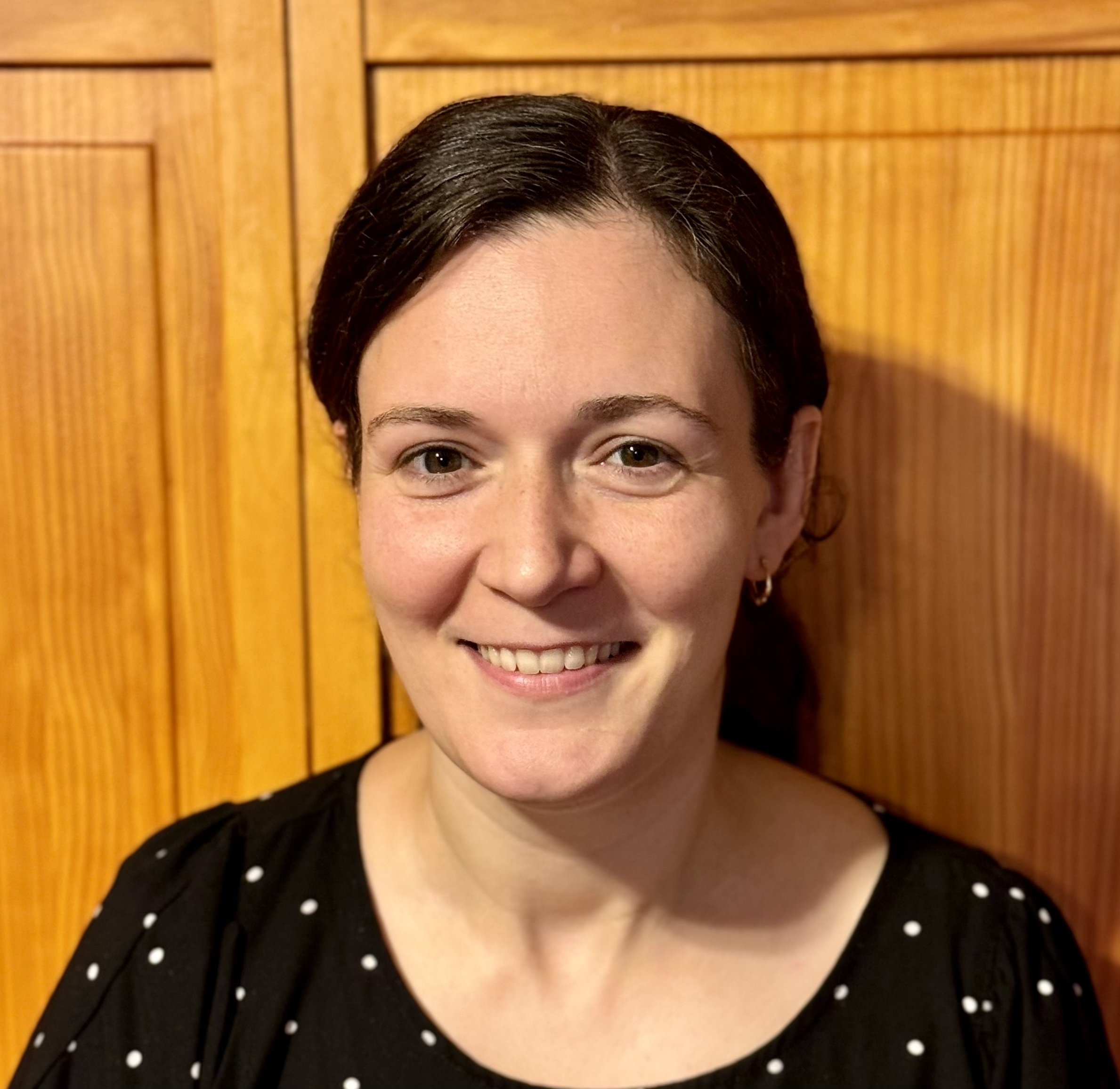
Stephanie DeMora Teaches Passionate Politics
POL 562: Passionate Politics: Mobilization, Interest Groups, and Social Movements
Dr. DeMora is an Assistant Professor. She studies political engagement and underrepresented
groups. For more on Dr. DeMora and her research, go here. Here’s what Dr. DeMora had to say about her course:
“In my Passionate Politics course, we’ll see how people’s social identities – their
attachments to important groups in their lives – mobilize them to vote and be politically
active. We’ll also look at the role of emotions like anger and anxiety in our political
lives.”
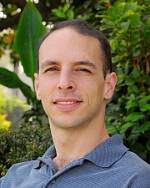
Peter DeScioli teaches about Moral Politics
POL 571: Moral Politics
Dr. DeScioli is an Associate Professor. He studies how our moral minds lead us to
create laws and politics. For more on Dr. DeScioli and his research, go here. Here’s what Dr. DeScioli had to say about his course:
“In my Moral Politics course, we’ll see how moral outrage can make citizens and legislators
refuse to compromise. Our moral convictions can grind negotiations to a halt, leaving
everyone worse off.”
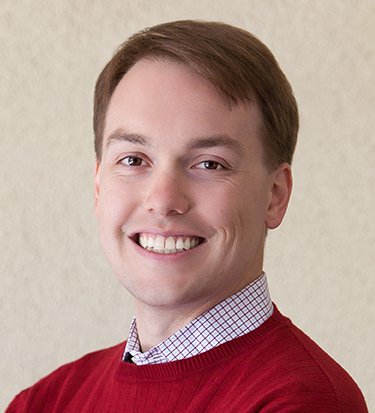
Andrew Engelhardt teaches about the Dynamics of Public Opinion
POL 561: Dynamics of Public Opinion
Dr. Engelhardt is an Assistant Professor. He studies inclusion and group-based inequality
in multi-racial democracies. For more on Dr. Engelhardt and his research, go here. Here’s what Dr. Engelhardt had to say about his course:
“In my Public Opinion course, we'll explore how people form beliefs and attitudes
about the political world around them, and how this can lead to a strong democracy
or the type of widespread polarization we see in the U.S. today.”
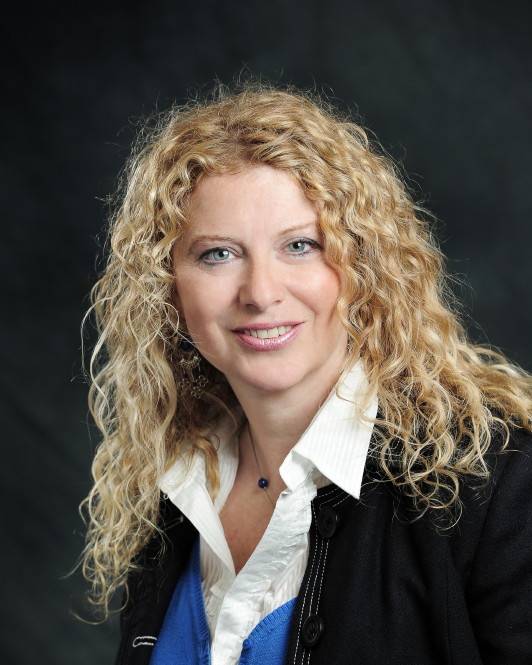
Gallya Lahav teaches about Culture and Values
POL 567: Culture, Values, and Public Opinion
Dr. Lahav is a Professor in our department. She studies migration and integration
in democracies. For more on Dr. Lahav and her research, go here. Here’s what Dr. Lahav had to say about her course:
“In my course on Culture, Values, and Public Opinion, we’ll see how democracies are
affected by and react to culture, ideology, socio-economic cleavages, identity, and
xenophobia. We’ll also go in depth with important, worldwide surveys such as the World
Values Survey.”
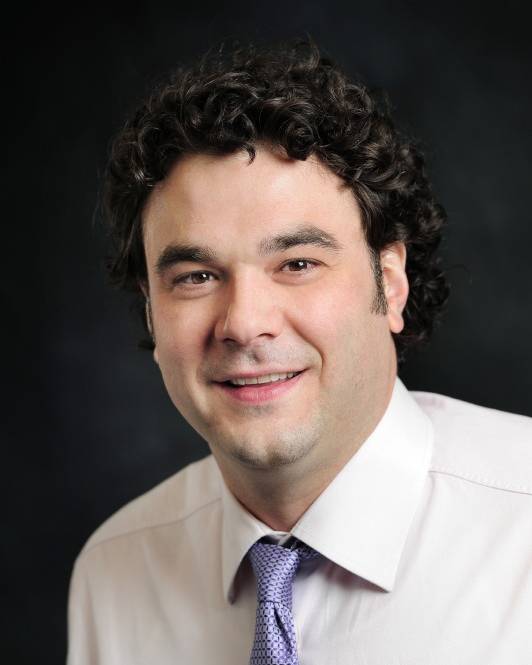
Reuben Kline teaches about Behavioral Economics
POL 521: Behavioral Economics & Public Policy
Dr. Kline is an Associate Professor. His research uses insights from economics to
make sense of politics, including topics like artificial intelligence and climate
change. For more on Dr. Kline and his research, go here. Here’s what Dr. Kline had to say about his course:
“In my course on Behavioral Economics and Public Policy, we will see how policymakers
can use our understanding of human psychology to design and implement better public
policies. We’ll also learn the latest techniques for evaluating the effectiveness
of a policy.”
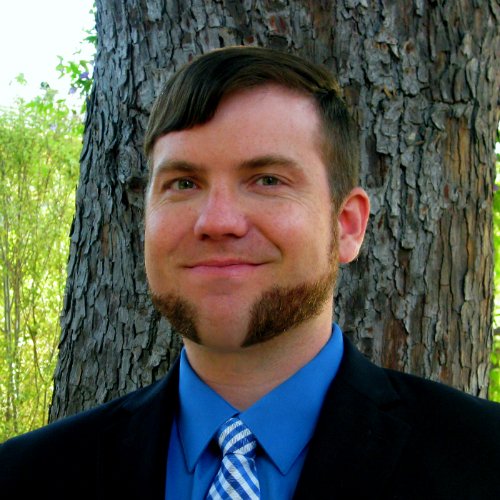
Andrew Delton teaches about Research Methods
POL 504: Research Design
Dr. Delton is the director of the MA in Political Psychology and an Associate Professor.
He studies rationality and emotions in politics, including their role in the politics
of climate change and social welfare. For more on Dr. Delton and his research, go here. In addition to running the MA program, Dr. Delton also teaches in it. Here’s what
he had to say about his course:
“In my Research Design course, we’ll learn about the techniques that political scientists
use to understand the world, including how to design surveys and experiments.”
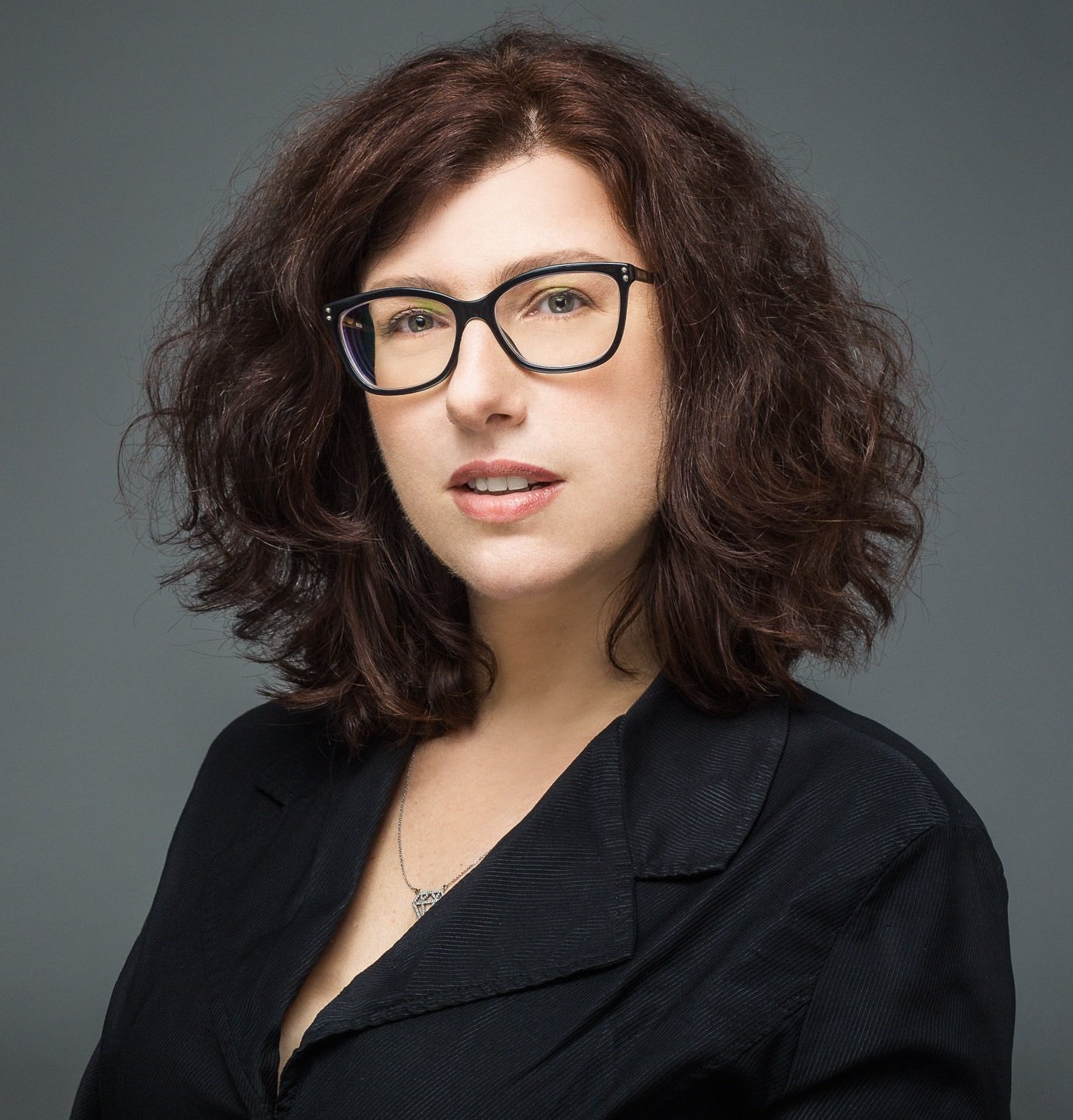
Pazit Ben-Nun Bloom teaches Statistics
POL 501: Introductory Statistics
POL 502: Intermediate Statistics
Dr. Ben-Nun Bloom is a Professor. She studies religion and comparative politics. For
more on Dr. Ben-Nun Bloom and her research, go here. Dr. Ben-Nun Bloom teaches our course on Intermediate Statistics, and this is what
she had to say about it:
“In my Statistics course, we’ll learn how to use state-of-the-art stats programs to
analyze the data that political scientists collect.”