


Nobel and Breakthrough Prize Laureates
Prizes
"All of my remaining realisable assets are to be disbursed as follows: the capital, converted to safe securities by my executors, is to constitute a fund, the interest on which is to be distributed annually as prizes to those who, during the preceding year, have conferred the greatest benefit to humankind. The interest is to be divided into five equal parts and distributed as follows: one part to the person who made the most important discovery or invention in the field of physics; one part to the person who made the most important chemical discovery or improvement; one part to the person who made the most important discovery within the domain of physiology or medicine; one part to the person who, in the field of literature, produced the most outstanding work in an idealistic direction; and one part to the person who has done the most or best to advance fellowship among nations, the abolition or reduction of standing armies, and the establishment and promotion of peace congresses."-- Alfred Nobel
Since 1901, the Nobel Prize has been awarded in the fields of physics, chemistry, physiology or medicine, literature and peace to a total of over 900 laureates, some members of which called Stony Brook University their home during their career.
"Knowledge is humanity’s greatest asset. It defines our nature, and it will shape our future. The body of knowledge is assembled over centuries. Yet a single mind can extend it immensely. Einstein reimagined space and time. Darwin distilled the chaos of life to a single idea. Turing figured out what it means to think. Great scientists enrich us all. They enable technologies that ease our lives, but they also show us what’s beyond our horizons. Science is revealing worlds far beyond the everyday scale, from the subatomic and cellular to the stellar and galactic. Increasingly we can think at these levels and trace the connections between them. And as we do, we are making progress on the truly big questions... The Breakthrough Prize, renowned as the “Oscars of Science”, recognizes the world’s top scientists working in the fundamental sciences – the disciplines that ask the biggest questions and find the deepest explanations."Laureates are honored annually at a globally broadcasted ceremony that celebrates their achievements and contributions to the world. Since the inception of this award, Stony Brook is proud to claim four of the named recipients as department members, and even more members have worked on the awarded collaborations.
Laureates
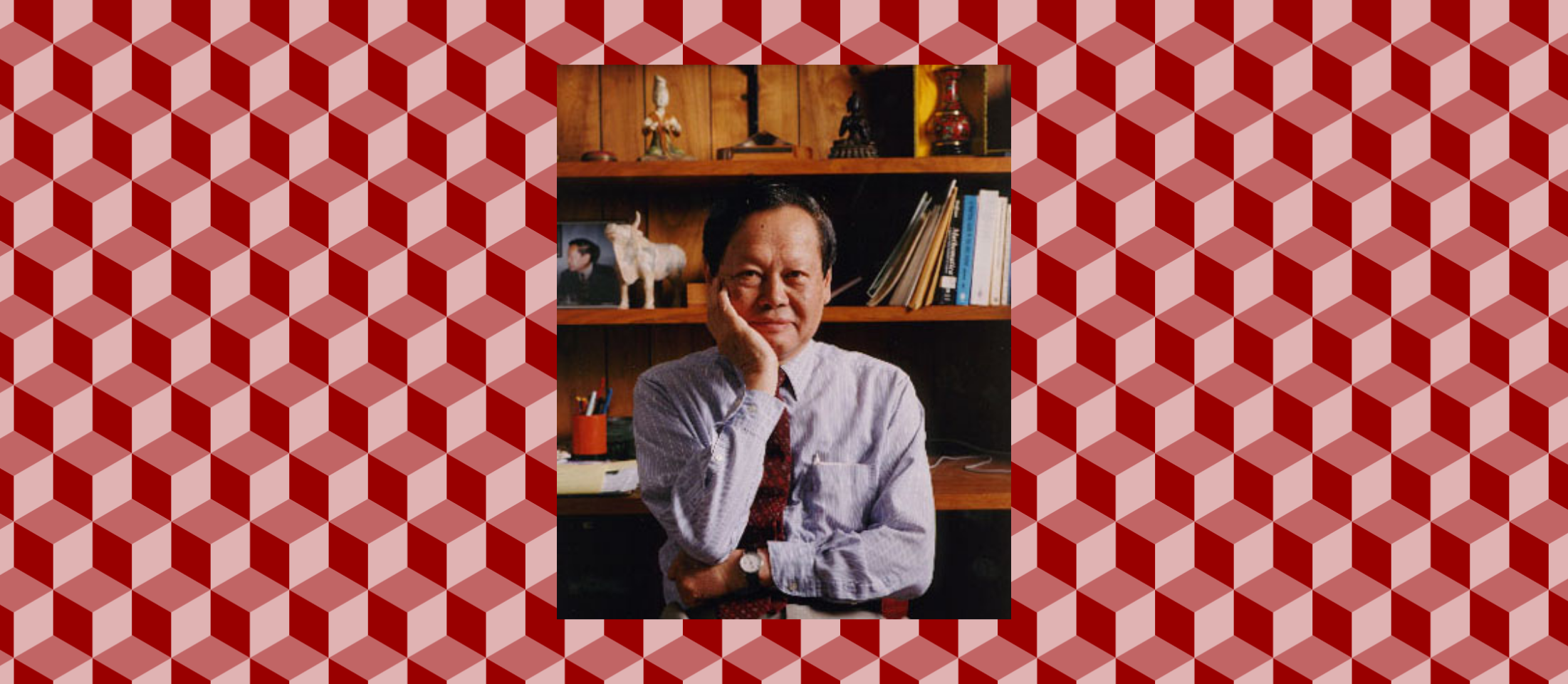
"For their penetrating investigation of the so-called parity laws which has led to important discoveries regarding the elementary particles."
At the time of receiving the award, C.N. Yang was affiliated with the Institute for
Advanced Study at Princeton. A few years later, in 1965, he joined the faculty at
Stony Brook as the Albert Einstein Professor of Physics and became the first director
of the eponymous C.N. Yang Institute for Theoretical Physics.
Visit C.N. Yang's biography on the Nobel Prize website.
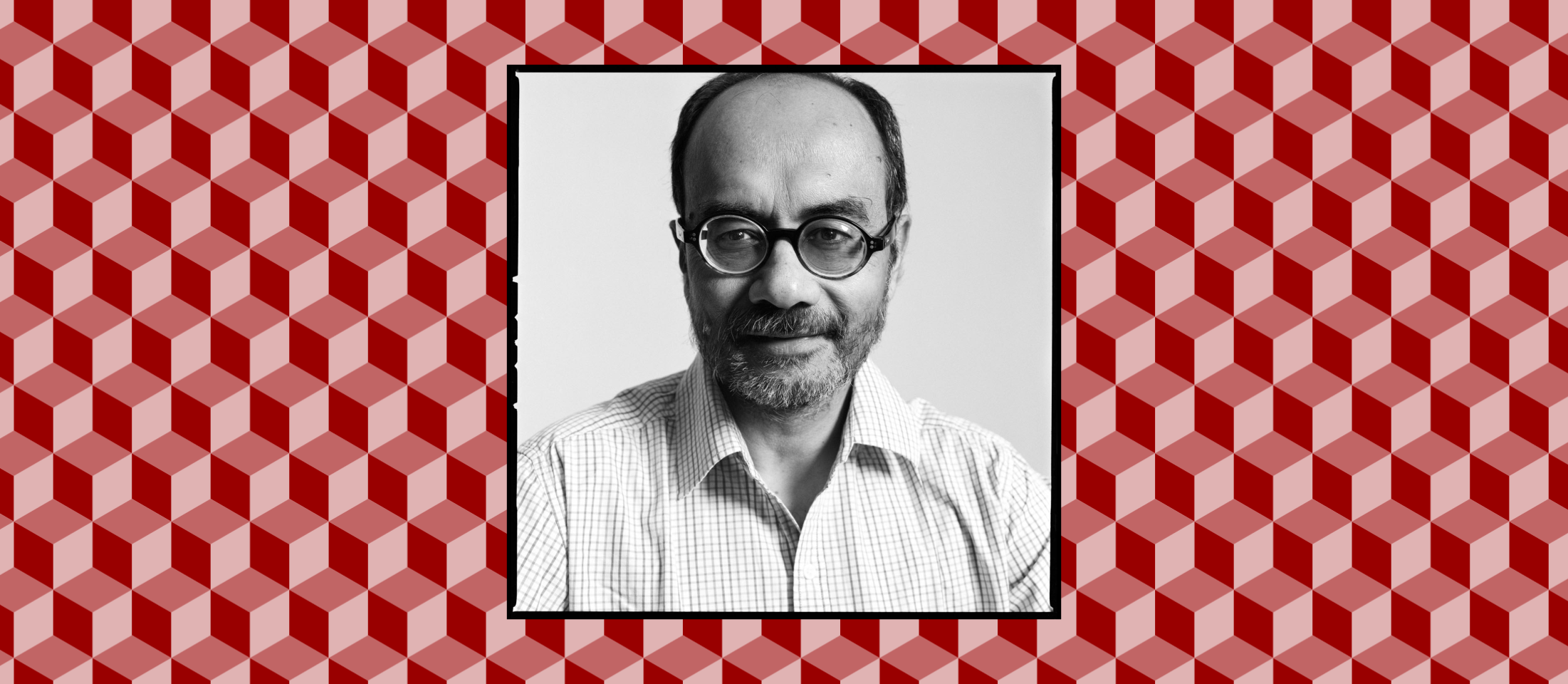
"For uncovering striking evidence of strong-weak duality in certain supersymmetric string theories and gauge theories, opening the path to the realization that all string theories are different limits of the same underlying theory."
Dr. Sen received his Ph.D. in Physics from Stony Brook University in 1982. He was
affiliated with the Harish-Chandra Research Institute when he received the prize,
and is currently affiliated with the International Centre for Theoretical Sciences
in Bangalore.
Visit Ashoke Sen's page on the Breakthrough Prize website.
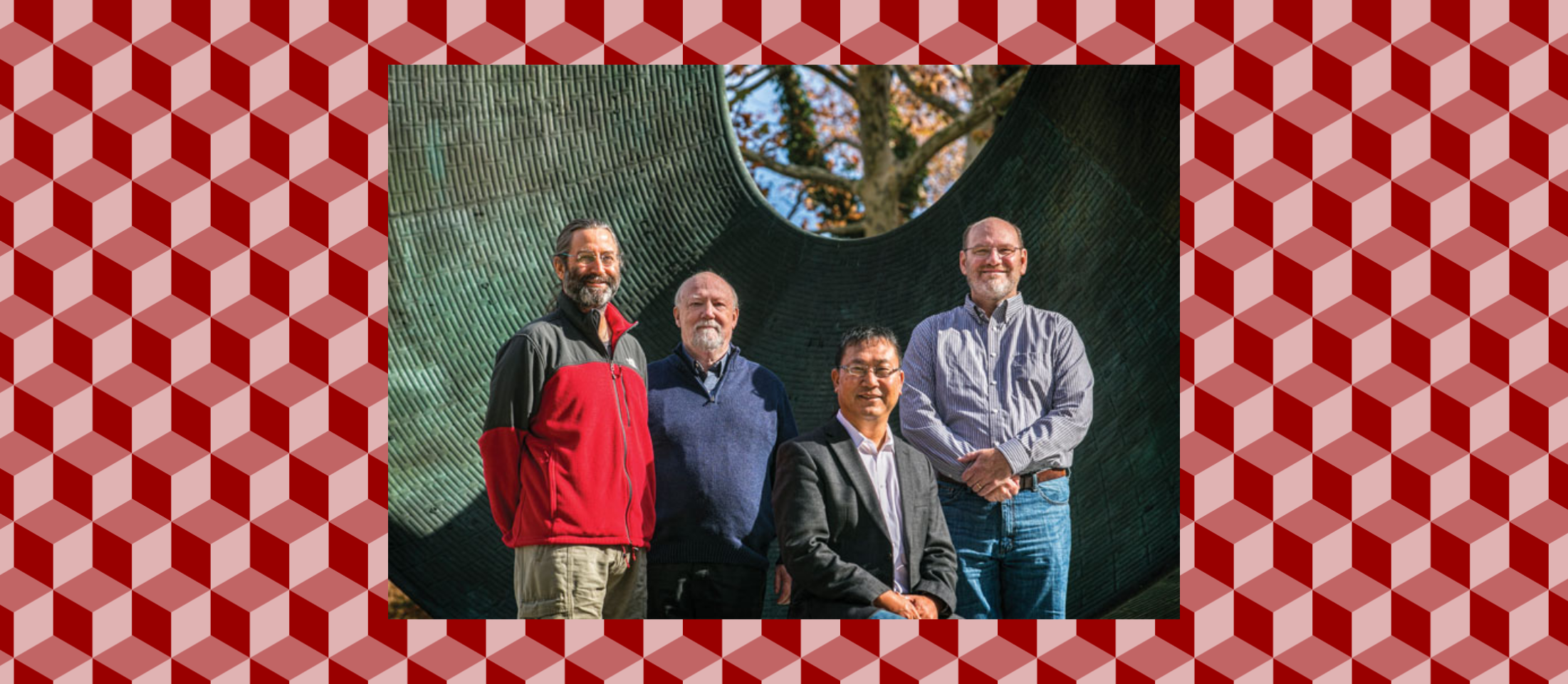
"For the fundamental discovery and exploration of neutrino oscillations, revealing
a new frontier beyond, and possibly far beyond, the Standard Model of particle physics."
Led by Dr. Chang Kee Jung, members of the Neutrino and Nucleon Decay research group
in the Physics and Astronomy Department were among the honored recipients of the shared
prize for 2016.
Visit the Stony Brook University story.
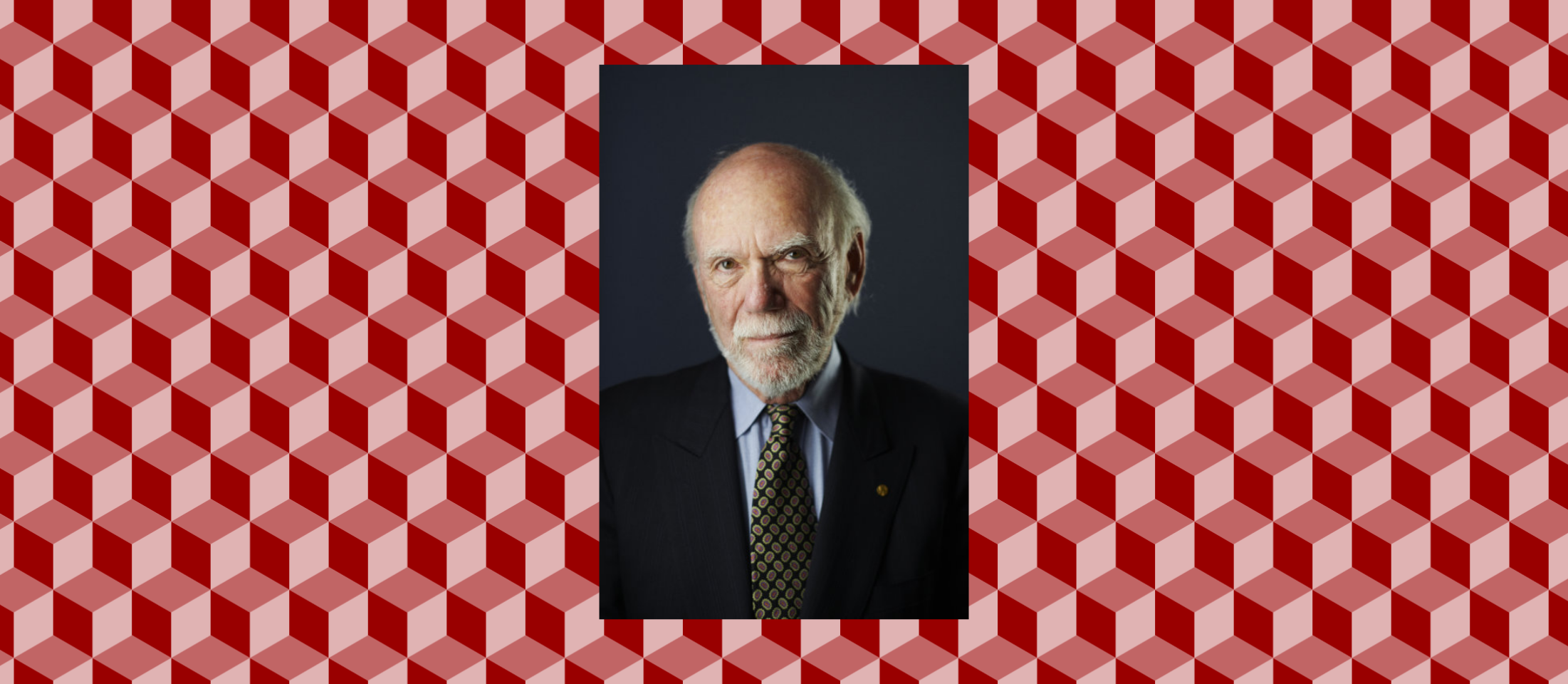
"For decisive contributions to the LIGO detector and the observation of gravitational waves."
Dr. van Nieuwenhuizen received his Ph.D. from the University of California, Berkeley,
in 1962. At the time of receiving the prize, he was affiliated with Caltech. In 2023,
he was appointed as the President’s Distinguished Endowed Chair in Physics at Stony
Brook.
Visit Barry Barish's profile.
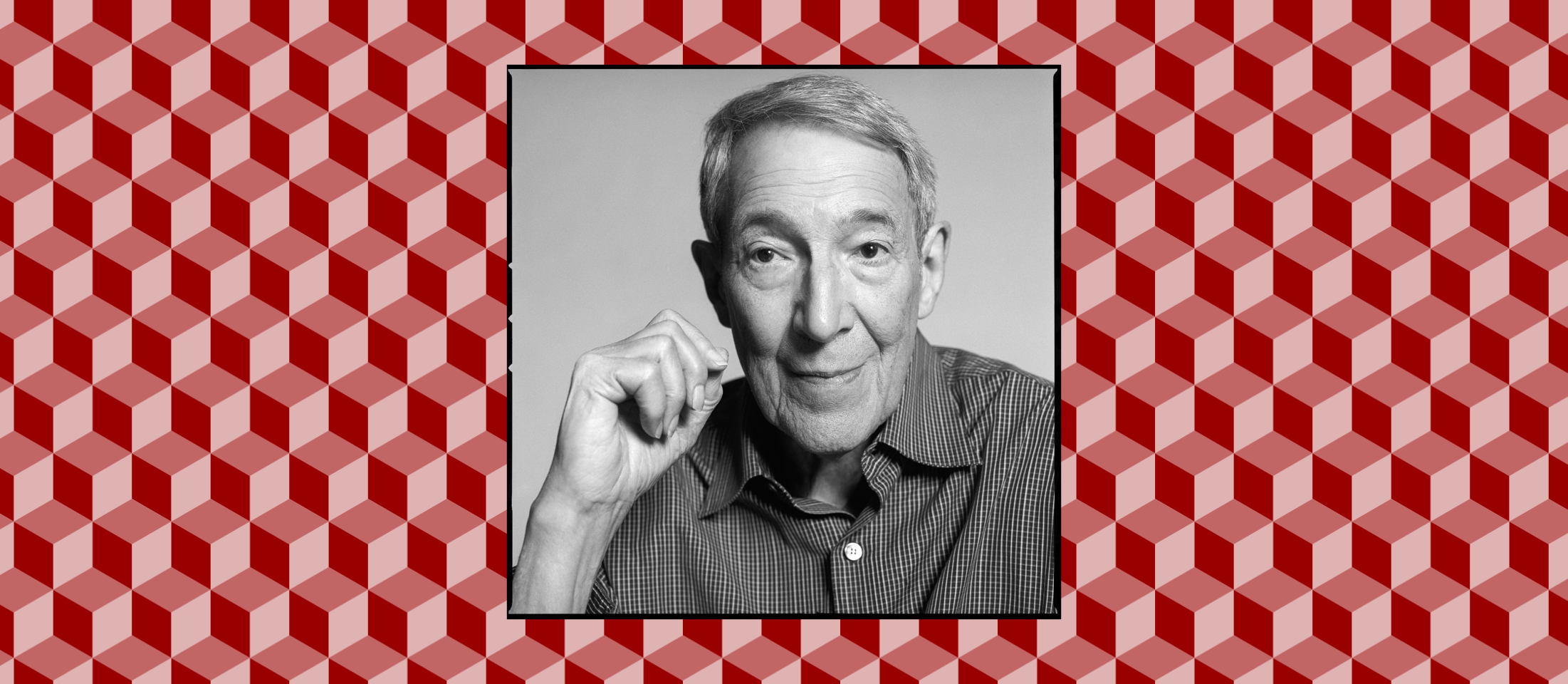
"For the invention of supergravity, in which quantum variables are part of the description of the geometry of spacetime."
While affiliated with MIT at the time of receiving the prize, prior to his position
there he was a professor at Stony Brook University in the Yang Institute for Theoretical
Physics.
Visit Daniel Freedman's page on the Breakthrough Prize website.
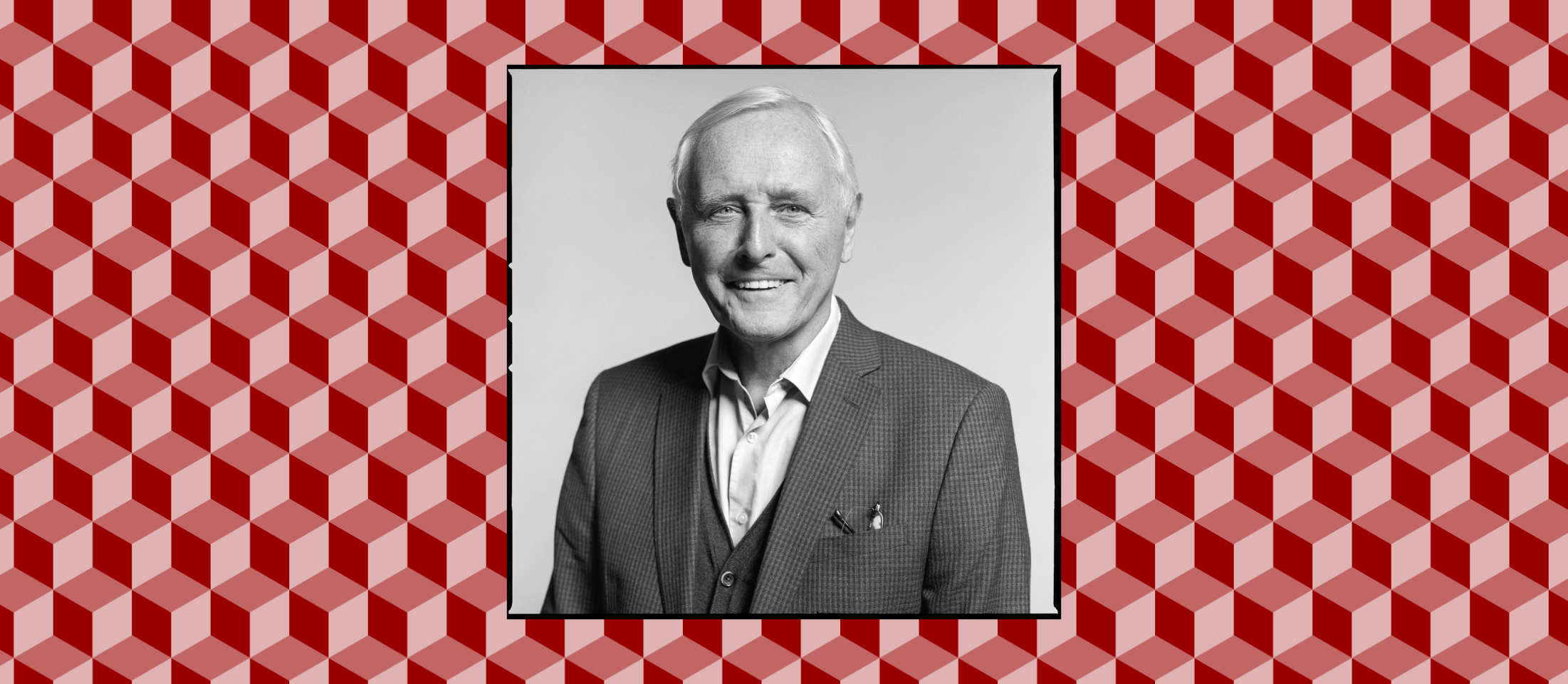
"For the invention of supergravity, in which quantum variables are part of the description of the geometry of spacetime."
Dr. van Nieuwenhuizen received his Ph.D. from Utrecht University in 1971. In 1975,
he was hired as an Assistant Professor at Stony Brook University. In the years that
have followed, he was earned many awards and distinctions during his career here.
He is currently a Distinguished Professor Emeritus of Physics.
View Peter van Nieuwenhuizen's profile.
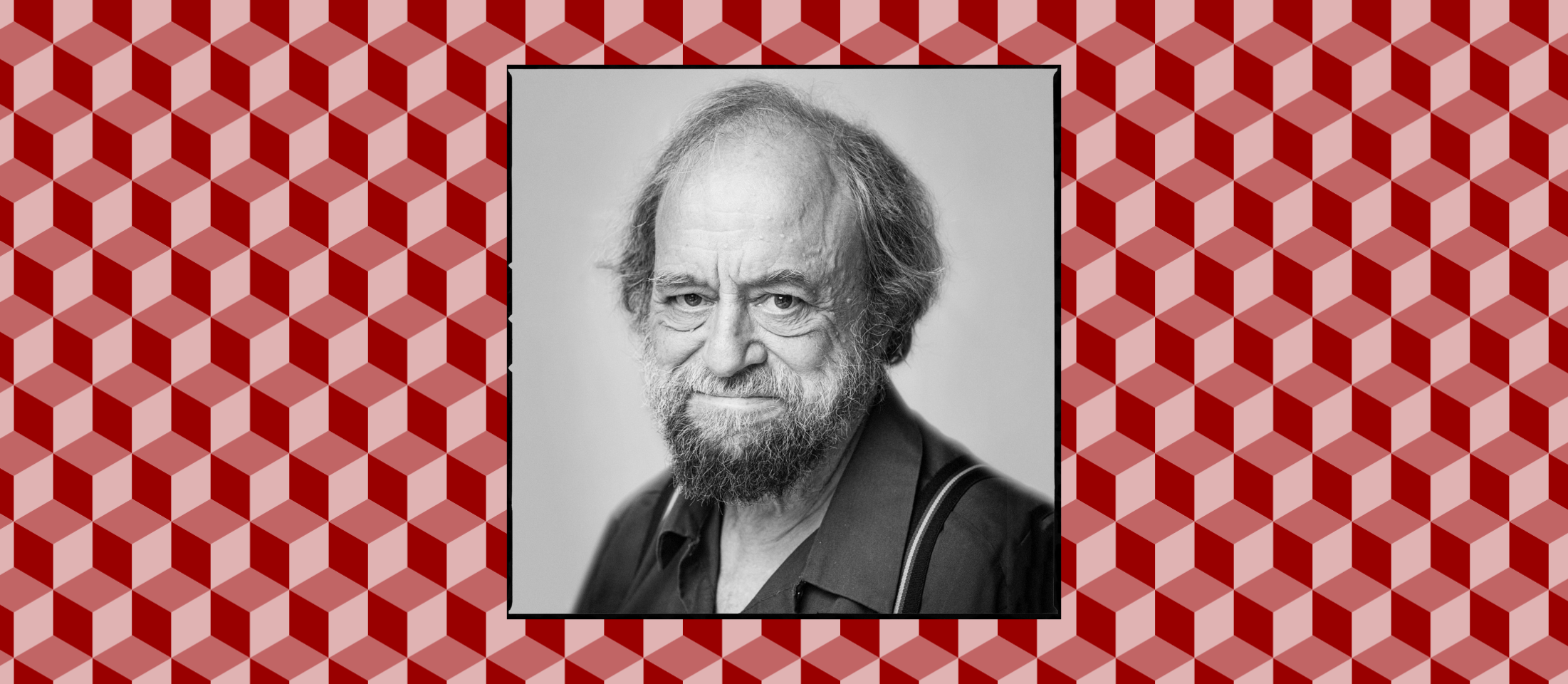
"For profound contributions to statistical physics and quantum field theory, with diverse and far-reaching applications in different branches of physics and mathematics."
Dr. Zamodlodchikov received his Ph.D. from Moscow's Institute for Theroretical and Experimental Physics in 1978. He is currently the C.N. Yang/Wei Deng Endowed Chair in the Physics and Astronomy Department here at Stony Brook Unversity.
View Alexander Zamolodchikov's profile.
"For detailed measurements of Higgs boson properties confirming the symmetry-breaking mechanism of mass generation, the discovery of new strongly interacting particles, the study of rare processes and matter-antimatter asymmetry, and the exploration of nature at the shortest distances and most extreme conditions at CERN’s Large Hadron Collider."
Recipients from Stony Brook University include Profs. Arnold, Dao, Engelmann (ret.), Hobbs, Jia, McCarthy (ret.), Piacquadio, Rijssenbeek (ret.), Schamberger and Tsybyshev and Dr. Bee.
View the ATLAS collaboration's page on the Breakthrough Prize website.