


From Discovery to Impact
An Interdisciplinary Conference on the Science of Science and Entrepreneurship
March 26–27, 2027 · Charles B. Wang Center, Stony Brook University · Call for Papers
Two fields, one object of study: the lifecycle of an idea. Stony Brook invites paper and poster submissions.
- A two-day mini-research conference limited to 50 participants.
- Early-stage, in-progress, and pre-publication work is welcome.
- Open to all career stages, in academia and industry.
- Both Stony Brook and external participants are encouraged to submit.
Abstracts are due November 30, 2026.
Two Days, Two Tracks
Day 1 · March 26
The Creation of Knowledge
Science of Science. Keynotes, paper sessions, an interdisciplinary panel, and a poster
session.
Day 2 · March 27
The Commercialization of Knowledge
Entrepreneurship. Paper sessions and a grant-incubation workshop where participants
form multi-PI teams.
| Host | Venue | Format | Dates | Abstracts Due |
| Stony Brook University | Charles B. Wang Center, Stony Brook, NY | Two-day mini-research conference, 50 participants | March 26–27, 2027 | November 30, 2026 |
About the Conference
Stony Brook University invites paper and poster submissions for From Discovery to Impact, a focused, high-engagement conference at the nexus of the Science of Science and Entrepreneurship. The two fields share a common object of study — the lifecycle of an idea — yet have largely developed in isolation. The Science of Science (SoS) uses large-scale data and computational models to understand how knowledge is produced; entrepreneurship research explains how that knowledge is commercialized.
By convening scholars from both traditions, the conference takes up questions that neither field can answer alone:
|
The program moves deliberately from theory to action. Day 1 centers on the creation of knowledge, with keynote addresses, paper sessions, an interdisciplinary panel, and a poster session. Day 2 shifts to the commercialization of knowledge, culminating in a grant-incubation workshop where participants form multi-PI teams and map proposals to specific funding mechanisms.
Themes and Topics of Interest
We welcome early-stage, in-progress, and pre-publication work spanning business strategy, entrepreneurship, sociology, information science, science and technology studies, economics, computer science, and related disciplines. We are open to submissions that bridge multiple domains, such as complexity science. Submissions may address, but are not limited to, the themes below.
Track 1 — The Creation of Knowledge
Science of Science
- Scientific ideation and discovery: measuring the quality, novelty, and impact of scientific ideas; evaluating AI-assisted knowledge creation; predicting scientific breakthroughs.
- Scholarly careers and impact: career trajectories, professional setbacks, individual characteristics, and factors that shape and help predict scientific impact.
- Scientific collaboration: team formation and composition, collaborative networks, and conditions that foster effective and novel research.
- Institutional dynamics: how universities, labs, firms, NGOs, evaluation systems, mentorship, and organizational support shape scientific activity.
- Scientific ecosystems: funding and resource allocation, science policy, peer review, the geography of science, and the broader systems influencing scientific progress.
- Emerging approaches to knowledge creation: new theories, methods, data, technologies, and ethical considerations that advance our understanding of science.
Track 2 — The Commercialization of Knowledge
Entrepreneurship
- Commercialization models: assessing commercial potential, selecting pathways to market, and predicting and measuring long-term commercial, technological, and social impact.
- Founders, inventors, and investors: their characteristics, motivations, and entry decisions; access to inventive opportunities and recognition; and roles in venture success.
- Science-based ventures: team formation, lab-to-market transition, academic commercialization, competitive dynamics, venture survival, and growth.
- Technology transfer: technology transfer office practices, intellectual property strategy and management, patenting, licensing, and university–industry linkages.
- Innovation ecosystems: regional impact, innovation policies, translational research funding, and economic development.
- Emerging approaches: new theories, methods, data, technologies, and business models, as well as the social, policy, and ethical considerations of commercialization.
Who Should Submit
The conference welcomes participants at all career stages from academia and industry, including:
Participants work across business strategy, entrepreneurship, sociology, information science, science and technology studies, economics, computer science, and related disciplines.
We especially welcome submissions from early-career researchers and students, as well as regional collaborators from peer research institutions. Both Stony Brook and external participants are encouraged to submit.
Featured Speakers
Five preeminent scholars whose work defines the frontiers of our two tracks.
Day 1 — The Creation of Knowledge
Brian Uzzi
Northwestern University

Richard L. Thomas Professor of Leadership and Organizational Change at the Kellogg School of Management and co-director of the Northwestern Institute on Complex Systems. His research uses social network science and computational methods to study outstanding human achievement and the role of AI in human–machine partnerships.
Donald Siegel
Arizona State University

Regents Professor and Foundation Professor of Public Policy and Management in the School of Public Affairs, and co-executive director of the Global Center for Technology Transfer. An economist whose work spans university technology transfer, academic entrepreneurship, and innovation.
Maribel Guerrero
Arizona State University
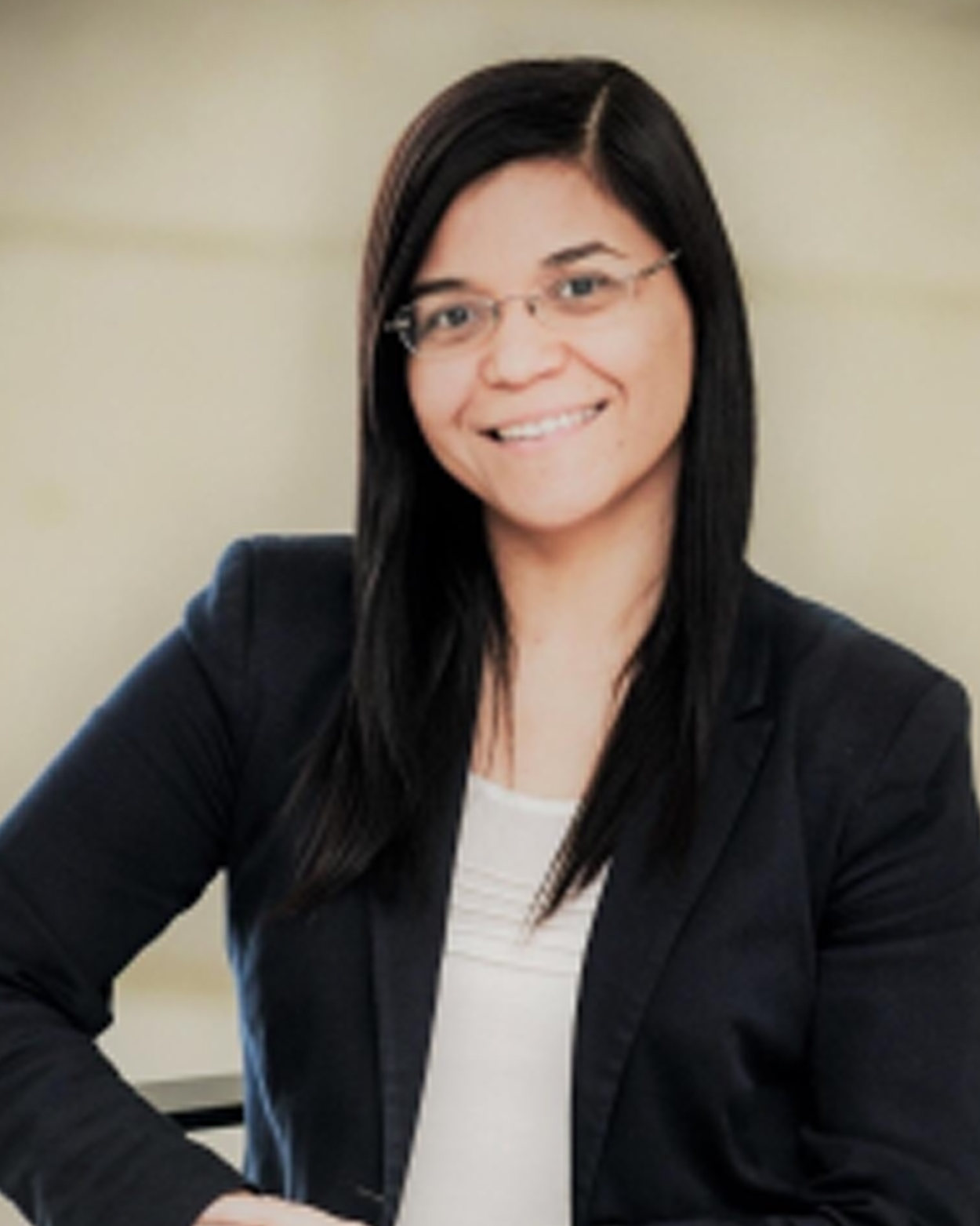
Professor of Public Policy and Management in the School of Public Affairs and the Global Center for Technology Transfer. Her research examines the managerial and policy implications of entrepreneurship, technology transfer, entrepreneurial universities, and regional ecosystems.
Day 2 — The Commercialization of Knowledge
Dashun Wang
Northwestern University
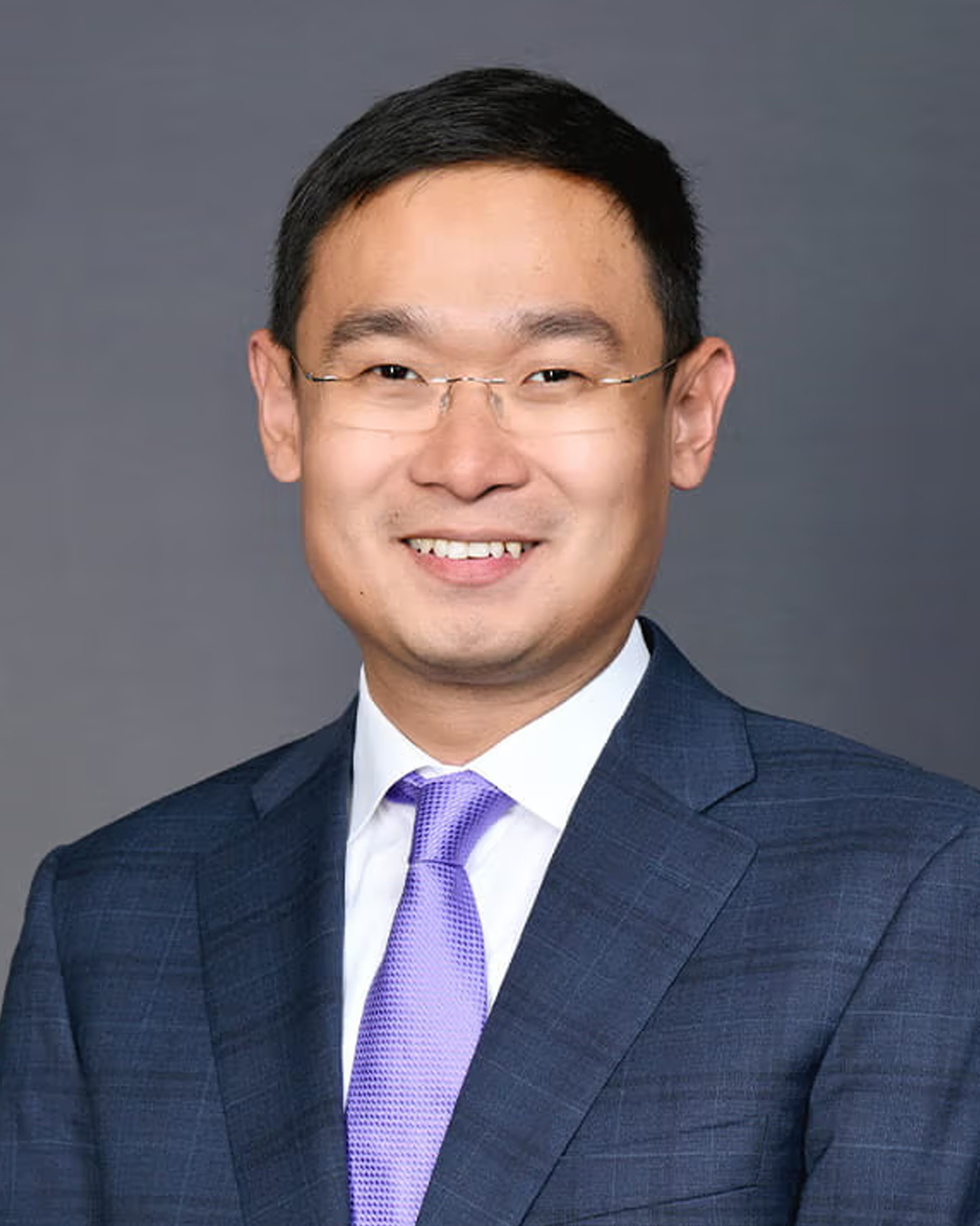
Kellogg Chair of Technology, and founding director of both the Center for Science of Science and Innovation and the Northwestern Innovation Institute. His work applies data science, network science, and AI to the study of science, innovation, and scientific careers.
Pankaj Patel
Villanova University
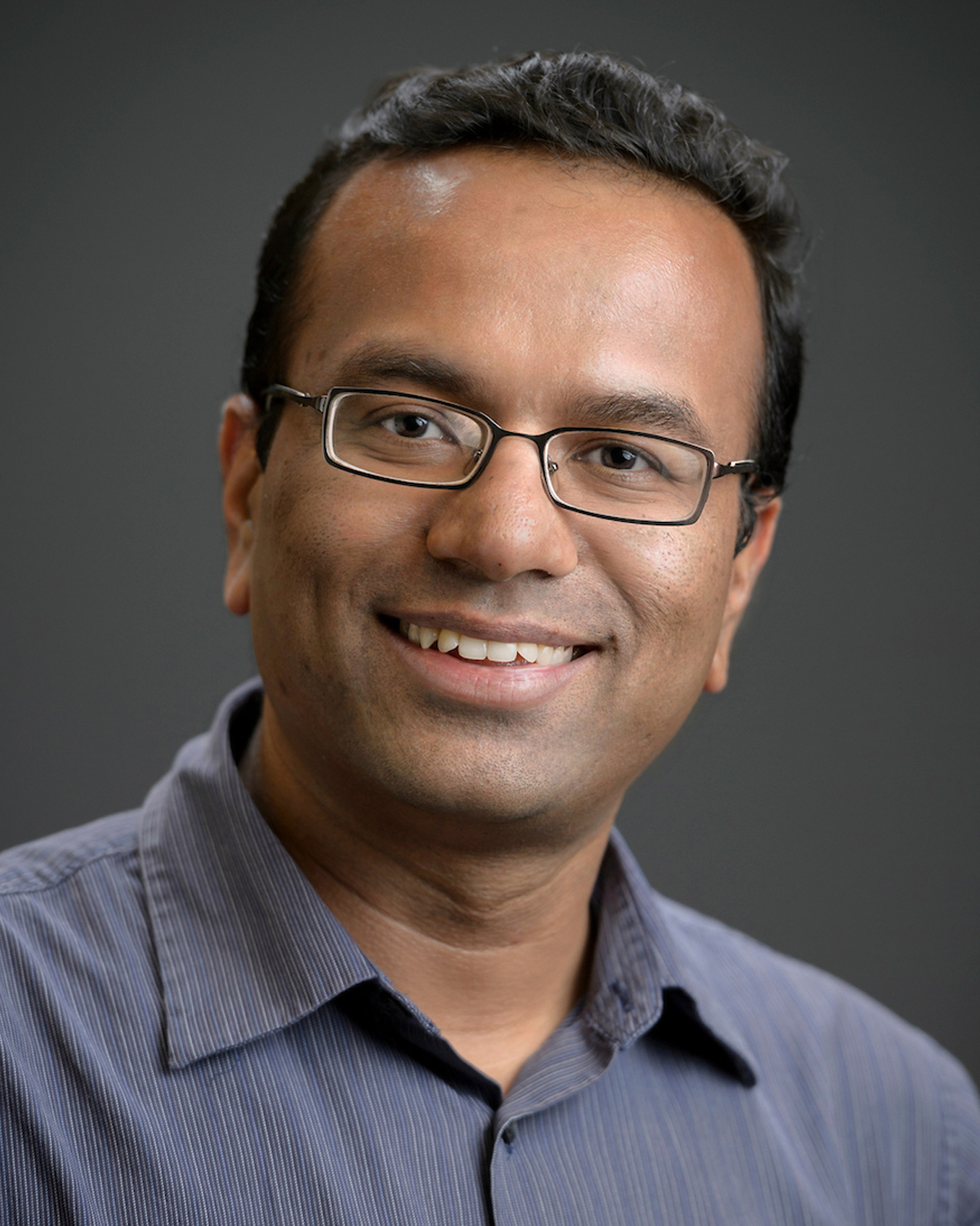
Frank J. and Jane E. Ryan Endowed Chair in Strategy and Innovation at the Villanova School of Business. His research examines entrepreneurship, innovation, operations, and the links between self-employment and health.
Why Participate
Expert Feedback
Present pre-publication research and receive feedback from senior scholars and world-class external experts.
Interdisciplinary Networks
Build interdisciplinary networks across schools, colleges, and peer institutions.
Grant Incubation
Join grant-incubation workshops that map concrete, multi-PI proposals to federal and foundation funding.
Early-Career Support
For students and early-career researchers: dedicated mentorship, poster sessions, and structured networking.
Publication Opportunities
Explore publication pathways, including a potential special issue with an expedited submission process.
Submission Types
Paper Presentations
Accepted papers are presented in themed paper sessions across both days. Early-stage and pre-publication research is explicitly encouraged — the conference is designed as a venue for feedback, not only finished work.
Posters
The Day 1 poster session gives junior researchers and students a dedicated forum to present work and receive direct feedback from senior experts and external keynote speakers.
All submissions begin with an extended abstract. Authors indicate their preferred format (paper or poster); the organizing committee may propose an alternative format based on fit and program balance.
Review and Selection
Submissions are reviewed by the organizing committee for relevance, quality, and fit with the program’s interdisciplinary aims. Because the conference is built around a results-first architecture — pairing traditional sessions with grant-incubation workshops — priority is given to work that can seed multi-PI collaborations and future proposals to mechanisms such as:
- NSF Science of Science: Discovery, Communication, and Impact (SoS:DCI)
- NSF Technology, Innovation and Partnerships (TIP)
- The Sloan Foundation
Important Dates
September 15, 2026
Call for abstracts opens
November 30, 2026
Abstract submission deadline
January 15, 2027
Notification of acceptance
March 26–27, 2027
Conference
Submission Guidelines
| Requirement | Details |
| Format | Extended abstract of no more than 1,000 words, including references (APA style), charts, graphs, and tables. Single-spaced, 12-point font, submitted as a PDF. |
| Include | Title; all author names, affiliations, and contact emails; preferred submission type (paper or poster); and the most relevant track or theme. |
| Content | State the research question, the approach or data, and the expected findings or contribution. In-progress work is welcome. |
| Limit | No author may be named on more than two submissions. |
| Submission portal | Submit via the Google Form A Google account is required to attach your PDF. |
Organizing Committee
Jungsoo Ahn

Strategy & Entrepreneurship, College of Business
Richard Chan
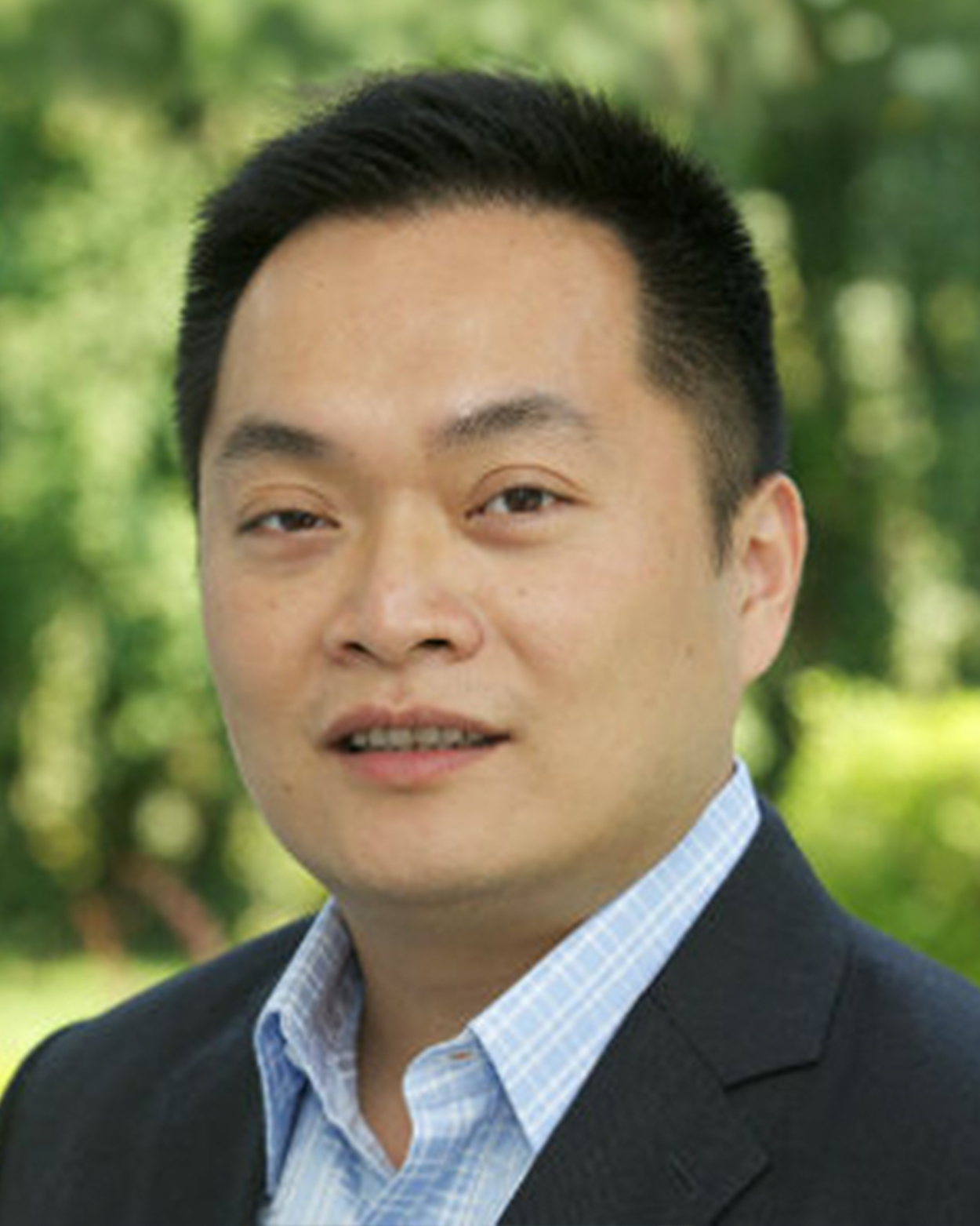
Strategy & Entrepreneurship, College of Business
Lav Varshney
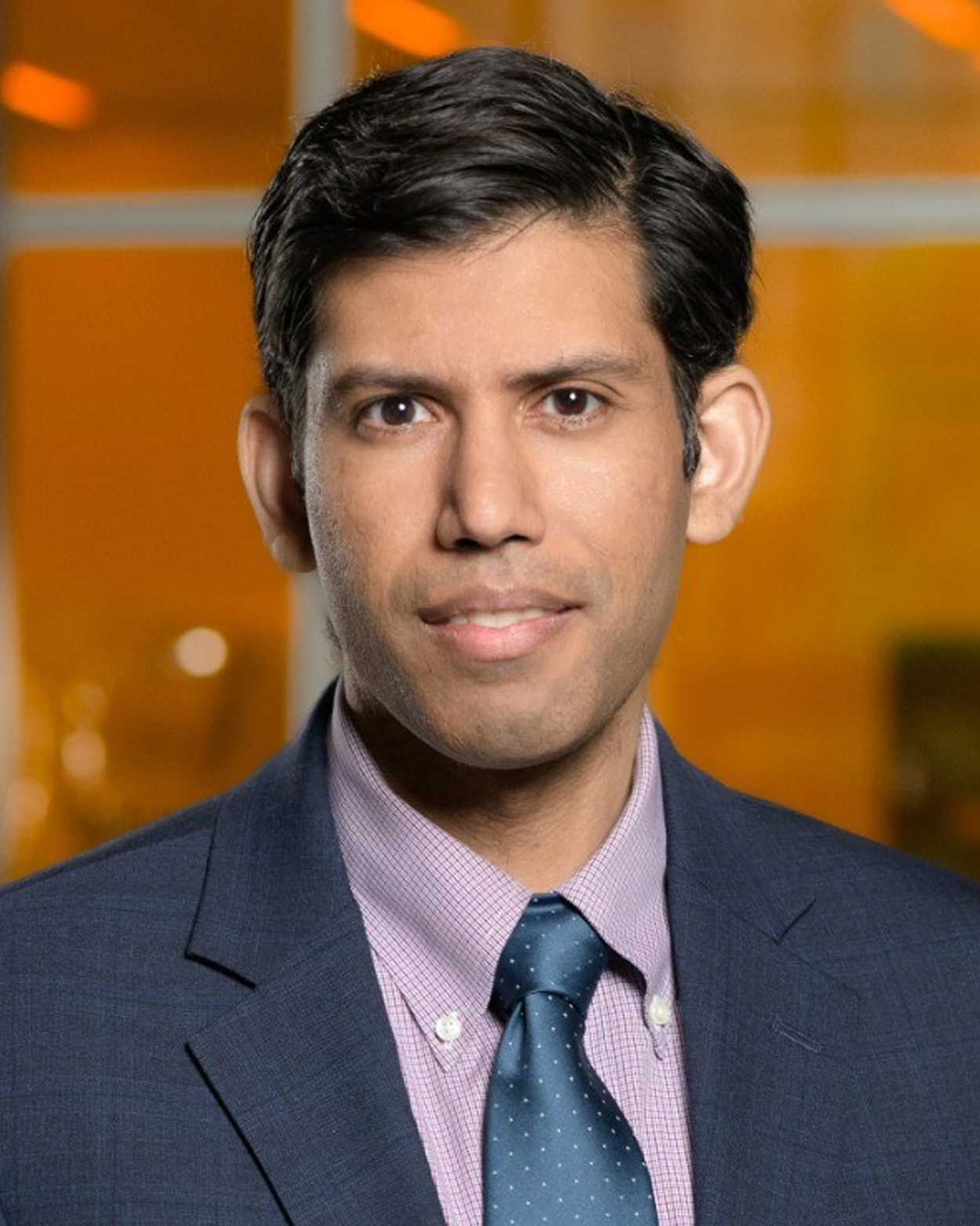
AI Innovation Institute (AI3)
Jieshu Wang
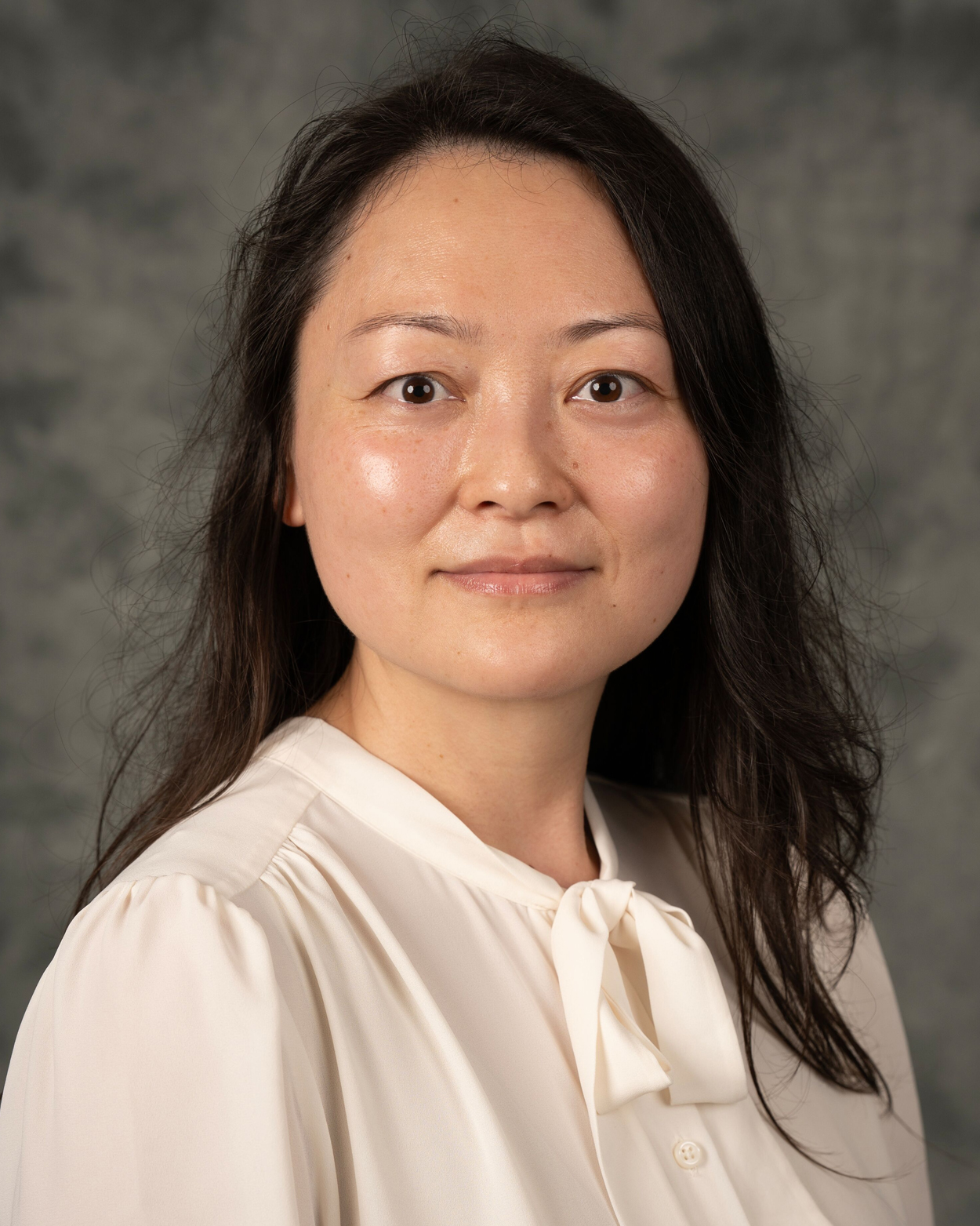
Technology, AI, and Society, College of Engineering and Applied Sciences
Yongjun Zhang
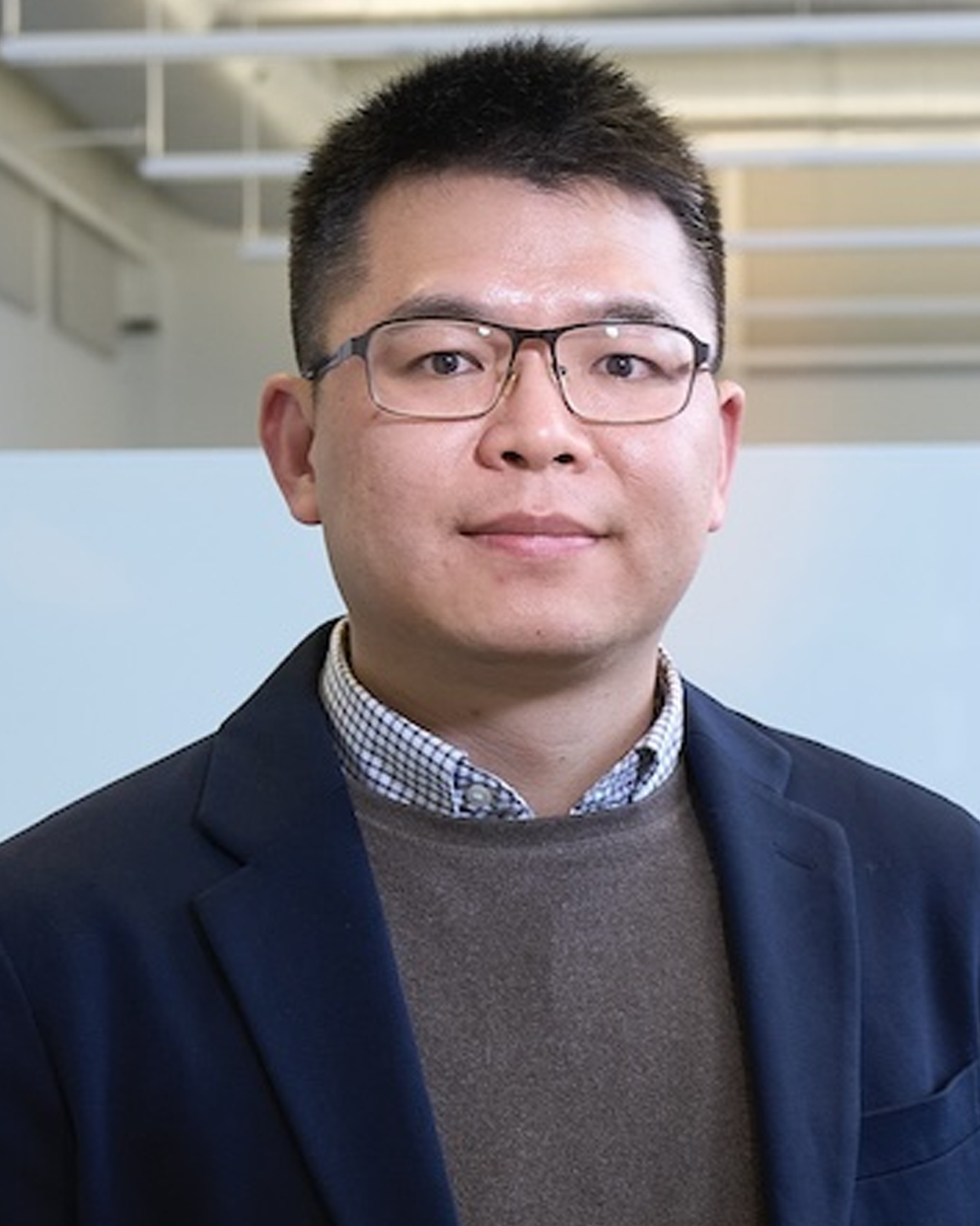
Sociology and Institute for Advanced Computational Science, College of Arts & Sciences
Convened in partnership with the Strategy and Entrepreneurship area (College of Business), the Department of Technology, AI, and Society (College of Engineering and Applied Sciences), the Department of Sociology (College of Arts and Sciences), and the AI Innovation Institute at Stony Brook University.
Abstracts Are Due November 30, 2026
Submit an extended abstract of no more than 1,000 words as a PDF. A Google account is required to attach your file.
Questions about submissions or the program? Contact the organizing committee:
Jieshu.Wang@stonybrook.edu · Jungsoo.Ahn@stonybrook.edu · Richard.Chan@stonybrook.edu