



Research Highlights
Our research spans the full spectrum of electrical and computer engineering, advancing
fundamental science and developing technologies that address critical challenges across
energy, computing, communications, healthcare, and autonomous systems.
We hope you enjoy learning about some of our latest research endeavors:
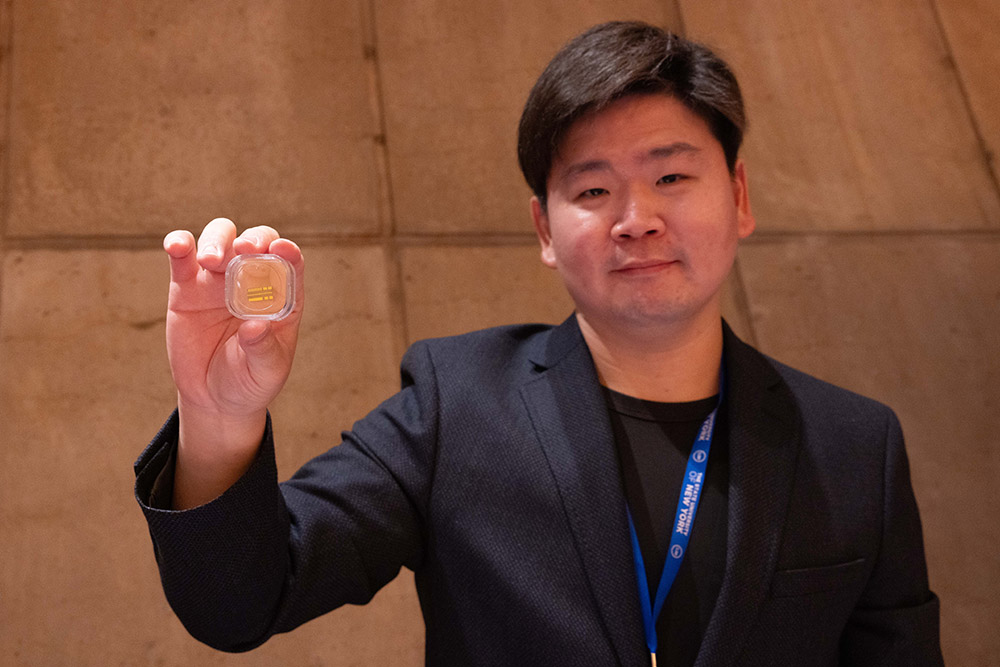
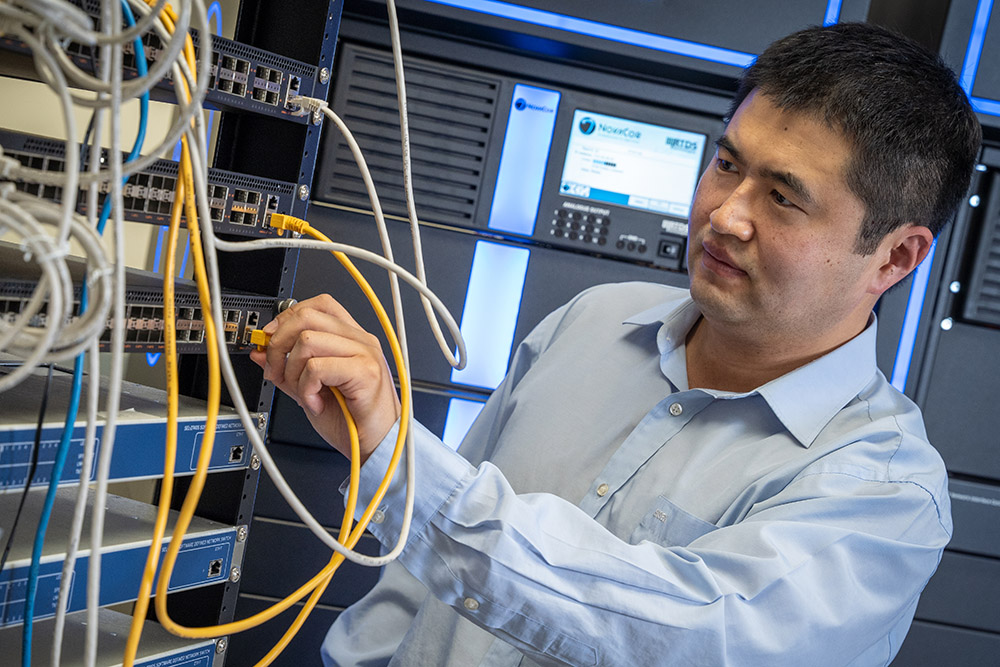
At the forefront of technological innovation, ECE faculty pursue patents as a natural extension of their research. Patented technologies can become critical assets for start-up companies, helping attract investment and protect new ideas.
Through Stony Brook’s Office of Technology Licensing and Industry Relations, faculty, staff, and students can disclose innovations for evaluation and potential patent protection. While not every disclosure becomes a patent or licensed technology, the process helps safeguard discoveries whose impact may not yet be fully recognized.
Stony Brook’s commitment to innovation has resulted in significant success, including $7.2 million in royalty income in 2018, 78 technology disclosures, 119 patent filings, 27 issued patents, and 14 executed licenses. Students can also contribute as co-inventors, gaining valuable experience with the patent process while sharing in potential royalties.
ECE faculty continue to contribute to Stony Brook’s legacy of invention, with eight department members among the university’s National Academy of Inventors chapter. Through their research and discoveries, they help advance technologies that shape the future.
The Intellectual Property Partners (IPP), operating under the Office for Research and Innovation, is a central hub university inventors, faculty, and entreprenuers to protect their intellectual property, file patents, and license their technologies. The office fosters collaborations between academic researchers and the corporate sector to bring innovations to the public.
Information on IPP
Faculty Perspectives: What Does Research Mean to You?
Prof. Mónica Bugallo
"Research is a fascinating endeavor for answering questions and solving problems that will change our lives. It allows creativity, inspiration, and innovation to come together to generate new knowledge and advance our society."

Prof. Thomas Robertazzi
“Going through school we are asked many questions ... When you do research you have to come up with the questions. A properly phrased research question can lead to results that change how we understand the world ... and change the world, hopefully, for the better.”
Prof. Emre Salman
“Research means having a free mind, critical thinking, and creativity. It also means group effort and lots of discussion ... I try to train my students for doing research so that we, together, look for answers that would, hopefully, improve the quality of life.”
Prof. Peng Zhang
"Research means a path to freedom. It means curiosity, creation, and persistence, and it fulfills fundamental needs in my life. As a power engineering researcher, I dedicate my research to transforming today’s power grids into tomorrow’s autonomous networks and flexible services."