Applied Mathematics and Statistics
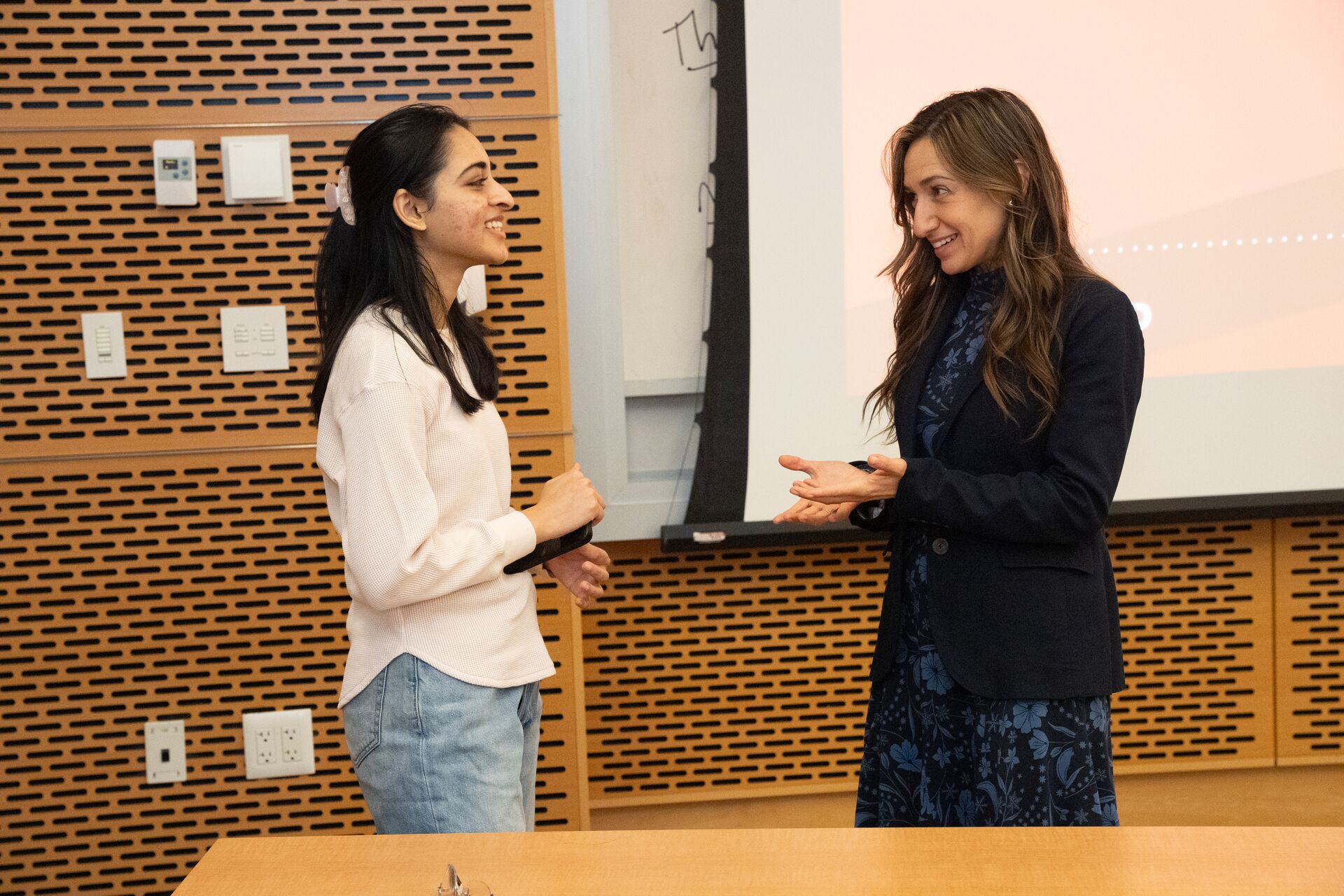
The Applied Mathematics and Statistics (AMS) BS program equips students with powerful quantitative tools in probability, statistics, operations research, and actuarial math.
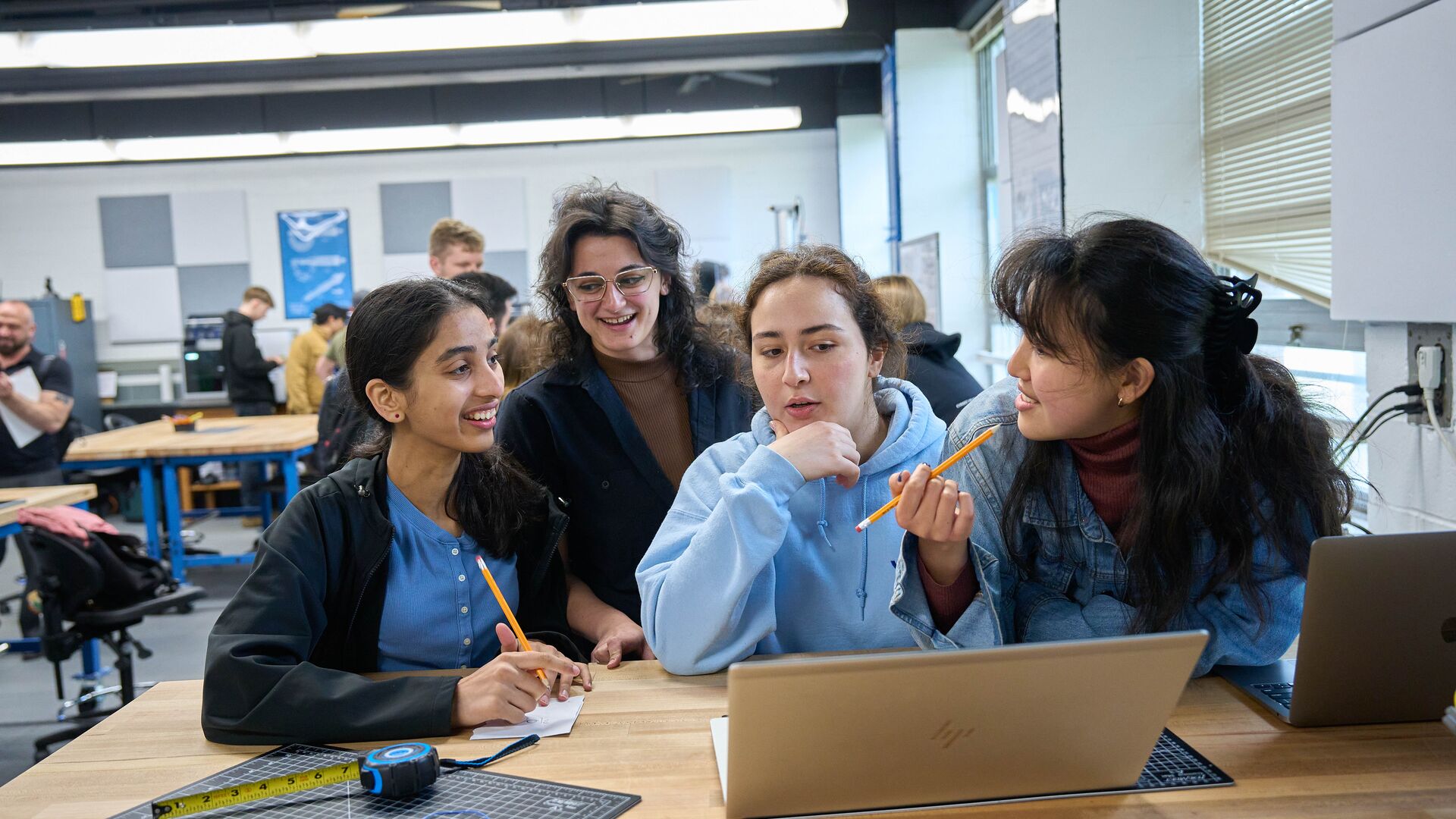
Designed for maximum flexibility, the program allows you to customize your coursework, pair your degree with a second major or minor, or fast-track your path with an accelerated BS/Master's degree.
Employment in applied math is growing rapidly. Roughly half of AMS graduates enter Master's and Ph.D. programs, while the other half land competitive roles right out of school as actuaries, data analysts, management trainees, and educators. Whether helping businesses analyze big data or optimizing complex operational workflows, AMS graduates possess the skills today's job market demands.
Biomedical Engineering
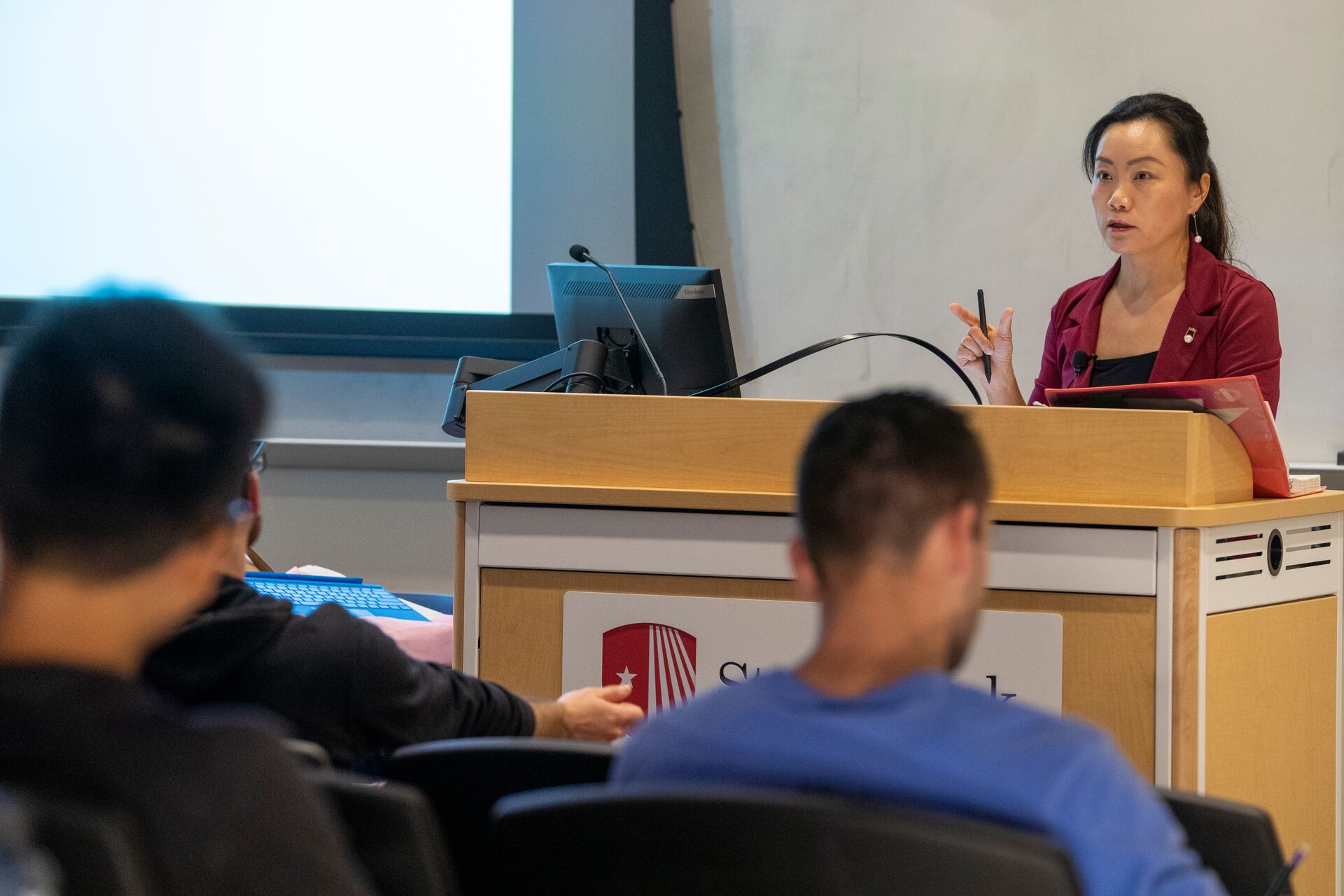
The Biomedical Engineering (BME) program offers a rigorous, cross-disciplinary education combining engineering principles with biological and physical sciences. Teamwork, communication skills, and hands-on laboratory and research experience are emphasized. The curriculum provides students with the underlying engineering principles required to understand how biological organisms are formed and how they respond to their environment.
BME graduates are prepared for high-demand roles in biotechnology, pharmaceuticals, medical technology, and research. Our alumni go on to work across industry, hospitals, government agencies, and top academic institutions.
Explore the BME Curriculum Learn more from BME Professors
Chemical and Molecular Engineering
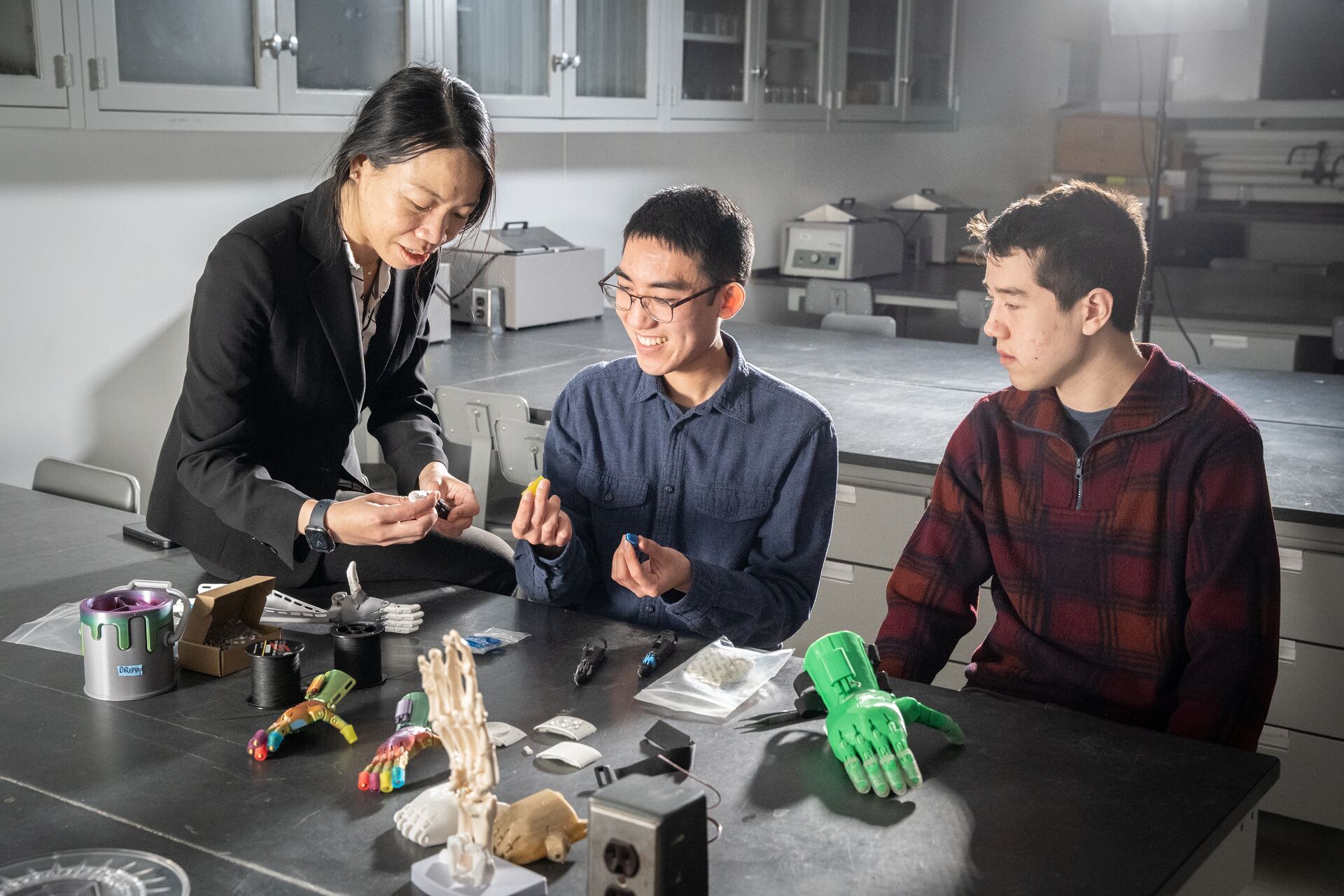
The Chemical and Molecular Engineering (CME) program addresses the evolving demand for chemical engineers by focusing on engineering at the molecular level rather than traditional large-scale processing. Grounded in basic sciences, mathematics, and computational tools, the curriculum trains students to creatively solve complex technical and ethical challenges while collaborating across disciplines.
Graduates are equipped for high-tech careers in research, development, and advanced manufacturing across the nanotechnology, pharmaceutical, nutraceutical, environmental, and energy sectors.
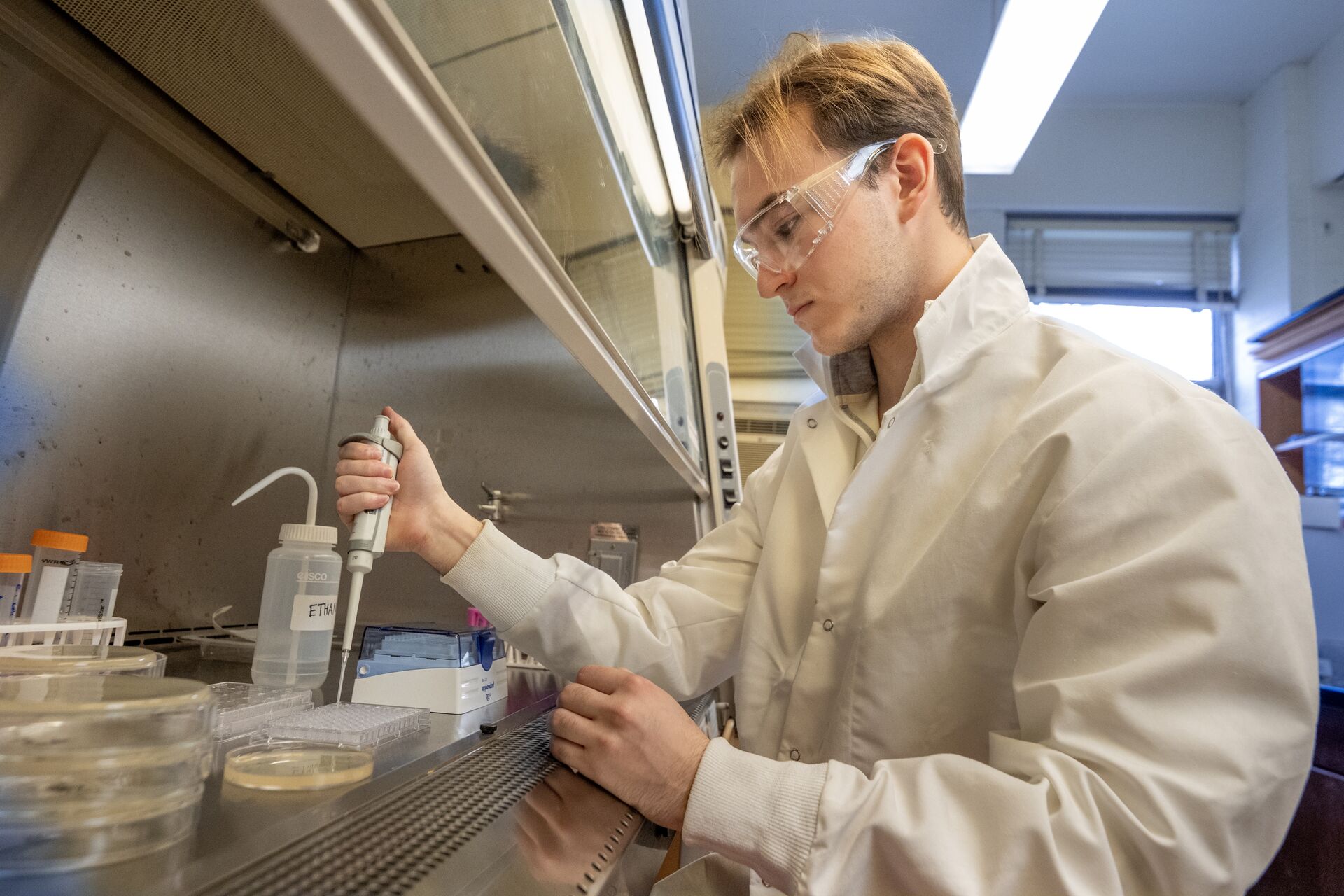
Civil Engineering
The program in Civil Engineering (CIV) gives students a solid foundation in civil engineering and sciences. Students take courses in chemistry, physics, and math, in addition to a core set of engineering courses common to most engineering disciplines. Students are also introduced to computer software which expedites the design process, and they are taught how to balance engineering designs with economic constraints.
Students have a breadth and depth of technical knowledge in the field, preparing them to work immediately in most areas of the profession, including geotechnical engineering, environmental engineering, hydraulics, structural engineering, construction management, and transportation/traffic engineering.
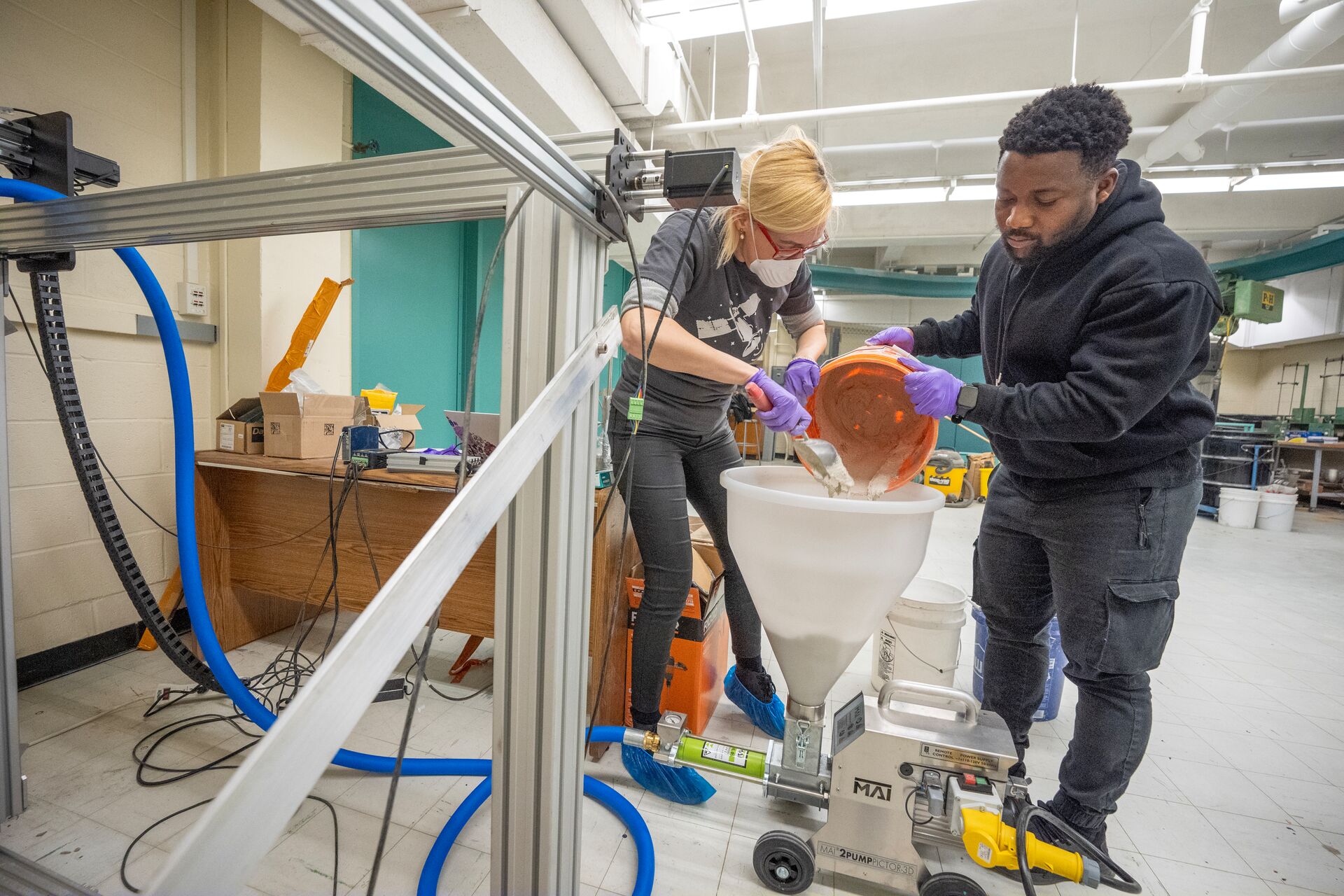
Computer Engineering
Modern technology demands design solutions that seamlessly combine hardware and software. The Computer Engineering (ECE) major gives students a strong foundation in both advanced software techniques and digital electronics—including large-scale integrated devices—preparing them to build the next generation of computing technology.
The ECE curriculum prepares students with two foundational years of mathematics, science, writing, and electrical engineering essentials. In junior and senior years, students dive into upper-level computer engineering and technical electives like computer vision, digital signal processing, embedded systems, and networking.
Computer engineers design the microprocessor-based digital systems that power the modern world. Their work spans everything from everyday consumer electronics and industrial machinery to safety-critical technology like aircraft flight controls and automotive braking systems. Equipped with these versatile skills, graduates transition into careers across high-tech industries, engineering firms, and financial institutions, or go on to pursue graduate studies in engineering, business, law, or medicine.
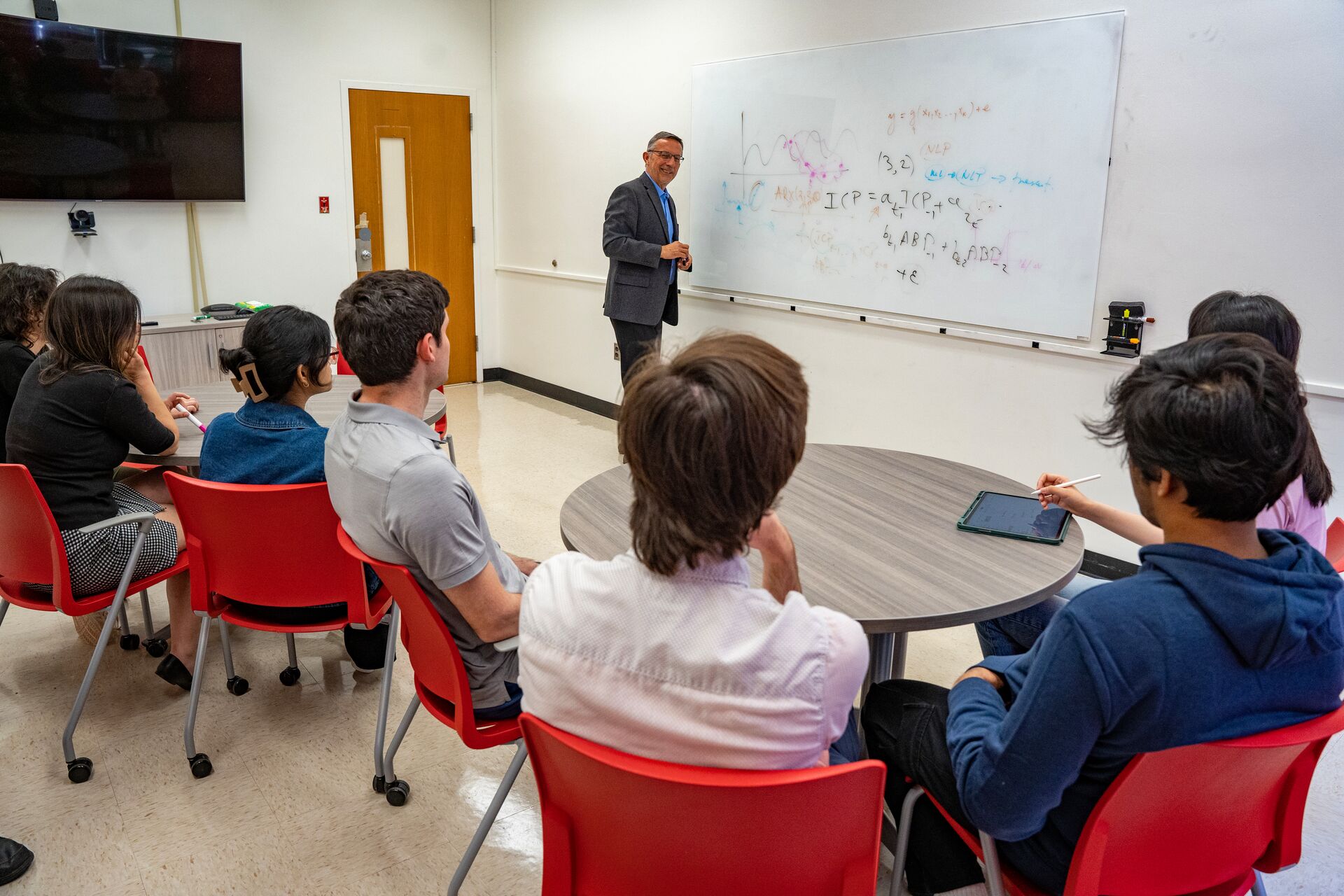
Computer Science
Computer science combines software development, systems design, and problem-solving to power today's technology. The major prepares students for high-demand computing careers or graduate study through a balance of practical skills, theoretical foundations, and flexible electives. Students enjoy the flexibility to explore outside interests, gain industry experience through local internships, and prepare for top careers. Computer science major prepares graduates for careers in software development, finance, networking, and technology.
According to the Bureau of Labor Statistics, employment in computer science fields is projected to grow much faster than other occupations. As opposed to computer programmers, computer scientists and software developers and engineers are needed to create and improve existing platforms and tools, addressing challenges presented by gaps in cybersecurity, and create algorithms to analyze and visualize massive amounts of data.
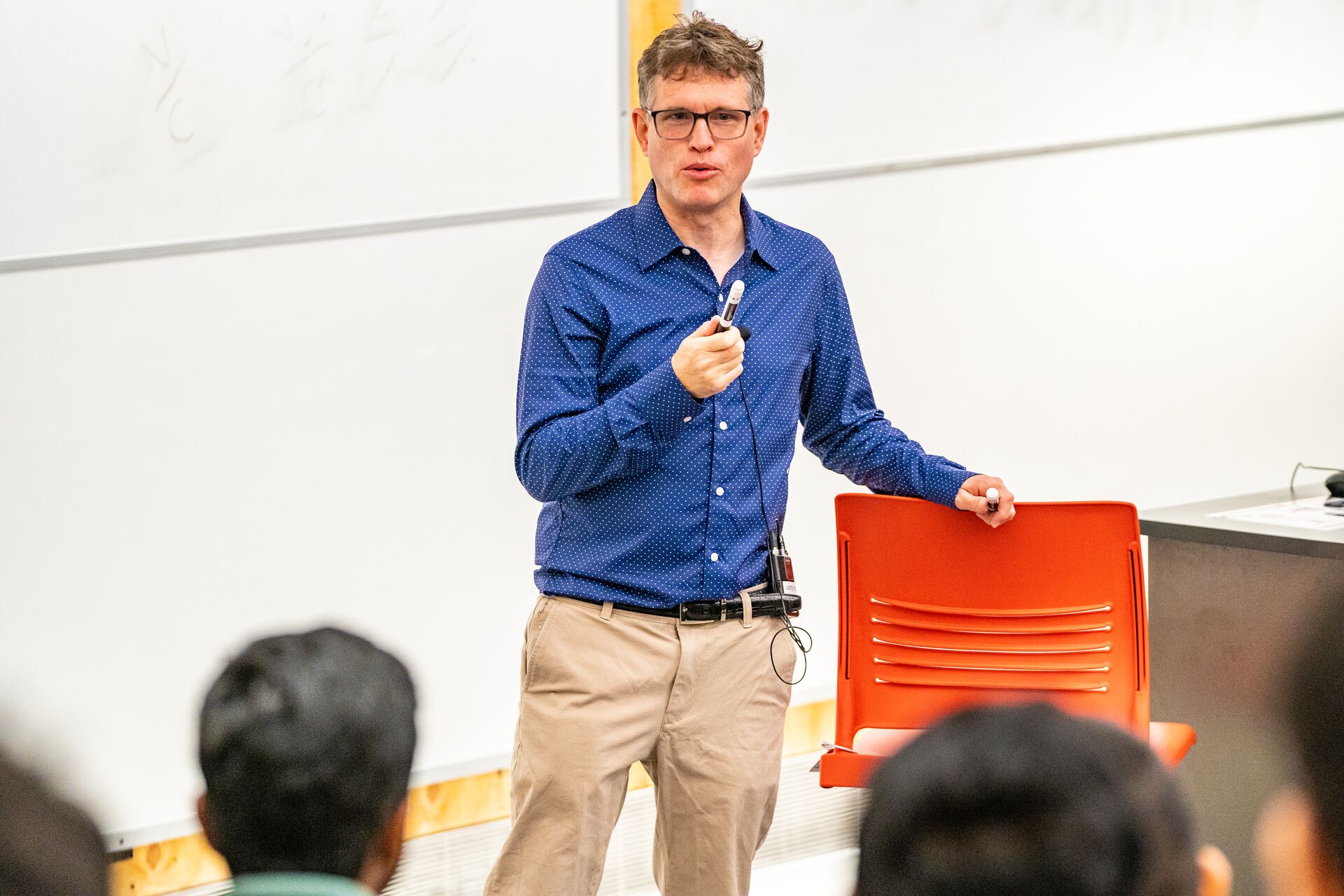
Data Science
The Data Science major provides professional education to prepare the student for a career in a data-intensive field or graduate study. The BS in Data Science (DAS) is a joint effort of the departments of Applied Mathematics and Statistics (AMS) and Computer Science (CSE), both housed in the College of Engineering and Applied Sciences (CEAS). The program provides a strong foundation in both the computational and mathematical sciences, as well as a substantive concentration in a related application area. The mathematics and programming requirements are substantially higher than data analytics programs typically offered by business schools. Students will be intensively trained in computer programming, statistical analysis, and machine learning/AI so that they are well prepared for future work as data scientists and/or graduate school. The program has been designed to provide students the option of a “Data Science + X” program with a variety of subject areas.
Electrical Engineering
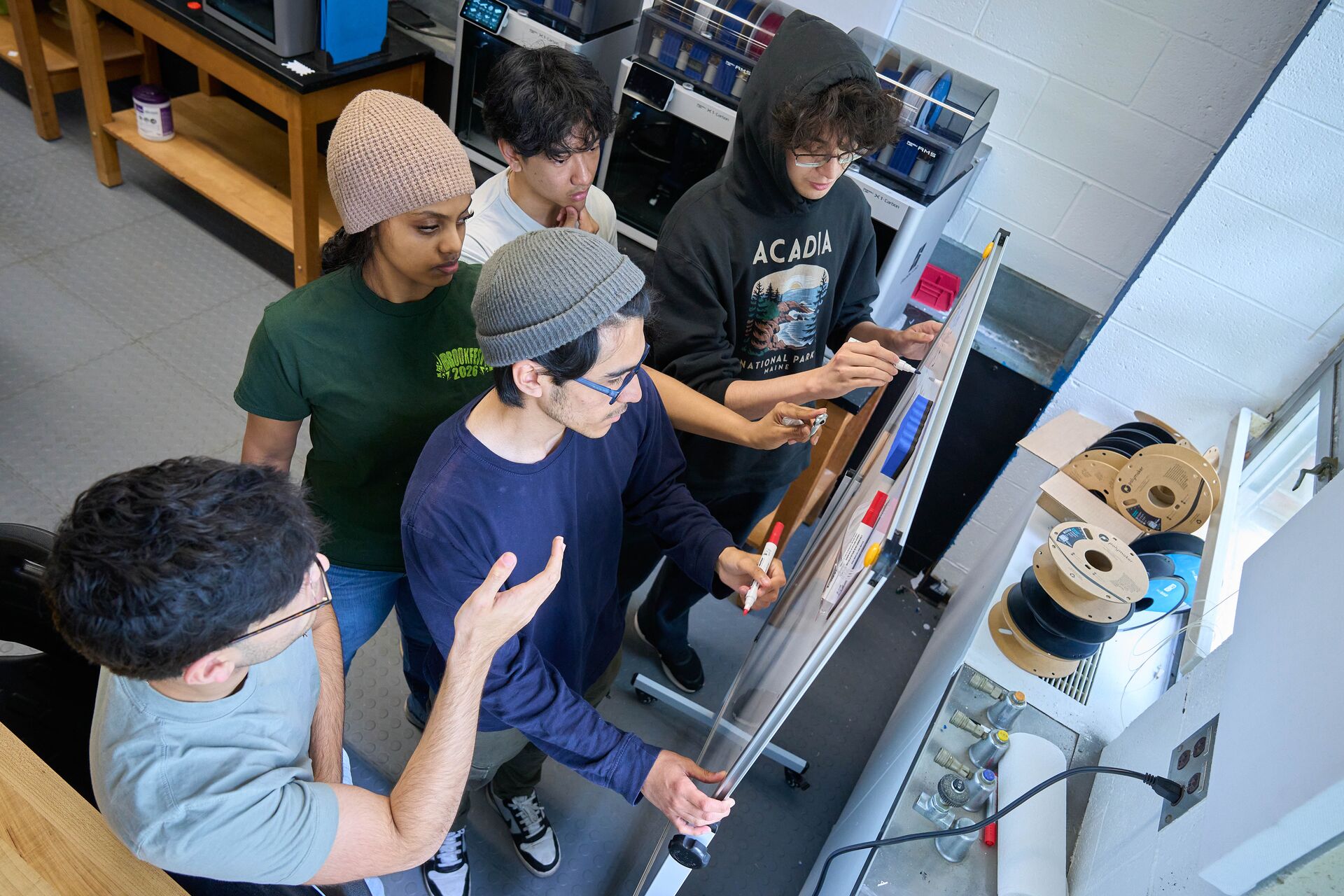
The Electrical Engineering (ESE) program provides thorough training in the fundamentals of electrical engineering during the first two years. Beginning in the third year, students may also choose to specialize in Circuits and VLSI, Communications, Signal Processing, and Networking, Nanoelectronics and Photonics or Power and Energy Systems. The program culminates in the fourth year in an original design project, working on a team with other students and under the supervision of a faculty member. Throughout their program, the students work in state-of-the-art instructional laboratories that include computer-aided circuit design, lasers, machine vision and computer graphics, microprocessor systems design, microwave electronics, digital signal processing and the most up-to-date electronic communications.
Electrical engineers are recruited for a variety of fields including energy, aeronautics, communications, testing laboratories, computer technology of hardware and software, and systems for finance and banking. Many students also choose to continue to pursue graduate degrees in engineering, business, law or medicine.
Electrical Engineering Online
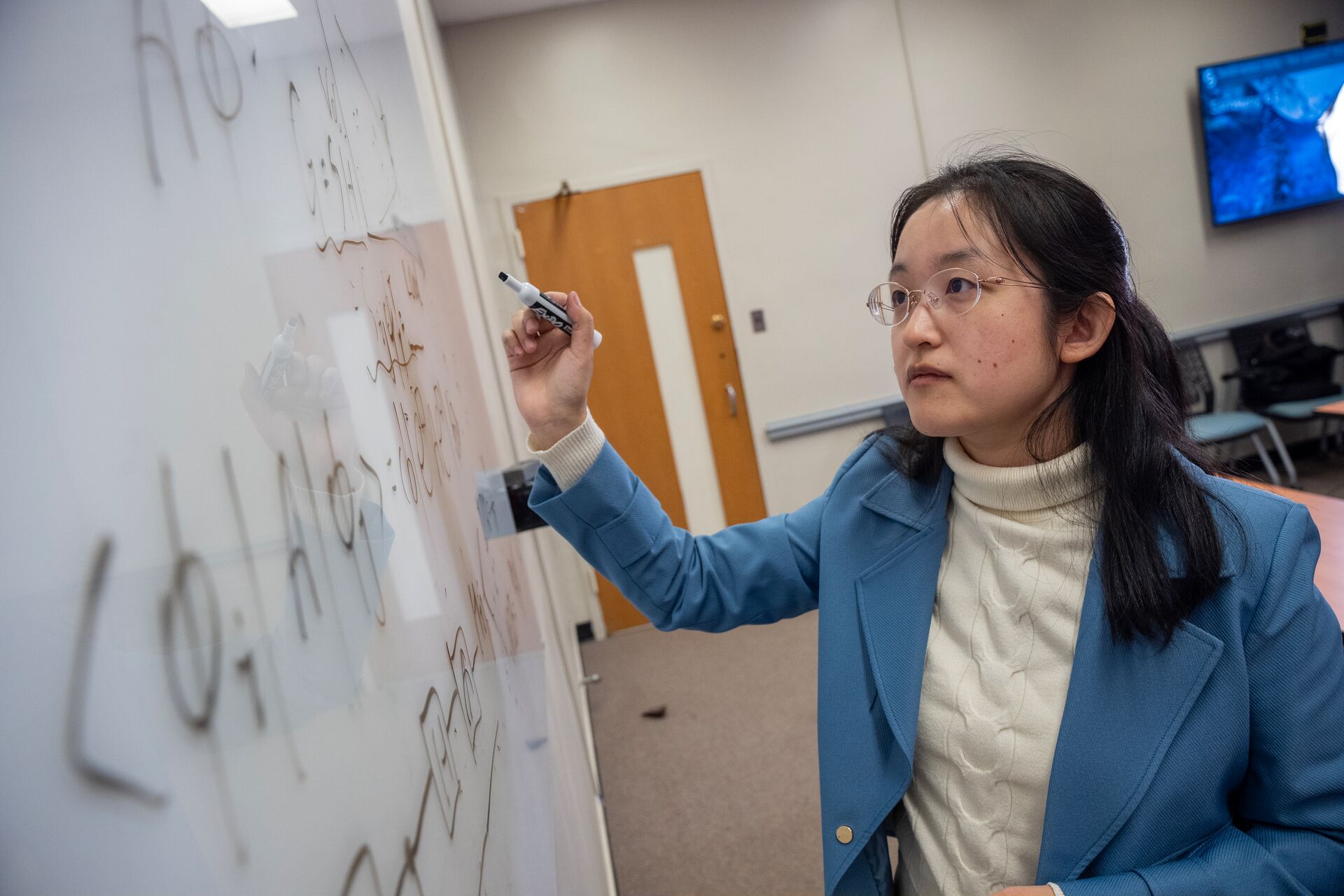
The Electrical Engineering Online (EEO) program is a rigorous upper-level two-year program that provides thorough training and education in the fundamentals of electrical engineering while students complete an entirely online degree program. The Electrical Engineering BS Program is accredited by the Engineering Accreditation Commission of ABET, https://www.abet.org, under the commission’s General Criteria and the Program Criteria for Electrical, Computer, Communications, Telecommunication(s) and Similarly Named Engineering Programs.
Electrical engineering powers modern technology across aerospace, communications, energy, hardware design, and finance. Stony Brook electrical engineering students may work as interns in engineering and high-technology industries where they can apply their classroom and laboratory knowledge to real-world practice, gaining those skills as preparation for their careers. Our graduates are recruited nationwide by top employers like Boeing, Northrop Grumman, GE Energy, and Ford, while others go on to pursue advanced degrees in engineering, business, law, or medicine.
Engineering Science
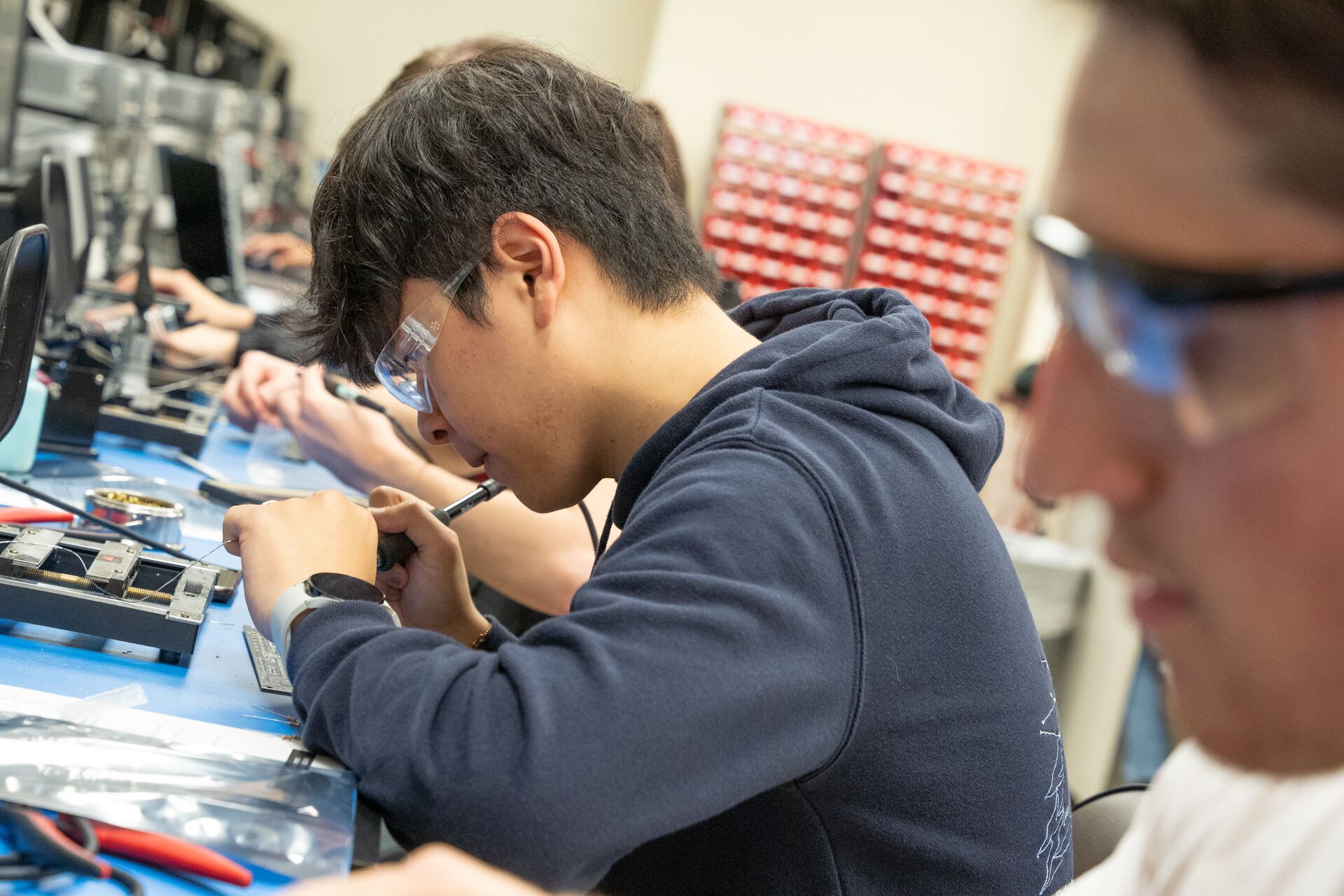
The Engineering Science (ESG) major blends materials science with mechanical engineering, electrical engineering, physics, and chemistry. Featuring a customizable curriculum and hands-on research in state-of-the-art labs, ESG prepares students for tailored career paths in technology, research, and industry. You will have access to state-of-the-art facilities, including specialized laboratories in polymer engineering and surface science, thermal spray research and nanotechnology, semiconductor materials and crystal growth, environmental materials engineering, and computational modeling of advanced materials.
The ESG major combines broad engineering fundamentals with hands-on technical training to prepare students for careers in R&D, manufacturing, patent law, and management. Graduates work across aerospace, computing, and communications industries, or pursue advanced degrees in engineering, business, law, and medicine.
According to the Bureau of Labor Statistics, employment for manufacturing and industrial engineers is projected to grow faster than other occupations, as these engineers focus on improving efficiency and engineering processes across a wide variety of fields.
Explore the ESG Curriculum Hear from ESG Professors and Students
Information Systems
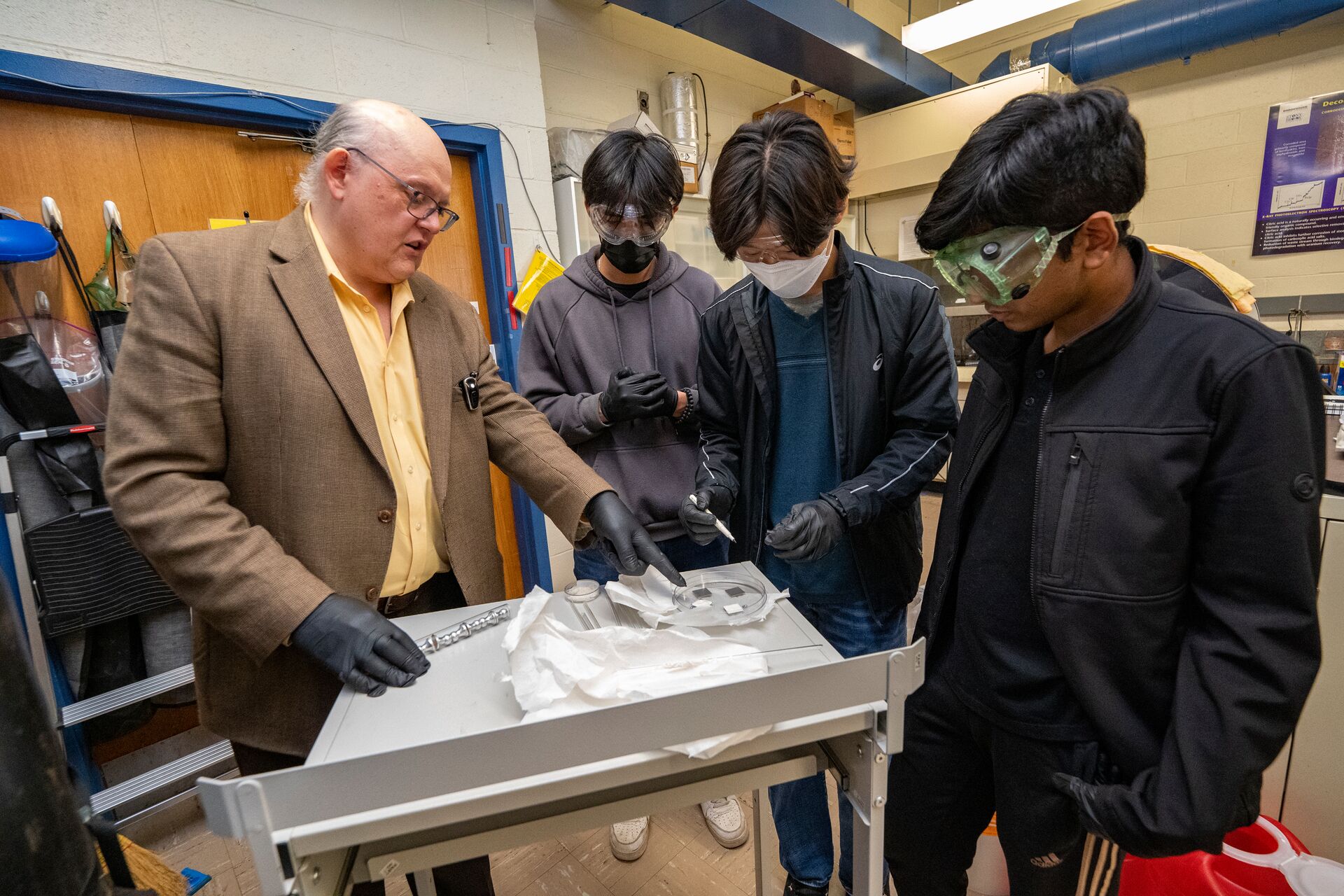
The Information Systems (ISE) major prepares its graduates to design and build computerized data processing and decision support systems. The program is technically oriented, emphasizing the design and implementation aspects of large-scale information systems as well as the more traditional managerial and organizational issues, and it balances development of system engineering skills with learning to deliver reliable systems on time and within budget. Throughout the program, students are exposed to diverse application areas ranging from traditional business, finance, and accounting through telecommunications, networks, multimedia, and database management, to computer-aided design and industrial production management systems.
Mechanical Engineering
Mechanical engineering applies math, physics, and computing to design, build, and test modern technology. Through rigorous coursework and hands-on laboratory experience, students learn solid mechanics, thermodynamics, and data analysis to solve real-world engineering challenges across energy, manufacturing, and design. Hands-on labs in electronics, computational analysis, and modern testing techniques prepare graduates for a wide range of engineering careers.
While the majority of our graduates are immediately employed in industries ranging from robotics, automotive engineering, aerospace engineering, heating and cooling engineering or manufacturing engineering, a significant percentage pursues graduate study. Most of the students entering graduate schools continue with mechanical engineering studies. However, some go to law, business, and medical schools.
Explore the MEC Curriculum Hear from MEC Professors and Students
Technological Systems Management
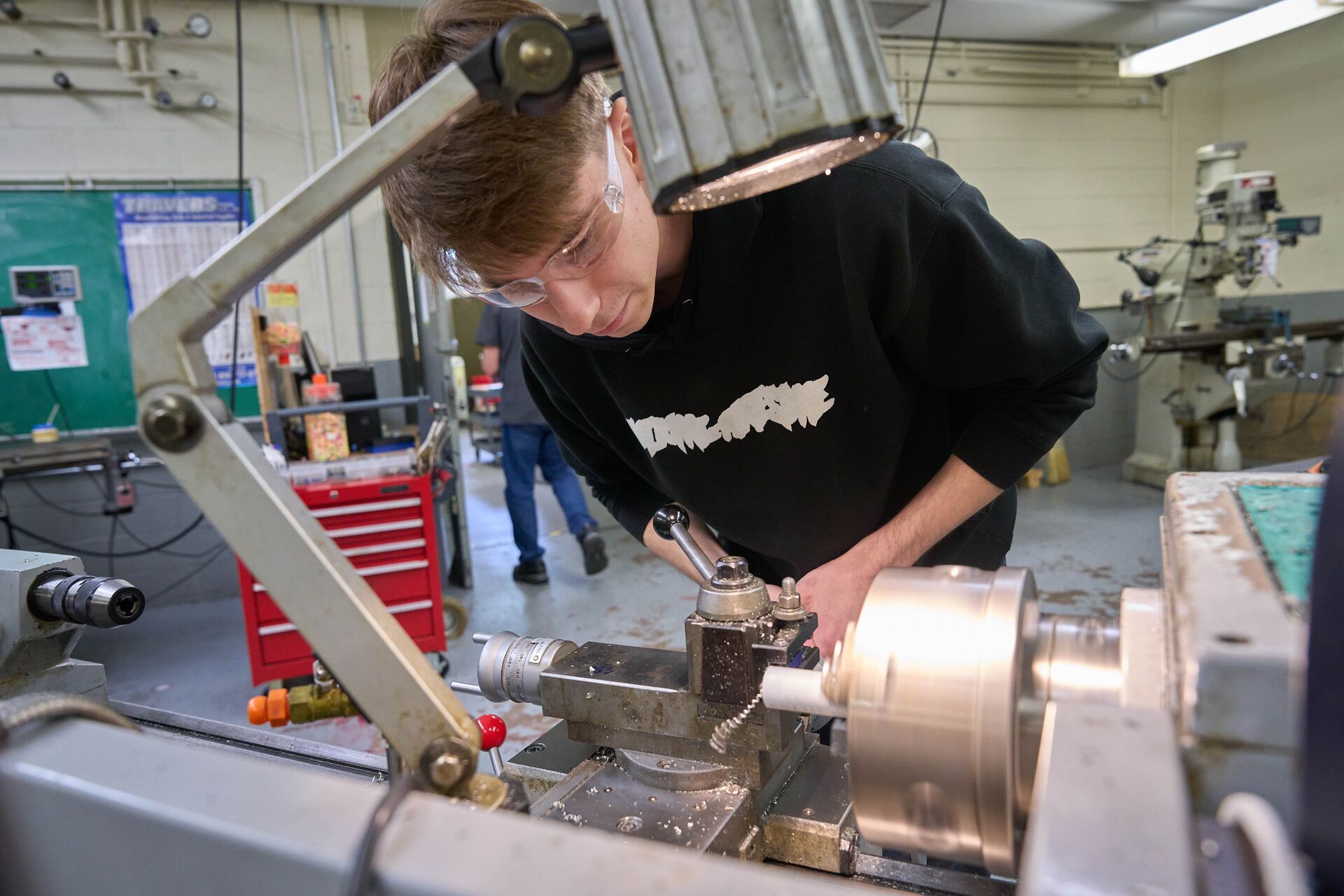
The Technological Systems Management (TSM) program allows you to develop an understanding of the characteristics, capabilities, and limitations of current and emerging technologies. Integrating a foundation in the natural sciences, engineering, social sciences, and applied sciences. Our faculty focus on technological advances that shape every facet of modern life.
The TSM major prepares students for careers in government, industry, or education in positions such as manager of computer network systems, manager of information systems, quality control specialist, systems or environmental analyst, technical sales representative, or technology trainer/educator-in short, all professions and business ventures that are dependent on technological applications and implementation and in which project management is key to success. Students are also prepared for advanced study in areas such as business, law, education, policy analysis, and industrial or environmental management.
Explore the TSM Curriculum Learn about TSM from the Professors