Resources & Facilities
Center for Structural Biology
Research in structural biology provides the foundation for understanding life at the molecular and atomic levels. The Center for Structural Biology at Stony Brook brings together cutting‑edge technologies and expert faculty to explore the architecture, dynamics, and mechanisms of biological macromolecules.
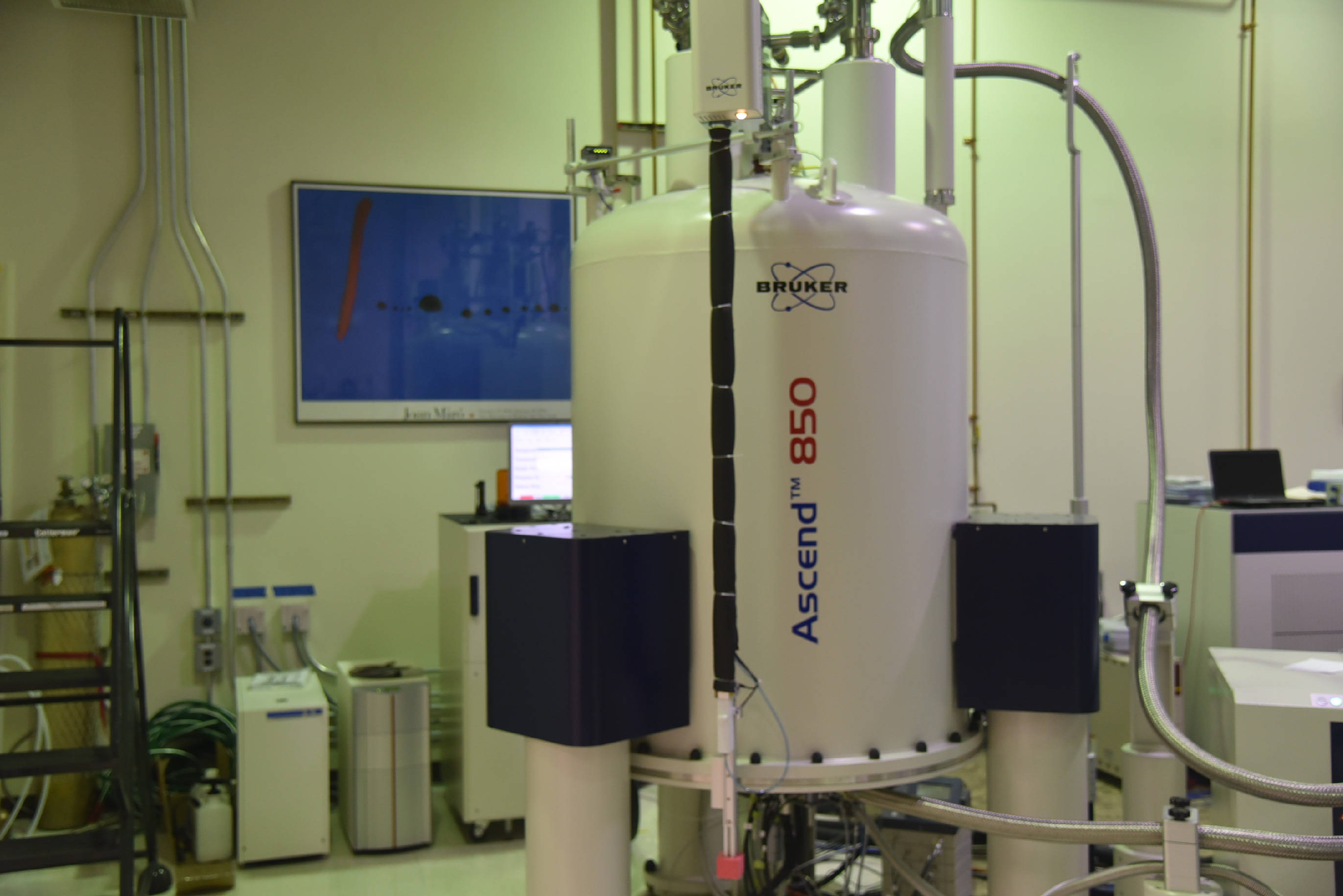
A core strength of the Center is its advanced cryo-electron microscopy (cryoEM) facility, which enables high‑resolution visualization of protein complexes, membrane assemblies, and other challenging targets in near‑native states. Complementing these capabilities, the Center also supports state‑of‑the‑art X‑ray crystallography, allowing researchers to determine precise three‑dimensional structures of proteins, nucleic acids, and large macromolecular assemblies.
Link to Center for Structural Biology
Laufer Center for Physical and Quantitative Biology
The Louis and Beatrice Laufer Center is a hub for research in Physical and Quantitative Biology at Stony Brook University. We aim to advance biology and medicine through discoveries in physics, mathematics and computational science.
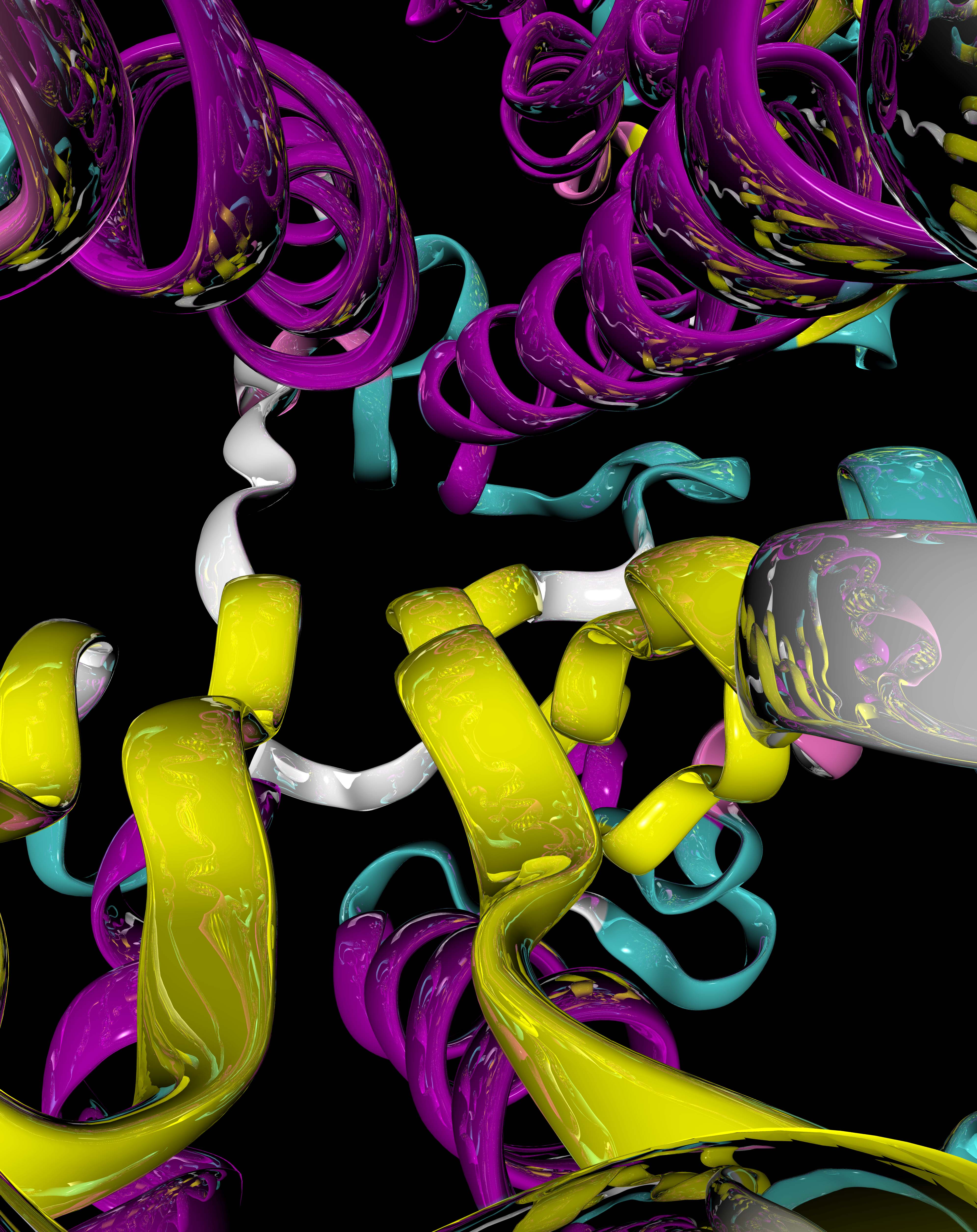
Our research is diverse. Laufer Center researchers insert gene circuits into cells and study noise. We insert barcodes to study evolution, cell-by-cell. Some of us use computational modeling to understand how proteins fold and how proteins bind to proteins and design drugs for high-affinity binding to proteins. We explore how protein motions cause biological mechanisms and how proteins aggregate in neurodegenerative diseases such as Parkinson’s and Alzheimer’s. And, some of us use computers to design vaccines.
Laufer Center researchers come from a broad community including Stony Brook departments of chemistry, physics, applied mathematics and statistics, computer science, molecular genetics and microbiology as well as Cold Spring Harbor Laboratory.
Institute for Drug Discovery and Chemical Biology
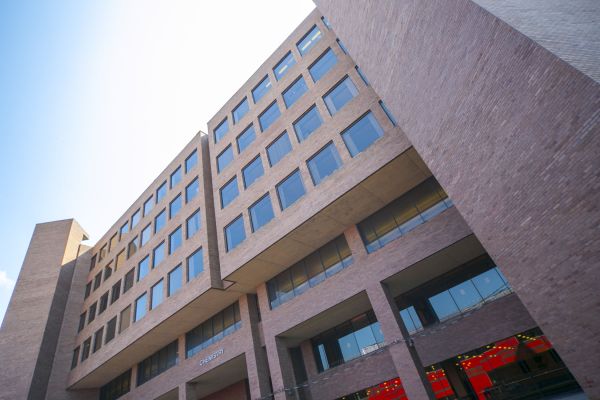
ICB&DD complements Stony Brook’s Centers for Molecular Medicine (CMM) and significantly contribute to the establishment of a truly comprehensive biomedical research enterprise from molecular science to clinic at Stony Brook. Fundamental biological research often fails to include drug discovery, which is one of the most important and beneficial scientific contributions to mankind.
The primary objective of ICB&DD is to establish a world-class “Center of Excellence” in chemical biology and drug discovery at Stony Brook University. The rapid and impressive advancements in chemical biology during the last decade have clearly demonstrated that solutions for a vast majority of medical problems rely on the understanding of the molecular basis of diseases, therapeutic targets, drug actions, and drug resistance. ICB&DD promotes highly productive interdisciplinary and collaborative research among chemists, biologists, medicinal chemists, pharmacologists, and physicians to attack major biomedical problems to find solutions including the discovery of novel therapeutic drugs.
Brookhaven National Laboratory
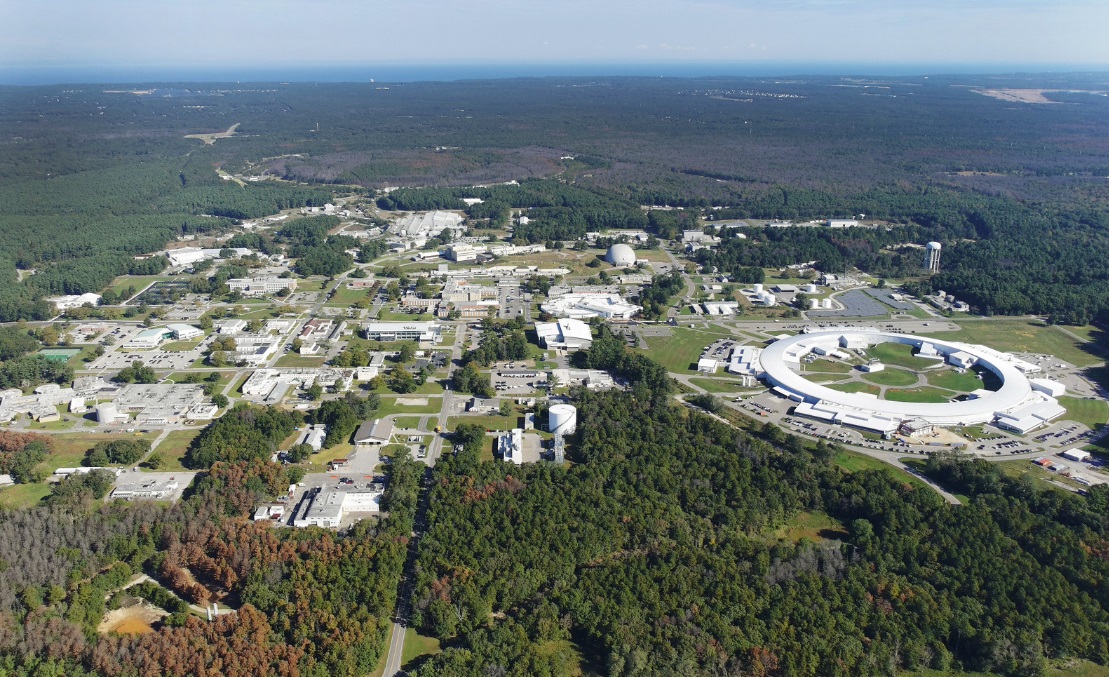
Brookhaven National Laboratory (BNL) has world-class facilities for structural biology that are available to students in the BSB Program. The National Synchrotron Light Source (NSLS-II) at BNL is one of the newest and most advanced facilities for structural biology in the world. This facility recently came on line and produces X-rays that are more than 10,000 times brighter than the original NSLS. Other facilities include a Scanning Transmission Electron Microscope (STEM) in the Department of Biology. For high-level computational applications, Stony Brook University has access to a IBM Blue Gene/L massively parallel supercomputer located at BNL. It is the centerpiece of the New York Center for Computational Sciences (NYCCS), a cooperative effort between BNL and Stony Brook University. Each of the 18 racks consists of 1024 compute nodes (a total of 18432 nodes) with each node containing two 700 MHz PowerPC 440 core processors and 1 GB of memory (a total of 36864 processors and 18.4 TB of memory).