


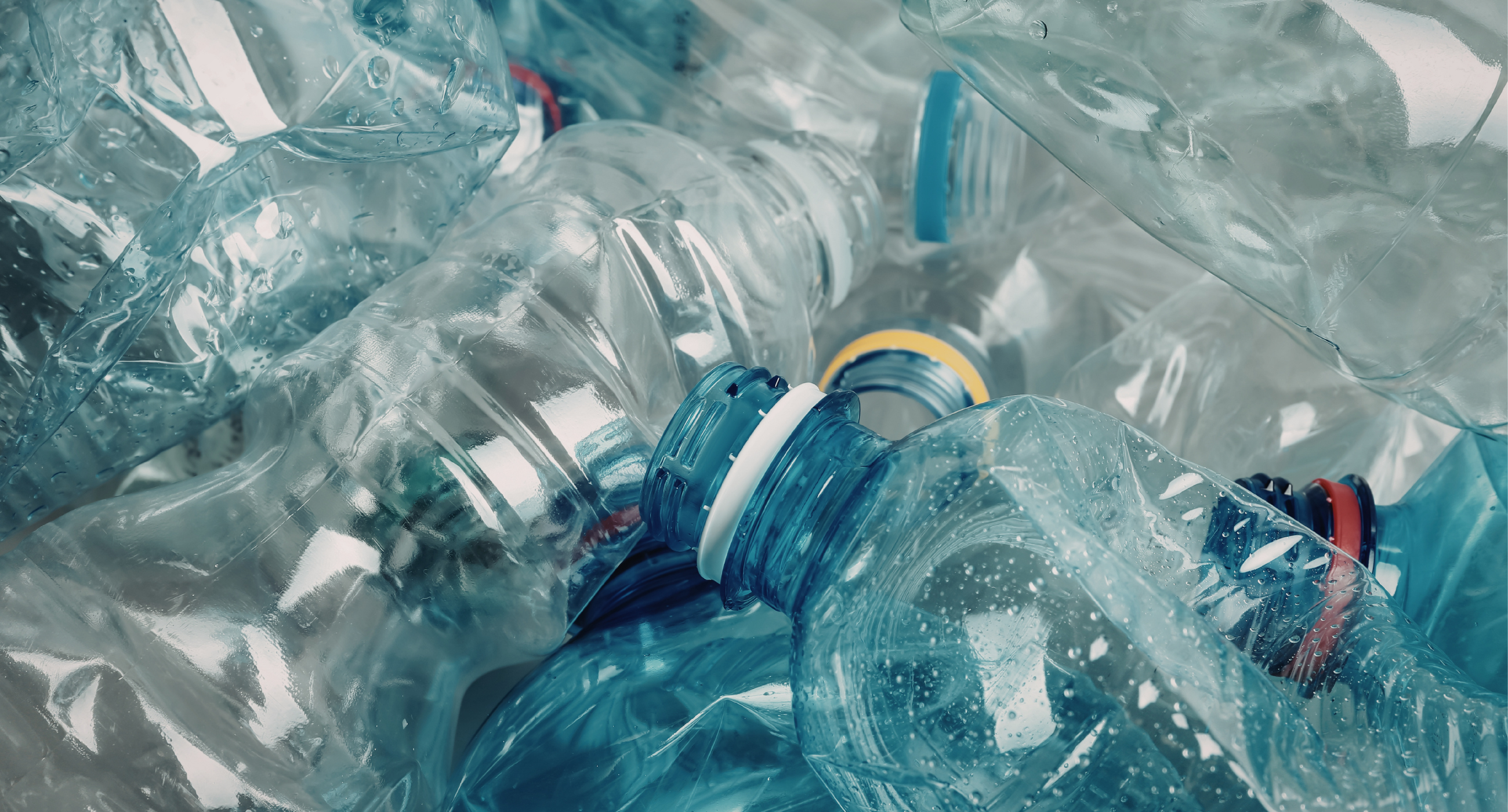
Single-Use Plastics SUNY Policy 5201
As a part of the State University of New York (SUNY) system, Stony Brook University and its affiliated organizations are required to eliminate the use of single-use plastic items in accordance with SUNY Policy 5201: Elimination of Single Use Plastics and Preference for Durable and Reusable Alternatives. As required by SUNY Procedure 5200 – Elimination of Single Use Plastics and Preference for Durable and Reusable Alternatives, the Office of Sustainability is implementing a Plastic Elimination Plan for reducing plastic use and improving recycling practices on campus.
The plastics elimination plan applies to all campus departments, as well as related entities, affiliates, and third parties. This includes, but is not limited to: Auxiliary Services Association (ASA), the Research Foundation (RF), Student Governments (USG, GSG).
For questions please reach out to the Office of Sustainability:
(631)-632-4438 | sustainability@stonybrook.edu
Plastic Elimination Exceptions
Where an alternative to single use plastics is not yet available, appropriate processing facilities are not available, or replacement is not practical, exceptions to this policy may be available. Some exceptions include accessibility needs and emergency operations such as public health emergencies or extreme supply chain disruptions. These exceptions should be used in the short term and departments should return to following the plan promptly once the emergency has ended. All exceptions will be reviewed at least annually by the Office for Sustainability for continued applicability.
For additional information, please contact us at: Office of Sustainability Office: (631) 632-4438 E-mail: sustainability@stonybrook.edu
SBU Elimination Timeline
|
Items |
Target Deadline |
SBU Status |
|
Bags |
||
|
Trash bags for individual offices and classrooms |
8/1/2027 |
In Progress |
|
Grocery/takeout bags |
8/1/2025 |
Completed |
|
Balloons |
||
|
Celebrations |
8/1/2026 |
In Progress |
|
Signage for wayfinding |
8/1/2026 |
In Progress |
|
Beverage Bottles |
||
|
Water bottles individual and up to 5 gallons for retail, dining, catering, and offices |
8/1/2027 |
In Progress |
|
Water bottles individual and up to 5 gallons for resident dining (pay one price dining) |
8/1/2025 |
Complete |
|
Non-water beverage bottles (soda, juice, dairy, tea, etc.) for retail, dining, catering, and offices |
8/1/2027 |
In Progress |
|
Non-water beverage bottles (soda, juice, dairy, tea, etc.) for resident dining (pay one price dining) |
8/1/2025 |
Complete |
|
Food Service Products |
||
|
Food service containers in resident dining (pay one price dining) |
8/1/2026 |
Complete |
|
Cafes, retails, snack bars, and grab-and-go |
8/1/2027 |
In Progress |
|
Fast food restaurants and branded restaurant chains in all campus venues |
8/1/2027 |
In Progress |
|
Stirrers, Straws, and Spill Plugs/Sticks |
||
|
Straws for dine-in and take-out drinks |
8/1/2024 |
Complete |
|
Stirrers for dine-in and take out |
8/1/2024 |
Complete |
|
Plastic spill plug/splash sticks for dine-in and take out |
8/1/2024 |
Complete |
|
Utensils |
||
|
Dine-in |
8/1/2025 |
Complete |
|
Take out |
8/1/2027 |
In Progress |
|
Wraps and Packaging Film |
||
|
Food preparation and storage plastic film |
8/1/2027 |
In Progress |
|
Industrial wrap generation internally to manage warehouse goods, shipping materials for outgoing packages |
8/1/2028 |
In Progress |
Definitions
Specialized equipment and management of such to break down organic waste in an oxygen free environment, into usable organic materials and bio-gas for heating and other purposes.
Definition: An unwoven poly fabricated receptacle for storing, carrying, packing a variety of items and materials, primarily made from a variety of plastic polymers with polyethylene and polypropylene being the most common). They are not designed for reuse, but are meant to be disposed of directly after use. Though they are very thin and easy to carry, plastic bags are strong, waterproof, and hold their shape under normal use. Single use plastic bags are often not recyclable in municipal recycling programs because they are too thin and lightweight. They are not biodegradable but will photodegrade.
Usage: Used and provided throughout campus sites in a variety of areas including dining services, environmental services, and retail shops.
Applications: Include, but are not limited to grocery bags, takeout bags, resealable bags (i.e. Ziploc bags), other types of shopping bags, “cellophane” bags, produce bags, and plastic wrapping on utensil sets. Plastic-lined paper bags (shiny, wax coating) and paper bags with plastic windows, which are commonly used for bakery and other food items and included because the plastic components prevent them from being compostable or recyclable.
Definition: Balloons are flexible bags made of materials including but not limited to rubber, latex, polychloroprene, metalized plastic, mylar, and nylon fabric. Non-plastic balloons are included because they act like plastic in the environment.
Usage: Most commonly used for decorative purposes at campus events and celebrations.
Special Considerations: Although compostable balloons are available, they are used with plastic or plasticized ribbons or ties that generate plastic waste and contaminate composting facilities. Therefore, compostable balloons are not an acceptable alternative to traditional balloons.Definition: rigid or semi rigid containers designed to contain liquids and/or solids, feature caps and/or lids. They are not designed for reuse and may instead be designed for recycling, regardless of whether cost effective local recycling is available and possible.
Usage: Sold, served or distributed throughout campus in a variety of areas and activities, including dining areas, events, vending, concessions, and retail shops for beverage distribution.
Applications: Single use plastic bottles are used for individual servings and bulk delivery of beverages including water tea, juice, and soda, may be used as part of routine or emergency operations.
Special considerations: Single use plastic beverage bottles are not only purchased by campuses or related entities in support of campus activities but may also arrive on campus from individual purchase at off campus locations, and brought onto campus for events or personal consumption. Beverage bottles may also be part of office pantries or centrally funded amenities.Biodegradable plastics are plastic materials that will decompose through biological processes, resulting in harmless bi-products. They may be made from renewable raw materials but may also be made using crude oil or natural gas.
Biobased materials or bioplastics are those that are produced from renewable raw materials. Biobased materials are not necessarily biodegradable or compostable. Often, biobased materials are made from fiber crops such as hemp and flax, bamboo, sugarcane, etc.
Compostable plastic is plastic that meets the American Society for Testing and Materials (ASTM) D6400 standards.
An area where organic matter may be delivered and will be processed properly to encourage safe decomposition resulting in a material suitable to be used for enhancing soils for improved plant growth. Composting may be done on the campus proper or may be a governmental or commercial facility off-campus.
Definition: Hot cups, cold cups, lids, portion cups, take-out containers, bowls, trays/boats, and plates that are designed or likely to be used once prior to disposal. This includes products used for immediate or on-site consumption and delayed or off-site consumption. These may be fossil fuel-based or are wax-lined or plastic-lined paper and paperboard.
Usage: Most commonly used by institution-run and on-campus third party food services, dining halls, coffee shops, snack bars, and at campus events. May be used for take-away or grab and go service from dining halls, cafes, marketplace.
Special considerations: They are also used when space and labor are limited, to avoid the washing of reusable dishes.
Fossil fuel-based plastics are the most commonly used. These items are often comprised of polyethylene terephthalate (PET), high-density polyethylene (HDPE), polyvinyl chloride (PVC), low-density polyethylene (LDPE), polypropylene (PP), polystyrene (PS), expanded polystyrene foam (EPS) poly(methyl methacrylate) (PMMA), non-BPI certified polylactic acid (PLA), and paper or paperboard lined with wax or any of the listed plastics.
This process occurs when plastics break down into smaller and smaller pieces due to UV irradiation, eventually becoming microplastics, which release harmful chemicals into the environment.
Recyclable is able to be recycled. Although many products may be marketed as recyclable, the ability to recycle a product depends upon the availability of a recycling system for that product in combination with a secondary market for the recycled materials. Recycle Right New York (https://recyclerightny.org/) provides information on what can and cannot be recycled in each municipality.
Resin Identification Code is the common identification system for consumers and recyclers to identify the resin content of plastic containers commonly found in the recycling waste stream:
RIC: 1 Polyethylene terephthalate,
RIC: 2 high-density polyethylene,
RIC: 4 low-density or linear low-density polyethylene,
RIC: 5 polypropylene,
RIC: 6 polystyrene, and
RIC: 7 other plastics (polycarbonate, non-BPI certified polylactic acid [1] [2] [3]
RIC: 3 Polyvinyl Chloride or PVC has special recycling challenges and is not included in most recycling programs.
Single use plastic products are those designed or likely to be used by a consumer only once before being discarded. Single use plastic products may be made from fossil fuel-based plastics or biobased materials (bioplastics) or a combination of both. They may be recyclable or compostable.
Definition: Single use straws, stirrers and spill plugs includes compostable and biodegradable petroleum and biologically based polymer straws, stirrers and spill plugs, which are not designed for reuse.
“Plastic straw” means a plastic tube for transferring a beverage from its container to the mouth of the drinker by suction.
“Plastic stirrer” means a plastic device that is used to mix beverages. “Plastic stirrer” includes compostable and biodegradable petroleum and biologically based polymer stirrers but does not include stirrers that are made from non-plastic materials.
“Plastic spill plug/ splash stick” means a device that is used to prevent liquid and heat from escaping a lidded cup. Often this acts as a stirrer as well.
Usage: Commonly utilized throughout campus and associated with beverage consumption, often in food courts, some dining halls, offices, box lunches and catered events. Single use plastic straws, stirrers and spill plugs are all items prevalent in coffee sales. Plastic stir sticks are often packaged with sugar, creamer and a napkin, and sealed in plastic at “grab and go” coffee stations to ensure sanitation.
Special considerations: These items in particular are difficult to effectively recycle based upon their size.Definition: Forks, knives, spoons, sporks, serving spoons, serving forks and serving tongs designed or likely to be disposed of after one use.
Usage: Traditionally utilized throughout campus to consume or serve food. Typically provided in food courts, some dining halls and on-campus restaurants, offices, box lunches and catered events.
Special considerations: These products are often made of black plastic. Black plastic is difficult to recycle because the sensors used for automatic sorting in material recycling facilities are not able to detect it.
Definition: A general term used to describe many different materials that are used to secure or hold items within a container or while transporting multiple containers at the same time.
- Plastic wrap most often refers to industrial plastic wrap for securing pallets or food grade plastic wrap for sealing and securing food items in containers to keep fresh. Food plastic wrap is also known as cling film, cling wrap, food wrap, and saran wrap.
- Plastic film is a soft, flexible polyethylene most often used in packaging materials. Film may be used in applications such as bag in box beverages, bagged bulk condiments, individual condiment packages, bagged sauces, meat and fish packaging, and bags inside boxes to protect products (i.e. baked goods or paper towel wrap). Plastic films are also used to make inflatable packaging (i.e. bubble wrap and air packs for cushioning items), as shrink and skin packaging films for containing products, and are applied to other materials.
Usage: Food grade plastic wrap, shrink, and skin film packaging is most commonly used on campus in institution-run and on-campus 3rd party food services, dining halls, coffee shops, snack bars, and at campus events for food preparation, service and storage. Food grade plastic wrap, shrink, and skin film packaging is also used by vendors to package raw or minimally processed ingredients, bulk and individual servings of prepared sauces, foods, and dressings, soft drink syrups, and other food and drink products for delivery to campuses.
- Industrial wrap is commonly used by campuses to package materials for transport on and off campus and by vendors to package materials for transportation, as pallet wrap or as cushioning inside packages.
- Plastic wraps and films may be used for medical and scientific practices or purposes.