


Capstone Projects and Internships
A Capstone Project provides an opportunity for students explore a topic in detail, usually involving independent analysis of information collected by others to address a problem of consequence in your field. An internship is a valuable way for students to obtain real world experience with organizations such as companies, governmental organizations, non-governmental organizations (NGOs), or educational facilities. Most students conduct their Capstone Projects or Internships during the summer, though students make also take these courses during fall or spring semesters.
Below are a few examples of student projects and internships:
Thomas Gaylor (MA, 2024)
Thomas Gayor’s capstone, mentored by Mary Collins and Chris Gobler, examined the effects of coal ash on water quality and public health. Through a historical literature analysis of U.S coal use and waste storage dating back to 1949, Gaylor focused on the toxic impacts of selenium, a major contaminant in coal ash linked to aquatic harm. His research highlighted how coal ash ponds, often located by water sources, can leak due to engineering failures and harsh weather conditions, affecting both ecosystems and nearby communities. Case studies that he looked into included the 2008 Kingston Fossil Plant spill and elevated mutation rates in trout from selenium in Yellowstone. He concluded that while coal reliance is declining, coal ash waste remains a serious environmental and public health concern, and current storage and recycling methods still have significant risks.
Christopher Eagler (MA, 2023)
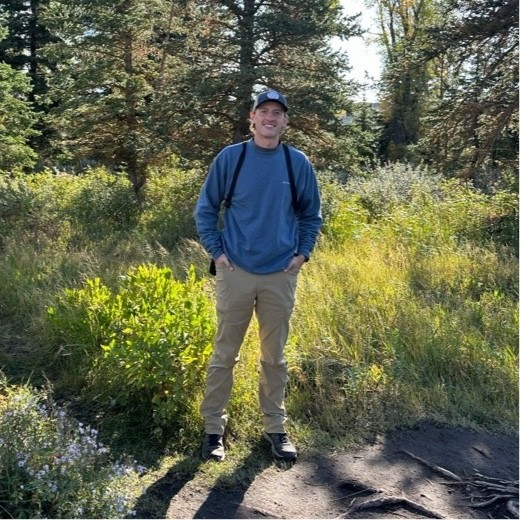
For his internship, Christopher had worked with the New York State Department of Environmental Conservation to analyze existing data on piping plover productivity on beaches in New York State. As the piping plover is an endangered and federally protected shorebird, it is important to manage their populations accordingly to improve their breeding success. There has been a growth in plover populations over past years, especially with 2022 being the year of the most piping plover pairs on Long Island. Productivity rates need to increase, develop a HCP, foster public engagement and support for plover conservation. His analysis yielded results to inform conservation efforts for the DEC. Christopher’s conservation recommendations include working to increase plover productivity rates, and developing a Habitat Conservation Plan in the future. Finally, he suggests promoting public support and engagement for plover and other shorebird conservation efforts.
Hayley Frier (MA, 2023)
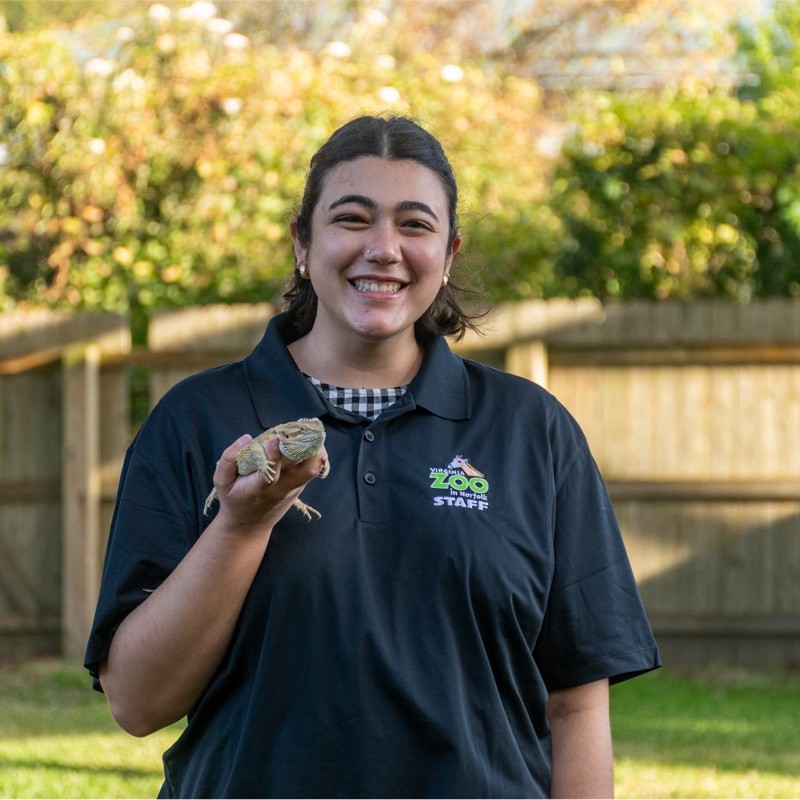 Hayley interned with IAATO, the International Association of Antarctic Tour Operations,
for her graduate project. Her project title was the Comparison of Antarctic Cetaceans
and Pinniped Sightings From Tourism Vessels and Scientific Literature. The information
that she had gathered was used to advise vessels of mammals in Antarctic waters to
protect these species from vessel strikes. Her project also focused on acknowledging
the influx in tourism to the Antarctic continent, and how to advise IAATO to promote
safe wildlife practices by accounting for increased marine traffic and tourism. Hayley
was able to create maps that showed pinniped and cetacean sightings across the 2023
season. Some of her objectives were to provide IAATO members with weekly updates about
mammal sightings, by using GIS to map the sightings in comparison to past literature.
Hayley also made recommendations for the program to better understand mammal sightings
in Antarctica, and safely manage these moving forward.
Hayley interned with IAATO, the International Association of Antarctic Tour Operations,
for her graduate project. Her project title was the Comparison of Antarctic Cetaceans
and Pinniped Sightings From Tourism Vessels and Scientific Literature. The information
that she had gathered was used to advise vessels of mammals in Antarctic waters to
protect these species from vessel strikes. Her project also focused on acknowledging
the influx in tourism to the Antarctic continent, and how to advise IAATO to promote
safe wildlife practices by accounting for increased marine traffic and tourism. Hayley
was able to create maps that showed pinniped and cetacean sightings across the 2023
season. Some of her objectives were to provide IAATO members with weekly updates about
mammal sightings, by using GIS to map the sightings in comparison to past literature.
Hayley also made recommendations for the program to better understand mammal sightings
in Antarctica, and safely manage these moving forward.
Anna Meichenbaum (MA, 2023)
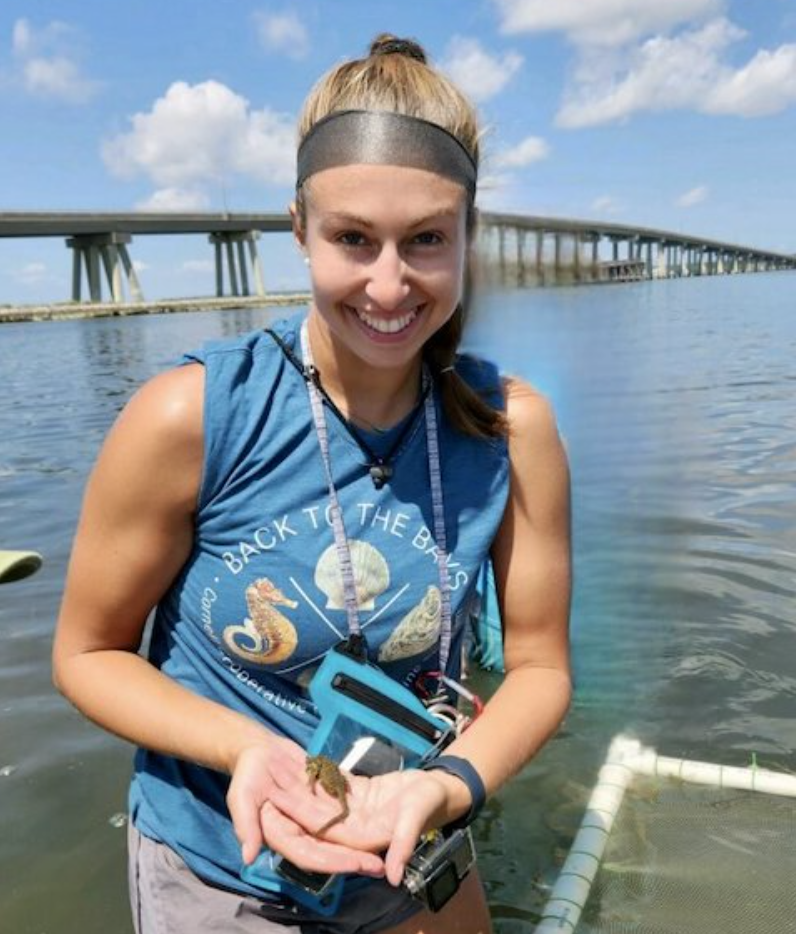 During her capstone with Cornell Cooperative Extension, Anna conducted a seahorse
study for the presence of hippocampus erectus in Shinnecock Bay. Through citizen science,
Anna worked with the community to look at the abundance of seahorses in the bay. Particularly
since seahorses are listed as Vulnerable on the IUCN Red List, Anna wanted to compare
the prevalence of seahorses throughout Shinnecock Bay, especially in conjunction with
the Shinnecock Bay Restoration Program. Anna monitored seahorses in a variety of ways,
including scuba diving, seining, or citizen monitoring and public events. The study
was particularly helpful to show the health of eelgrass meadows in Shinnecock Bay,
and how they might act as an indicator of ecosystem health.
During her capstone with Cornell Cooperative Extension, Anna conducted a seahorse
study for the presence of hippocampus erectus in Shinnecock Bay. Through citizen science,
Anna worked with the community to look at the abundance of seahorses in the bay. Particularly
since seahorses are listed as Vulnerable on the IUCN Red List, Anna wanted to compare
the prevalence of seahorses throughout Shinnecock Bay, especially in conjunction with
the Shinnecock Bay Restoration Program. Anna monitored seahorses in a variety of ways,
including scuba diving, seining, or citizen monitoring and public events. The study
was particularly helpful to show the health of eelgrass meadows in Shinnecock Bay,
and how they might act as an indicator of ecosystem health.
Abigail Costigan (MA, 2022)
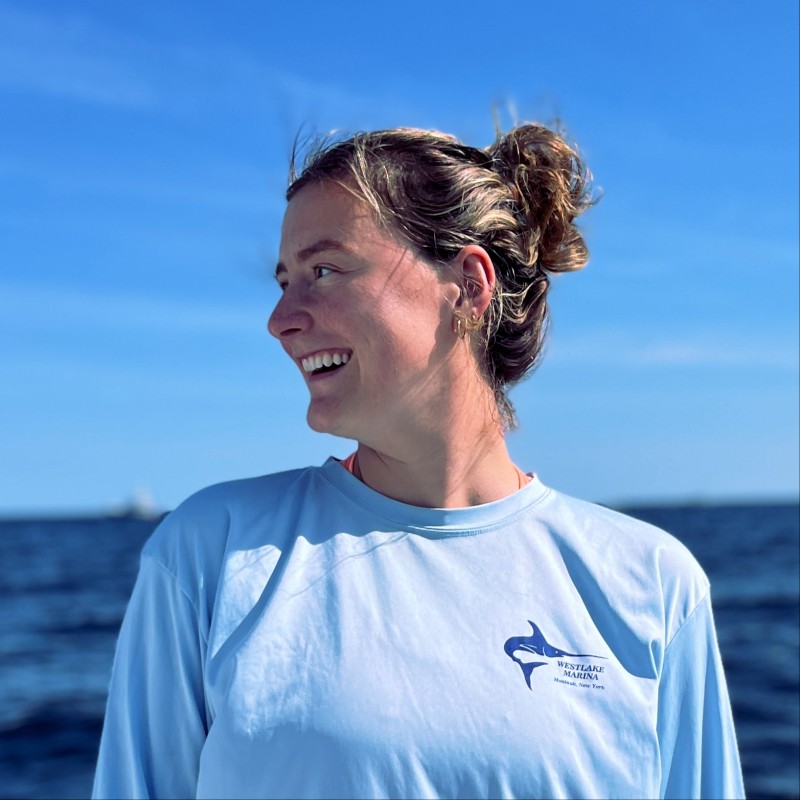 Abigail’s internship with the Peconic Estuary Partnership further investigated horseshoe
crab habitat selection and spawning distribution on Long Island. Her project involved
finding suitable sites to conduct distribution surveys, and finding the correct protocol
for spawning horseshoe crab surveys. Her study indicated habitat suitability index
should be required, and there should be further research into the harvesting rules
for horseshoe crabs, especially where there are hard and shorelines and bulkheads.
Horseshoe crab abundance is important to understand for future conservation efforts.
Abigail’s internship with the Peconic Estuary Partnership further investigated horseshoe
crab habitat selection and spawning distribution on Long Island. Her project involved
finding suitable sites to conduct distribution surveys, and finding the correct protocol
for spawning horseshoe crab surveys. Her study indicated habitat suitability index
should be required, and there should be further research into the harvesting rules
for horseshoe crabs, especially where there are hard and shorelines and bulkheads.
Horseshoe crab abundance is important to understand for future conservation efforts.
Nicole Dergosits (MA, 2021)
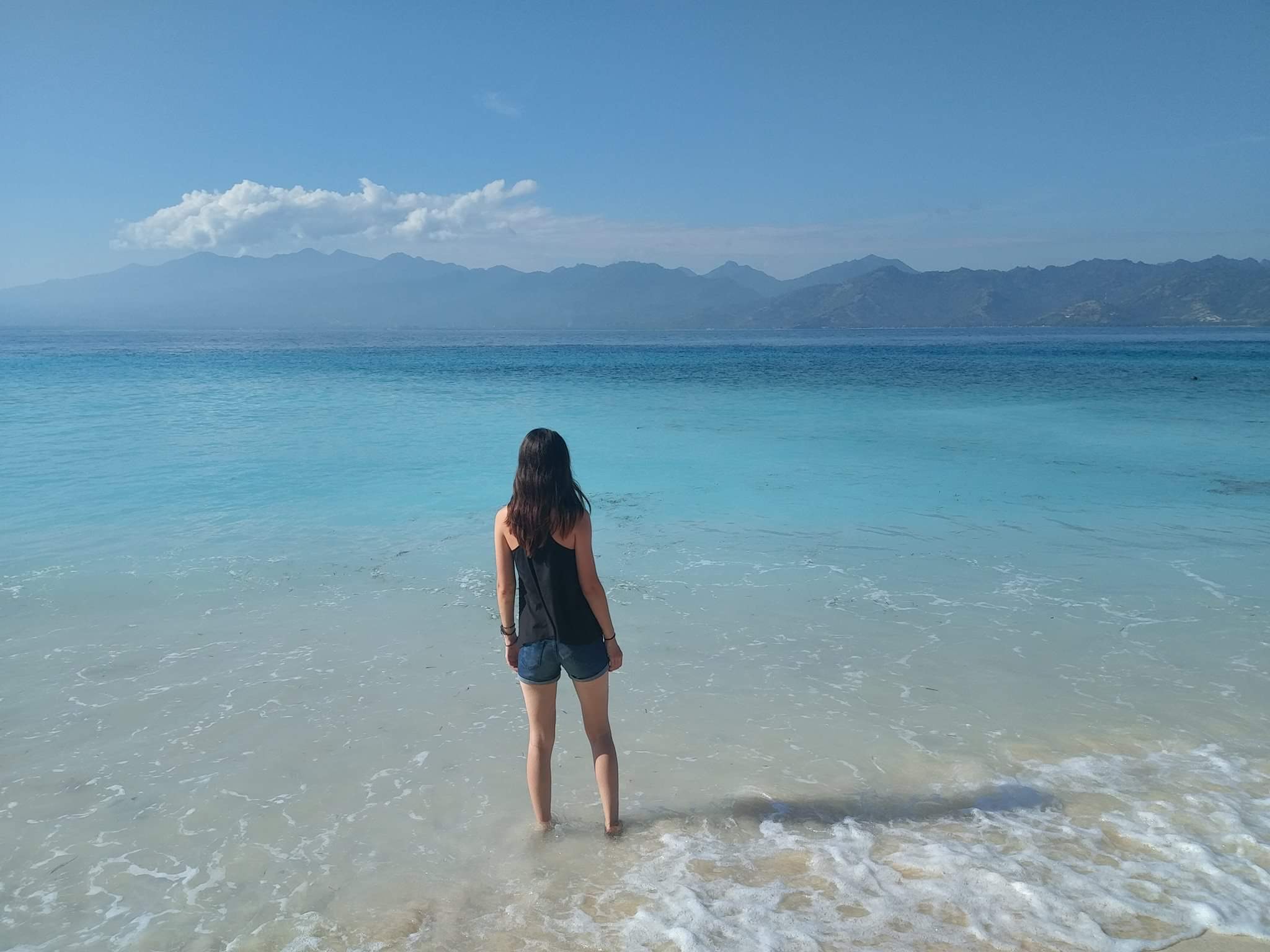 Nicole’s project with the Surfrider Foundation looked at ways to increase public engagement
in combating plastic pollution, especially through social media. With discarded plastics
being a catastrophic issue in our oceans Nicole analyzed COVID-19 impacts of plastic
pollution in our oceans, especially from PPE. Her project also looked at specific
areas; Indonesia was one case study with the management of their plastic pollution.
Through different forms of media, like film series and a plastic pollution campaign,
Nicole’s goal was to encourage individuals to have discussions about living more sustainably
and promoting sustainability in the future, to spread awareness about plastics and
recycling.
Nicole’s project with the Surfrider Foundation looked at ways to increase public engagement
in combating plastic pollution, especially through social media. With discarded plastics
being a catastrophic issue in our oceans Nicole analyzed COVID-19 impacts of plastic
pollution in our oceans, especially from PPE. Her project also looked at specific
areas; Indonesia was one case study with the management of their plastic pollution.
Through different forms of media, like film series and a plastic pollution campaign,
Nicole’s goal was to encourage individuals to have discussions about living more sustainably
and promoting sustainability in the future, to spread awareness about plastics and
recycling.
Ellie Evans (MA, 2021)
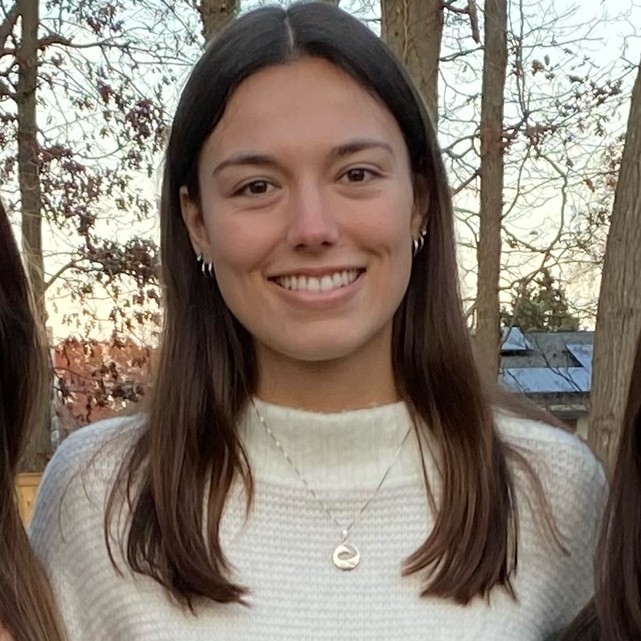 Ellie worked to develop a prototype Long Island Beach and Water Quality application
during her time and the Marine Conservation and Policy program. Water quality testing
was often done by many different organizations, and Ellie took the time to compile
all this information and display it for the public in a convenient location. By creating
this app, her goal was to notify the public of any changes to water quality for recreation
activities, fishermen, and other beachgoers. Her three main sources of data were from
the Gobler Lab for the water quality index data, the New York State Department of
Health for beach closures, and shellfish closures from the New York State Department
of Environmental Conservation. Through the use of coding and ArcGIS, Ellie was able
to display the data to be user-friendly and accessible. Ellie‘s future goals include
aiming to expand the dataset to include harmful algal blooms and other oceanographic
and marine information that might be relevant to beach covers across the island.
Ellie worked to develop a prototype Long Island Beach and Water Quality application
during her time and the Marine Conservation and Policy program. Water quality testing
was often done by many different organizations, and Ellie took the time to compile
all this information and display it for the public in a convenient location. By creating
this app, her goal was to notify the public of any changes to water quality for recreation
activities, fishermen, and other beachgoers. Her three main sources of data were from
the Gobler Lab for the water quality index data, the New York State Department of
Health for beach closures, and shellfish closures from the New York State Department
of Environmental Conservation. Through the use of coding and ArcGIS, Ellie was able
to display the data to be user-friendly and accessible. Ellie‘s future goals include
aiming to expand the dataset to include harmful algal blooms and other oceanographic
and marine information that might be relevant to beach covers across the island.
Michael Bowen (MA, 2022)
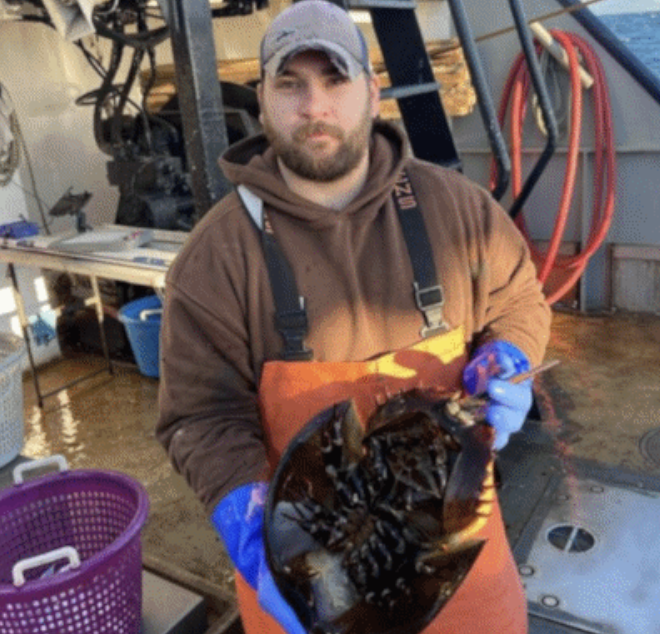 Michael’s internship project analyzed recreational fisheries’s data in New York State.
Recreational fisheries are not as studied as intensely as commercial fisheries, but
recreational fishery interest is growing in the United States. This fishery data is
important to get a comprehensive overview of existing fish stocks through recreational
fishing accounts.
Michael’s internship project analyzed recreational fisheries’s data in New York State.
Recreational fisheries are not as studied as intensely as commercial fisheries, but
recreational fishery interest is growing in the United States. This fishery data is
important to get a comprehensive overview of existing fish stocks through recreational
fishing accounts.
Michael was an Access Point Angler Intercept Survey person through the Marine Recreational Information Program, and did a field interview position with the New York State Department of Environmental Conservation (NYSDEC) to assess the effort and catch a recreational fisherman across Long Island. His main goals were to determine the trends and compliance for two species in particular, striped bass and summer flounder, to determine the quality of the data that is provided to the NYSDEC. Ultimately, the goal of his project was to improve compliance and encourage reporting on time and accurately through Vessel Trip Reports (VTR).
Melanie Shaw Smith (MA, 2022)
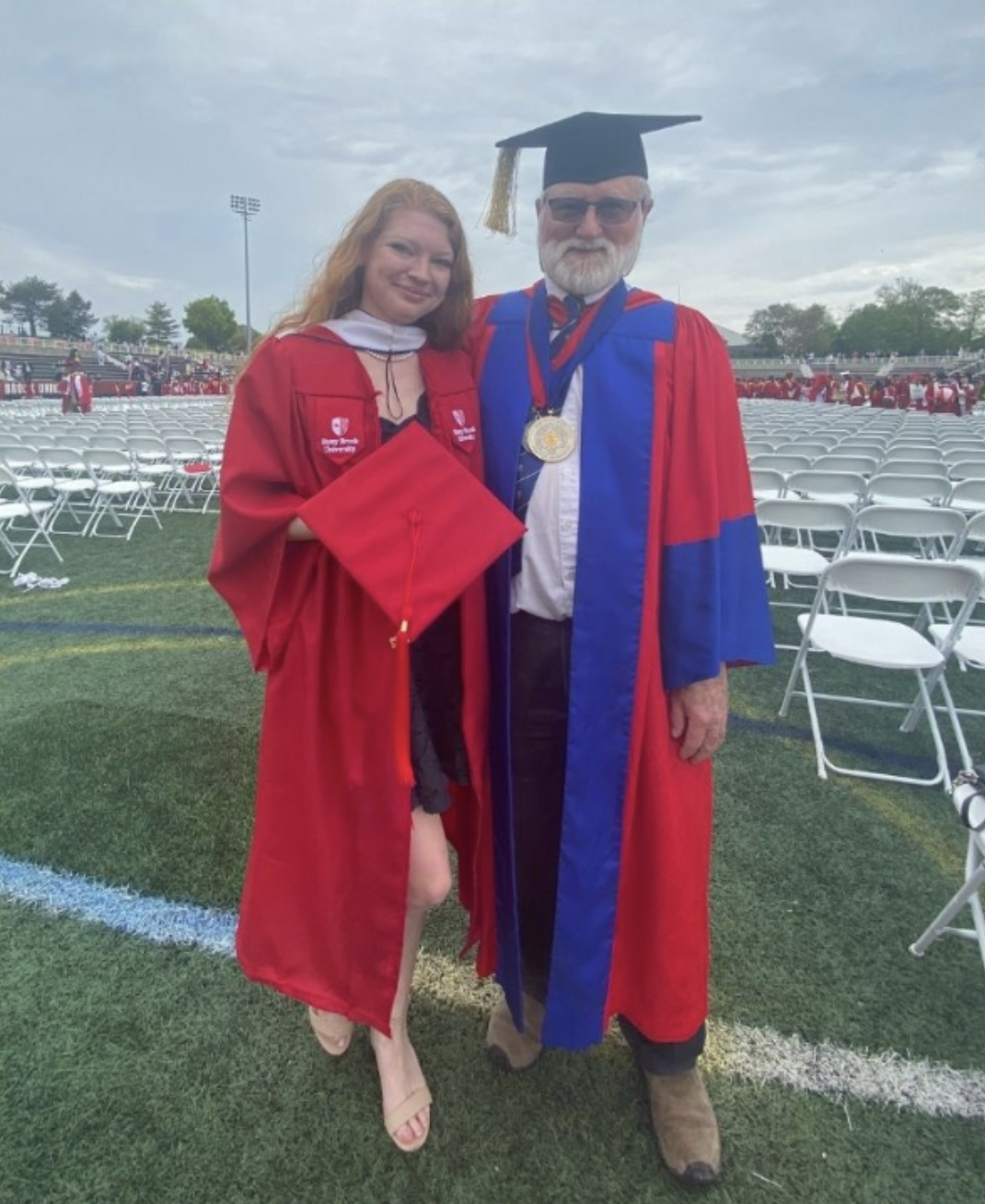 Melanie’s graduate internship studied the efficacy of using social media as a platform
to discuss impacts of storm surge in urban and natural areas. Melanie’s project demonstrated
how important it is to advocate for the climate crisis information and communicate
climate science to the general public. Through weekly Instagram tools like stories
and posts and hashtags, she wanted to reach out to audiences by boosting engagement
for Metro Surge, which is the Storm Surge Work Group for New York and New Jersey.
Following trends on social media, she also used Google Sites to develop a brand and
spread the word about coastal resiliency. Melanie discovered that social media is
an effective way to reach audiences, and content that merges social media and scientific
research is most likely to be shared.
Melanie’s graduate internship studied the efficacy of using social media as a platform
to discuss impacts of storm surge in urban and natural areas. Melanie’s project demonstrated
how important it is to advocate for the climate crisis information and communicate
climate science to the general public. Through weekly Instagram tools like stories
and posts and hashtags, she wanted to reach out to audiences by boosting engagement
for Metro Surge, which is the Storm Surge Work Group for New York and New Jersey.
Following trends on social media, she also used Google Sites to develop a brand and
spread the word about coastal resiliency. Melanie discovered that social media is
an effective way to reach audiences, and content that merges social media and scientific
research is most likely to be shared.
Siobhan Keeling, (MA, 2021)
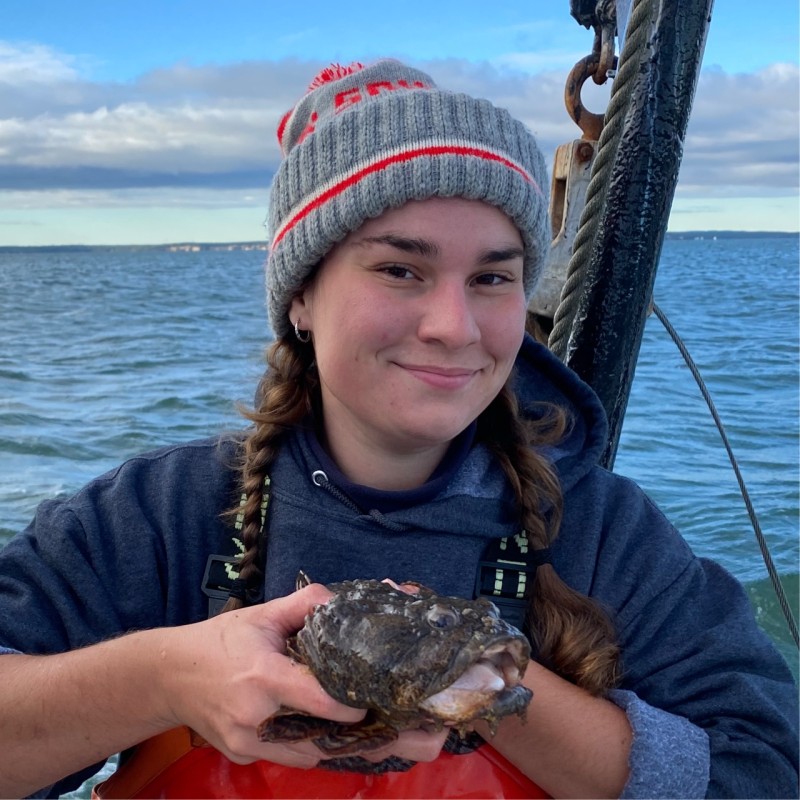 Siobhan’s project focused on humpback whale entanglement in the New York Bight. Through
her work in the Thorne Lab, she analyzed data within the West Indies population. Entanglement
is a serious cause of humpback whale mortality, and so part of her objective was to
identify scarring on these marine mammals to indicate whether or not it was from an
anthropogenic source. By using drone footage and aerial detection, Siobhan’s project
allowed her to make recommendations for ropes in fishing and better fishery practices
to protect the conservation of these species in the long-term.
Siobhan’s project focused on humpback whale entanglement in the New York Bight. Through
her work in the Thorne Lab, she analyzed data within the West Indies population. Entanglement
is a serious cause of humpback whale mortality, and so part of her objective was to
identify scarring on these marine mammals to indicate whether or not it was from an
anthropogenic source. By using drone footage and aerial detection, Siobhan’s project
allowed her to make recommendations for ropes in fishing and better fishery practices
to protect the conservation of these species in the long-term.
Jonathon Gaare (MA, 2020)
Jonathon Gaare interned as a seasonal Park Ranger Interpreter for the National Park Service at the nearby Fire Island National Seashore and focused his project on science communication during a pandemic. The role of the Interpreter is to use their diverse wealth of knowledge of the park to engage and inspire visitors to learn about and enjoy its beautiful spaces. Jonathon found that due to the pandemic, traditional methods of science communication and interaction needed to be modified to maintain safety for all involved while still effectively sharing information and fostering visitor interest and investment in the local environment. Traditional communication tools, such as visitor centers could not be opened to the public, so fixed-point interpretation at doorways and frequent roving of the field were used to maintain good communication and capitalize on educational opportunities with visitors. Jonathon helped develop the “Watch Hill Expedition,” a combination of a self-guided tour and a scavenger hunt, which visitors could take part in rather than the traditional guided tours that would normally have been given. Jonathon spent much of the summer stationed at the Sailors Haven Visitors Center which is adjacent to the Sunken Forest. Using concepts learned in the MCP program he was able to provide a frontline opportunity for visitors to observe and recognize the true effects of sea level rise on this globally rare maritime holly forest.
Christine Suter (MA, 2020)
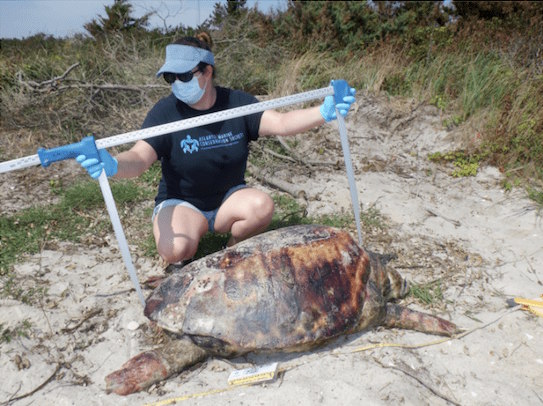 Christine Suter conducted her internship with the Atlantic Marine Conservation Society
(AMSEAS) based in Hampton Bays, New York, where she analyzed data on sea turtle strandings
in the coastal waters of New York for the years 2010, 2012 and 2016. Her goals were
toChristine Suter (MA, 2020) establish a procedure for analyzing the data, provide
a baseline from which data in prior and subsequent years could be compared, and to
identify trends relating to debris ingestion and entanglement within and between the
three years observed. Most of the debris-related strandings she reviewed involved
loggerhead turtles that had ingested soft plastic debris and latex balloon fragments,
while most of the entanglement-related strandings involved leatherback turtles that
had become entangled in lines from pot fisheries. In addition to analyzing the strandings
data, Christine attended a series of necropsy training sessions with AMSEAS and assisted
with several marine mammal and sea turtle necropsies throughout the summer.
Christine Suter conducted her internship with the Atlantic Marine Conservation Society
(AMSEAS) based in Hampton Bays, New York, where she analyzed data on sea turtle strandings
in the coastal waters of New York for the years 2010, 2012 and 2016. Her goals were
toChristine Suter (MA, 2020) establish a procedure for analyzing the data, provide
a baseline from which data in prior and subsequent years could be compared, and to
identify trends relating to debris ingestion and entanglement within and between the
three years observed. Most of the debris-related strandings she reviewed involved
loggerhead turtles that had ingested soft plastic debris and latex balloon fragments,
while most of the entanglement-related strandings involved leatherback turtles that
had become entangled in lines from pot fisheries. In addition to analyzing the strandings
data, Christine attended a series of necropsy training sessions with AMSEAS and assisted
with several marine mammal and sea turtle necropsies throughout the summer.
Kayla Clauson (MA, 2020)
Kayla Clauson interned as an educator and research assistant with Narragansett Bay National Estuarine Research Reserve (NBNERRKayla Clauson (MA, 2020)) through the Rhode Island Department of Environmental Management on Prudence Island. Prudence Island is a remote island in the geographical center of Narragansett Bay that has a wide range of habitats which she explored and taught about. Kayla focused on science communication and translation; making science meaningful for a variety of audiences including homeschool groups, family programs, and virtual programming. As part of her individual research project she was the first person to monitor spawning American horseshoe crabs (Limulus polyphemus) on Prudence Island. The population was monitored across a latitudinal gradient during spring high tides occurring in June and July. Additionally, Kayla quantified the associated parasitic interactions between horseshoe crabs and their obligate triclad parasite, Bdelloura candida. Parasitic interactions are often overlooked in ecological monitoring, and Kayla used this opportunity to increase the scientific knowledge of interactions between the horseshoe crab, a target conservation species, and the parasite Bdelloura candida.
Nolan Slattery (MA, 2020)
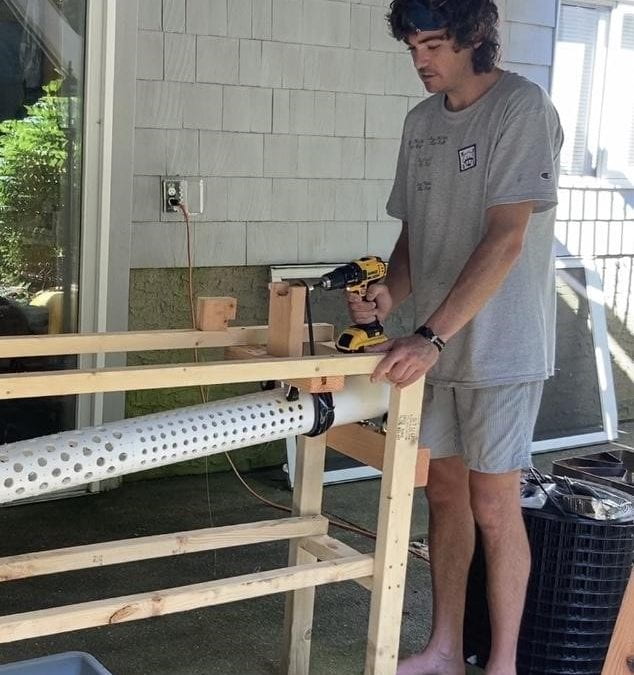 Nolan’s capstone study, a New York State Marine Aquaculture 2020 Prospectus, included
a comprehensive review of both the history of Nolan Slattery (MA, 2020)shellfish and
aquaculture in New York and recent policy events that have direct implications on
commercial aquaculture in New York. In the Summer of 2020, two major policy events
were underway: an executive order was issued with the intent of accelerating domestic
offshore aquaculture and the development of a 10-year review of Suffolk County’s Shellfish
Aquaculture Lease Program. Additionally, Nolan participated in the County’s lease
program, operating as a restorative shellfish farm in 2020. He was able to use the
insights he gained from first-hand experiences with environmental regulators, legislators,
and local shellfish hatcheries in conjunction with his analysis of the current policy
decisions taking place locally and nationally in the development of this prospectus.
Automation, sustainability, and globalization were important factors considered while
developing the prospectus. For more information about the shellfish farm Nolan founded,
click here.
Nolan’s capstone study, a New York State Marine Aquaculture 2020 Prospectus, included
a comprehensive review of both the history of Nolan Slattery (MA, 2020)shellfish and
aquaculture in New York and recent policy events that have direct implications on
commercial aquaculture in New York. In the Summer of 2020, two major policy events
were underway: an executive order was issued with the intent of accelerating domestic
offshore aquaculture and the development of a 10-year review of Suffolk County’s Shellfish
Aquaculture Lease Program. Additionally, Nolan participated in the County’s lease
program, operating as a restorative shellfish farm in 2020. He was able to use the
insights he gained from first-hand experiences with environmental regulators, legislators,
and local shellfish hatcheries in conjunction with his analysis of the current policy
decisions taking place locally and nationally in the development of this prospectus.
Automation, sustainability, and globalization were important factors considered while
developing the prospectus. For more information about the shellfish farm Nolan founded,
click here.
Carolyn Sukowski (MA, 2014)
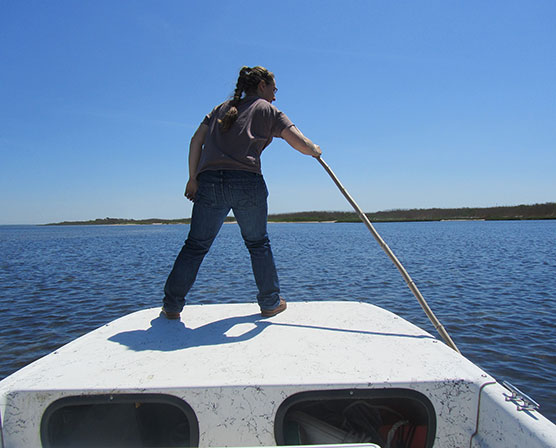 For her Capstone Project, Carolyn conducted shoreline surveys in the New York Marine
District to examine the ingress, egress, and abundance of migratory shorebirds, including
the proposed (September 2013) federally threatened red knot (Calidris canutus rufa).
Carolyn Sukowski (MA, 2014)She also contrasted sediment cores from migratory shorebird
foraging and non-foraging areas in order to determine preferred prey items for these
species and to assess how available prey items determine distribution for these long-distant
migrants. Carolyn worked directly with Cornell Cooperative Extension of Suffolk County’s
Marine Program and the New York State Department of Environmental Conservation (NYSDEC)
who spearheaded this project. Through these efforts, environmental conservation managers
will gain a better understanding of shorebird migration patterns, critical habitat
for these species, and the importance of horseshoe crab eggs in migratory shorebird
diet which could potentially lead to the concurrent management of these species in
the future.
For her Capstone Project, Carolyn conducted shoreline surveys in the New York Marine
District to examine the ingress, egress, and abundance of migratory shorebirds, including
the proposed (September 2013) federally threatened red knot (Calidris canutus rufa).
Carolyn Sukowski (MA, 2014)She also contrasted sediment cores from migratory shorebird
foraging and non-foraging areas in order to determine preferred prey items for these
species and to assess how available prey items determine distribution for these long-distant
migrants. Carolyn worked directly with Cornell Cooperative Extension of Suffolk County’s
Marine Program and the New York State Department of Environmental Conservation (NYSDEC)
who spearheaded this project. Through these efforts, environmental conservation managers
will gain a better understanding of shorebird migration patterns, critical habitat
for these species, and the importance of horseshoe crab eggs in migratory shorebird
diet which could potentially lead to the concurrent management of these species in
the future.
Sara Hugentobler (MA, 2014)
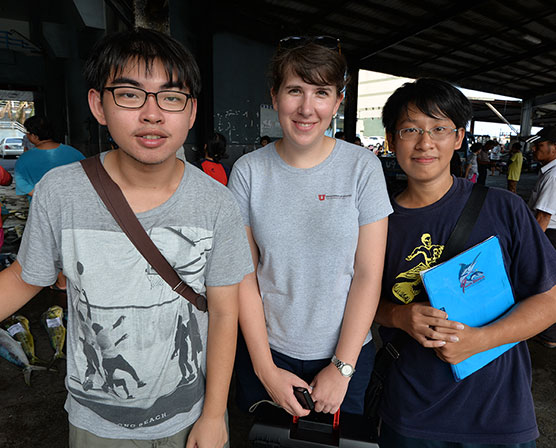 Sara Hugentobler’s Capstone Project focused on the migration of Pacific Bluefin Tuna,
a commercially important and heavily exploited Sara Hugentobler (MA, 2014)species.
To complete this project, Sara collected samples in Taiwan for stable isotope analysis.
Pacific Bluefin Tuna make transoceanic migrations and from the data collected, age
and diet differences should be able to elucidate migration patterns. This work will
fold into a larger research study conducted by Stony Brook University post-doc Dr.
Daniel Madigan. In order to complete this project, Sara received funding from the
National Science Foundation’s East Asia and Pacific Summer Institutes.
Sara Hugentobler’s Capstone Project focused on the migration of Pacific Bluefin Tuna,
a commercially important and heavily exploited Sara Hugentobler (MA, 2014)species.
To complete this project, Sara collected samples in Taiwan for stable isotope analysis.
Pacific Bluefin Tuna make transoceanic migrations and from the data collected, age
and diet differences should be able to elucidate migration patterns. This work will
fold into a larger research study conducted by Stony Brook University post-doc Dr.
Daniel Madigan. In order to complete this project, Sara received funding from the
National Science Foundation’s East Asia and Pacific Summer Institutes.
Nico Hernandez (MA, 2014)
 The salt domes that create the Flower Garden Banks NMS support spectacular coral communities
that are renowned throughout theNico Hernandez (MA, 2014) world. Recent research revealed
several vulnerable banks outside the current sanctuary boundaries leading the Sanctuary
Advisory Counsel to propose boundary expansions and the creation of a research only
area. Nico created socioeconomic profiles to help managers mitigate impacts to the
three users, commercial fishermen, charter fishermen and dive boat operators. Demographic,
cost and earning, knowledge attitude and perception as well as spatial activity (landings,
person days, effort) were analyzed to reveal areas of economic importance. The profiles
will be used in a spatial decision support tool that will allow the users to create
their own boundary expansion alternatives and view the potential impacts. It will
also be used in a post-implementation study to observe the actual socioeconomic impact
is to users. Nico also helped created survey materials for a valuation study of Puerto
Rico’s coral reefs, wrote technical document summaries and attended many meetings.
The salt domes that create the Flower Garden Banks NMS support spectacular coral communities
that are renowned throughout theNico Hernandez (MA, 2014) world. Recent research revealed
several vulnerable banks outside the current sanctuary boundaries leading the Sanctuary
Advisory Counsel to propose boundary expansions and the creation of a research only
area. Nico created socioeconomic profiles to help managers mitigate impacts to the
three users, commercial fishermen, charter fishermen and dive boat operators. Demographic,
cost and earning, knowledge attitude and perception as well as spatial activity (landings,
person days, effort) were analyzed to reveal areas of economic importance. The profiles
will be used in a spatial decision support tool that will allow the users to create
their own boundary expansion alternatives and view the potential impacts. It will
also be used in a post-implementation study to observe the actual socioeconomic impact
is to users. Nico also helped created survey materials for a valuation study of Puerto
Rico’s coral reefs, wrote technical document summaries and attended many meetings.
Amanda Eplett (MA, 2014)
 According to the Endangered Species Act, a review must be conducted on protected species
every 5 years to determine if the species should be uplisted, down-listed, delisted,
or if the current listing should remain the same. During her internship with the National
Amanda Eplett (MA, 2014)Marine Fisheries Service Office of Protected Resources, Endangered
Species Conservation Division, Amanda Eplett developed the first draft of the sperm
whale 5-year review focusing on the recovery criteria provided in 2010 Recovery Plan.
She reviewed literature from 2008-2014 from a variety of sources, such as journal
articles, technical documents, and yearly stock assessment reports. The information
was organized and summarized into the first draft of the 2014 sperm whale 5-year review.
After the review was drafted, the information was analyzed based on the recovery criteria
to determine if any change in listing was warranted. In addition to the 5-year review,
Amanda also attended meetings, assisted with editing technical documents, and began
development of a review paper.
According to the Endangered Species Act, a review must be conducted on protected species
every 5 years to determine if the species should be uplisted, down-listed, delisted,
or if the current listing should remain the same. During her internship with the National
Amanda Eplett (MA, 2014)Marine Fisheries Service Office of Protected Resources, Endangered
Species Conservation Division, Amanda Eplett developed the first draft of the sperm
whale 5-year review focusing on the recovery criteria provided in 2010 Recovery Plan.
She reviewed literature from 2008-2014 from a variety of sources, such as journal
articles, technical documents, and yearly stock assessment reports. The information
was organized and summarized into the first draft of the 2014 sperm whale 5-year review.
After the review was drafted, the information was analyzed based on the recovery criteria
to determine if any change in listing was warranted. In addition to the 5-year review,
Amanda also attended meetings, assisted with editing technical documents, and began
development of a review paper.
Sarah Bailey (MA, 2014)
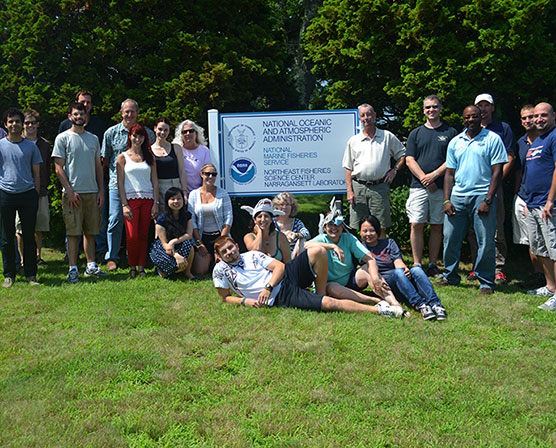 Sarah Bailey conducted her internship at the National Marine Fisheries Service (NMFS)
office in Narragansett, RI working as a statistical fisheries intern for Dr. Jon Hare.
During this time Sarah analyzed the movement of a commercially viable fin-fish species,
theSarah Bailey (MA, 2014) Atlantic croaker, and was able to model their population
distribution shift northward over the last 40 years using trawl data collected by
NEFSC. With this information she the went on to better understand the mechanism behind
this movement and found that it was linked to mean length, indicating that the larger
fish within the population traveled the farthest poleward. Using this method of analysis,
future research can be done on other commercial fish species in order to work towards
a more fluid management regime, one that would be able to use the most up-to-date
scientific information on fisheries populations to set more efficient regulations.
Sarah Bailey conducted her internship at the National Marine Fisheries Service (NMFS)
office in Narragansett, RI working as a statistical fisheries intern for Dr. Jon Hare.
During this time Sarah analyzed the movement of a commercially viable fin-fish species,
theSarah Bailey (MA, 2014) Atlantic croaker, and was able to model their population
distribution shift northward over the last 40 years using trawl data collected by
NEFSC. With this information she the went on to better understand the mechanism behind
this movement and found that it was linked to mean length, indicating that the larger
fish within the population traveled the farthest poleward. Using this method of analysis,
future research can be done on other commercial fish species in order to work towards
a more fluid management regime, one that would be able to use the most up-to-date
scientific information on fisheries populations to set more efficient regulations.
Elyssa Hopkins (MA, 2013)
 During her internship, Elyssa worked with threatened and endangered coastal species
on Long Island under the Southampton Town Trustees. Elyssa monitored and established
protection measures for shorebirds such as the piping plover, the least tern, the
Elyssa Hopkins (MA, 2013)common tern, the American oystercatcher and the black skimmer,
as well as two plant species, seabeach amaranth and seabeach knotweed. Protection
measures included the use of symbolic string fencing, snow fencing, and predator exclosures.
Elyssa evaluated the effectiveness of the exclosures on piping plover breeding success
by analyzing monitoring data that had been collected over the past five years. The
results, which advocate for responsible and strategic exclosure use, have been distributed
to various conservation agencies across Long Island.
During her internship, Elyssa worked with threatened and endangered coastal species
on Long Island under the Southampton Town Trustees. Elyssa monitored and established
protection measures for shorebirds such as the piping plover, the least tern, the
Elyssa Hopkins (MA, 2013)common tern, the American oystercatcher and the black skimmer,
as well as two plant species, seabeach amaranth and seabeach knotweed. Protection
measures included the use of symbolic string fencing, snow fencing, and predator exclosures.
Elyssa evaluated the effectiveness of the exclosures on piping plover breeding success
by analyzing monitoring data that had been collected over the past five years. The
results, which advocate for responsible and strategic exclosure use, have been distributed
to various conservation agencies across Long Island.
Kenneth Lang (MA, 2013)
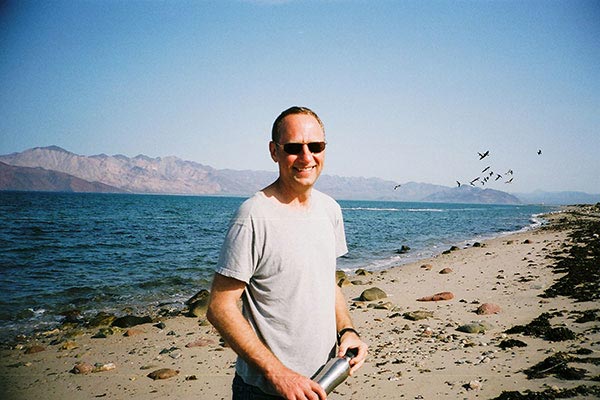 Kenneth completed an internship with the United Nations Development Programme (UNDP)
/ Global Environment Facility (GEF) Kenneth Lang (MA, 2013)International Waters Programme
in which he worked with more than three dozen transboundary water environmental remediation
projects funded by the GEF and implemented by the UNDP. In collaboration with project
managers on four continents, Ken synthesized technical reports into a format accessible
to a wider audience, including the water management community, potential donors and
the lay public. Projects ranged from improving the state of the Benguela current off
of South Africa, Namibia and Angola; to reducing pollution and dead zones in the Danube
River and Black Sea; to reducing the use of mercury in artisanal gold mining amongst
impoverished people. The common feature of all projects, which took place in Africa,
Europe, Asia, and Pacific Island States, was bringing two or more countries together
to tackle shared water environmental problems.
Kenneth completed an internship with the United Nations Development Programme (UNDP)
/ Global Environment Facility (GEF) Kenneth Lang (MA, 2013)International Waters Programme
in which he worked with more than three dozen transboundary water environmental remediation
projects funded by the GEF and implemented by the UNDP. In collaboration with project
managers on four continents, Ken synthesized technical reports into a format accessible
to a wider audience, including the water management community, potential donors and
the lay public. Projects ranged from improving the state of the Benguela current off
of South Africa, Namibia and Angola; to reducing pollution and dead zones in the Danube
River and Black Sea; to reducing the use of mercury in artisanal gold mining amongst
impoverished people. The common feature of all projects, which took place in Africa,
Europe, Asia, and Pacific Island States, was bringing two or more countries together
to tackle shared water environmental problems.
Sean Darsee (MA, 2012)
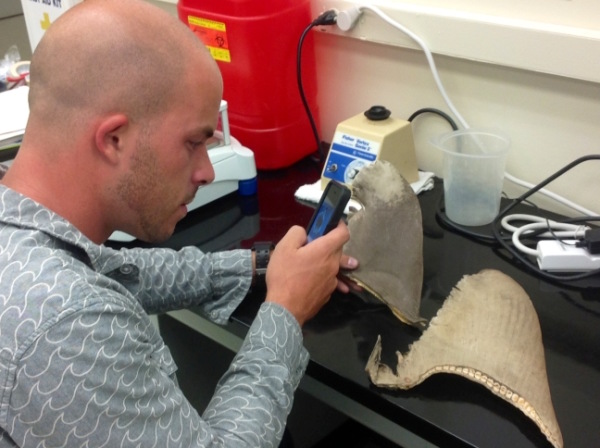 Sean developed an iPhone app to help border control and law enforcement personnel
to identify traded fins from five especially threatened shark species (scalloped hammerhead,
great hammerhead, smooth hammerhead, oceanic whitetip and porbeagle). Sean Darsee
(MA, 2012)He developed the app based on a paper and web-based fin guide produced by
Debra Abercrombie and Dr. Demian Chapman (www.sharkfinid.org). Sean worked directly
with the scientists and policy experts at the Pew Charitable Trust’s Global Shark
Campaign. The prototype app was an important part of successful advocacy efforts to
list these species under the Convention on International Trade in Endangered Species
(CITES) in March 2013. It will be launched and made freely available to potential
users as the new trade restrictions on these species take force in late 2014.
Sean developed an iPhone app to help border control and law enforcement personnel
to identify traded fins from five especially threatened shark species (scalloped hammerhead,
great hammerhead, smooth hammerhead, oceanic whitetip and porbeagle). Sean Darsee
(MA, 2012)He developed the app based on a paper and web-based fin guide produced by
Debra Abercrombie and Dr. Demian Chapman (www.sharkfinid.org). Sean worked directly
with the scientists and policy experts at the Pew Charitable Trust’s Global Shark
Campaign. The prototype app was an important part of successful advocacy efforts to
list these species under the Convention on International Trade in Endangered Species
(CITES) in March 2013. It will be launched and made freely available to potential
users as the new trade restrictions on these species take force in late 2014.
Other examples of organizations that our students have worked with include:
- Atlantis Aquarium
- Blue Ocean Institute
- Chesapeake Commons
- Cornell Cooperative Extension of Suffolk County
- Institute for Ocean Conservation Science
- Mystic Aquarium
- National Parks Service
- NYC Department of Environmental Protection
- NY Department of Environmental Conservation
- New York Seascape
- Riverhead Foundation
- Shinnecock Bay Restoration Program
- Southampton Threatened & Endangered Species Program
- Suffolk County Water Authority
- The Friends of Flax Pond
- United Nations Development Programme
- Wildlife Conservation Society