SUNY Research Leadership Academy

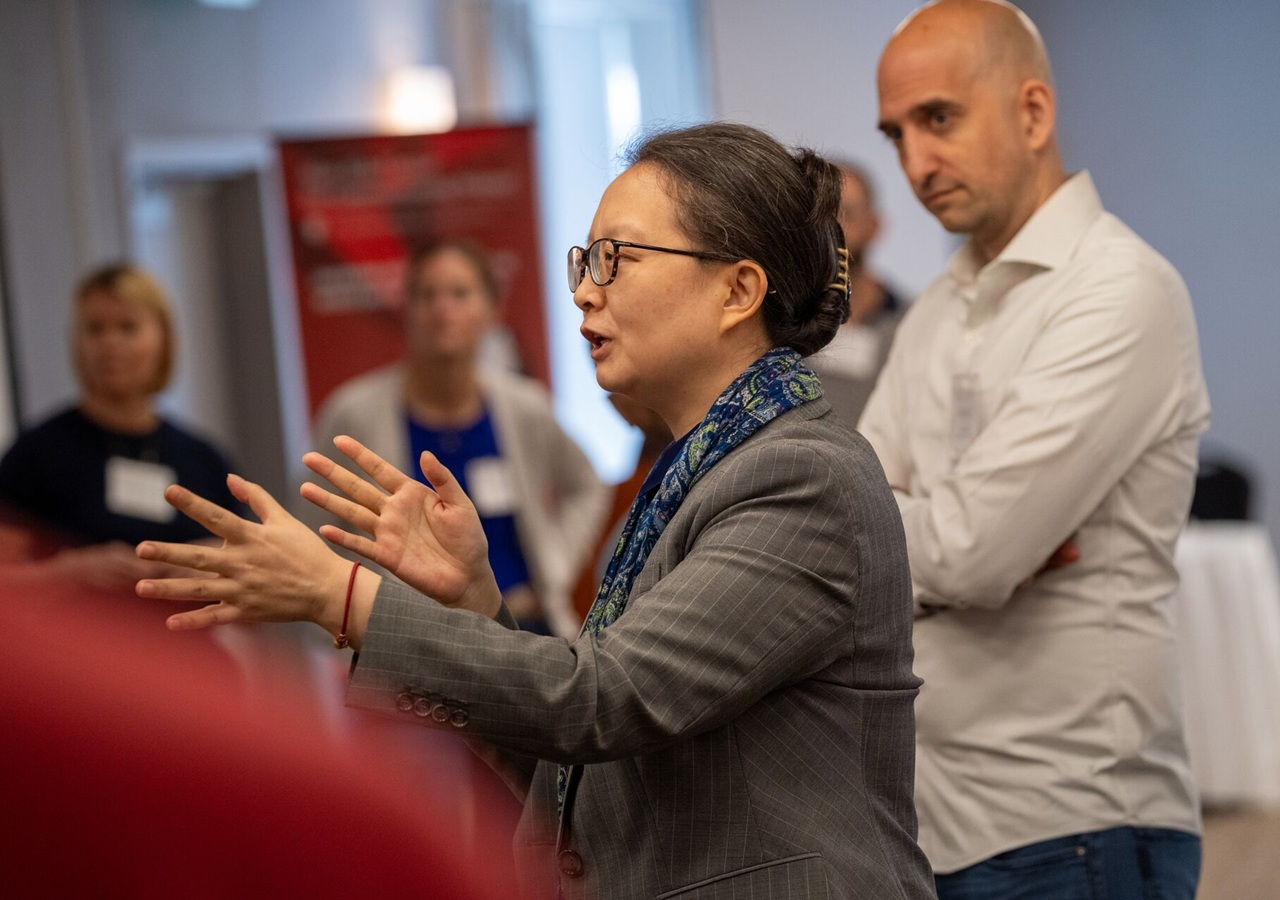
Speaker addressing group at the SUNY Research Leadership Academy session

Academy Overview

The SUNY Research Leadership Academy is a year-long faculty development program that develops leadership and communication skills among mid- and senior-level STEMM faculty throughout the State University of New York (SUNY) system. Led by Stony Brook University, the Academy empowers faculty to strengthen SUNY's research enterprise by engaging the public, driving innovation, and championing inclusion across STEMM fields.

This system-wide initiative has select a cohort of participants from across SUNY's 64 campuses. Through hands-on training, faculty are being equipped with tools and strategies to advance collaboration across STEMM, enhance audience-centered communication, and amplify their research in and beyond SUNY.

A key feature of the Academy is the integration of the Alda Method®, a leading communication framework developed by the Alan Alda Center for Communicating Science, which works closely with the School of Communication and Journalism at Stony Brook University.

Participants are attending four in-person meetings across New York state. They are engaged in year-long programming, which includes a combination of virtual and in-person experiences, and implement strategies to strengthen their research leadership. Participants are learning to champion research communication and inclusive excellence in leadership, and design and lead a collaborative project that reflects the Academy's strategic priorities.

Program Highlights

Research leaders participating in the Academy are taking part in the following immersive experiences:
  • Four in-person meetings throughout the academic year
  • Virtual sessions focused on inclusive leadership, research strategy, and communication
  • Project-based collaboration to advance equity and public engagement
  • Hands-on training in the Alda Method® to build audience-centered communication skills
  • Peer network opportunities among SUNY STEMM faculty

Academy Participants

Sam Ambramovich

Sam Ambramovich

University at Buffalo


Sam Abramovich is Associate Dean of Academic Affairs and Associate Professor at the University at Buffalo’s Graduate School of Education, with joint appointments in Learning & Instruction and Information Science. A Faculty Fellow in UB’s Office of Micro-credentials, his research focuses on micro-credential assessment, generative-AI–enabled learning, open educational resources, and supports for neurodivergent learners. He partners with STEMM educators to make learning and workforce outcomes measurable, interoperable, and equitable, and mentors graduate researchers on ethical, audience-centered communication. As a Research Leadership Academy Fellow, he hopes to improve inclusive, evidence-driven communication—and maybe also prove that you can explain micro-credentials in less than 1 minute.

Helena Blumen

Helena Blumen

Stony Brook University


Helena Blumen is a cognitive scientist that examines the interrelationship between cognitive and physical functions and brain health in aging – and the earliest stages of Alzheimer's disease and other forms of dementia. She is particularly interested in potentially modifiable risk factors of cognitive decline and dementia – including physical inactivity and social disconnection/isolation. Her research has been continuously supported by the National Institute of Health since 2008. She currently serves as Professor and Vice Chair of Research in the Department of Neurology at Stony Brook University. She also directs the Social, Cognitive and Physical Functions in Aging lab (aka Blumen Aging Lab).

Elizabeth Boon

Elizabeth Boon

Stony Brook University


Elizabeth Boon grew up in Durham, NC. She earned her A.B. from Kenyon College and her Ph.D. from Caltech, then completed an NIH postdoctoral fellowship at UC Berkeley before joining SBU in 2006. Now a full professor and Associate Dean of the Graduate School, Liz has received numerous honors, including the Presidential Early Career Award for Scientists and Engineers, the Office of Naval Research Young Investigator Award, SUNY’s Rising Star and Chancellor’s Awards for Excellence, and selection as a Kavli Fellow by the National Academy of Sciences.

Rigoberto Burgueño

Rigoberto Burgueño

Stony Brook University


Rigoberto Burgueño is Professor and Chair of the Department of Civil Engineering at Stony Brook University. His research focuses on structural mechanics and high-performance materials, including adaptive systems, artificial intelligence and machine learning for structural assessment, composites, concrete, and earthquake engineering. His work has been supported by the National Science Foundation, the Federal Highway Administration, the Michigan Department of Transportation, and the Precast/Prestressed Concrete Institute. He received his Ph.D. in engineering sciences from the University of California, San Diego.

Susan Clark

Susan Clark

University at Buffalo


Susan Spierre Clark is an Associate Professor in the Department of Environment and Sustainability at the University at Buffalo. Her research focuses on the impact of climate change on society with a particular focus on the sustainability and resilience of critical infrastructure, including water, energy and transportation systems. Dr. Clark directs the MA Sustainability Leadership and serves as the Chair of the Community Climate Change Task Force for Erie County.

Andrew Craig

Andrew Craig

SUNY Upstate Medical University


Andy Craig is an Associate Professor of Behavior Analysis Studies, Pediatrics, and Neuroscience and Physiology; Director for Research in the Golisano Center for Special Needs; and Chair of the Behavior Analysis Studies Department at SUNY Upstate Medical University. Andy’s research focuses on topics broadly related to addiction and relapse. He is a recipient of the B. F. Skinner Foundation New Researcher Award from APA Division 25, the Joseph V. Brady Significant Research Contribution Award from the Society for the Experimental Analysis of Behavior, and the SUNY Chancellor’s Horizon Award for Faculty Research and Scholarship.

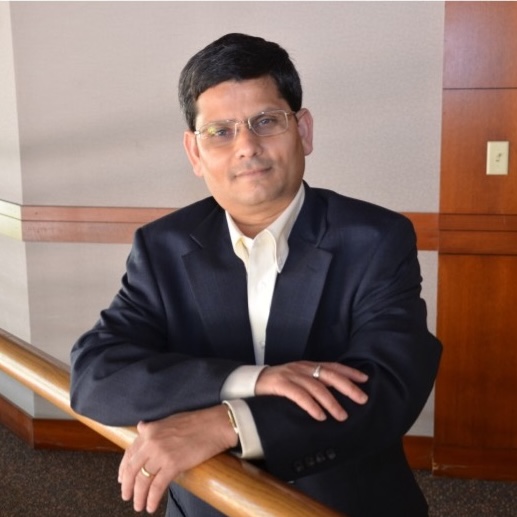
Bhaskar Das

Bhaskar Das

University at Buffalo


Bhaskar C. Das, Ph.D., joined as Professor, Division Head, Drug and Biotherapeutic Discovery at University at Buffalo the State University of New York (UB-SUNY) in July 2024. He is also a Professor of Medicine at the Icahn School of Medicine at Mount Sinai and a Professor at the Weill Cornell Medical College. He completed his Ph. D in synthetic organic chemistry from the Indian Institute of Technology (IIT), Kanpur, India, and his M.Phil. from Delhi University, India. Dr. Das received his postdoctoral training experience from the Massachusetts Institute of Technology, Harvard Medical School, and the University of Tennessee.

Fernando Espinoza

Fernando Espinoza

SUNY Old Westbury


Fernando Espinoza is full professor in the departments of Chemistry and Physics, and Adolescence Education at SUNY Old Westbury, as well as adjunct (full) professor in the Department of Physics and Astronomy at Hofstra University. Dr Espinoza has extensive teaching experience in astronomy, physics, physical science, and in the pedagogical preparation of science teachers. His active research agenda includes numerous peer-reviewed publications, two textbooks “The Nature of Science” (Rowman & Littlefield), and “Wave Motion as Inquiry” (Springer). He has received more than $420,000 in grants including funding from both state and NYC school systems.

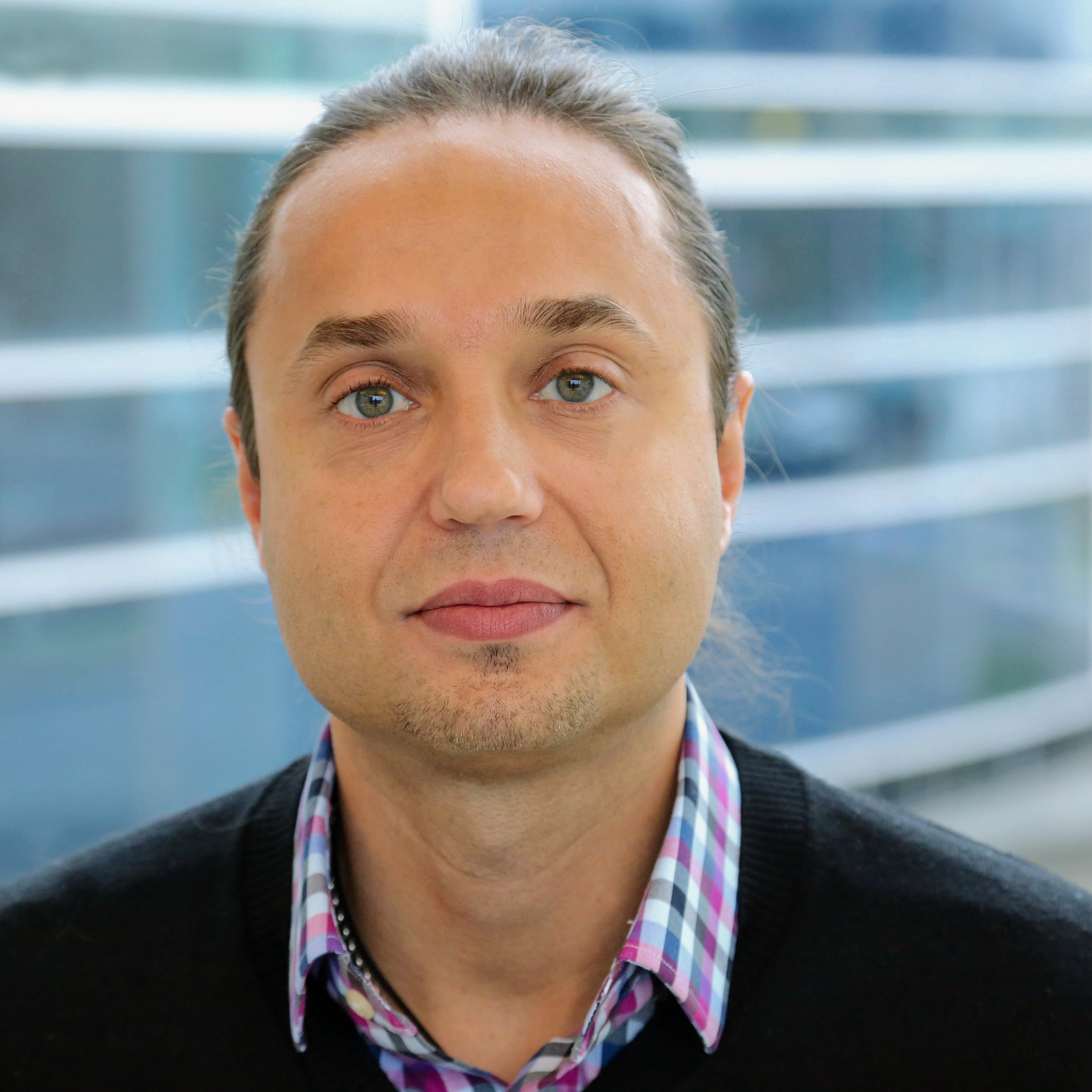
Spyros Galis

Spyros Galis

University at Albany


Spyros Galis (also Gallis) is an Associate Professor at the College of Nanotechnology, Science, and Engineering (CNSE). He specializes in the science and nanoengineering of rare-earth-ion-doped nanostructured materials and their spectroscopy. His research aims to establish a scientific foundation for future materials and quantum devices, supporting nanophotonic and quantum technologies such as long-distance quantum networking and distributed quantum sensing through novel nanofabrication and materials science. His group strives to create a new pathway to quantum advantage by developing a quantum sensor platform that is practical for biosensing and widespread deployment in aerospace applications.

Suman Ghosh

Suman Ghosh

SUNY Downstate


Suman Ghosh, MD, is a Pediatric Neurologist who studies neurodevelopmental outcomes in infants with neonatal brain injury. He is an Associate Professor of Neurology at his Alma mater SUNY Downstate College of Medicine and is the Clinical Director of Pediatric Neurology at Maimonides Medical Center. He serves as the Associate Chair of the Professional Development Committee for the Child Neurology Society. He is excited to be a fellow at the SUNY Research Leadership Academy and hopes to develop leadership and communication skills to bridge the gap between clinical research and patients.

Nancy Guo

Nancy Guo

Binghamton University


Nancy Guo is a SUNY Empire Innovation Professor at Binghamton University. Dr. Guo is a Fulbright US Scholar for Brazil on biomarker discovery. She is experienced in leading foundation AI-based multidisciplinary research as the PI of two NIH R01s and two NSF grants. She has secured over $46 million in federal funding as Principal Investigator/Project Director to develop technology and infrastructure for advancing precision medicine. She has published 62 peer-reviewed journal articles with more than 4,408 citations. Her research has resulted in 14 patents on cancer drugs and molecular diagnostic assays with FDA “Novel Technology” status (currently under review).

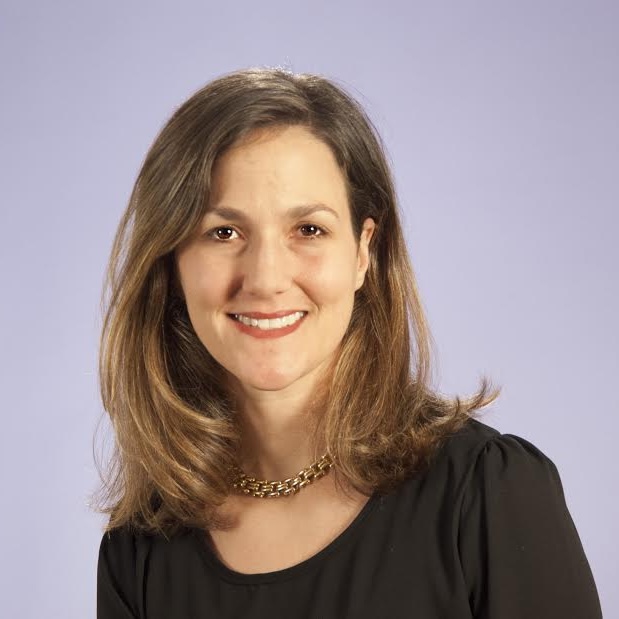
Sara Hamideh

Sara Hamideh

Stony Brook University


Sara Hamideh is an Associate Professor in the School of Marine and Atmospheric Sciences at Stony Brook University and an affiliated faculty member in Political Science. An urban planner by training, she specializes in disaster housing recovery, climate hazards adaptation, and community disaster resilience, with an emphasis on advancing equity in resilience. Her interdisciplinary research integrates planning, social science, and engineering to understand how funding, institutions, and policy decisions shape recovery trajectories. She has published widely on post-disaster housing and resilience and lead research projects on these topics funded by the National Science Foundation, the Department of Housing and Urban Development, and the National Institute of Standards and Technology.

Jessica Henty-Ridilla

Jessica Henty-Ridilla

SUNY Upstate Medical University


Jessica Henty-Ridilla is an Associate Professor at SUNY Upstate Medical University studying how the cell's "skeleton" of actin and microtubule proteins is built, remodeled, and coordinated to execute essential functions. Her lab uses powerful microscopes to visualize single-protein dynamics on a coverslip and inside living cells. Her team has uncovered new roles for key proteins regulating actin and microtubules in healthy cells and how they go wrong in diseases, particularly ALS. Her lab is supported by the NIH, ALS Association, and a Sinsheimer Scholar Award. She is also a dedicated mentor, fostering creativity, rigor, and inclusive excellence in science.

Sabina Hirshfield

Sabina Hirshfield

SUNY Downstate Health Sciences University


Hirshfield is a Professor in the Department of Medicine at SUNY Downstate Health Sciences University. Her online and biomedical self-sampling strategies have advanced scientific understanding and shaped interventions improving health among sexual and gender minority (SGM) populations. With nearly 25 years of experience, she has led or collaborated on eHealth and mHealth interventions grounded in behavioral theory to model health behaviors and reduce stigma among SGM populations with and without HIV. She also mentors early-career investigators, postdoctoral fellows, and graduate students in the epidemiology of infectious diseases, substance use, stigma, and digital research methodologies.

Julia Hormes

Julia Hormes

University at Albany


Julia Hormes is Professor of Psychology and Associate Dean for Faculty Affairs and Research in the College of Arts and Sciences at the University at Albany. Her research broadly examines the psychology of human food choice and aims to develop scalable interventions targeting disordered eating. She also studies the status of women in the academy to identify data-informed strategies to more successfully retain women in academic careers and leadership positions. She is PI of a NIGMS T34 “Maximizing Access to Research Careers” award that prepares undergraduate students for successful transitions into research-focused graduate programs and biomedical research careers.

Kirk Jalbert

Kirk Jalbert

University at Buffalo


Kirk Jalbert's research explores public engagement in environmental governance, particularly in the context of energy infrastructure and resource extraction projects and industries. His studies have examined how advocacy movements are shaped by information technologies and community-driven scientific research efforts; how affected landowners determine risk in their decision-making; and how regulators and industry develop engagement-related standards and policies. Prior to his faculty positions, he worked in the nonprofit sector facilitating large-scale data transparency, mapping, and digital storytelling projects. He has a PhD in Science and Technology Studies, an MFA in Media/Studio Arts, and a BS in Computer Science.

Reuben Kline

Reuben Kline

Stony Brook University


Reuben Kline is a political economist in the Political Science Department at Stony Brook University. He is interested in collective action and group decision making. What rules, norms, and procedures are considered “fair” in group settings? How do people incorporate risk and uncertainty when acting in groups? Using behavioral game theory, evolutionary psychology, experimental economics, and survey research, he pursues these questions in the context of climate change mitigation, disaster prevention, geoengineering, employment discrimination, social welfare policy, and artificial intelligence. In both my teaching and research I strive to apply insights from behavioral science to more effectively communicate scientific uncertainty.

Michael Lawler

Michael Lawler

Binghamton University


Michael Lawler is a theoretical physicist whose research lies at the interface of condensed matter and Quantum information sciences. He has been leading group grants in his research area trying to establish a base of quantum computing research at Binghamton for five years. He is looking forward to the SUNY Research Leadership Academy for the skills it may help develop and to build social connections with other members of SUNY interested in leadership.

Bonita London

Bonita London

Stony Brook University


Bonita London is a social and personality psychologist. As a social psychologist, Dr. London is interested in how social cues of belonging in institutional settings (like classrooms, labs and companies) impact the advancement and success of individuals. And as a personality psychologist, Dr. London explores how the same social cues can have a different meaning and impact based on how individuals perceive and cope with those cues. Utilizing longitudinal, social-cognitive experimental, and survey methodology, Dr. London’s research on identity, workforce development and institutional climate, along with her expertise in programmatic evaluation and assessment help guide her administrative leadership work as Associate Dean for Research Development and Communications in the College of Arts and Sciences at Stony Brook University.

Michael Mak

Michael Mak

Stony Brook University


Michael Mak received his undergraduate degree in Engineering-Physics from Brown University, followed by his Ph.D. at Cornell University in Biomedical Engineering and postdoctoral studies at MIT and Boston University. He is currently an Empire Innovation Associate Professor in the Department of Pharmacological Sciences at Stony Brook University. The focus of the Mak Research Lab is centered on 3 inter-related directions: 1) uncovering principles of cell mechanosensing of complex microenvironmental signals, 2) extracellular matrix engineering, and 3) building ultra-realistic functional tissues and organs through advanced bioprinting and biofabrication.

Xinrui (Sarah) Niu

Xinrui (Sarah) Niu

SUNY Polytechnic Institute


Xinrui (Sarah) Niu studies nature inspired materials for wellness, energy-saving and sustainable environment with multiscale mechanical testing, state-of-the-art materials characterization, smart manufacturing, computational simulation, and analytical modeling. Dr. Niu holds B.E. and M.E. degrees in Solid Mechanics from Tsinghua University, M.S. degree in Mechanical Engineering from the University of Notre Dame and Ph.D. degree in Structural Materials from Princeton University. Dr. Niu’s group has published over 40 SCI-indexed journal articles, 4 book chapters, 4 US patents and 1 international patent and delivered more than 90 presentations in the leading academic conferences and world-renowned universities.

Cláudia Nogueira Hora Marques

Cláudia Nogueira Hora Marques

Binghamton University


Cláudia Nogueira Hora Marques, PhD, is an Associate Professor of Biological Sciences at Binghamton University (SUNY). She investigates microbial communities with a focus on biofilms, persister cells, and host–microbe interactions. Her interdisciplinary lab develops advanced in vitro and organ-on-a-chip models to study antibiotic tolerance and human health. Dr. Marques's publications encompass microbiology, bioengineering, and infectious disease and she has received support from the NIH, NSF, and industry partners. She serves in leadership roles at Binghamton and in the broader scientific community, while also mentoring diverse students and engaging in outreach that brings microbiology to the public.

Chris Pennuto

Chris Pennuto

Buffalo State University


Chris Pennuto grew up in Iowa with 5 siblings, spending his free hours in whatever creek, park, or forest that was available. He started college with dreams of veterinary medicine but quickly was captured in the web of aquatic ecology, where he remains to this day. His free time is spent 'living off the fatta the lan', gardening, fishing, golf, splitting wood, and learning guitar. His daughter got married this past May…and he has hopes for a, or some, grand babes to come.

Roseann Peterson

Roseann Peterson

SUNY Downstate Health Sciences University


Roseann E. Peterson is an Associate Professor of Psychiatry at SUNY Downstate Health Sciences University and Director of the Population Genetics and Environment in Mental Health (POP-GEM) Lab. A statistical geneticist, she investigates causal processes underlying major psychiatric disorders using large-scale genomic and electronic health record–linked biobank data. Her research focuses on inclusive cross-cultural and population based methods, polygenic risk profiling, and multivariate models of comorbidity, alongside examining the ethical and societal implications of psychiatric genomics. She also serves as Downstate’s Director of Training in Research Ethics and Scientific Integrity. Dr. Peterson contributes to national and international collaborations, including PsycheMERGE and the Psychiatric Genomics Consortium, with NIH-supported work that advances equitable precision psychiatry and seeks to reduce mental health disparities.

Dola Saha

Dola Saha

University at Albany


Dola Saha is an Associate Professor in the Department of Electrical and Computer Engineering at University at Albany, SUNY. She held multiple visiting faculty positions in Jet Propulsion Laboratory, Caltech, NASA and Air Force Research Laboratory. She was a Research Professor in Rutgers University and a Researcher in NEC Laboratories America. She received her Masters and Doctorate degrees from the Department of Computer Science in the University of Colorado Boulder. Her research interests lie in the crossroads of Machine Learning for Wireless Communication and Signal Processing with focus on systems design and practical evaluation.

Christine Schaner Tooley

Christine Schaner Tooley

SUNY Buffalo


Schaner Tooley is an Associate Professor in the Department of Biochemistry at SUNY Buffalo. She obtained her PhD in Biochemistry from Emory University and did her postdoctoral work with Dr. Ian Macara at the University of Virginia. As a postdoc, she discovered a new protein methyltransferase and has built her independent research program on understanding the biochemistry of this enzyme and its role in human development and disease. She has recently become co-director of a new T32 training grant at UB and will be taking over next year as the director of the PhD Program in Biomedical Sciences.

Howard Sirotkin

Howard Sirotkin

Stony Brook University


Howard Sirotkin is an associate professor in the department of Neurobiology and Behavior at Stony Brook University. His laboratory uses zebrafish as a model to study how mutations and environmental pollutants disrupt neural development to produce neurological disorders. The genetics studies center on the role of the NMDAR subtype of glutamate receptors in the origins of autism, epilepsy and intellectual disability. In addition, he investigates the impacts of “Forever Chemicals” (PFAS compounds) on neural development to assess health risks posed by these common chemicals.

Craig Snoeyink

Craig Snoeyink

University at Buffalo


Craig Snoeyink is an Associate Professor in the Department of Mechanical and Aerospace Engineering at the University at Buffalo. He teaches Senior Design, a two-semester capstone course where students design and build a prototype product. Dr. Snoeyink leads the SNOE Lab, which seeks to develop more effective models for dielectrophoretic molecular separations, a powerful technique for transporting molecules in solution. In 2024, his work was recognized with both the NSF CAREER Award and the Department of Energy Early Career Research Program Award.

Ulas Sunar

Ulas Sunar

SUNY Empire


Ulas Sunar, PhD, is SUNY Empire Innovation Professor in Biomedical Engineering at Stony Brook University. His research focuses on biomedical optical imaging, with emphasis on cerebral blood flow, oxygenation, fluorescence, and metabolic imaging for neurovascular disease, cancer, and critical care applications. His laboratory develops optical instrumentation and computational methods for bedside and translational imaging, including diffuse correlation spectroscopy, time gated optical measurements, speckle imaging, and fluorescence-based technologies. Dr Sunar’s work bridges engineering, physiology, and clinical translation, with ongoing collaborations in neurocritical care, oncology, and image-guided therapy.

M. Jasim Uddin

M. Jasim Uddin

SUNY Polytechnic Institute


M. Jasim Uddin, with an h-index of 30 and over 5,000 citations, is a renowned expert in materials science and engineering. Dr. Uddin has published over 100 ISI-indexed journal articles, holds 4 patents, and has authored 2 books. He currently serves as the Wolfspeed Endowed Chair Professor and Director of the Center for Intelligent Manufacturing at SUNY Polytechnic Institute. Previously, he was the Fred W. and Frances H. Rusteberg Faculty Professor and Director/CoDirector of PERL and the Materials Science and Engg Ph.D. Program at UTRGV. His research spans biomedical sensors, solar energy, smart materials, and sustainable technologies such as TENGs and PENGs, supported by over $20 million in funding.

Jingyun Wang

Jingyun Wang

SUNY College of Optometry


Jingyun Wang is a tenured Associate Professor at SUNY College of Optometry, specializing in children's eye care and vision research. She earned her PhD in Vision Science from Indiana University and has held faculty positions at Indiana University's Glick Eye Institute and Salus University. Her research focuses on improving diagnosis and treatment of eye diseases in children, particularly studying how the eye develops, vision problems like nearsightedness, eye-turn and lazy eye, and how well children can see with various eye conditions.

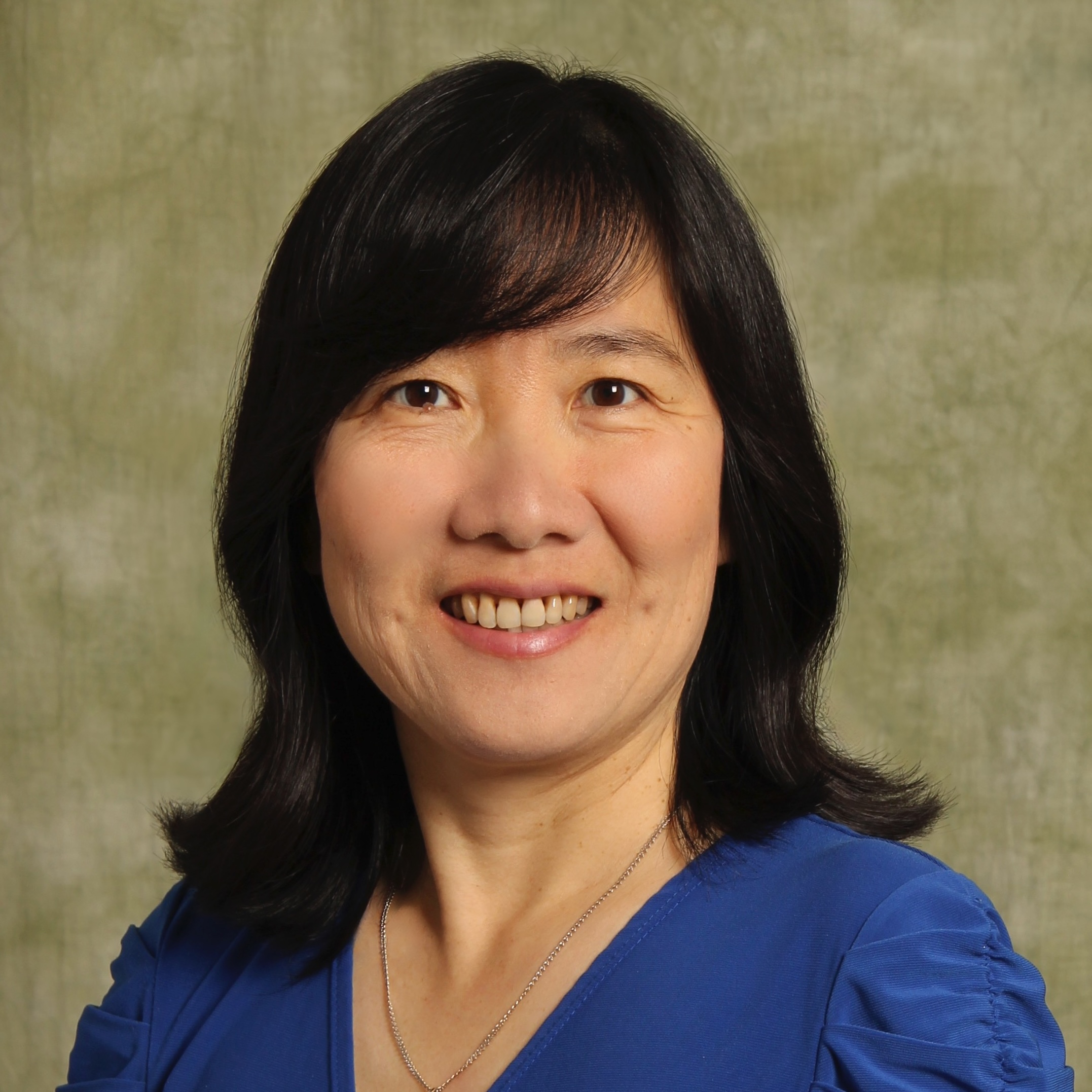
Yubing Xie

Yubing Xie

University at Albany


Yubing Xie is Professor and Associate Dean at the College of Nanotechnology, Science, and Engineering, University at Albany. She directs the Functional and Integrative Tissue Regeneration Center and specializes in stem cell nanotechnology and tissue engineering for ocular and fibrotic disease modeling and salivary tissue regeneration. Dr. Xie has published 78 peer-reviewed journal articles, filed 10 patents, and edited The Nanobiotechnology Handbook. Her research is supported by multiple NIH and NSF grants. She has received NSF CAREER Award and SUNY Chancellor’s Award for Excellence in Scholarship and Creative Activities and is an AIMBE Fellow for contributions to biomedical innovation.

Ziang (John) Zhang

Ziang (John) Zhang

Binghamton Universtiy


Ziang "John" Zhang is an Associate Professor of Electrical and Computer Engineering at Binghamton University (SUNY), where he leads a research team focused on power system stability and battery systems integration. He earned his Ph.D. from North Carolina State University and was a postdoctoral researcher at ABB. His work is supported by grants from the National Science Foundation, the Department of Energy, and New York State. An active contributor to the field, he serves on organizing committees for major IEEE Power and Energy Society conferences, contributes to IEEE standards, and received the 2023 IEEE PES Prize Paper Award.