


Mary Kritzer
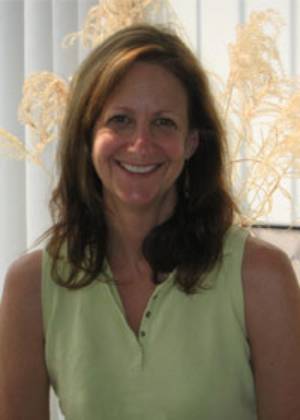
SUNY Distinguished ServiceProfessor
PhD, Yale University
Life Sciences Building
Office: Room 538
Lab: Room 521
Office Phone: (631) 632-8634
Fax: (631) 632-6661
Training
Mary Kritzer received a B.S. degree in Neuroscience in 1983 from the University of Rochester. She attended Yale University from 1983 to 1989, obtaining an M.Phil. in 1986 and a Ph.D. in Neuroanatomy in 1989. From 1989 to 1991 she was an NIH Postdoctoral Fellow at the University of Oxford, U.K. and from 1991 to 1993 she was a postdoctoral fellow in the Section of Neurobiology at Yale University. In 1993 she joined the faculty of the State University of New York at Stony Brook as Assistant Professor of Neurobiology & Behavior and was promoted to the rank of Associate Professor with tenure in 2000, and promoted to Full Professor in 2009. Since 2003 she also holds the position of Research Scientist in The Matt and Debra Cody Center Autism and Developmental Disabilities, State University of New York at Stony Brook, and is an affiliate faculty in the Department of Psychology since 2004. In 2007 she received the Aesculapius Award from Stony Brook University’s School of Medicine. She is a member of the Research Board of Directors of The Matt and Debra Cody Center for Autism and Developmental Disorders.
Research
The cerebral cortex is one of the crowning achievements of brain evolution, reaching highest levels of anatomical and functional complexity in humans and non-human primates. Over 80% of the cortex in these species corresponds to the association areas, which are cortical centers of cognitive information processing that subserve functions including language, planning, problem solving and working memory.
Failures of cordical behaviors result in devastating neuropsychiatric disorders including schizophrenia and autism. The work in the Kritzer laboratory explores the neurobiology that underlies the complex functions of the association cortices and the neurobiological bases for their dysfunction in disease. Our specific research direction takes its lead from the sex differences and gonadal hormone malleability that have been shown for the development, adult capacity and the incidence and character of numerous diseases that affect association cortical function. Our work addresses fundamental questions about gonadal hormone stimulation of cortical/cognitive information processing on levels that range from molecules to behavior. As we continue to identify the biological roles that circulating hormones play in modulating cognitive, affective and mnemonic brain function, we use this new information to update and pursue hypotheses about the neurobiology that mediates the highest forms of cortical information processing and the dysfunction of these processes in mental illness.
Publications
Locklear MN, Cohen AB, Jone A, Kritzer MF. Sex Differences Distinguish Intracortical Glutamate Receptor-Mediated Regulation of Extracellular Dopamine Levels in the Prefrontal Cortex of Adult Rats.Cereb Cortex 26:599-610 (2016)
Locklear MN, Bhamidipaty S, Kritzer MF. Local N-methyl-d-aspartate receptor antagonism in the prefrontal cortex attenuates spatial cognitive deficits induced by gonadectomy in adult male rats. Neuroscience 288C:73-85 (2015)
Locklear MN, Kritzer MF. Assessment of the effects of sex and sex hormones on spatial cognition in adult rats using the Barnes maze. Horm Behav 66(2):298-308 (2014).
Feinstein I. and Kritzer M.F. Acute NMDA receptor hypofunction induced by MK801 evokes sex-specific changes in behaviors observed in open field testing in male and female rats. Neuroscience 228:200–214 (2013)
Aubele T. and Kritzer M.F. Androgen influence on prefrontal dopamine systems in adult male rats: Localization of cognate intracellular receptors in medial prefrontal projections to the Ventral Tegmental Area and effects of gonadectomy and hormone replacement on glutamate-stimulated extracellular dopamine level. Cerebral Cortex 22(8):1799-812 (2012)
Aubele T. and Kritzer M.F. Gonadectomy and hormone replacement affects in vivo basal extracellular dopamine levels in the prefrontal cortex but not motor cortex of adult male rats. Cerebral Cortex 21:222-232 (2011)
Laboratory Personnel
Current Students:
Tasmia Ali - MS Student
Recent Graduates:
Dana Lengel, MS: Now a PhD Student in Neuroscience, Drexel University
David Haray, Undergraduate, Now a Master's Student in Neuroscience, University College of London
Former Students:
Theresa Aubele-Futch, PhD, Assistant Professor, St. Mary's College, Notre Dame, IN
Mallory Locklear, PhD, Freelance Science Writer
Charulata Venkatesan, MD, PhD, Associate Professor, University of Cincinnati
Igor Feinstein, MD, PhD, Resident, Stanford University
Awards
2018: Named SUNY Distinguished Service Professor