


Conferences, Symposia, and Lectures
Explore the archive of conferences, symposia, and lectures hosted by The Mattoo Center for India Studies.
Conferences
International Symposium on the Art, History, and Culture of the Vijayanagara Empire
November 6, 2005
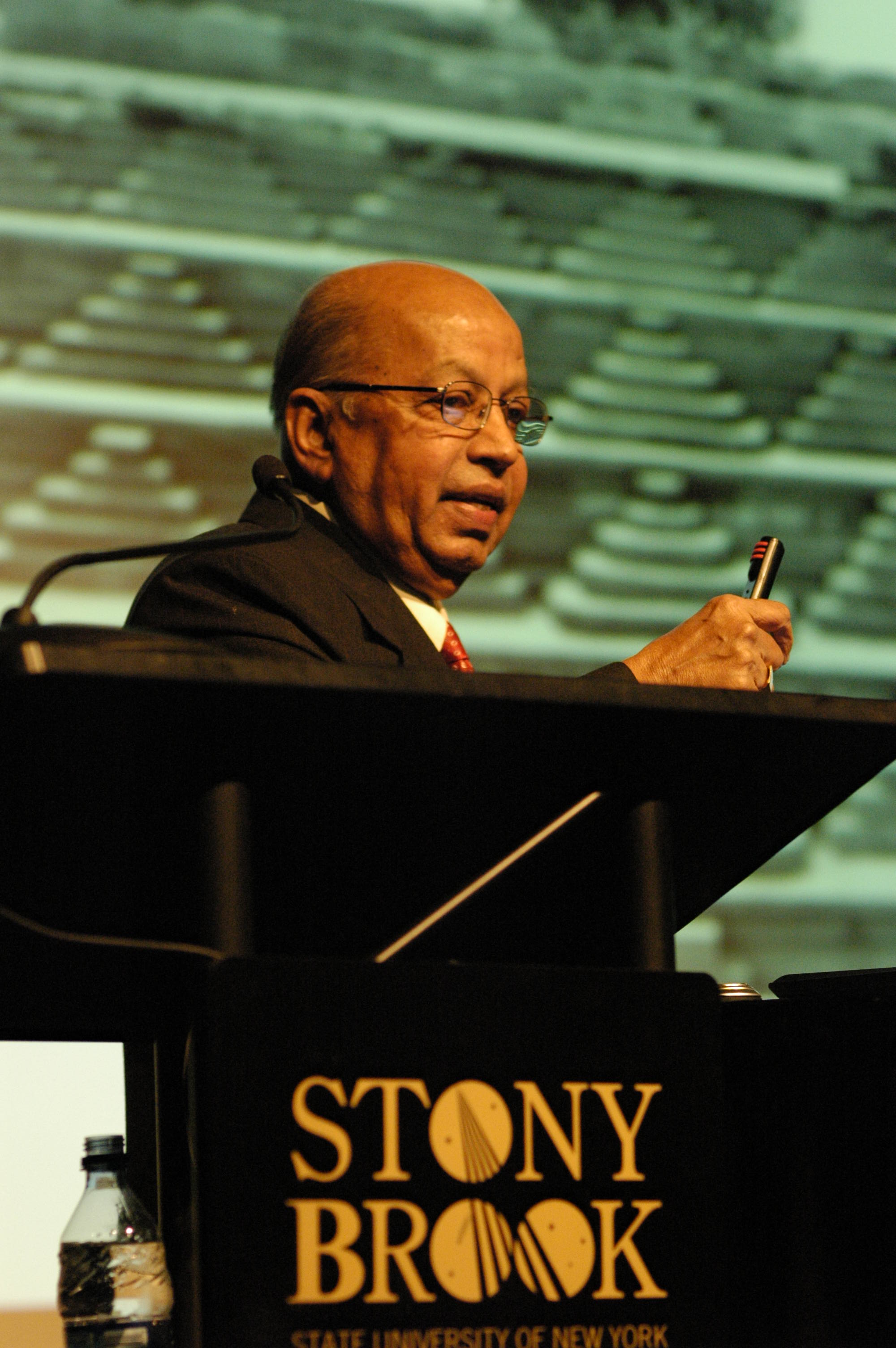
On November 6, 2005, the Center hosted a special international symposium at the Charles B. Wang Center on the arts, history and culture of the great Vijayanagara empire which was the most powerful empire in South India from the 13th to the 16thcenturies. The empire was compared to the Roman and the Elizabethan empires by contemporary visitors from Italy, Portugal, Arabia and elsewhere. Students from our Study Abroad program visit the relics of this empire every year.
The symposium consisted of presentations by Dr. M.S. Nagaraja Rao, former Director General, Archeological Survey of India; Professor Chudamani Nandagopal, an authority on temple arts and Director of the Regional Center of the Indira Gandhi Center for the Arts, Bangalore; Professor Nalini Rao of Soka University, Los Angeles; Professor S.N. Sridhar, Professor of Linguistics and India Studies, Stony Brook, among others. A Bharatanatyam dance was performed by Ms. Malini Srinivasan and period songs by Purandara Dasa were rendered by Dr Mageri Sateesh.
International Conference on South Asian Languages Analysis (SALA)
November 19-21, 2004
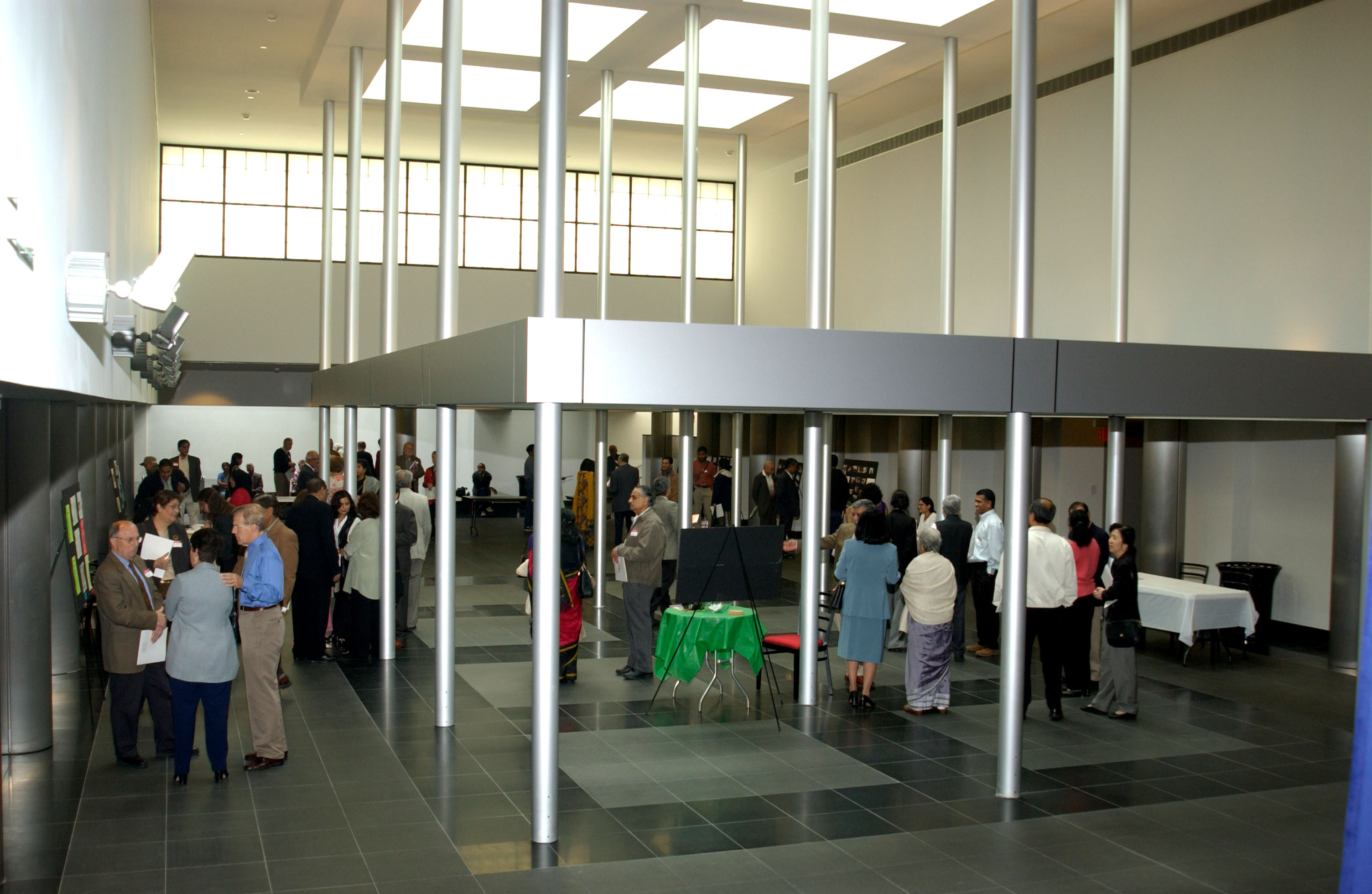
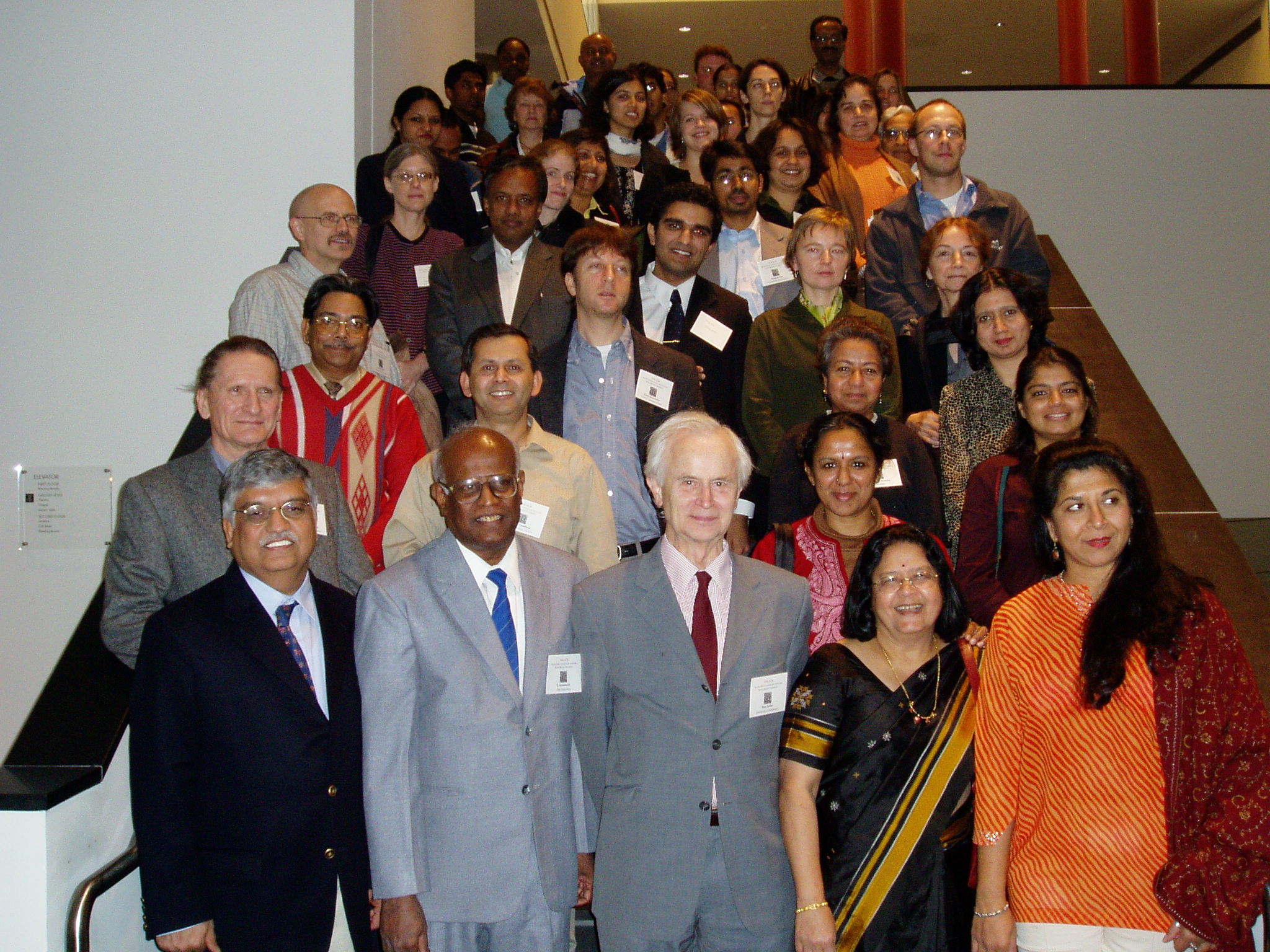
The Center hosted the 24th Annual conference of South Asian Languages Analysis group (SALA) on November 19-21, 2004 at the Charles B. Wang Center. SALA is the most important meeting of linguists and language professionals working on South Asian languages. Professor Ron Asher, Professor of Linguistics at the University of Edinburgh, U.K., Editor in Chief of International Encyclopedia of Linguistics, and a member of British Academy was the Keynote Speaker. Fifty scholars from universities in Europe, India, Malaysia, Nepal, Pakistan, and various parts of the United States presented papers on various aspects of major and minor South Asian languages.
The papers addressed language structure, acquisition, use, and policy. Special themes included comparative studies of the Indian Diaspora in England, U.S.A. and South East Asia. The gala conference banquet was attended by nearly 100 people. The evening entertainment featured classical and popular Indian music by Sangita Siromani Auna Sharma and Mr. Robert Thomas, and dances by Stony Brook students. The conference was supported by generous grants from the Office of President, the Dean of the College of Arts and Sciences, the Office of Institutional Diversity and Equity, the Charles B Wang Center and the Department of Asian and Asian American Studies.
First Stony Brook Symposium on India Studies
May 10, 2003
The Center hosted the First Stony Brook Symposium on India Studies on May 10, 2003 at the Charles B Wang Center. The Speakers at the all day symposium featured faculty and visiting scholars of the center.
The presentation covered a wide span of subjects, ranging from the study and teaching of Indian religions in the United States (Rajiv Malhotra), Indian (Bhakti) literature (Milind Wakankar), translation of Indian literary classics into English (Narayan Hegde), preservation of Indian languages and cultures in the United States (Kamal Sridhar), Indian popular culture in the Diaspora (Sunita Mukhi), scholarly issues in the identification of famous Indian art objects (Doris Srinivasan), Hindu worship rituals (Lakshmi Swaminathan), Indian American poetry (Pramila Venkateswaran), Indian roots of modern science (S.N. Sridhar), as well as issues of sustainable development in contemporary India (Mandip Singh).
The format of the symposium encouraged a detailed conversation between the speakers and the audience at the end of each paper and this feature made it a uniquely interesting event. It was attend by about 250 persons.
Doing Business with India: Trade and Investment opportunities for U.S. Companies
April 16, 1999
A panel co-sponsored with the Long Island Import and Export Association and held at the Huntington Hilton.
Symposia
Symposium: Asian Languages and the Professions
April 8, 2008, Charles B. Wang Center
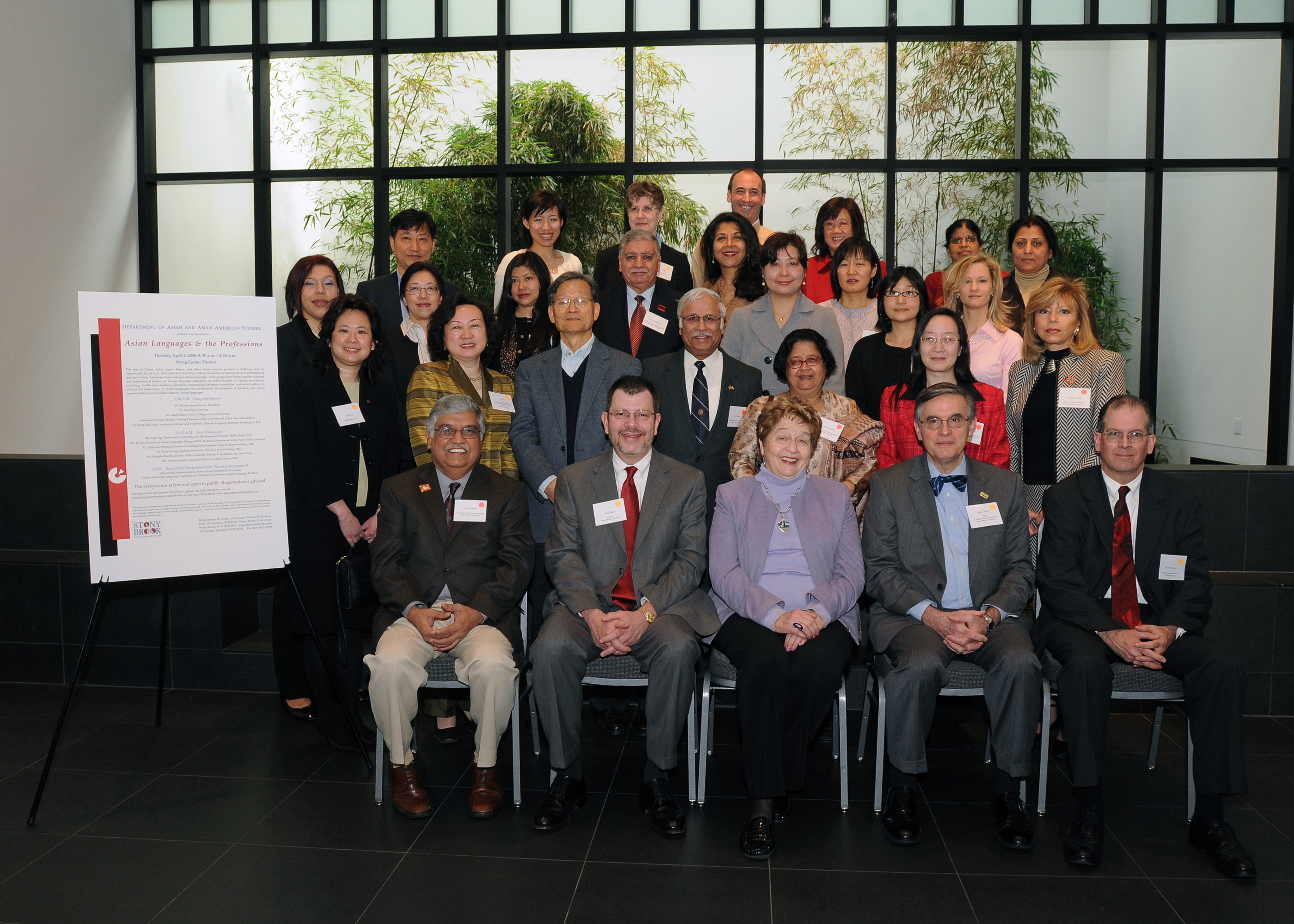
This symposium, was hosted by the Department of Asian and Asian American Studies through a U.S. Department of Education (Undergraduate International Studies and Foreign Language Program) grant and co-sponsored by The Center for India Studies, Professional Education Program, Japan Center at Stony Brook, China Studies Program, Center for Korean Studies, School of Business, School of Social Welfare, The Career Center to highlight the importance of learning Asian languages, their use in various professions, professional development of teachers, and career opportunities in fields related to Asian languages. Welcoming the participants, President Shirley Strum Kenny, Provost Eric Kaler, and Dean James V. Staros (College of Arts and Sciences), emphasized the importance of learning Asian languages as foreign and heritage languages and the timeliness of the symposium when globalization has sparked a tremendous growth in the interest in the learning of Asian languages in secondary school and college levels. They also remarked on the appropriateness of organizing it at Stony Brook University, as the most diverse research university east of Mississippi, or possibly east of California. In an interactive session, a national authority of foreign language education, Professor Scott McGinnis, Academic Advisor at Defense Language Institute, Washington, D.C., discussed national initiatives on Asian language education. Other speakers and panelists included Ambassador Harsh Bhasin and experts in various professions, including health care, business, education, international relations, translation, and social welfare. A free-wheeling Roundtable on the state and needs of Asian languages teaching on Long Island revealed an enormous interest in this area. The symposium was attended in very large numbers by school administrators and Asian language teachers on Long Island and in New York City as well as by Stony Brook’s faculty and students.
India-Israel-US: Exploring Connections
March 6, 2007
This symposium, held in the Charles B. Wang Center, explored the economic, technological and cultural relationships between the three nations. The speakers were former Indian Ambassador to Denmark Hon. Harsh Bhasin, Hon. Ron Dermer, Minister for Economic Affairs, Embassy of Israel, Washington, D.C., Dr. Yacov Shamash, Dean of the College of Engineering and Applied Sciences; Mr. Nissim Reuben, India Officer, American Jewish Committee, and Professor Meena Sridhar, Director, Center for India Studies.
This symposium was co-sponsored by the Center for India Studies, American Jewish committee -- Long Island Chapter, Hillel Foundation for Jewish Life, Charles B Wang Center, Department of Asian and Asian-American Studies, College of Engineering and Applied Sciences, Program of Judaic Studies, Office of the Dean, College of Arts and Sciences, Focus Israel, Hillel Student Club, and LISTNET-Long Island Software and Technology Network.
Global Renaissance Symposium
April 15-16, 2005
The Center was a co-sponsor, with the Humanities Institute, of the Symposium on Global Renaissance held at Stony Brook, Manhattan. The symposium included lectures by Professor Ania Lumba (University of Pennsylvania, author of “Gender, Race and Renaissance Drama” 1989 ) and Shankar Raman (M.I.T., author of “Framing India: The Colonial Imaginary in Early Modern Culture) on Indian literature, among other topics.
Asia and America: Emerging Opportunities
May 6, 2004
A symposium was held at the Charles B Wang Center to discuss the growing trade and
economic relations between U.S.A. and Asia. Consulate Generals from China, India,
Japan and Korea made detailed presentations at this symposium, which was inaugurated
by President Shiley Strum Kenny. This event was co-sponsored by Center for India Studies,
Charles B Wang Center, Departments of Asian and Asian American Studies, China Studies,
the Japan Center and the Program in Korean Studies.
Symposium on India Studies at the Indian Consulate New York
March 27, 2004
The Center was invited to assist in organizing and to make an hour-long presentation at a one day symposium, “India Studies in United States: Synergy of the Academy and the Community” hosted by the Indian Consulate. The symposium was attended by academics, librarians, museum curators, major cultural institutions, and community activists from Northeastern states.
Lectures
Dr. Krishna Gujavarty Seminar on Leadership and Values
The endowed Dr. Krishna Gujavarty Seminar on Leadership and Values, designed for undergraduate students, seeks to foster values-based leadership from inside and outside the Asian Indian community and to develop a sense of shared purpose. It will attract nationally prominent leaders from the Asian Indian community to share their vision, values, strategies, insights, and experience in defining leadership in business, not-for-profits, media, politics, education, and ethics.
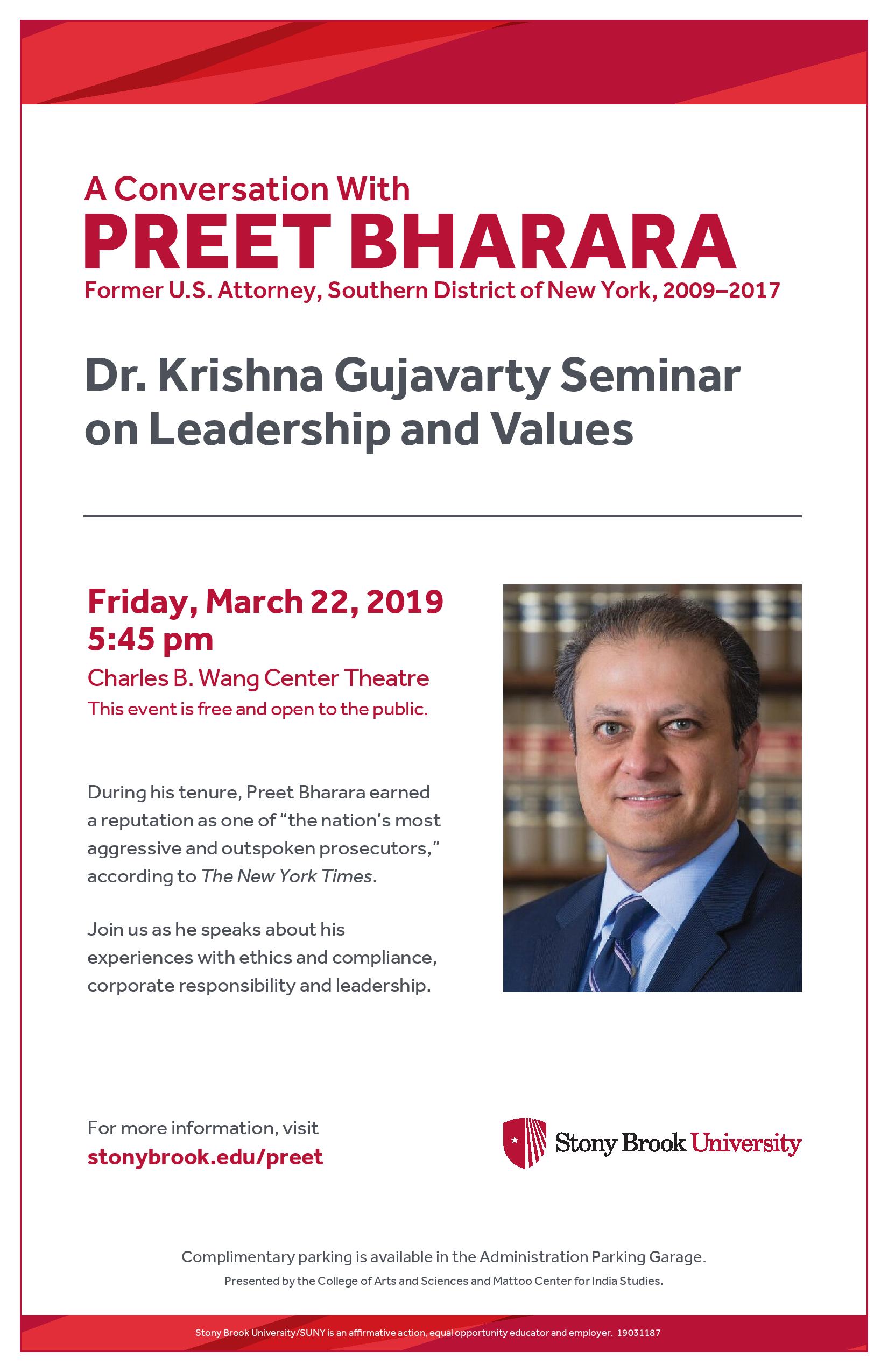
A Conversation with Preet Bharara (2019)
Former U.S. Attorney, Southern District of New York, 2009–2017
During his tenure, Preet Bharara earned a reputation as one of “the nation’s most aggressive and outspoken prosecutors,” according to The New York Times. Preet Bharara spoke about his experiences with ethics and compliance, corporate responsibility and leadership.
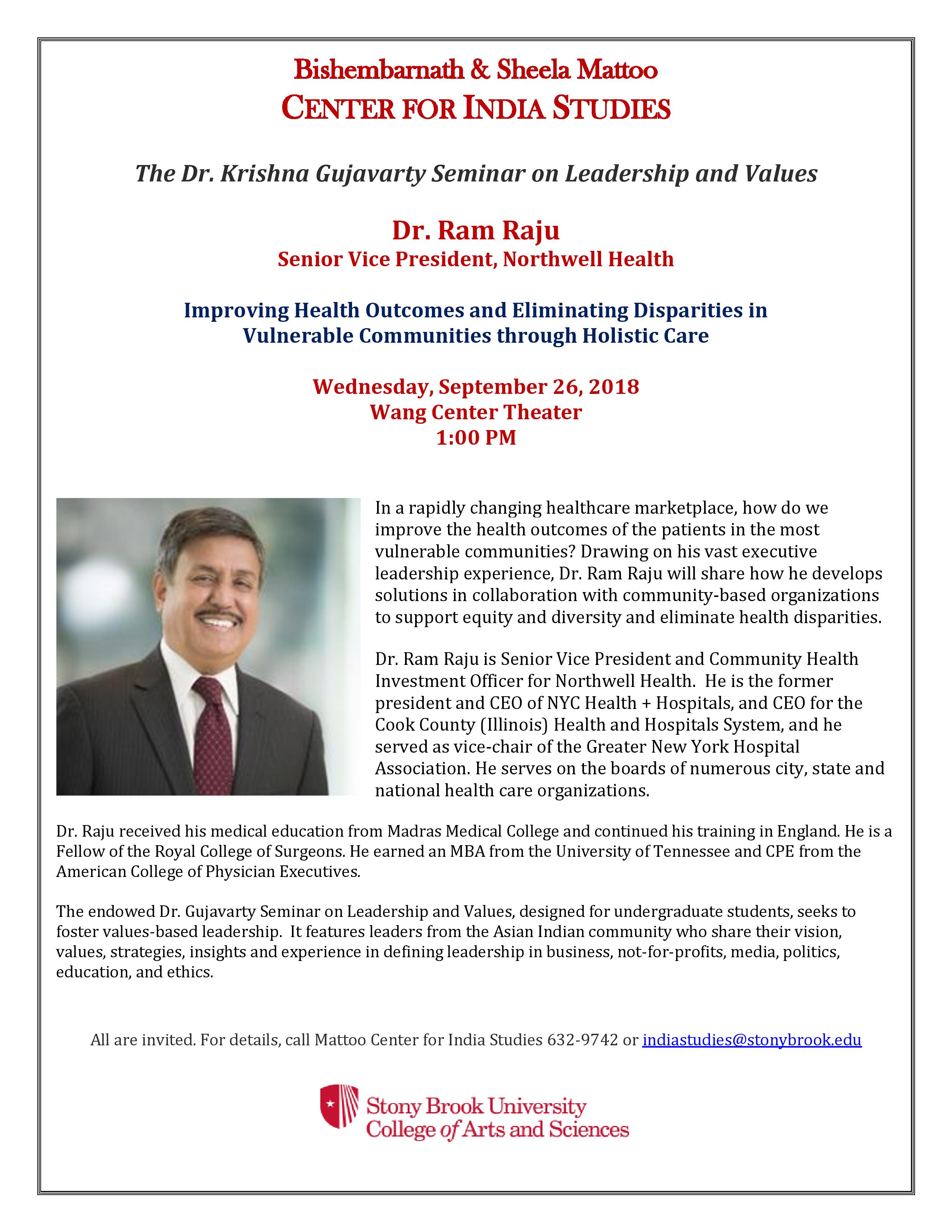
Improving Health Outcomes and Eliminating Disparities in Vulnerable Communities through Holistic Care (2018)
Featuring: Dr. Ram Raju, Senior Vice President, Northwell Health
Dr. Ram Raju is Senior Vice President and Community Health Investment Officer for Northwell Health. He is the former president and CEO of NYC Health + Hospitals, and CEO for the Cook County (Illinois) Health and Hospitals System, and he served as vice-chair of the Greater New York Hospital Association. He serves on the boards of numerous city, state and national health care organizations.
Dr. Raju received his medical education from Madras Medical College and continued his training in England. He is a Fellow of the Royal College of Surgeons. He earned an MBA from the University of Tennessee and CPE from the American College of Physician Executives.
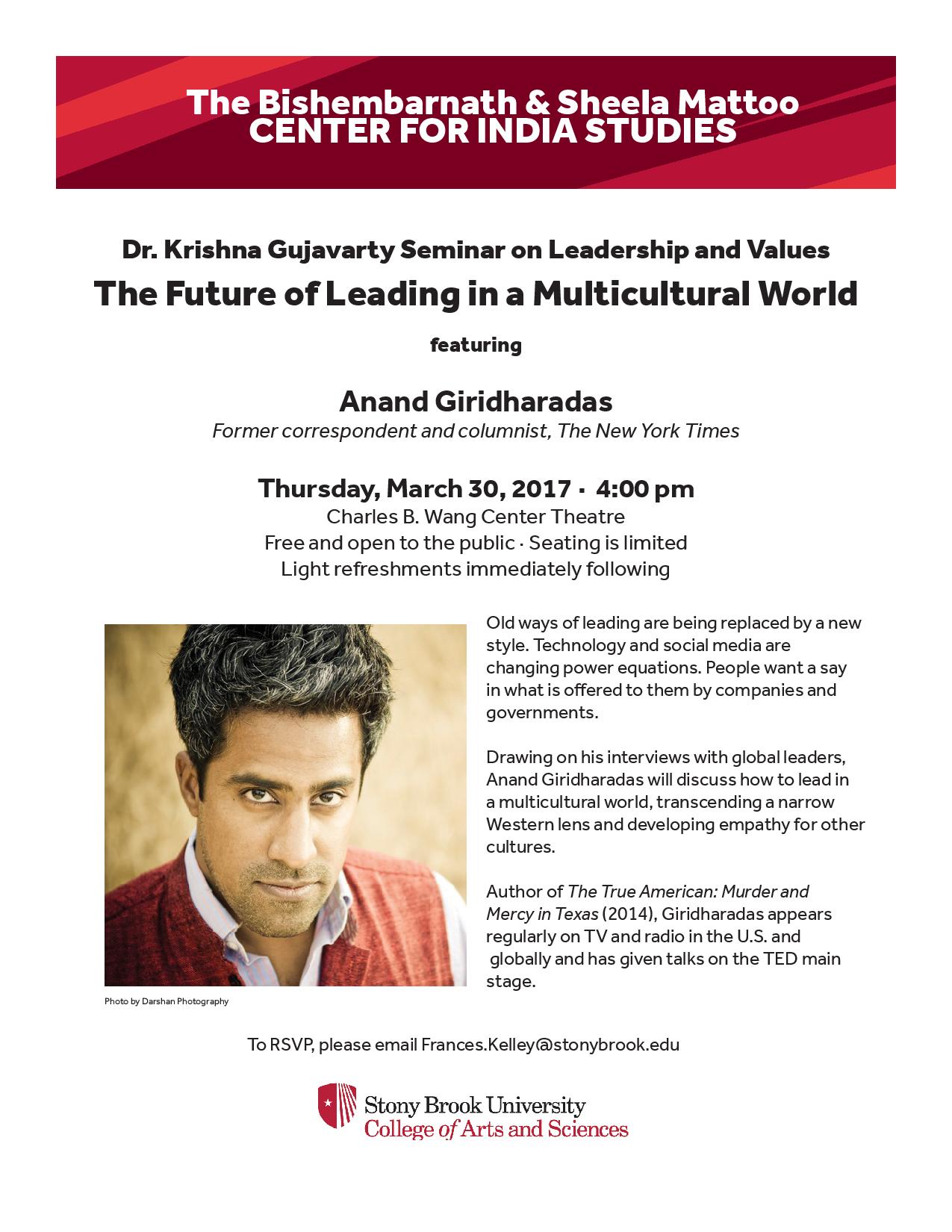
The Future of Leading in a Multicultural World (2017)
Featuring: Anand Giridharadas, Former correspondent and columnist, The New York Times
Old ways of leading are being replaced by a new style. Technology and social media
are changing power equations. People want a say in what is offered to them by companies
and governments. Drawing on his interviews with global leaders, Anand Giridharadas
will discuss how to lead in a multicultural world, transcending a narrow Western lens
and developing empathy for other cultures.
Author of The True American: Murder and Mercy in Texas (2014), Giridharadas appears regularly on TV and radio in the U.S. and globally and has given talks on the TED main stage.
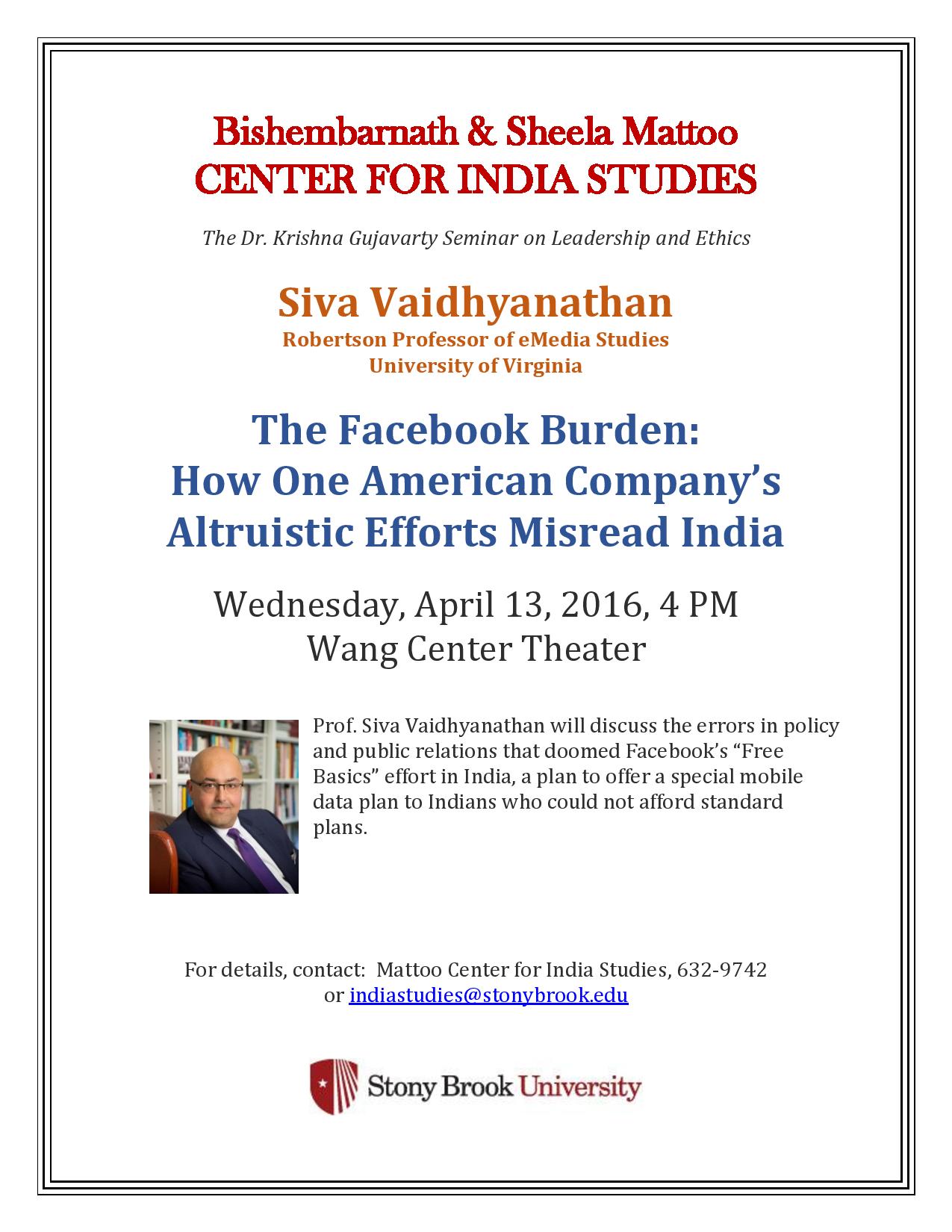
The Facebook Burden: How one American Company’s Altruistic Efforts Misread India (2016)
Featuring: Prof. Siva Vaidhyanathan, Robertson Professor of Media Studies, University of Virginia
Prof. Siva Vaidhyanathan will discuss the errors in policy and public relations that doomed Facebook’s “Free Basics” effort in India, a plan to offer a special mobile data plan to Indians who could not afford standard plans.
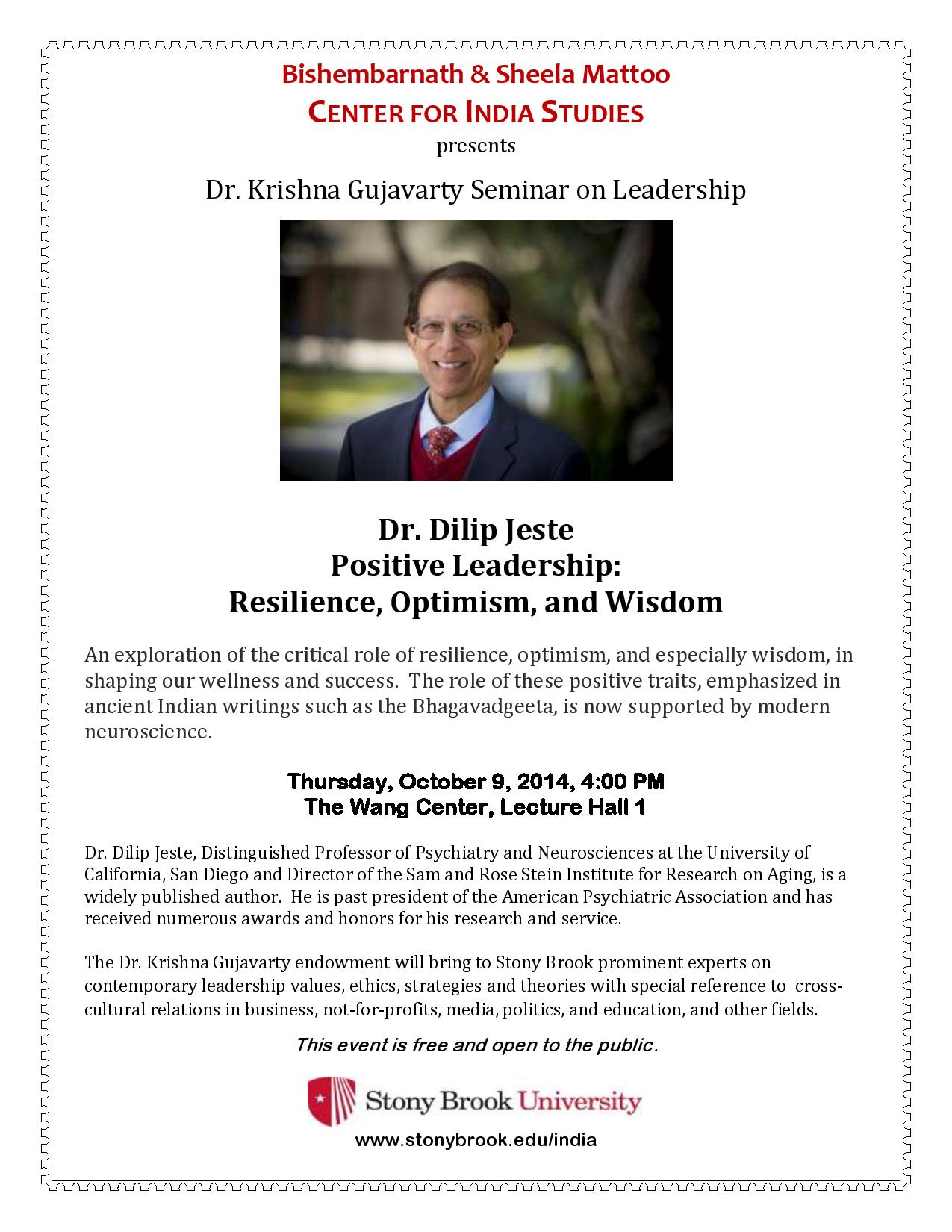
Positive Leadership: Resilience, Optimism and Wisdom
Featuring: Dr. Dilip Jeste, University of California, San Diego
Dr. Dilip Jeste, Distinguished Professor of Psychiatry and Neurosciences at the University of California, San Diego and Director of the Sam and Rose Stein Institute for Research on Aging, is a widely published author. He is past president of the American Psychiatric Association and has received numerous awards and honors for his research and service.
An exploration of the critical role of resilience, optimism, and especially wisdom, in shaping our wellness and success. The role of these positive traits, emphasized in ancient Indian writings such as the Bhagavadgeeta, is now supported by modern neuroscience.
Distinguished Lecture Series
Lecturers
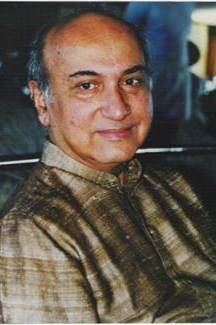
Alan Nazareth
George Cardona
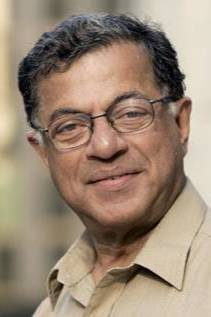
Girish Karnad
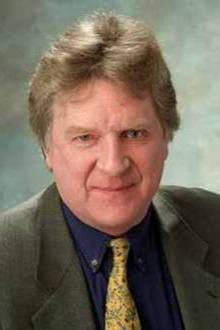
Robert Thurman
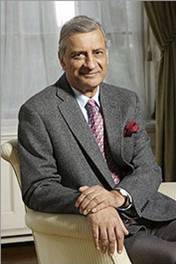
Kamlesh Sharma
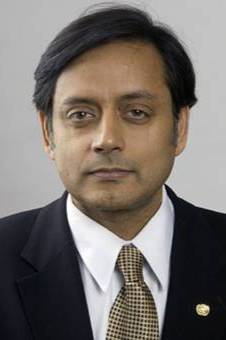
Shashi Tharoor
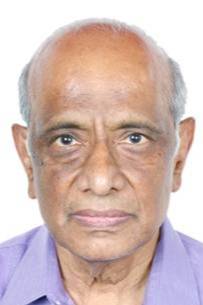
V.S. Aruachalam
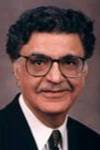
Braj Kachru
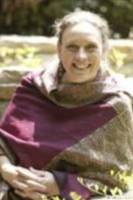
Lori Patton
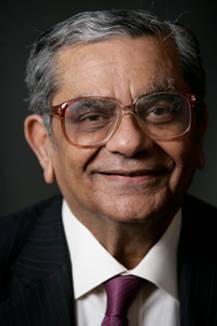
Jagdish Bhagwati
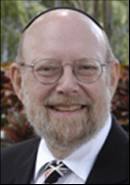
Nathan Katz
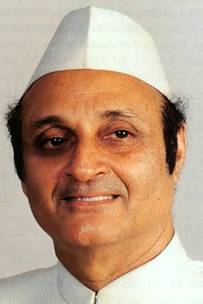
Karan Singh
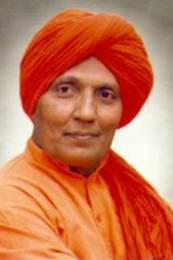
Swami Agnivesh
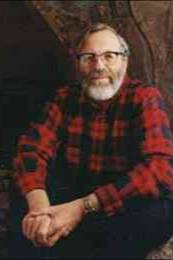
William Bright
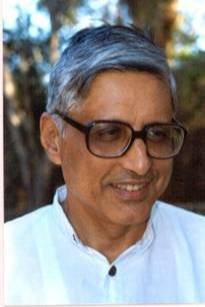
Raj Mohan Gandhi
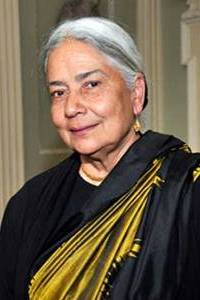
Anuta Desai
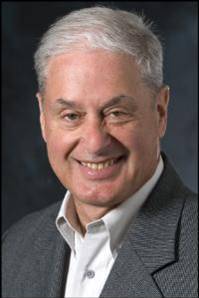
Rick Asher
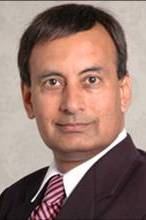
Hussain Huqqani

Ron Asher
U.R. Ananthamurthy
Lecture Archive
Below is a selection of lectures organized by the Center.
2018
Dr. Amit Sood, author, The Mayo Clinic Handbook for Happiness: A 4-Step Plan for Resilient Living will be at Stony Brook on March 26 for a lecture and a conversation.
2012
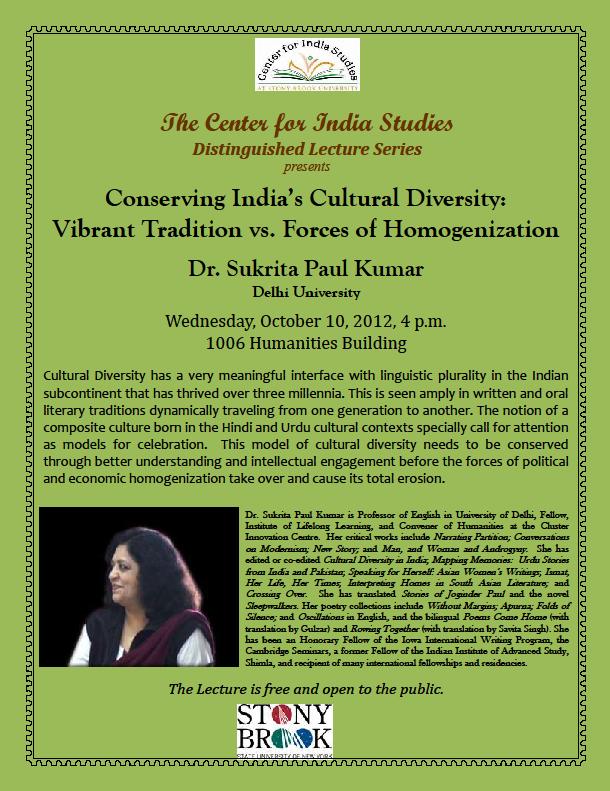
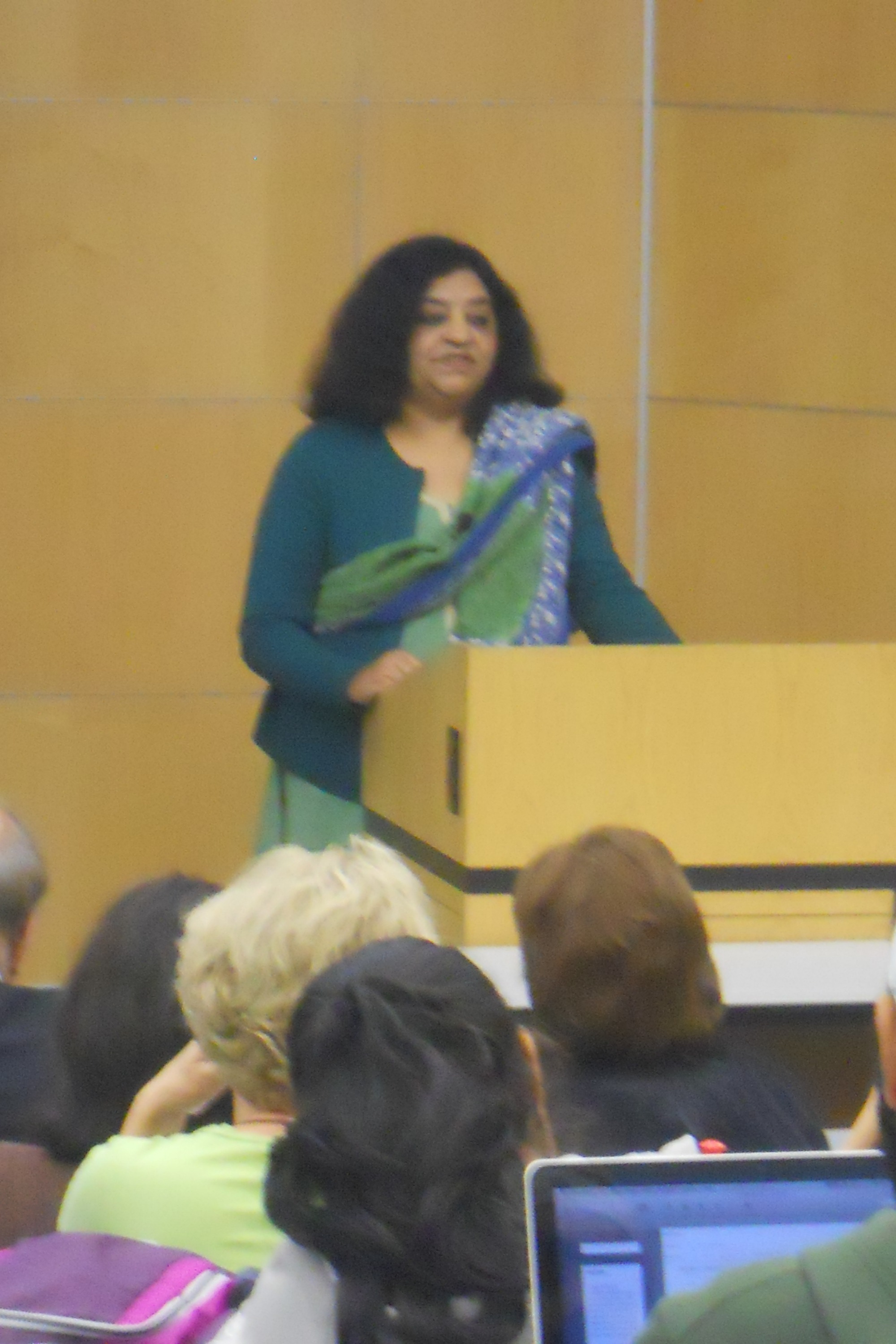
Prof. Sukrita Paul Kumar, University of Delhi Conserving India’s Cultural Diversity:
Vibrant Tradition vs. Forces of Homogenization
View photo album
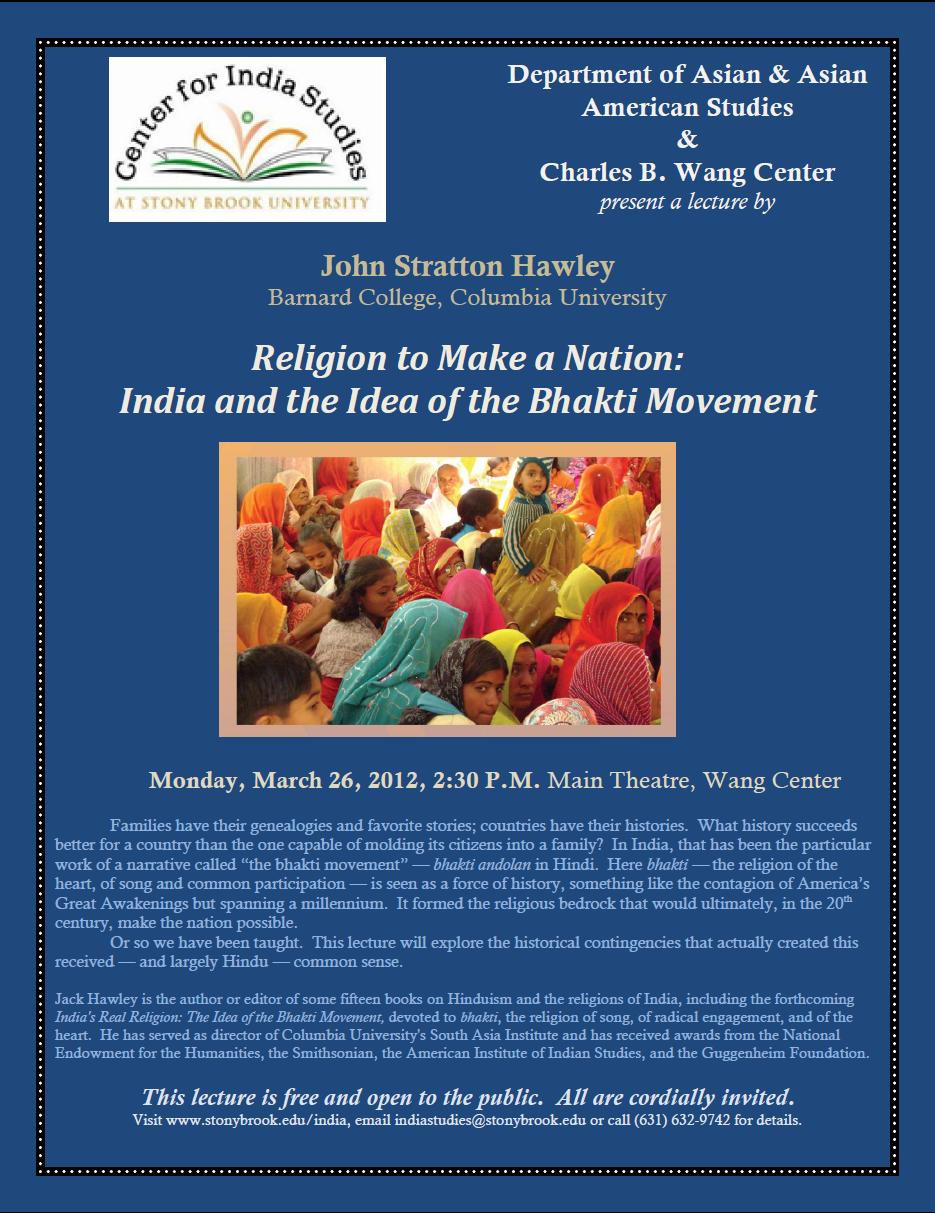
Prof. John Stratton Hawley, Columbia University Religion to Make a Nation: India and the Idea of the Bhakti Movement
2011
Sanjata Patel, University of Hydarabad, India's Contribution to Sociology
Ambassador Harsh Bhasin, Stony Brook University"Indo-US Relations: Obama Visit and After"
2010
Joel Bordeaux, Columbia University, Department of Religious Studies,
"Satirizing Shiva in Bharatcandra Ray’s Annadamangal"
2008
Mira Kamdar, award-winning author, “Planet India: The Turbulent Rise of the Largest Democracy and the Future of Our World"
Sandeep Shastri, Pro Vice Chancellor, Jain University and Director, International
Academy for Creative Teaching at Bangalore
"The Emergence of the Indian State as the Center for Indian Politics"
2007
Neelam Deo, Consul General of India, New York
“Rising India and its Global Implications”
Christopher Chapple
Professor, Loyal Marymount University, Los Angeles, CA
“Recovering the Earth: The Goddess Tradition and Eco-Awareness”
A.R. Ghanashyam, Deputy Consul General of India, New York
Rising India: Economic Implications”
Jonathan Gold, Drew University
“The Sword of Wisdom: Scholarship in a Buddhist Worldview”
Namita Sanjay Sugandhi, University of Chicago and Stony Brook University
“Between the Patterns of History: Rethinking Mauryan Imperial Interaction in the Southern
Deccan.”
2006
Nathan Katz, Professor of Religious Studies, and Director, Center for Spirituality,
Florida International University, Miami ,
“Models, Metaphors and Mechanisms of Acculturation suggested by the case of the Jews
of Cochin”
Sukrita Paul Kumar, Professor of English, Delhi University
“Partition / Narratives”
Husain Haqqani, Former Pakistani Ambassador to United States and
Director, Center for International Relations and Professor at Boston University
“The Islamic World: Between Reform and Terrorism”
Andrew J. Nicholson “Believer” (astikas) and “Unbelievers” (nastikas) in Indian History
2005
Jagdish Bhagwati, University Professor, Columbia University and Senior Fellow in Economics
at the Council on Foreign Relations.
“Why Globalization has a human face”
Shashi Tharoor, Under Secretary General, The United Nations, New York.
M.K. Sreedhar, Professor and Head, Dept Sanskrit, National College, Bangalore
“India and Hinduism: Present Relevance”
Raghupathy Sarma,” Professor of Emeritus, Dept Biochemistry, Stony Brook University,
Stony Brook. NY
“50th Anniversary of the collagen structure determination: Ramachandran-Crick controversy
revisited
Saleem Peeradina, Associate Professor of English and Creative Writing at Siena Heights
University, Michigan
“Contemporary Indian English poetry”
2004
Ashghar Ali Engineer, Director, Center for the Study of Society and Secularism and
Institute of Islamic Studies, Mumbai.
“Islam: Toward a Theology of Peace”
Sunil Kothari, Padmashri awardee and Professor, Jawaharlal Nehru University, New Delhi.
“New Directions in Indian Dance”
Praveen Chandhari, Director, Brook Haven National Laboratory, Upton.
“Science and Indian Philosophy”
Arvind Mandair, Professor, Hofftra University, Hempstead, NY
“New Imperialism: Area Studies and Religious Studies”
Karen Pachelis, Associate Professor of Religious Studies, Drew University
“From the Perfect Wife to the Ghoulish Saint: A Classical Woman Saint from India’s
transformation”
Swami Veda Bharati, Author and Lecturer, “Peace in the World through Peace of Mind”
Sanjoy Dutta-Roy, Professor, University of Allahabad, India and Fulbright Scholar,
University of California,
“Narrative strategies in India: Past and Present”
Sandip Shastri, Professor of Emeritus, Dept Political Science, Bangalore University
“Analysis of Indian Electoral Patterns”
2003
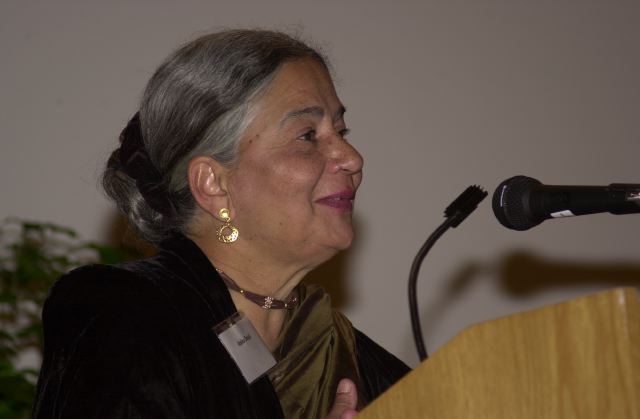
Anita Desai, Novelist, Booker Prize finalist, and Professor of Writing, MIT
“Writing Indian English Fiction in the West: Experiences and Challenges”
Purushottama Bilimoria, Professor of Philosophy, Deakin University, Melbourne Austalia.
“How the Gandhian Non-violence imaginary shaped the African American Civil Rights
Movement since circa 1910”
Meena Alexander, Distinguished Professor of English, Hunter College New York.
Poetry Reading
2002
Rajmohan Gandhi, Professor, Center for Global Studies, University of Illinois
“Diversity and peacemaking: Is Gandhi relevant in 2002?”
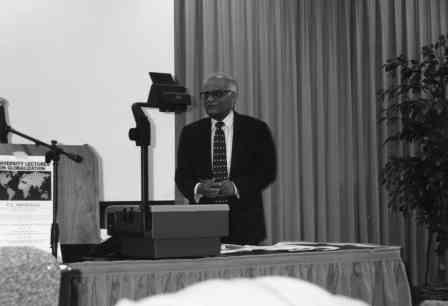
T. N. Srinivasan, Sterling Professor of Economics and Chair, Department of Economics,
Yale University,
“Globalization of trading and financial systems in India”
Swami Agnivesh (see above)
“Who is Afraid of Globalization and Development”
George Cardona, Professor of Linguistics, University of Pennsylvania.
“Panini and His Relevance to Current Linguistics”
Kamlesh Sharma, India’s Permanent Representative to the United Nations
“Issues in Multilateralism: The Collective Global Agenda”
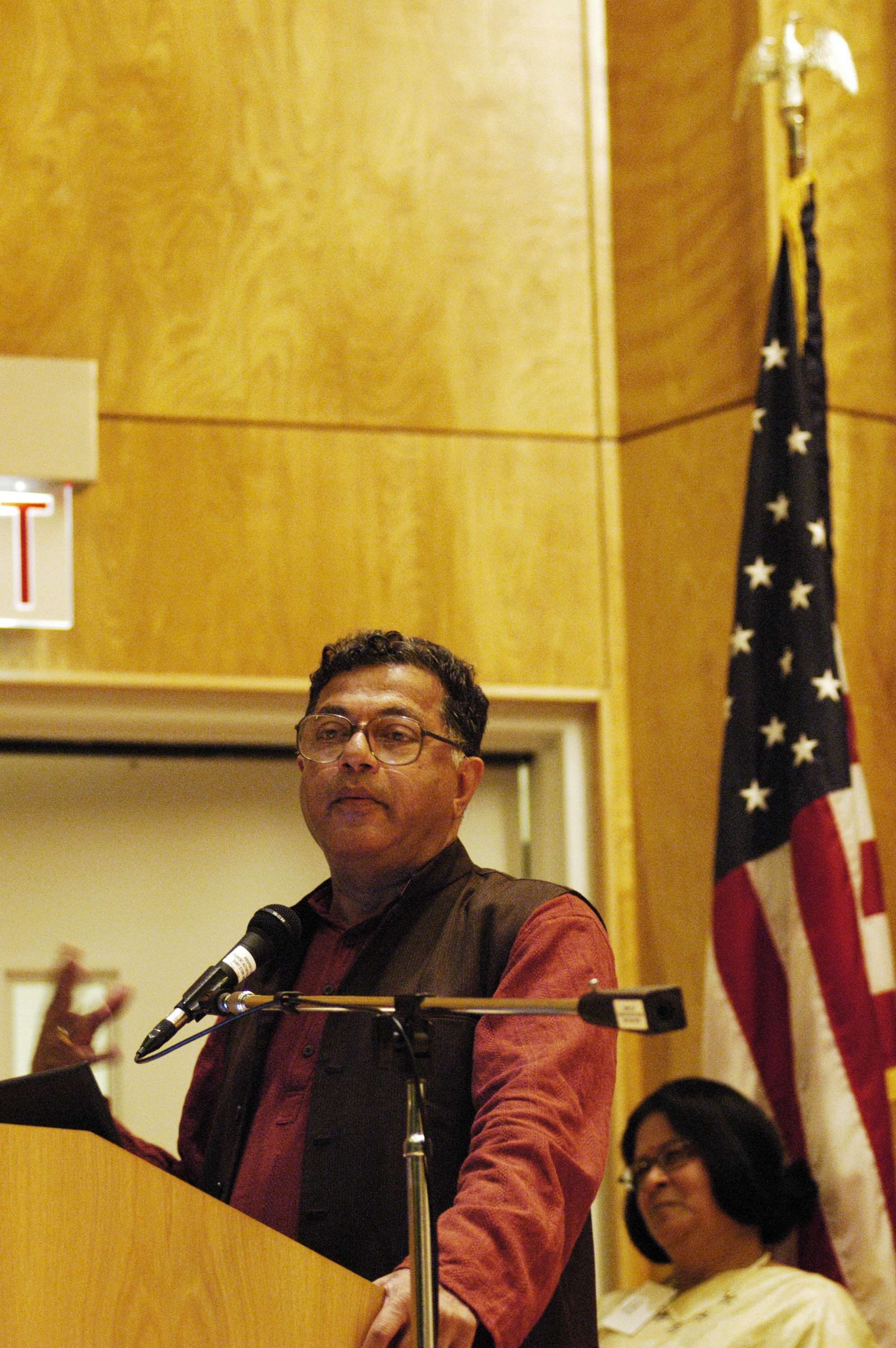
Girish Karnad Jnan Peeth award winner playwright, film director, actor, Rhodes Scholar,
former Director, Nehru Center, High Commission of India, London.
“Colonialism and the Creative Arts of India”
Sangeetha Menon, Professor, National Institute of Advanced Study, Bangalore
“Being with Transcendence: Experiencing the Bhagavadgita”
“Indian Ways of Thinking, Acting, and Experiencing in the context of the current discussions
on Consciousness”
Purushottama Bilimoria, Professor of Philosophy, Deakin University, Melbourne, Austalia
“Personal Law in India”
2001
Swami Agnivesh, Former Chair, United Nations Trust Fund on Contemporary Forms of Slavery
(January 1994 to December 2004), Minister of Education in Haryana 1979
“Terrorism: religion and social responsibility”
Robert Thurman, Jey Tsong Khapa Professor of Indo-Tibetan Buddhist Studies, Columbia
University.
“War and peace and the world religions: Indic contributions to the dialogue”
William Bright, Professor Emeritus of Linguistics & Anthropology, UCLA
“India and Linguistics”
Harsh Bhasin, “Terrorism and Democracy”
Former Ambassador, South Africa, Denmark, Visiting Professor, Dept of Asian Studies,
Stony Brook University, Stony Brook, N.Y.
Tej K. Bhatia, Professor of Linguistics, Syracuse University, Syracuse, NY
“From the Walls to the Web: Advertising in Rural India”
2000
Frederick Asher, Chair, Department of Art History, University of Minnesota, and President,
American Institute of Indian Studies, Chicago and Delhi.
“Sacred spaces in South Asia”
Swami Tattvavidananda, Aarsha Vidya Gurukulum, PA,
“Science in the Yajurveda”
Ahmer Latif, Stony Brook, NY
“Appreciating the Ghazal”
Malini Bhattacharjee, Head, Dept Women Studies, Jadhavpur University, and former Member
of Lok Sabha (Parliament)
“Gender and Religious Violence in South Asia”
1999
Alan Roland” President, International Association of Psychology, New York
“Psychology of South Asian Americans"
Brij Kishan Moza, President, Kashmir Bhavan, Calcutta.
“Preserving Kashmiri Pandit Cultural Identity: The Calcutta Experience”
Laura Kunrither, University of Michigan, and adjunct Faculty,
“Love or Property; Woman & The Law of Inheritance in Napal”
1998
S.R.Rao, Excavator of Indus Valley city, Lothal, and Former Director, Institute of
Marine Archeology, Goa.
“New light on ancient Indian history, including the exploration of Krishna’s Dwaraka”
Braj B. Kachru, Jubilee Professor and former Director, Center for Advanced Study,
University of Illinois, Champaign-Urbana.
“India Studies in the United States”
G.S.Sivarudrappa. Kannada Poet Laureate, Critic, and former Director, Karnataka Literary
Academy Bangalore.
“A Thousand Years of Kannada Poetry”
U.R. Anathamurthy, (see above)
“Indian culture in transition”
Radh Achutan Professor, South Hampton College
“Education in Rural India”
John Williams, Professor of History, Stony Brook University
“Can we be Gandhians today? Should we be?”
Pramila Venkateswaran, Professor of English, Nassau County Community College
“Goddess and Feminine Activism in India”
Mulki Bhat, Senior Scientist, Brookhaven National Laboratory, Upton, NY
“India’s Contribution to Science” and “Science in Vedic Times”
1997
U.R. Anathamurthy, Jnan Peeth Awardee novelist and Past President, Sahitya Akademi
(Indian Academy of Letters), Delhi.
“The Role of the Creative Writer in Developing Societies”
V.S. Arunachalam, Padma Vihushan, Distinguished Professor of Engineering and Public
Policy, Carnegie Melon University, Pittsburg, and former Scientific Advisor to Prime
Ministers of India.
“The Story of Indian Technology: Once More with Feeling”
Department Colloquia in association with Asian and Asian American Studies.