
QN4QA
International Workshop on Quantum Networks for Quantum Advantage
Quantum networking is transitioning from fundamental demonstrations of quantum communication protocols toward integrated, multi-node systems capable of supporting distributed quantum information processing. Achieving this transition requires advances in quantum devices, photonic technologies, network infrastructure, control systems, and communication protocols.
The International Workshop on Quantum Networks for Quantum Advantage at IEEE QCNC 2027 will bring together researchers, engineers, and industry participants to explore the technologies, architectures, and experimental demonstrations driving this transition. Through invited talks, contributed presentations, and panel discussions, the workshop will examine how foundational quantum networking protocols can be translated into scalable testbeds, interoperable systems, and practical network services.
Key Information
Conference: IEEE QCNC 2027
(International Conference on Quantum Communications, Networking, and Computing 2027)
Duration: Half Day
Format: Invited talks, contributed presentations, panel discussion
Dates: March 22-26, 2027
Venue: Hokkaido, Japan
Submission Deadline: December 20, 2026
Submission Link: easychair.org
Submission Info: below
Conference website: www.qcnc.org
Why Attend?
Discover emerging experimental testbeds
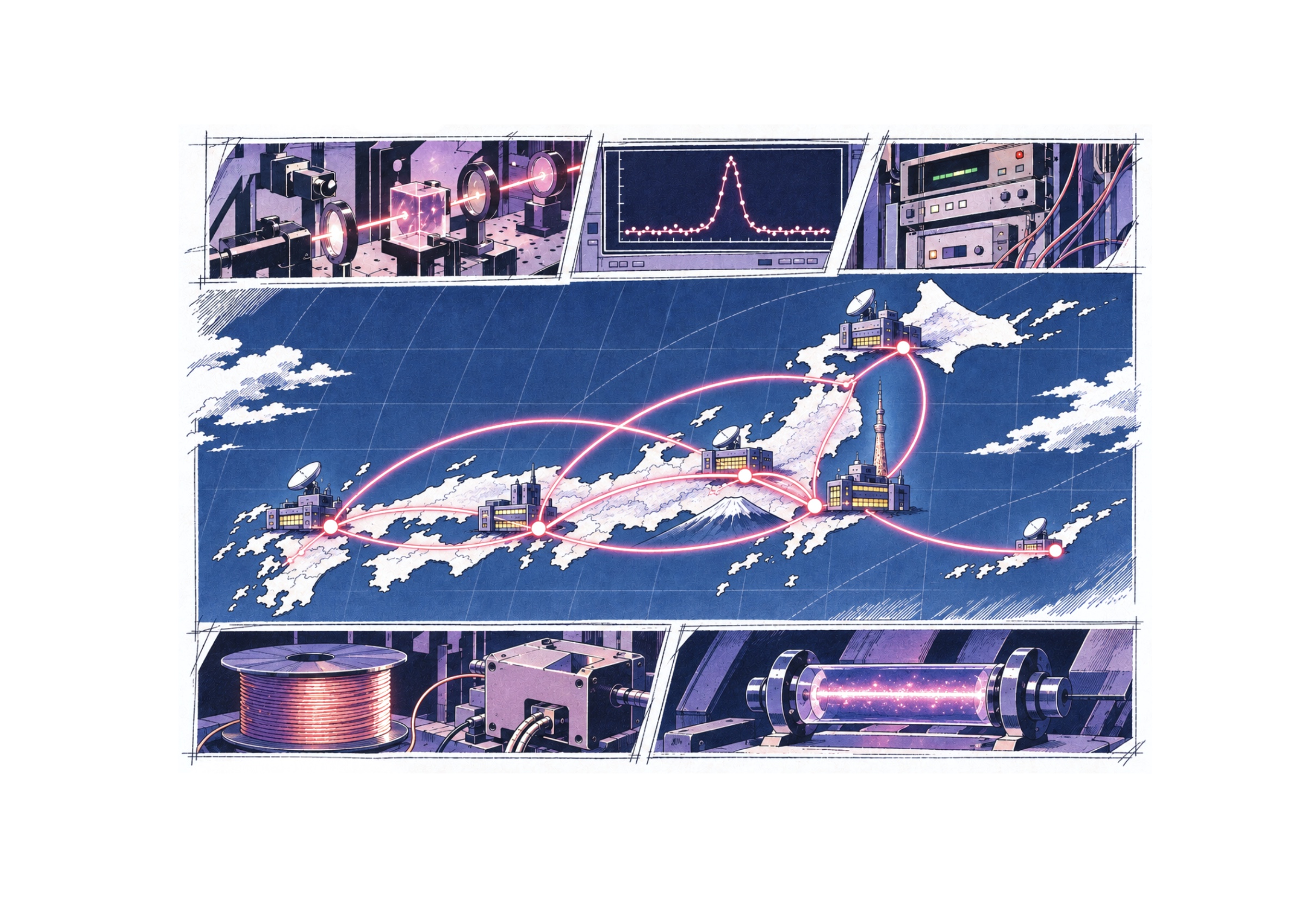
Hear about recent advances in deployed quantum networks, multi-node entanglement distribution, quantum memories, and memory-assisted networking. Compare experimental approaches and identify the milestones needed to move toward larger and more capable network demonstrations.
Connect fundamental research with experimental reality
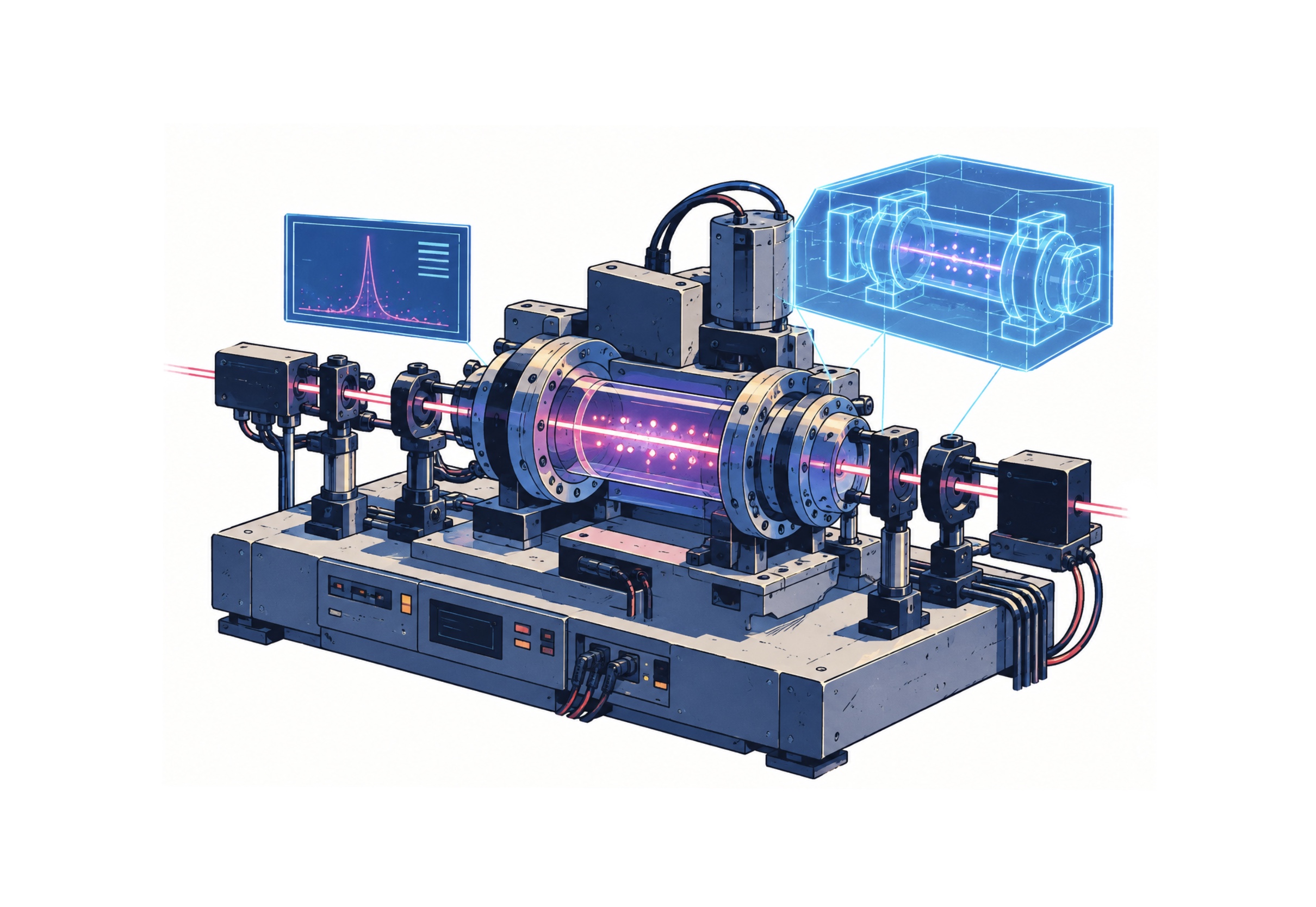
Explore how theoretical protocols for entanglement distribution, quantum teleportation, and quantum repeaters translate into experimental requirements, and learn about the challenges encountered when implementing them over real network infrastructure.
Understand the infrastructure behind quantum networks
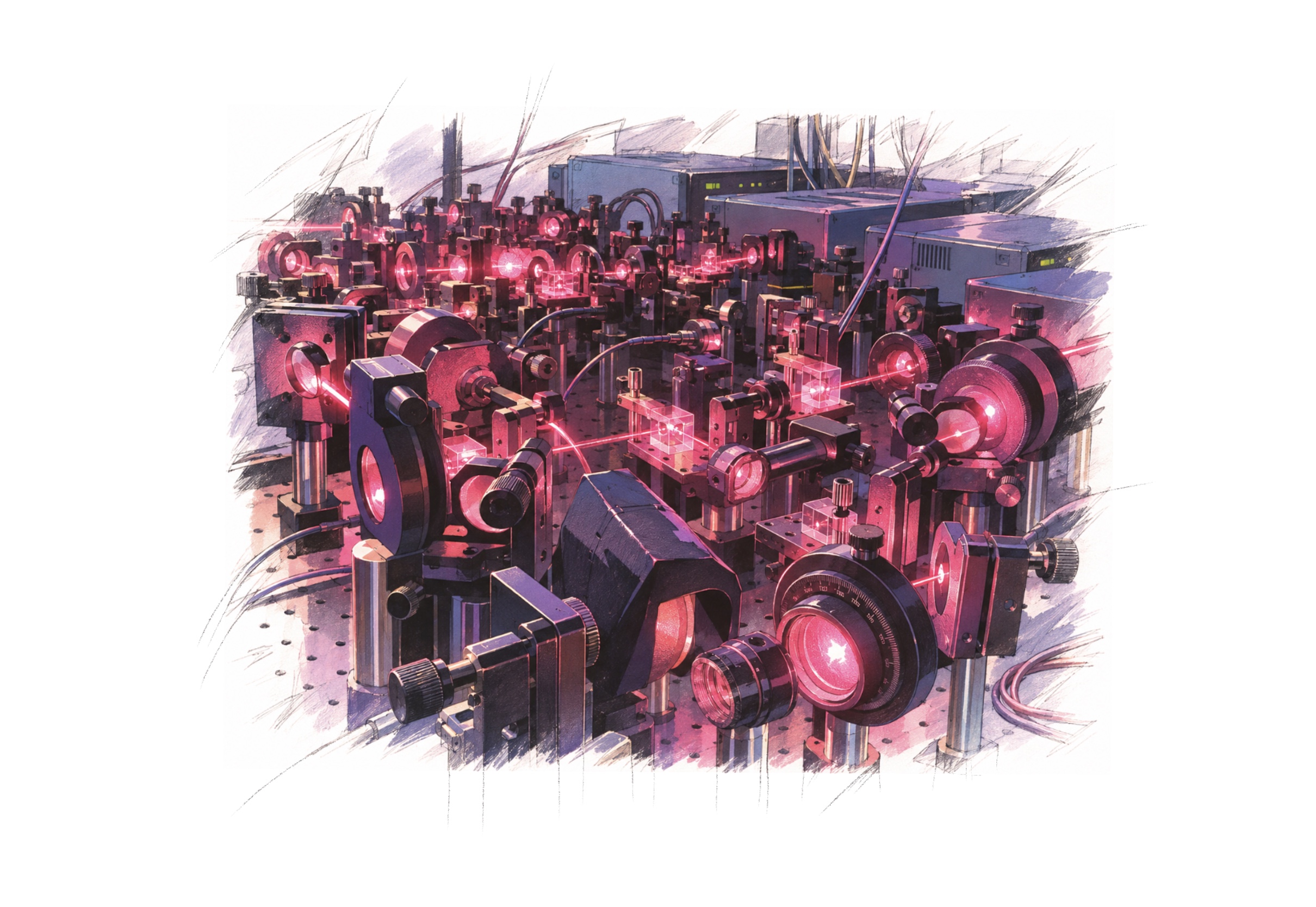
Learn how fiber infrastructure, synchronization, photonic interfaces, wavelength conversion, and network orchestration enable heterogeneous quantum devices to operate as coordinated systems. Discover approaches to interoperability and reconfigurable quantum network architectures.
Explore the path toward practical quantum advantage
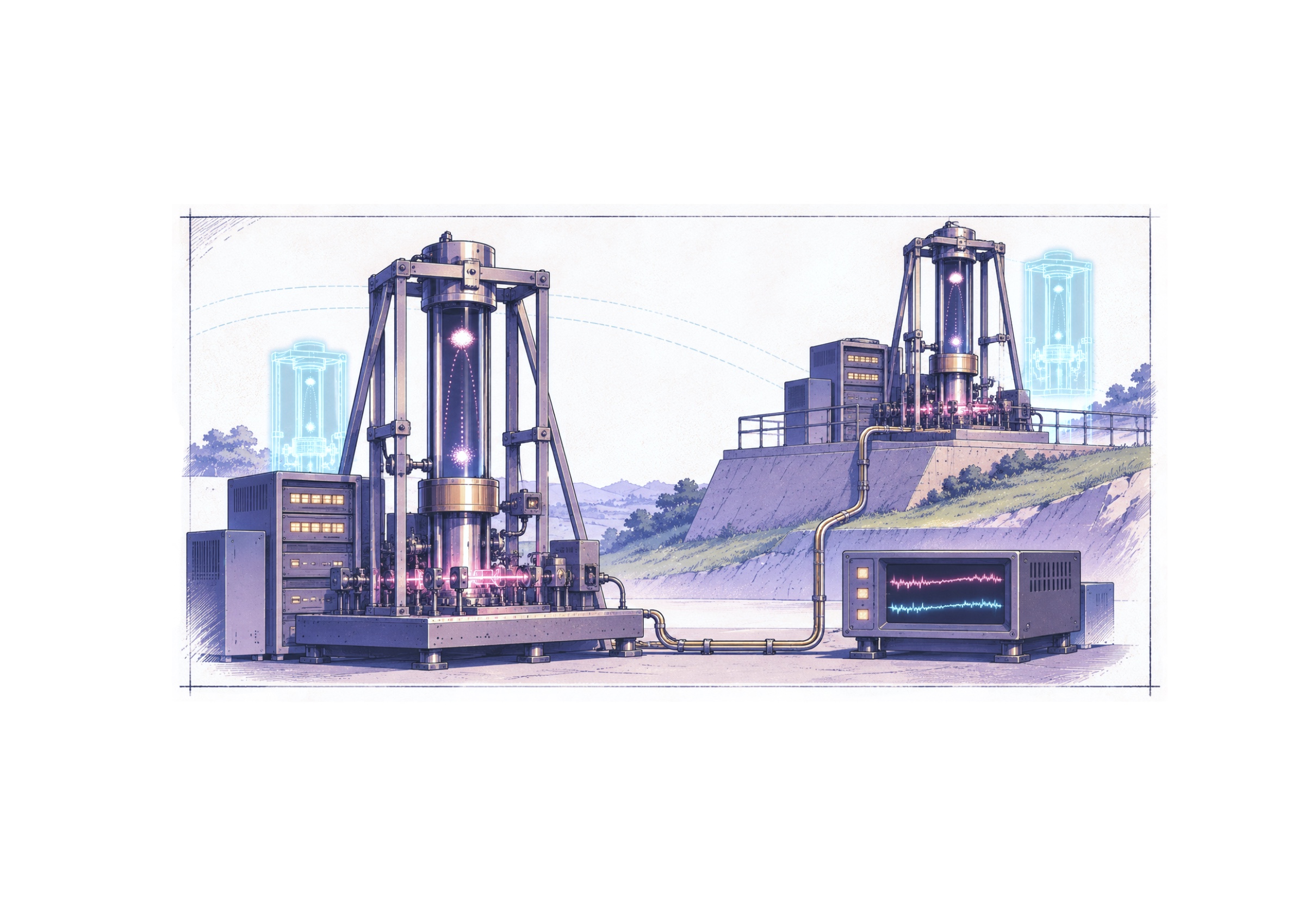
Examine how quantum networks could enable distributed quantum computing, networked quantum sensing, and entanglement-assisted communication. Discuss how to establish meaningful benchmarks and demonstrate advantages that extend beyond individual laboratory experiments.
Workshop Overview
The Importance of Quantum Networking Testbeds
Quantum networking represents a fundamental extension of quantum information science, enabling quantum states and entanglement to be distributed between physically separated devices. These capabilities provide the foundation for applications ranging from quantum-secure communication and distributed quantum computing to networked quantum sensing. However, realizing these applications requires more than the development of individual quantum devices or communication protocols. It requires the integration of heterogeneous hardware, photonic interfaces, communication infrastructure, synchronization systems, and distributed control architectures into coordinated networks.
A central challenge in this effort is bridging the gap between individual laboratory demonstrations and scalable network implementations. Quantum networking protocols often impose demanding requirements on photon indistinguishability, entanglement fidelity, quantum memory efficiency, timing synchronization, and optical channel stability. When these systems are distributed across multiple locations, additional challenges emerge involving device compatibility, resource coordination, network management, and the reliable execution of experiments across geographically separated nodes.
Quantum networking testbeds provide the experimental and systems-level environment needed to address these challenges. By integrating quantum devices with deployed communication infrastructure and programmable network-control systems, testbeds allow researchers to evaluate protocols under realistic operating conditions, investigate the limitations of existing technologies, and develop architectures that can accommodate increasingly complex experiments.
The workshop will explore this transition from foundational quantum networking research toward integrated, multi-node systems. Particular emphasis will be placed on the relationship between quantum protocols, physical infrastructure, experimental demonstrations, and network-level applications. By bringing together researchers across these disciplines, we aim to identify the technical milestones, shared infrastructure, and collaborative approaches needed to advance quantum networks from experimental demonstrations toward useful quantum services.
Call for Contributions
We invite original research contributions addressing the fundamental science, enabling technologies, experimental demonstrations, and emerging applications of quantum networks.
Topics of interest include, but are not limited to:
-
Quantum communication protocols and entanglement distribution.
-
Quantum memories and quantum repeater architectures.
-
Photonic technologies and quantum interfaces.
-
Quantum network infrastructure and synchronization.
-
Network control, orchestration, and interoperability.
-
Reconfigurable quantum networking testbeds.
-
Experimental multi-node quantum networking.
-
Memory-assisted networking and entanglement swapping.
-
Distributed quantum computing and networked sensing.
-
Quantum networking benchmarks and demonstrations of quantum advantage.
Contributions from both academic and industrial researchers are encouraged, particularly work that bridges theoretical developments with experimental implementation and network-scale integration.
Submission link through EasyChair: easychair.org
Submission Instructions: Make an EasyChair account (if you don't have one), under "make a new submission" choose the "International Workshop on Quantum Networks for Quantum Advantage" track
Submission Templates: https://www.ieee.org/conferences/publishing/templates
Submission DEADLINE: DECEMBER 20, 2026, 11:59 PM EST (UTC-5:00)
Workshop Organizing Committee
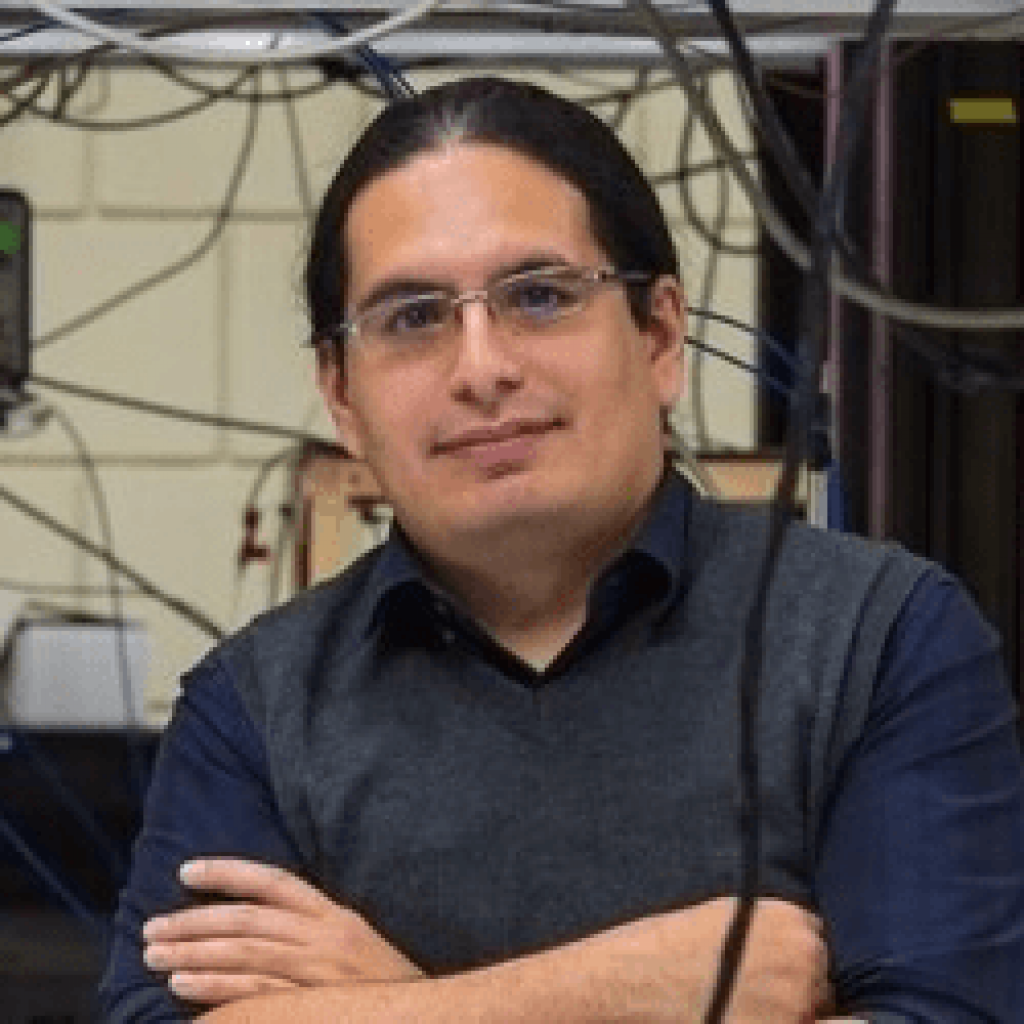
Prof. Eden Figueroa
Director of the Stony Brook Center for Distributed Quantum Processing and a Presidential Innovation Endowed Professor

Prof. Joseph Lukens
Associate Professor of Electrical and Computer Engineering at Purdue University