
Core Faculty
Joseph M. Pierce (Cherokee Nation), Founding Director
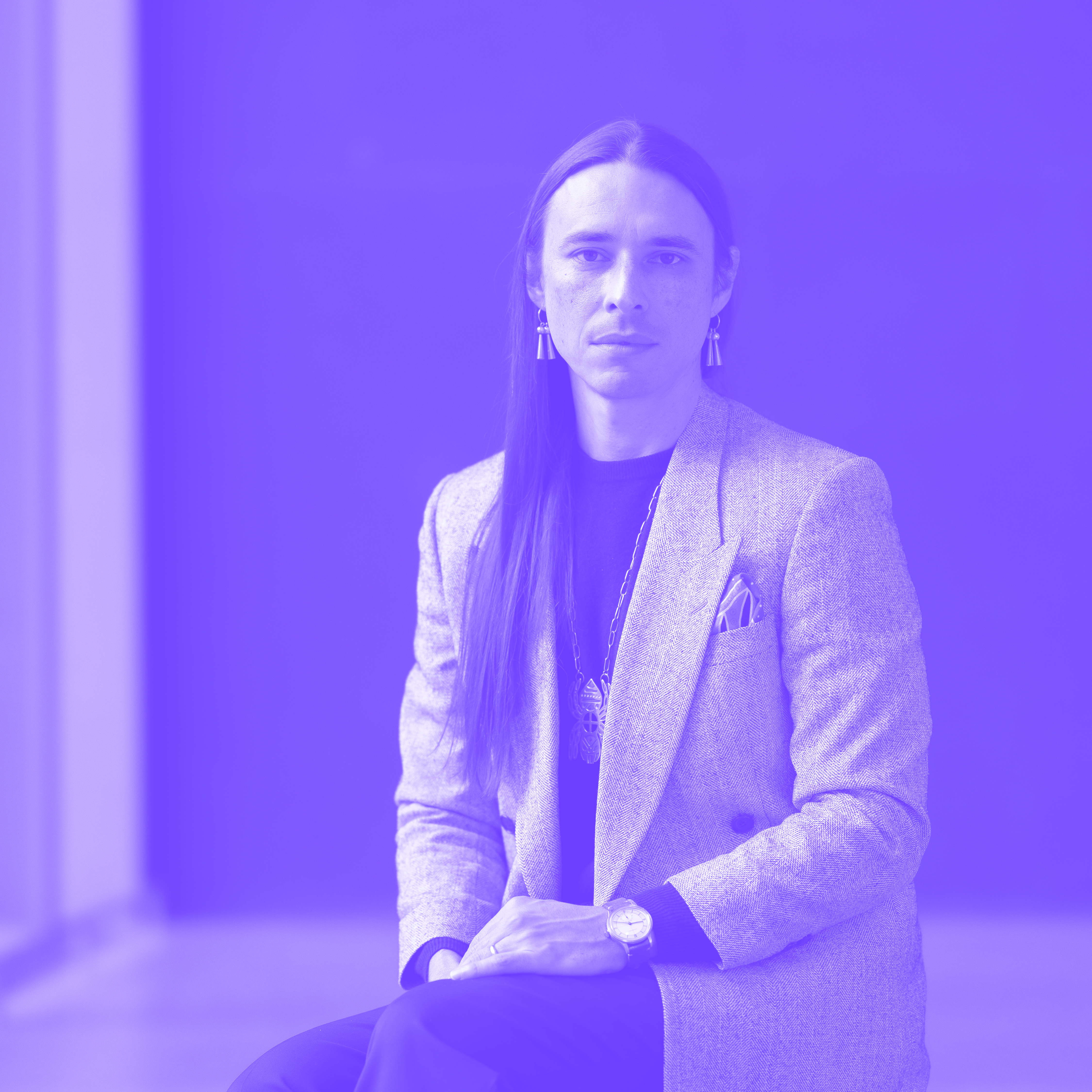 Joseph M. Pierce is Associate Professor in the Department of Hispanic Languages and
Literature and the Founding Director of the Native American and Indigenous Studies
Initiative at Stony Brook University. He is the author of Speculative Relations: Indigenous Worlding and Repair (Duke University Press, 2025) and Argentine Intimacies: Queer Kinship in an Age of Splendor, 1890-1910 (SUNY Press, 2019), and co-editor of Políticas del amor: Derechos sexuales y escrituras disidentes en el Cono Sur (Cuarto Propio, 2018) and the 2021 special issue of GLQ, “Queer/Cuir Américas: Translation, Decoloniality, and the Incommensurable.” He has
published work in Critical Ethnic Studies Journal, Latin American Research Review, and Art Journal, and in popular outlets including Hyperallergic, TruthOut, and Indian Country Today. With S.J. Norman (Wiradjuri), he is co-curator of the performance series Knowledge
of Wounds, and in 2024-2025 he was a Ford Foundation Scholar in Residence at the Museum
of Modern Art (MoMA). He is a citizen of Cherokee Nation.
Joseph M. Pierce is Associate Professor in the Department of Hispanic Languages and
Literature and the Founding Director of the Native American and Indigenous Studies
Initiative at Stony Brook University. He is the author of Speculative Relations: Indigenous Worlding and Repair (Duke University Press, 2025) and Argentine Intimacies: Queer Kinship in an Age of Splendor, 1890-1910 (SUNY Press, 2019), and co-editor of Políticas del amor: Derechos sexuales y escrituras disidentes en el Cono Sur (Cuarto Propio, 2018) and the 2021 special issue of GLQ, “Queer/Cuir Américas: Translation, Decoloniality, and the Incommensurable.” He has
published work in Critical Ethnic Studies Journal, Latin American Research Review, and Art Journal, and in popular outlets including Hyperallergic, TruthOut, and Indian Country Today. With S.J. Norman (Wiradjuri), he is co-curator of the performance series Knowledge
of Wounds, and in 2024-2025 he was a Ford Foundation Scholar in Residence at the Museum
of Modern Art (MoMA). He is a citizen of Cherokee Nation.
David Heska Wanbli Weiden (Sicangu Lakota Nation), Professor, Department of English
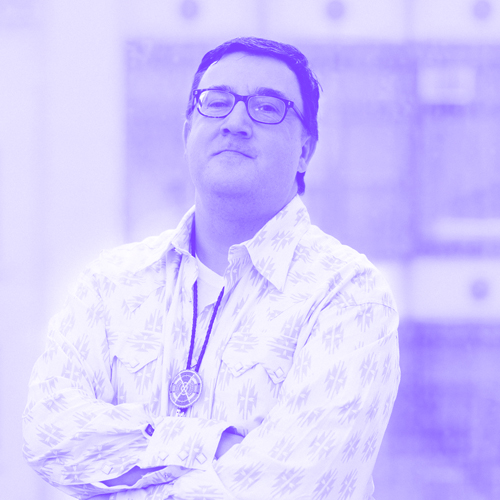 David Heska Wanbli Weiden, an enrolled citizen of the Sicangu Lakota Nation, is the
author of Winter Counts (Ecco/HarperCollins), nominated for an Edgar Award, and winner of the Anthony, Thriller,
Lefty, Barry, Macavity, Electa Quinney Award for Native Literature, and other awards.
The novel was a New York Times Editors’ Choice, Indie Next pick, main selection of the Book of the Month Club, and
named by Time magazine as one of the 100 best mystery and thriller novels of all time. The sequel,Wisdom Corner, is forthcoming. He has short stories appearing in the anthologies Best American Mystery and Suspense Stories, Never Whistle at Night, Crimes Against Nature, and others. His scholarship and nonfiction appear in the New York Times, Shenandoah, and other journals. He’s the editor of the anthology Native Noir, forthcoming from Akashic Books, and is the editor of Native Edge, a new series of
the University of New Mexico Press. In 2024, he was Indigenous Artist in Residence
at Brown University and has received fellowships from PEN America, MacDowell, Ucross,
Ragdale, Vermont Studio Center, Sewanee, and Tin House. He received his Ph.D. from
the University of Texas at Austin, his law degree from the University of Denver, and
his MFA degree from the Institute of American Indian Arts.
David Heska Wanbli Weiden, an enrolled citizen of the Sicangu Lakota Nation, is the
author of Winter Counts (Ecco/HarperCollins), nominated for an Edgar Award, and winner of the Anthony, Thriller,
Lefty, Barry, Macavity, Electa Quinney Award for Native Literature, and other awards.
The novel was a New York Times Editors’ Choice, Indie Next pick, main selection of the Book of the Month Club, and
named by Time magazine as one of the 100 best mystery and thriller novels of all time. The sequel,Wisdom Corner, is forthcoming. He has short stories appearing in the anthologies Best American Mystery and Suspense Stories, Never Whistle at Night, Crimes Against Nature, and others. His scholarship and nonfiction appear in the New York Times, Shenandoah, and other journals. He’s the editor of the anthology Native Noir, forthcoming from Akashic Books, and is the editor of Native Edge, a new series of
the University of New Mexico Press. In 2024, he was Indigenous Artist in Residence
at Brown University and has received fellowships from PEN America, MacDowell, Ucross,
Ragdale, Vermont Studio Center, Sewanee, and Tin House. He received his Ph.D. from
the University of Texas at Austin, his law degree from the University of Denver, and
his MFA degree from the Institute of American Indian Arts.
Darcey Evans (Karuk), Assistant Professor, Department of Anthropology
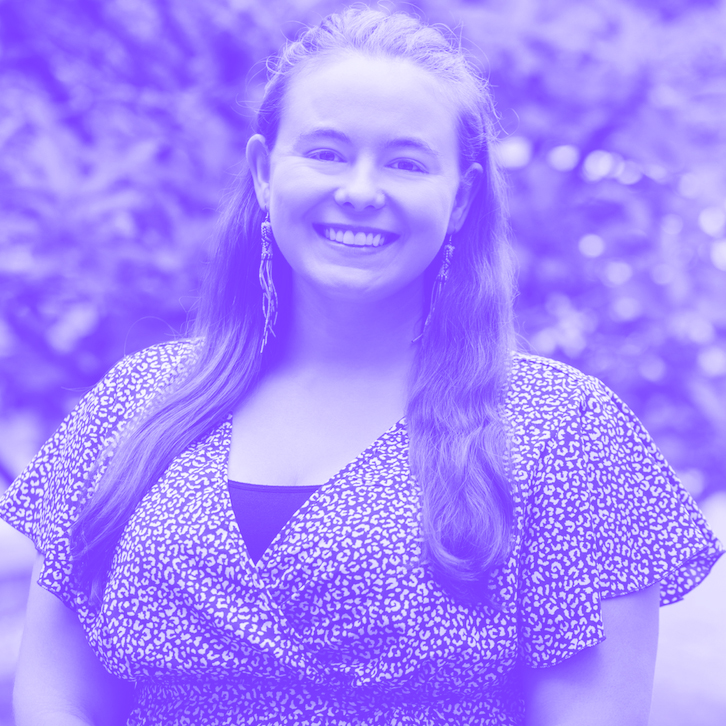 Darcey is a cultural anthropologist who broadly focuses on the politics of environmental
justice, settler colonialism, and Indigenous sovereignty in North America. Her current
research positions salmon aquaculture in British Columbia, Canada as a place from
which to explore how Indigenous and state sovereignties are enacted in water-centered
and maritime regions. She questions the forms that “blue futures” might take by investigating
how efforts to grow ocean-based economies are advanced by institutions, impact coastal
communities, and intersect with Indigenous movements to reclaim coastal seascapes.
She is also interested in the politics and processes of environmental conservation,
renewable energy transitions, food movements, and multispecies relations. Darcey has
worked with Indigenous communities, nonprofit organizations, and federal agencies
in California, Oregon, Washington State, and British Columbia. Combining social and
environmental science methodologies, she has supported the ability for Indigenous
nations to create climate research and adaptation programs, advocated for water policy
and fisheries reform in California, and participated in salmon and forestry surveys
and Indigenous-led environmental monitoring campaigns. Darcey also led the development
of the Advocacy and Water Protection in Native California Curriculum and has worked
with traditional knowledge-holders, school districts, and educators to integrate Native
American Studies in K-12 schools in California. Darcey is of British-Karuk heritage
and is a member of Quartz Valley Indian Reservation in Northern California.
Darcey is a cultural anthropologist who broadly focuses on the politics of environmental
justice, settler colonialism, and Indigenous sovereignty in North America. Her current
research positions salmon aquaculture in British Columbia, Canada as a place from
which to explore how Indigenous and state sovereignties are enacted in water-centered
and maritime regions. She questions the forms that “blue futures” might take by investigating
how efforts to grow ocean-based economies are advanced by institutions, impact coastal
communities, and intersect with Indigenous movements to reclaim coastal seascapes.
She is also interested in the politics and processes of environmental conservation,
renewable energy transitions, food movements, and multispecies relations. Darcey has
worked with Indigenous communities, nonprofit organizations, and federal agencies
in California, Oregon, Washington State, and British Columbia. Combining social and
environmental science methodologies, she has supported the ability for Indigenous
nations to create climate research and adaptation programs, advocated for water policy
and fisheries reform in California, and participated in salmon and forestry surveys
and Indigenous-led environmental monitoring campaigns. Darcey also led the development
of the Advocacy and Water Protection in Native California Curriculum and has worked
with traditional knowledge-holders, school districts, and educators to integrate Native
American Studies in K-12 schools in California. Darcey is of British-Karuk heritage
and is a member of Quartz Valley Indian Reservation in Northern California.
Valeria Meiller, Assistant Professor, Department of Hispanic Languages and Literature
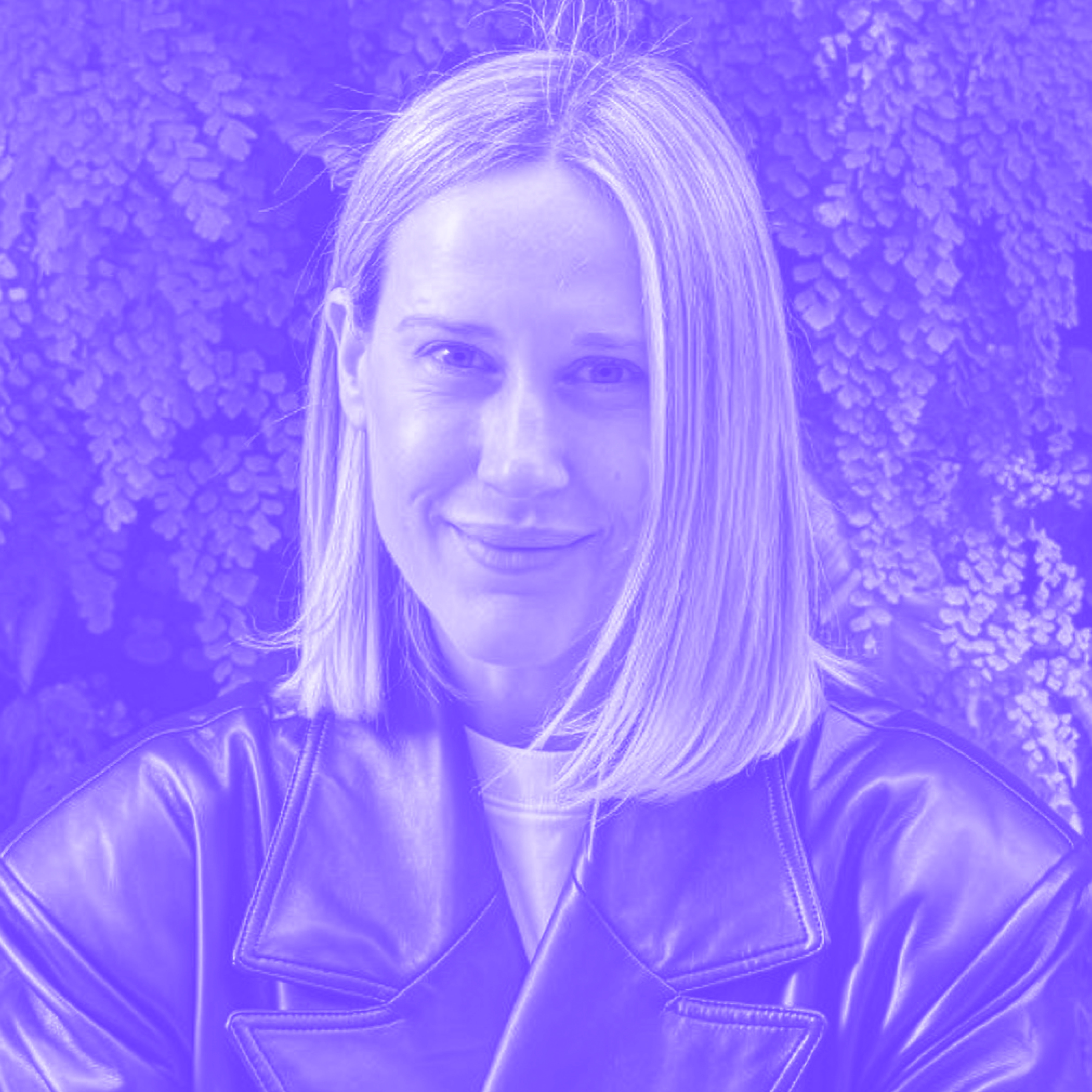 Valeria Meiller is Assistant Professor at the Department of Hispanic Languages and
Literatures and a core faculty member of the Native American and Indigenous Studies
Initiative at Stony Brook University. Her research lies at the intersection of Indigenous
studies and the environmental humanities with an emphasis in plurilingual poetry and
the visual arts. She is currently working towards two book projects: Necroterritories.
Slaughterhouses and the Politics of Death and In Defense of the Land. Biodiversity
and Linguistic Diversity in 21st Century Poetry of Abiayala.
Valeria Meiller is Assistant Professor at the Department of Hispanic Languages and
Literatures and a core faculty member of the Native American and Indigenous Studies
Initiative at Stony Brook University. Her research lies at the intersection of Indigenous
studies and the environmental humanities with an emphasis in plurilingual poetry and
the visual arts. She is currently working towards two book projects: Necroterritories.
Slaughterhouses and the Politics of Death and In Defense of the Land. Biodiversity
and Linguistic Diversity in 21st Century Poetry of Abiayala.
Necroterritories evaluate the spatial configuration of slaughtering sites in Argentina throughout the 19th-, 20th- and 21st-century. The book argues that Argentina’s early cultural deployment of animal slaughter such as Esteban Echeverria’s nouvelle El matadero shaped a regionally specific understanding of slaughtering sites across literature, architecture, and the visual arts. This specificity lies in framing such sites not as infrastructure but as broader territories where life, both human and nonhuman, has been historically negotiated through both politics and aesthetics. As part of the research leading to this book, Valeria co-created the online exhibition Matadero Modelo and the short documentary The Case of Meat, originally commissioned by the 2020 Istanbul Design Biennial and recipient of a 2022 LASA Merit Award in Film.
In Defense of the Land focuses on 21st-century plurilingual poetry as a site of environmental and cultural preservation for Indigenous communities in the midst of the current environmental crisis. This project draws from Ruge el bosque, a transnational and intercultural project about the role of poetry in contemporary Abiayala/Afro/Latin/America where Valeria officiates as the director. So far, this project was the recipient of a 2021 Ford-LASA Special Projects Award, a 2021 UTSA Seed Grant, a 2023 NCLAS Best Digital Project Award and a 2024 UTSA Creative Production Award. As part of Ruge el Bosque, Valeria has co-edited two plurilingual anthologies Ruge el bosque. Volumen 1. Ecopoesía del Cono Sur (Caleta Olivia, 2023) and Ruge el bosque. Volumen 2. Ecopoesía de Mesoamérica (Caleta Olivia, 2024), and is currently preparing Ruge el bosque. Volumen 3. Ecopoesía de la Amazonía (Caleta Olivia, 2026). This project also includes a podcast, Ecoteca, that expands the scope of the anthologies by accounting for poetry’s role as part of language revitalization projects and environmental activism.
Valeria is also co-editor of the forthcoming edited volume Unpredictable Architectures. The Aesthetics and Politics of Gardening in Latin America (Brill, 2026) and the forthcoming special issue Still Lives. The Inhuman in Latin American Culture (Journal of Latin American Cultural Studies, 2026). Her work has appeared in Interdisciplinary Studies in Literature and Environment (ISLE), Hispanica Moderna, and other venues.
Courtney M. Leonard (Shinnecock Nation), Assistant Professor, Department of Art
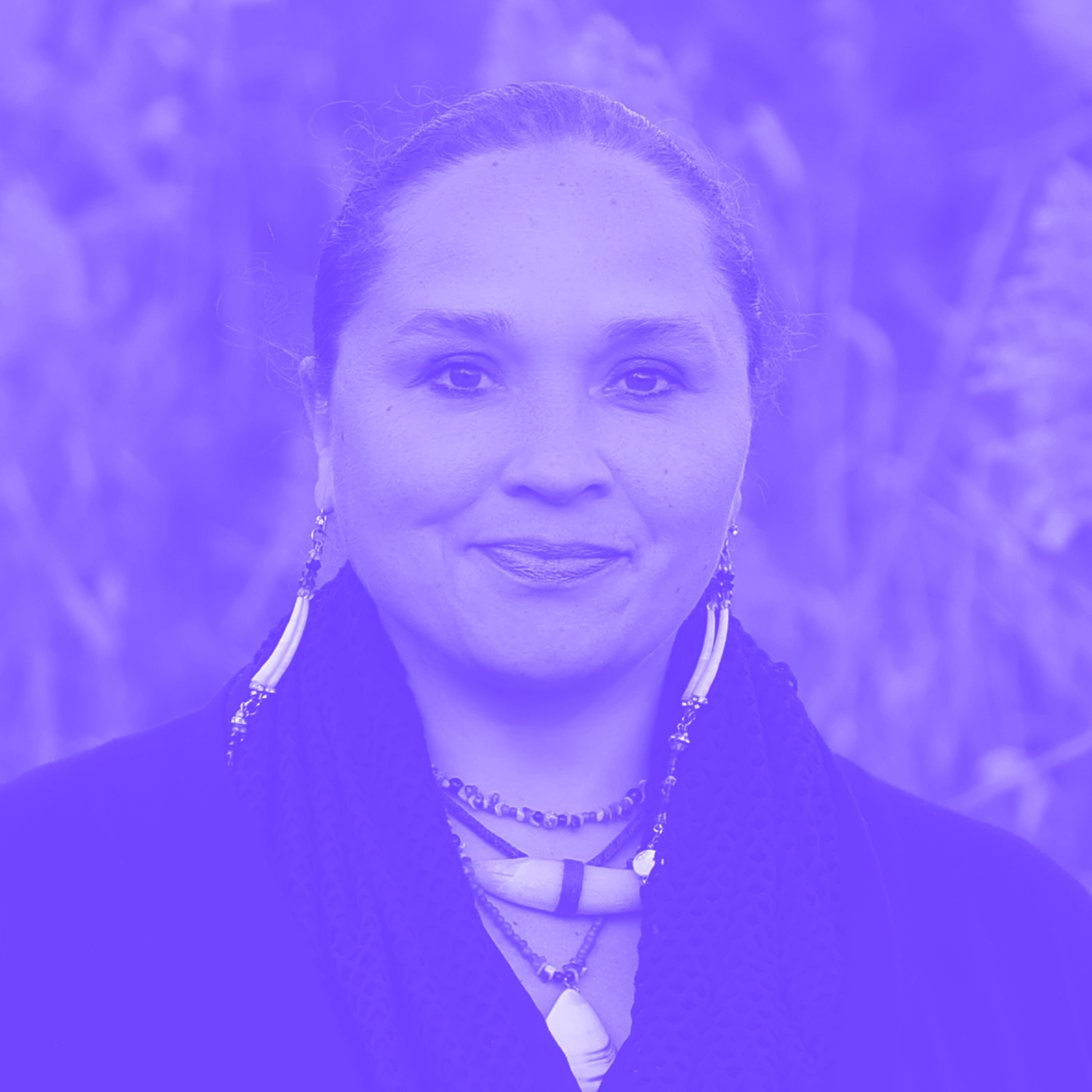 Courtney M. Leonard is a multimedia artist and filmmaker from the Shinnecock Nation
in Long Island, New York. As a contributor to the Offshore Art Movement, Leonard’s
practice investigates narratives of cultural viability as a reflection of environmental
record. Her work is guided and embodies multiple definitions of “breach,” leading
to exploration and documentation of historical ties to water, whale, and material
sustainability.
Courtney M. Leonard is a multimedia artist and filmmaker from the Shinnecock Nation
in Long Island, New York. As a contributor to the Offshore Art Movement, Leonard’s
practice investigates narratives of cultural viability as a reflection of environmental
record. Her work is guided and embodies multiple definitions of “breach,” leading
to exploration and documentation of historical ties to water, whale, and material
sustainability.
Recent solo exhibitions include her mid-career survey COURTNEY M. LEONARD: Logbook 2004–2023 at The Heckscher Museum, Huntington, (NY); a site responsive installation BREACH: Logbook 24 | SCRIMSHAW at New Bedford Whaling Museum, (MA); and BREACH: Logbook 24 | STACCATO, based on a collaborative multi-year scientific study of the life and remains of Staccato, a deceased female Right whale, at UMCA, Amherst, MA. Leonard is a current artist fellow of the Coha Nowark Art + Science Residency program at the Institute of the Arts and Sciences, UC Santa Cruz where her residency and research with community and scientists will culminate in an exhibition and public programs on the intersections of art, science, and social justice in Fall 2027.
Leonard’s work is in numerous permanent collections including the Brooklyn Museum, (NY); Mead Art Museum, Amherst, (MA) Hood Museum, Hanover (NH), Crocker Art Museum, Sacramento, (CA), LACMA, Los Angeles (CA), Heard Museum, Phoenix, (AZ), Peabody Essex Museum, Salem, (MA). Artist residencies include the Andy Warhol Preserve, Montauk (NY), the Robert Rauschenberg Residency (FL) and the Santa Fe Art Institute Water Rights Art Residency (NM), and The Rasmuson Foundation (AK), among many others.
Leonard joined the faculty at Stony Brook University in the Fall of 2025 bridging her research and teaching of contemporary theory, practice, and environmental relation within the Art Department and Native American Indigenous Studies programs.
Vick Quezada, Assistant Professor, Department of Art
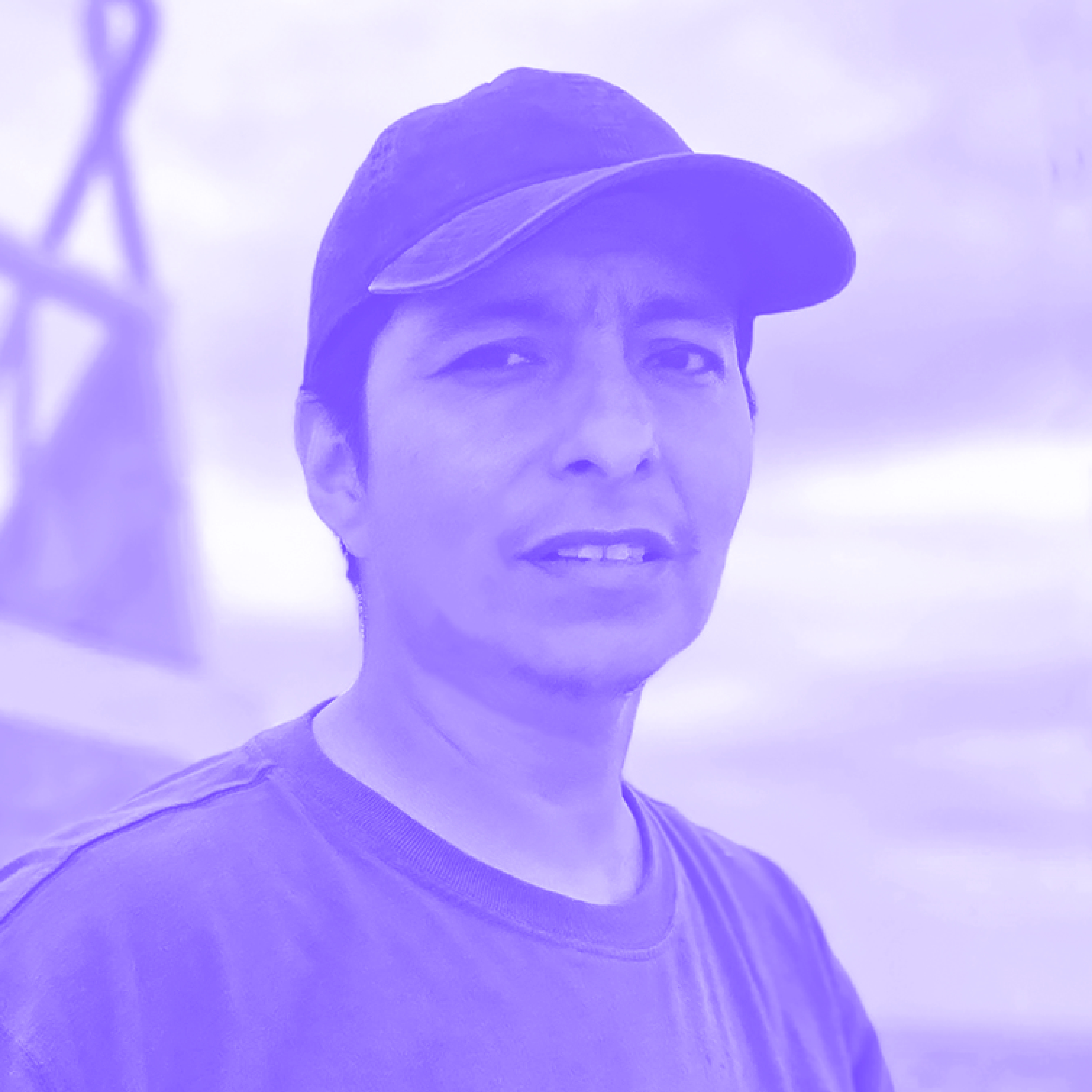 Vick Quezada (they/them), Assistant Professor, Department of Art, is an Mestizx interdisciplinary
artist, explores hybrid forms in Indigenous-Latinx history and the function of these
histories in contested lands, primarily in the U.S.-Mexico Border. They work with
a variety of mediums: video, performance, sculpture and ceramics. Quezada’s work explores
liberation through an approach that is rooted in queer and Indigenous knowledge, histories,
and aesthetics. They draw on an Mexica spirituality that centers the power of interconnectivity,
one that extends beyond gender, race, and the human experience.
Vick Quezada (they/them), Assistant Professor, Department of Art, is an Mestizx interdisciplinary
artist, explores hybrid forms in Indigenous-Latinx history and the function of these
histories in contested lands, primarily in the U.S.-Mexico Border. They work with
a variety of mediums: video, performance, sculpture and ceramics. Quezada’s work explores
liberation through an approach that is rooted in queer and Indigenous knowledge, histories,
and aesthetics. They draw on an Mexica spirituality that centers the power of interconnectivity,
one that extends beyond gender, race, and the human experience.
Quezada was a fellow at Yale Center for the Study of Race, Indigeneity, and Transnational Migration Institute in 2022. In 2021-2022 they received the prestigious Andrew W. Mellon Fellowship co-sponsored by the Ford Foundation. Their work has been featured in Hyperallergic, BOMB Magazine, The Boston Globe, The New York Times, Art News, Trans Studies Quarterly, and Remezcla. In 2020 Quezada was hand selected from a "large-scale survey" of 40 emerging artists from the US and Puerto Rico to be featured in El Museo del Barrio's groundbreaking, La Trienal. From 2019-20 Quezada was the artist-in-residence at the Latinx Project at NYU. Quezada holds a Bachelors from the University of Texas at El Paso and a Masters in Fine Art from University Massachusetts at Amherst Amherst.
Affiliated Faculty
Andrew Newman, Professor, Department of English
Andrew has been teaching at Stony Brook since 2005. His first two books are at the intersection of early American, indigenous, and media studies. He is working on a third book, a cultural history of the teaching and learning of the most frequently-assigned books in American high schools. Relatedly, with funding from the National Endowment for the Humanities, he is co-directing a 2023 Summer Institute for Teachers, "Making the Good Reader and Citizen: A History of Literature Instruction at American Schools." He regularly teaches courses on all these topics.
For more information, including links to publications, please visit his profile on Humanities Commons.
Paul Kelton, Professor and Gardiner Chair in American History
Paul has examined the biological processes involved in the European takeover of the Americas in two books: Epidemics and Enslavement and Cherokee Medicine, Colonial Germs. By placing local struggles with epidemics within the large-scale context of colonialism's social disruption, structural violence, and political upheaval, his historical research has contemporary relevance to debates over global health disparities and emerging infectious diseases. He is continuing his research on Indigenous experiences with European-introduced diseases with multiple ongoing projects detailing the contours of Native death and survival during the Seven Years War in North America, the American Revolution, and Indian Removal.
Sebastián López-Vergara, Assistant Professor, Department of Hispanic Languages and Literature
Sebastián López Vergara is an IDEA Fellow in the Department of Hispanic Languages and Literature. He specializes in Latinx and Indigenous Diaspora Studies, and his research focuses on Indigenous representations across media and their relationships to histories of dispossession in modern Latin America with a particular focus on Chile. He completed his PhD at University of Washington, Seattle, where he taught cultural studies, critical ethnic studies, and Latin American studies courses, as well as Spanish language and contemporary Latin American history with University Beyond Bars, an organization offering post-secondary education to the incarcerated in Washington State’s prisons. Prior to Washington state, Vergara lived in Chile, where he was raised, and earned a BA in English Literature and Linguistics at Pontificia Universidad Católica de Chile.