


Undergraduate Biology- Getting Started With Research Guide
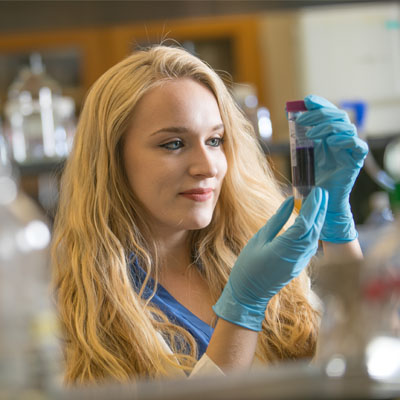
The first step in locating a potential lab is researching what you are interested in. Was there a specific topic in one of your courses that you enjoyed? Did you connect with a professor, or a class you’ve taken before? Is there a topic that is interesting to you outside of classes?
We suggest compiling a short list of working labs at SBU that are researching topics you are interested in, and then diving further into that research. Please familiarize yourself briefly with the work Labs are producing before reaching out to potential faculty advisors.
The Biology department website features a Faculty Research Advisors list, categorized by department. You can read through the list and write down a few names whose work interests you, and why you’d want to work with them. Most entries provide direct links to either the lab website or the Department Research Page, with additional information on research topics and most recent publications.
If one of the labs you are interested in is run by one of your course instructors, you can visit them during office hours to ask if they are looking for undergrads to join their lab team If they are, at that time you can express your interest in joining - most Faculty members will also ask you to follow up with them via email with your information and resume.
If you don’t already know the person running the lab, you can send them an email introducing yourself, attaching your resume, and requesting to set up a meeting. It is important to express (briefly) in this email why you would like to work in their lab, and that you have an interest in their work specifically (“I would like to add research to my resume” is not a sufficient reason).
If you don’t get a reply after a few weeks, it’s okay to follow up! If the faculty member does not reply, or is not offering positions to undergrads, don’t be discouraged! There are plenty of labs working at SBU that take undergrads each year, and plenty of open spots.
On your resume, be sure to include your name and major, as well as your GPA and any relevant courses taken. You should also include any jobs or experiences you have had in the past. You would be surprised what skills can come in handy when working in a lab!
If you’d like to discuss tips to improve your resume, the Career Center is a great resource. You can schedule a meeting with them via the Navigate app.
Most of the time, a PI will request that you complete a few training modules before you begin work in the lab. These are usually about environmental health and safety, proper chemical disposal, and/or effective PPE usage.
You should also familiarize yourself with common lab etiquette: no eating or drinking in the lab, wearing proper clothing, effective communication and collaboration, keeping accurate data logs, etc. You can learn more about lab etiquette here (link At the Bench or another similar resource).
In order to register for credit for BIO research, you’ll have to complete a short reflection and have your faculty sponsor sign off on a separate form. Then, you can submit everything using the UG BIO Research Google Form. Please note that you must be accepted into a research lab before you can register for credit. All forms and documents can be found on the Forms page of the Undergraduate Biology Website.
After you submit your application, it will be reviewed by the department. If approved, you will get permission to register for one of the research courses on SOLAR. You can then register yourself for the course!
If you have any questions throughout the process, please email bio_registration@stonybrook.edu.