


Upcoming Events
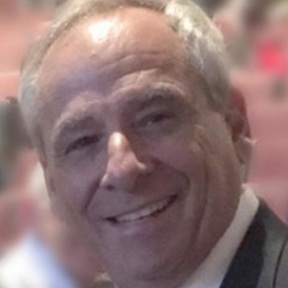
GRAND ROUNDS: Slow Looking: An Essential Skill in the Toolkit of Clinical Diagnosis and Caring
Presenter: Vincent P. de Luise, MD, FACS
Assistant Clinical Professor of Ophthalmology, Yale University School of Medicine
Thursday, October 22, 2026
4:30- 6pm
Location: Zoom (RSVP for link)
RSVP
The rapid pace of medicine has led to challenges for physicians and physicians-in-training to find the time and space to have impactful encounters with their patients, from history-taking and diagnosis to discussions of treatment and care.
Through the technique of Slow Looking, time and space with patients can be optimized, and the patient can be truly noticed, not just seen and examined.
Slow Looking and mindful observation, using representational and non-representational Art as the paradigm, is a skill set which can be learned, internalized, and transferred to the patient encounter. This can better inform the physician and physician-in-training in their analysis, reflection, diagnosis and treatment. Slow Looking builds upon empathy and compassion, and can improve the quality of the patient-physician care journey.
Objective: To learn a set of observational techniques in viewing representational and non-representational Art which can be utilized in the clinical examination of the patient, diagnostic decision-making and treatment.
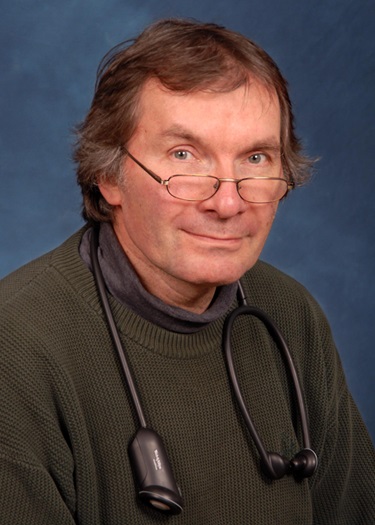
GRAND ROUNDS: What Time Do We Eat?
Presenter: Salvatore Mangione, MD
Associate Professor of Medicine, Kimmel Medical College of Thomas Jefferson University
Thursday, November 5, 2026
4:30- 6pm
Location: Zoom (RSVP for link)
RSVP
This 1-hour presentation will review how the 1700s introduction of whale oil not only extended work hours, but also changed our eating habits, so that the largest meal of the day (what the English called 'dinner' and the French 'dîneur') gradually moved towards the evening hours, thus replacing supper (the French souper) and ultimately requiring the 1786 creation of an entirely new word ('lunch') in order to describe the recent (and light) midday meal.
Countless testimonies confirm that eating patterns did change during the 17- and 1800s, and so did the way we named our meals. All of this upended our metabolic balance, since it's now quite clear that the best way to maintain a normal weight is by eating a good lunch and then consuming either a light or no supper at all (i.e. ‘Time-restricted Eating’).
Hence, this presentation is on linguistics, literary evidence, socio-anthropology, plus the history of artificial illumination. It's also a talk on how the American whaling industry captured 80% of the oil market, thus making mid-1850s New Bedford the wealthiest city on the planet. But most importantly, it's a talk on the medical implications of it all.
Past Events
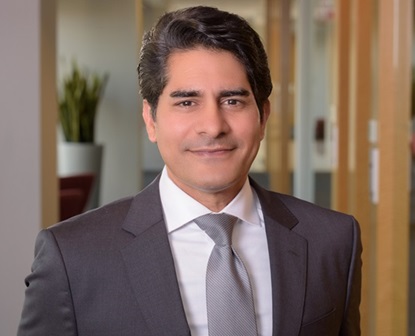
GRAND ROUNDS: My Health Care Journey: When the Physician Becomes the Patient
Presenter: Bobby Mukkamala, MD
Immediate Past President, American Medical Association
Thursday, September 24, 2026
3- 4:30pm
Location: Zoom
Drawing on his unique perspective as both physician and patient, Dr. Bobby Mukkamala reflects on the experience of navigating health care from both sides of the clinical encounter. This Grand Rounds will explore how becoming a patient can reshape our understanding of care, communication, vulnerability, and the physician-patient relationship.
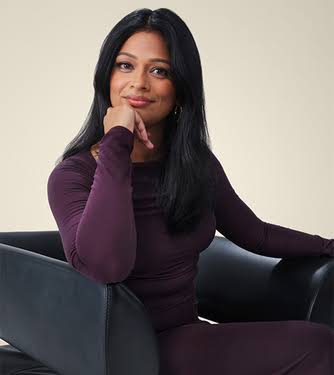
GRAND ROUNDS: Stick-Figures as a Tool for Health Justice
Presenter: Anita Ravi, MD, MPH, MSHP, FAAFP
CEO and Founder, PurpLE Health Foundation
Thursday, October 1, 2026
4:30- 6pm
Location: Zoom
Through an interactive stick figure drawing workshop, Dr. Anita Ravi will demonstrate how simple visual storytelling can become a powerful tool for communication and advocacy in medicine. Drawing from her work with invisiblized populations in a variety of settings including Rikers Island, participants will explore how stick figures can make complex experiences visible, challenge clinical assumptions, and support more responsive, human-centered care.
GRAND ROUNDS: Defining Death: The Tangled History of Organ Transplantation and How
we Define Death
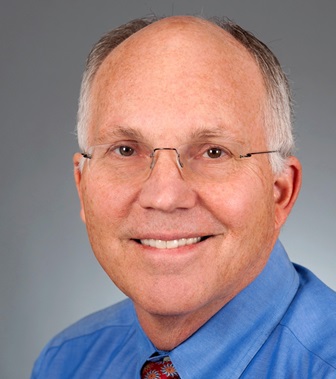
Presenter: Robert D. Truog, MD
Distinguished Professor Anesthesia, Pediatrics, and Bioethics, Harvard Medical School
Thursday, October 8, 2026
3:30- 5pm
Location: Zoom
Organ transplantation has transformed modern medicine, yet it continues to raise some of the most profound ethical and philosophical questions in clinical practice. In this Grand Rounds, Dr. Robert Truog will trace the history of organ transplantation, examine the origins and implications of the Dead Donor Rule, and explore how contemporary medicine defines and diagnoses death. Drawing on decades of scholarship in critical care and bioethics, he will consider whether our current ethical and legal framework remains adequate and outline a path forward for the future of transplantation ethics.
GRAND ROUNDS: The Role of Medicine in the Holocaust and Its Contemporary Relevance:
Sustaining Our Moral Compass
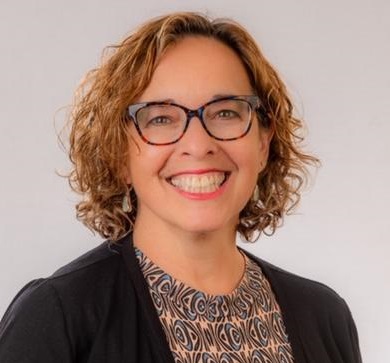
Presenter: Hedy S. Wald, PhD
Clinical Professor of Family Medicine, Warren Alpert Medical School of Brown University
Thursday, October 15, 2026
4:30- 6pm
Location: Zoom
Medicine’s involvement in Nazism and the Holocaust represents one of the most consequential ethical failures in the history of the health professions. Dr. Wald will examine this history and its contemporary relevance for medical education, professional identity formation, moral leadership, and the preservation of human dignity. Drawing upon her work with health professions students at Auschwitz-Birkenau, she will explore how historical knowledge, critical reflection, and examples of moral courage can help equip today’s health professionals to confront bias, discrimination, and complex ethical challenges.
Previous years events
- Grand Rounds: The Fluff of Medicine: The Intangibles that Make a Difference
- Presenter: Salvatore Mangione, MD
- Grand Rounds: Compassion and Contemplation: Expanding the Medical Humanities Through
Mind-Body Medicine
- Presenter: Sarah Mulukutla, MD, MPH, FAAN
- Grand Rounds: Narrative Medicine for Non-Narratival Subjectivities
- Presenter: Liam Butchart, MD, MA
- Grand Rounds: The Lives of Dr. Lewis Thomas: Science as Metaphor
- Presenter: Joseph Finns, MD, DHL (hc), MACP, FRCP (London)
- Grand Rounds: Virtuous, Not Virtual! The Role of Medical Virtues in the Professional Identity Formation of Medical Students
- Presenter: Maria Basile, MD, MBA
- Grand Rounds: Reflections on MAiD in New York and on the Ethics of Physician Assisted
Suicide
- Presenter: Michael Egnor, MD
- Grand Rounds: Medical Virtues and Walt Whitman's Professional Identity Formation
- Presenter: Maria Basile, MD, MBA
- Grand Rounds: Music and the Brain: Linking Melody, the Mind and Health
- Presenter: Vincent de Luise, MD, FACS
- Grand Rounds: Dementia: A Lens for Exploring What it Means to be Human (and Why it
Matters)
- Presenter: Rachel Broudy, MD
- Grand Rounds: Neuropalliative Care: Lessons in Caring, Culture Change, and Challenging
Systems from an Emerging Field
- Presenter: Benzi Kluger, MD, MS
- Grand Rounds: How Requlishment and Adoption Fit into Family Formation: A Case Study
and Reflections from Twice Blessed: A Story of Unconditional Love
- Presenters: Stefanie Mercado Altman, Claire Altman, and Stan Altman