


Alison Phipps - MIC Symposium 2024
Biography
Alison Phipps (University of Glasgow)
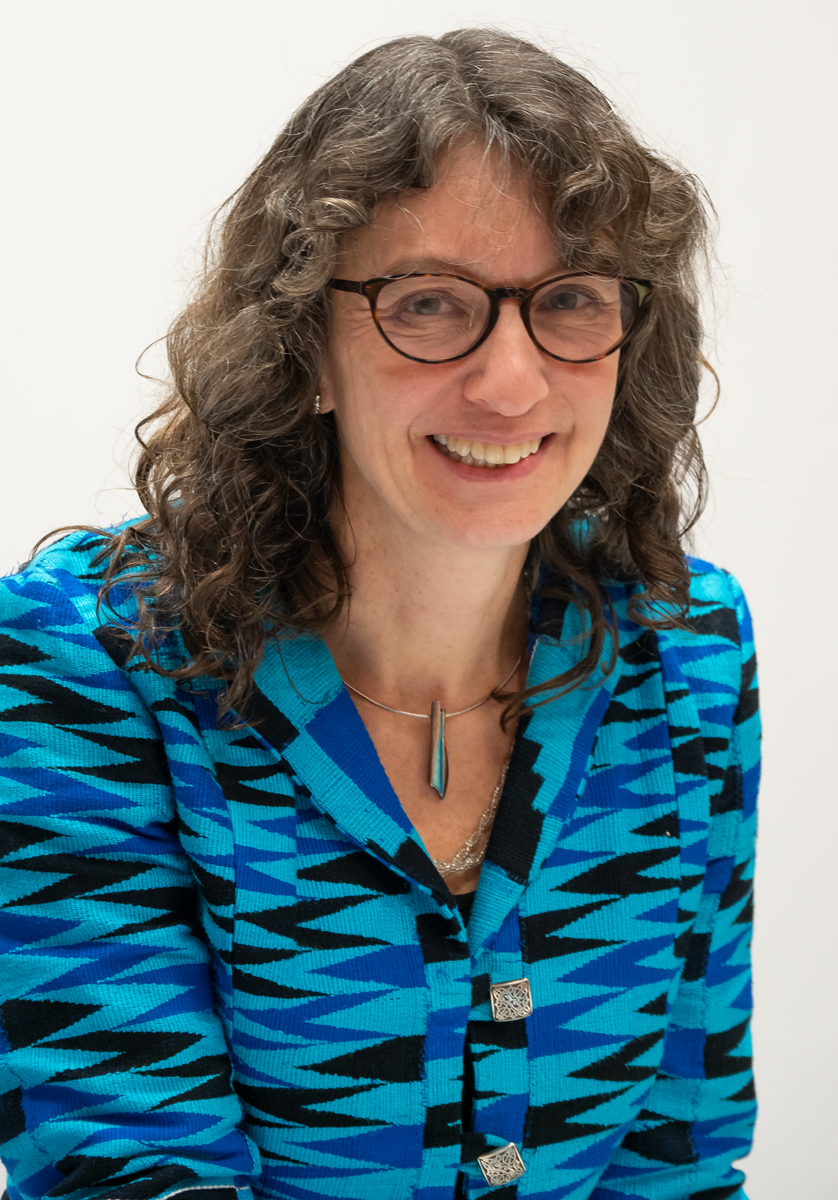
Alison Phipps is UNESCO Chair in Refugee Integration through Languages and the Arts at the University of Glasgow and Professor of Languages and Intercultural Studies. She was De Carle Distinguished Visiting Professor at Otago University, Aotearoa New Zealand 2019-2020, Thinker in Residence at the EU Hawke Centre, University of South Australia in 2016, Visiting Professor at Auckland University of Technology, and Principal Investigator for AHRC Large Grant ‘Researching Multilingually at the Borders of Language, the body, law, and the state’; for Cultures of Sustainable Peace, and is now co-Director of the Global Challenge Research Fund South-South Migration Hub. She is an Ambassador for the Scottish Refugee Council. She received an OBE in 2012 and an Honorary Doctorate from the University of Edinburgh in 2023. She is an academic, activist, educator and published poet and a member of the Iona Community.
Lecture Abstract
Title: Enabling Environments, Fugitive Spaces, and Restorative Practices for Intercultural Dialogue and Linguistic Justice
Abstract:
The macro conditions for intercultural dialogue and peace building worldwide are not favourable. The processes and structures for cultural diplomacy, for sustaining cultural and linguistic rights are eroded and the institutions proposing global goals (Sustainable development goals) are reporting the failure to make progress in the wake of escalating violence, genocidal conditions in some regions and the Covid 19 pandemic. For institutions which aim to sustain intercultural dialogue and peace, and to protect Human Rights these are difficult times. How to live and how to language in such circumstances when the macro, meso and micro structures seem inadequate at best?
In this lecture I will consider the macro conditions and introduce the work I have undertaken in 2020-2023 with UNESCO and UNCHR and with UNRISD on re-thinking what makes for enabling environments for intercultural dialogue, and for languages as critical constituent parts of these dialogues.
I will then turn to the level of context and bring forward work undertaken to create enabling environments with migrant in the global south, both considering the embodiment of resilience and refuge and also the work with fragile, meso-level institutions from Morocco to Mexico; Ghana to Gaza; Zimbabwe to Aotearoa in order to sustain and protect cultural and linguistic rights.
In so doing I will offer up methodological approaches, including affective methods, which have used multilingualism as an enabler of intercultural dialogue and as conflict transformational research methodology. Practice-led approaches which are restorative, as opposed to extractive are at the core of my work, internationally as academic, activist and also as artist and I’ll offer some examples of how these work.
Finally, I’ll speak of what it takes, to live with war, loss and grief, and to ‘stay’ as Haraway says, with the trouble. This lecture will use story and some drama to enact the ways in which restorative realities can be strengthened and en-joy-ed.