Venture outside the classroom and into the ecotoxicology lab.
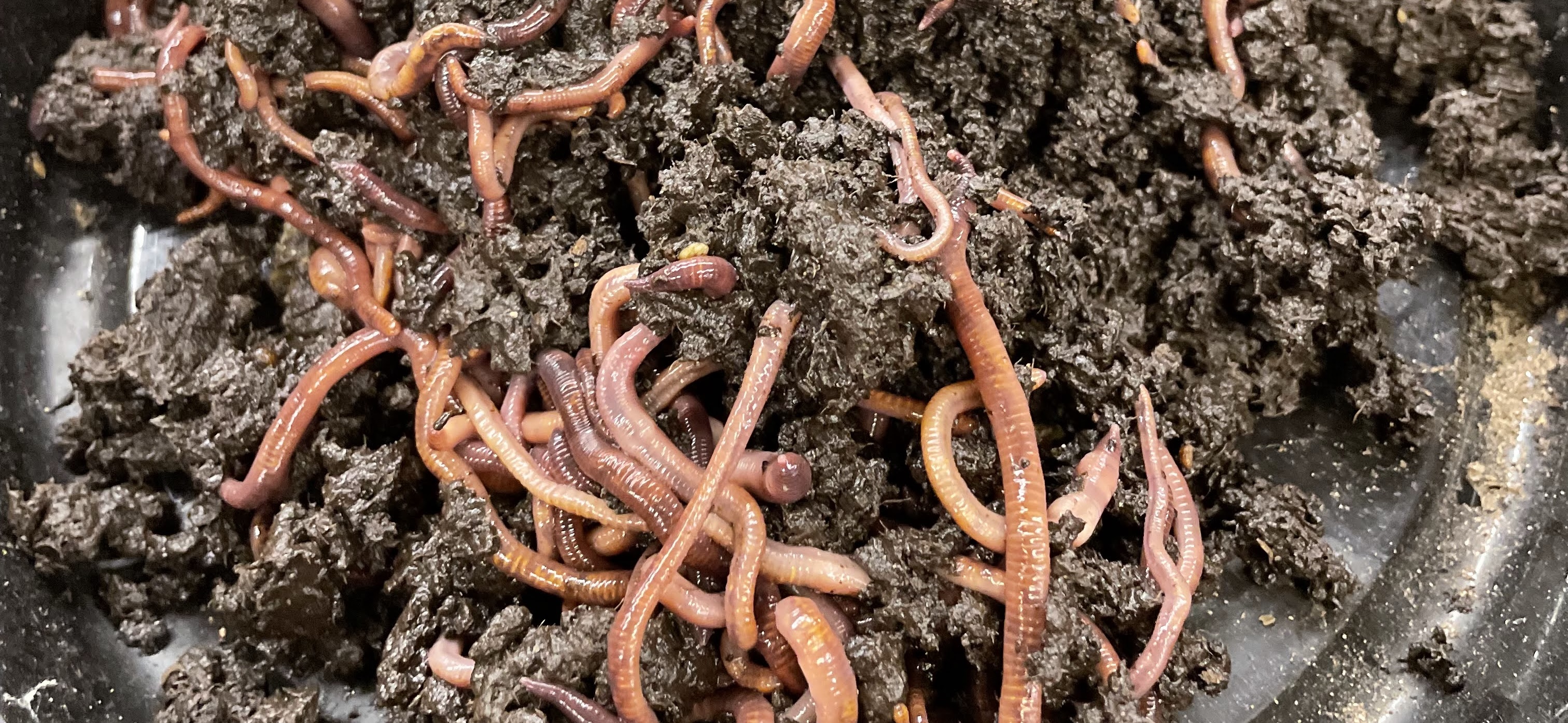
Tired of canned science experiments? In this mini-course, you will design and conduct a unique project in ecotoxicology. The course cover experimental design, data collection, and data analysis. Hands-on projects will involve ecotoxins such as acid rain, pesticides, plastics or herbicides, and organisms such as planaria, cockroaches, or earthworms.
This ecotoxicology lab teaches you how to conduct important and novel science based in soil ecology and ecotoxicology and how to communicate your work and findings orally, with posters, and via peer-reviewed scientific journal articles. The lab conducts research based on earthworms, soil, and soil microbes.
Step away from traditional textbook science and learn, hands-on, about ecotoxicology
research. Gain experience in designing and conducting your own unique scientific experiments,
immersing yourself in the entire process in a laboratory setting.
ENVIRONMENTAL SCIENCE IN THE WORM LAB
2026 Session Dates
- Session Three: July 12 - 17, 2026
Registration is Closed
Be the first to know when applications open for Summer 2027:
Experiential Learning
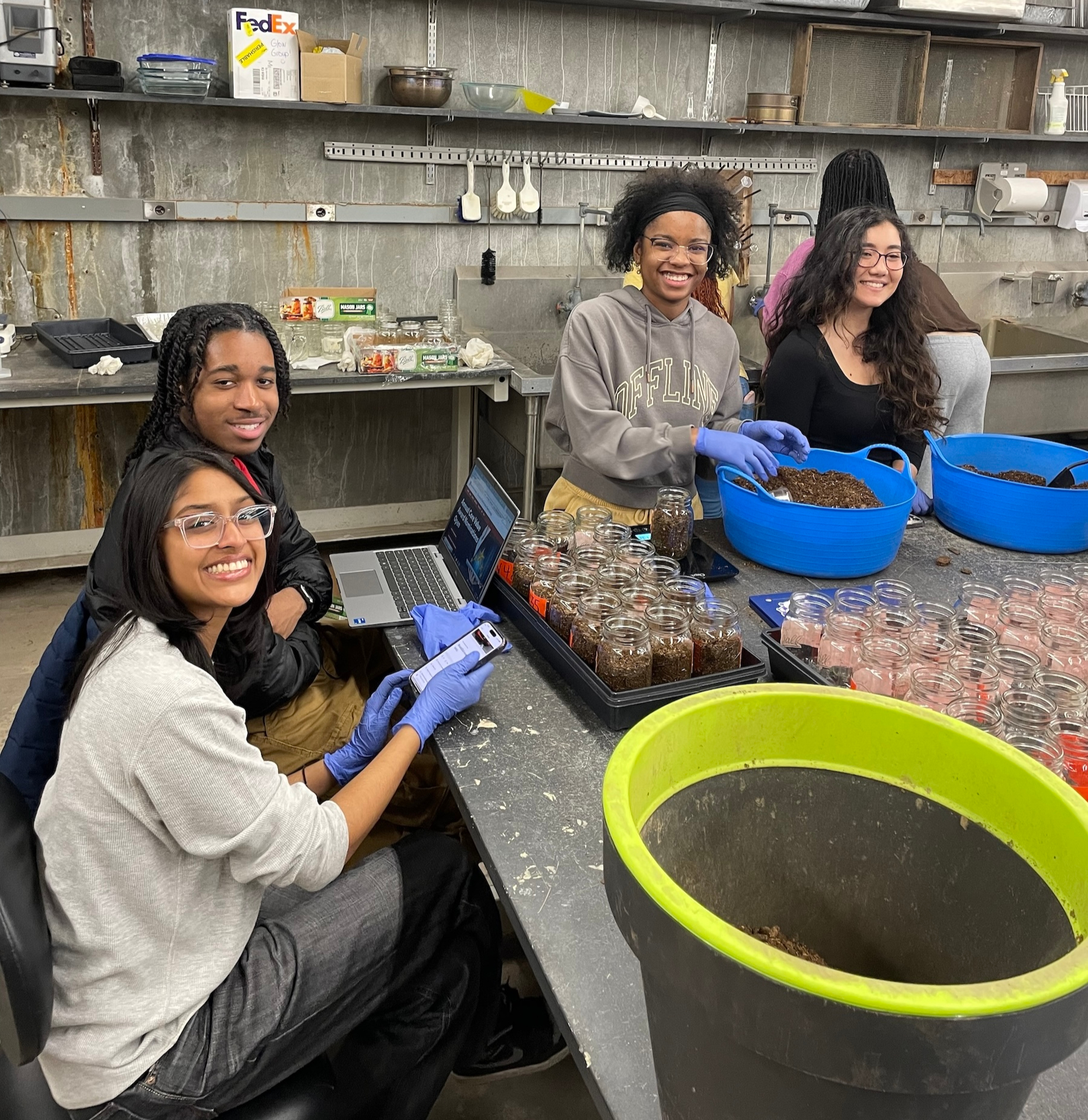
To put their scientific thinking into action, students will partake in hands-on experiences through the following laboratory activities:
- Setting up an experiment to answer an environmental science question.
- Collecting data from their experiment.
- Interpreting the data from their experiment.
- Experiments will use invertebrates (earthworms or flatworms) and/or plants.
- Experiments may involve the use of technology that measures soil respiration or plant chlorophyll concentrations.
At the end of the week, you’ll apply what you’ve learned by working with teammates
to create an interprofessional care plan that integrates the information and skills
you’ve gained.
Instructor
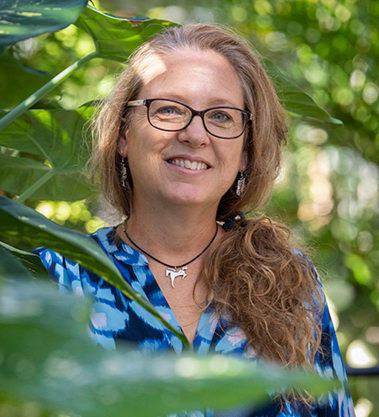
Sharon Pochron, PhD
Sharon Pochron runs the Sustainability Studies Earthworm Ecotoxicology Lab. The lab investigates the role of artificial turf fields, fertilizer, Roundup and plastics on soil health. Aside from supporting her own research, the lab allows students to design and conduct discovery scientific research, propose and manage budgets, write papers and posters, give public presentations, and deepen their understanding of the scientific method by using it.
As of January 2023, more than 450 students have conducted research in this lab. Since
2017, Pochron has co-authored papers with four graduate students, 100+ undergraduate
students, 15 high-school students, and three professors.