



Chemical Hygiene Plan Policy
| Policy Category | Issuing Authority | Responsibility | Publication Date | Next Review Date |
|---|---|---|---|---|
| Environmental Health & Safety | Enterprise Risk Management | Environmental Health & Safety | 09/15/2025 | 09/15/2028 |
Environmental Health & Safety recognizes that this policy is often printed and kept
in a local department's office or lab. If you require a copy of this
policy for printing purposes, please email ehsafety@stonybrook.edu or call (631) 632-6410.
Table of Contents:
A. Roles, Responsibilities, Authority and Accountabilities
C. Chemical Hazard Classification
D. Chemical Hazard Identification
E. Chemical Procurement, Storage and Hazardous Waste Disposal
F. Controlling Chemical Exposure
H. Exposure Assessment and Monitoring
I. Medical Exams and Consultation
Policy Statement & Background:
Recognizing the unique characteristics of laboratory settings, the Occupational Safety
and Health Administration (OSHA) designed a specialized standard for handling occupational
exposure to hazardous chemicals in the laboratories. This standard, known as the “Laboratory
Safety Standard”, can be found under 29 CFR 1910.1450.
According to this standard, Stony Brook University (SBU) is required to develop and
carry out the provisions of a Chemical Hygiene Plan (CHP) which must include:
- Standard Operating Procedures (SOPs) relevant to safety and health considerations to be followed when laboratory work involves the use of hazardous chemicals;
- Criteria to determine and implement specific control measures to reduce employee exposure to hazardous chemicals, such as engineering controls and personal protection equipment (PPE);
- A requirement that an ongoing program be developed to ensure that fume hoods and other engineering controls are functioning properly and specific measures are taken to ensure proper and adequate performance of such equipment;
- Information and training requirements to ensure employees are apprised of the hazards of chemicals present in their work area;
- Circumstances under which a particular laboratory function will require “prior approval” before implementation;
- Provisions for medical consultation and medical exams for all employees who work with hazardous chemicals;
- Designation of personnel responsible for implementation of the CHP, including assignment of Chemical Hygiene Officer (CHO) and if appropriate, establishment of Chemical Hygiene Committee; and
- Provisions for additional employee protection for work with select carcinogens, reproductive toxins, and substances that have a high degree of acute toxicity.
The goal of the CHP is to safeguard employees from health risks associated with the
use of hazardous chemicals within their particular workplace. The CHP serves as a
framework, establishing comprehensive guidelines, and encompassing numerous general
and minimum requirements. Ultimately, Laboratory Supervisors are accountable for ensuring
the safety of all laboratory personnel working in their areas. Each lab is responsible
for meeting specific requirements, such as hazard assessment, standard operating procedures,
and work-specific training.
Each department with laboratories must adopt this CHP, or create their own, ensuring
it includes all elements of OSHA Laboratory Standard, subject to approval by EH&S.
Both department and individual laboratories are required to adopt more stringent controls
tailored to the specific hazards, materials, equipment, and environmental factors
present in their respective areas where appropriate.
Policy:
A. Roles, Responsibilities, Authority and Accountabilities
1. The Department of Environmental Health and Safety (EH&S)
The EH&S department is responsible for developing and implementing environmental, health, and safety policies, procedures, and programs to aid departments in adhering to regulatory obligations. EH&S also offers guidance and support to all academic and research laboratories. These services encompass a range of activities, including laboratory hazard assessment, safety training, safety inspections, incident investigation, and emergency response.
2. Chemical Hygiene Officer (CHO)
The CHO is a member of the Department of EH&S and is tasked with providing technical expertise in several key areas:
- Developing and implementing the Chemical Hygiene Plan (CHP).
- Creating and maintaining safety policies, procedures, and guidelines in collaboration with the university community’s input.
- Designing and conducting safety training programs focused on the secure storage, handling, and usage of hazardous chemicals.
- Conducting well-documented laboratory inspections and generating inspection reports, including observations, findings, and suggested corrective actions.
- Review chemical inventories campus wide to ensure compliance with relevant regulations.
- Staying updated on requirements concerning hazardous and other regulated chemicals.
3. Deans, Chairs and Laboratory Directors
The implementation of the Chemical Hygiene Plan (CHP) falls under the purview of Deans, Chairs and Directors within their respective areas. Their primary duty is to guarantee compliance with regulations, prioritize personnel safety, and safeguard the environment. To achieve these objectives, they must allocate the necessary resources and provide effective oversight to ensure proper execution and adherence to all relevant standards and regulations.
4. Laboratory Supervisor
Laboratory Supervisors, including Principal Investigators (PIs), Laboratory Managers or individuals responsible for overseeing laboratory spaces, bear direct responsibility for ensuring full compliance with the Chemical Hygiene Plan (CHP). They shall fulfill this responsibility through various actions, including:
- Ensuring CHP is readily available to all laboratory personnel.
- Registering their laboratories with EH&S to ensure proper documentation and oversight.
- Familiarizing themselves with the contents of the CHP and diligently implementing all relevant guidelines within their areas of responsibility.
- Maintaining awareness of rules, regulations, OSHA standards, and compliance reporting requirements related to hazardous chemicals.
- Fulfilling all required EH&S safety training requirements and ensuring all laboratory workers under their supervision have completed the EH&S training.
- Providing comprehensive safety training tailored to specific locations, tasks, materials, processes, and personnel, covering necessary safety protocols and procedures to minimize risks associated with their responsibilities.
- Identifying hazardous operations/equipment in the lab and establishing safe work practices.
- Developing documented lab-specific standard operating procedures (SOP) for relevant work, ensuring lab personnel are aware of hazards associated with chemicals in the laboratory/facility.
- Maintaining an updated chemical inventory to track hazardous chemicals present in the laboratory.
- Ensure that Safety Data Sheets (SDSs) for hazardous chemicals used in the lab are readily accessible.
- Conducting routine safety inspections with lab personnel for areas under their control.
- Ensuring all appropriate safety controls, such as fume hoods, eyewashes, safety showers, and other safety equipment, are available, and in good working order.
- Informing the Laboratory Director/Building Manager, Campus Operations & Maintenance (CO&M) and/or EH&S if they become aware of any safety equipment malfunctioning.
- Ensuring all appropriate personal protective equipment (PPE) is available and in good condition.
- Providing appropriate resources for laboratory personnel when medical surveillance and/or medical consultation and examination are required.
- Timely informing EH&S of any accidents and near misses with potential to cause serious injury or harm. Additionally, ensuring a written accident report is completed to thoroughly document the incident.
- Ensuring proper oversight of minors in the laboratory/facility in accordance with the policy Minors Working with Hazardous Materials in Research Laboratories, where applicable.
5. Laboratory Personnel
Laboratory personnel refer to individuals who work within research/teaching laboratories involving the use, handling, or storage of hazardous chemicals, exposing them to potential risks of regular or periodic exposure. This group includes graduate and undergraduate students, researchers, technicians, instructors, visiting scholars, part-time/temporary employees, volunteers, and administrative staff. Laboratory personnel must
- Follow the procedures and guidelines in the CHP.
- Complete all relevant safety training requirements prior to working with hazardous chemicals.
- Understand the hazards associated with the materials they are working with and perform or review the necessary risk assessment before commencing work.
- Report any unsafe conditions or hazards to the supervisor.
- In the event of an emergency or incident, contact the SBU Police Department and provide emergency response personnel with all pertinent incident-related details.
- File an incident and injury report as required.
6. Contractors, Vendors and Visitors
All contractors, vendors, and visitors must adhere to the University’s applicable safety policies and guidelines while on campus, which may include required training and certificates of insurance. Each laboratory is responsible for ensuring that any external individuals visiting their facility are properly informed of any potential hazards in the area.
B. Laboratory Security
All laboratories must implement controls to restrict access, prevent theft or diversion of hazardous chemicals and equipment, ensure the safety for laboratory personnel and the public, and improve emergency preparedness and response.
1. Lab Registration
Laboratory supervisors are required to register their laboratories through EH&S.
2. Control Access
- Restrict access to authorized personnel only.
- Question the presence of unfamiliar individuals in laboratories.
- Keep the laboratory door locked when the lab is unattended.
- Keep keys and access cards in your possession.
- Implement increased controls, where required, for certain chemical, biological and radiological materials.
- Train all laboratory personnel on security procedures and why they are important.
3. Report
Immediately report any missing or unaccounted loss of equipment, chemicals, or suspicious activity to the University Police Department (UPD).
C. Chemical Hazard Classification
While chemical compounds can be described in various ways—such as by molecular formula,
chemical structure, or trade name. A CAS Registry Number (CAS RN®) is simply a unique
numeric identifier assigned to a specific substance by the Chemical Abstracts Service.
It enables consistent and unambiguous reference and, with the support of CAS scientists,
connects users to all related data and research. Each CAS number corresponds to a
single substance, but a single chemical name can have multiple CAS numbers due to
different forms or variants of the compound. Importantly, two different substances,
or different forms of the same substance, do not share the same CAS number.
Chemical hazard classification, on the other hand, is the process of identifying and
categorizing chemicals based on their potential to cause harm to humans or the environment.
This classification helps in understanding the nature and level of the risks associated
with specific chemicals, enabling proper handling, storage, transportation, and disposal.
1. Health Hazard
Acute toxicity: adverse effects occurring following oral or dermal administration of a single dose
of a substance, or multiple doses given within 24 hours, or an inhalation exposure
of 4 hours.
Corrosives: a chemical that causes visible destruction of, or irreversible alterations in living
tissue by chemical action at the site of contact. It can be either acidic or caustic
(basic).
Sensitizer: a chemical that causes a substantial proportion of exposed people or animals to
develop an allergic reaction in normal tissue after repeated exposure to the chemical.
Irritant: a chemical, which is not corrosive, but which causes a reversible inflammatory effect
on living tissue by chemical action at the site of contact.
Carcinogens: agents that can cause cancer, typically exhibiting chronic toxicity. This means
they cause harm after prolonged or repeated exposure, with their effects often becoming
apparent only after a considerable latency period.
Reproductive Toxins: substances or agents that may affect the reproductive health of women or men or
the ability of couples to have healthy children. These hazards may cause problems
such as infertility, miscarriage, and birth defects.
Specific Target Organs Toxicant (STOT): a chemical can cause specific, non-lethal target organ toxicity arising from a single
exposure.
2. Physical Hazard
Explosive chemical: a solid or liquid chemical which is in itself capable by chemical reaction of producing
gas at such a temperature and pressure and at such a speed as to cause damage to the
surroundings.
Flammable liquid: a liquid having a flashpoint at or below 199.4 °F (93 °C).
Flammable solid: a solid which is a readily combustible solid, or which may cause or contribute to
fire through friction.
Oxidizer: chemical other than a blasting agent or explosive, that initiates or promotes combustion
in other materials, thereby causing fire either of itself or through the release of
oxygen or other gases.
Self-reactive chemical: a thermally unstable liquid or solid chemical liable to undergo a strongly exothermic
decomposition even without participation of oxygen (air). It excludes chemicals classified
as explosives, organic peroxides, oxidizing liquids or oxidizing solids.
Water reactive chemical: a chemical that reacts with water to release a gas that is either flammable or presents
a health hazard.
Pyrophoric chemical: a liquid or solid which, even in small quantities, is liable to ignite within five
minutes after coming into contact with air.
Organic peroxide: a liquid or solid organic chemical which contains the bivalent -0-0- structure and
as such is considered a derivative of hydrogen peroxide, where one or both of the
hydrogen atoms have been replaced by organic radicals.
Gas under pressure:
- A gas or mixture of gases having, in a container, an absolute pressure exceeding 40 psi at 70 deg. F (21.1 deg. C); or
- A gas or mixture of gases having, in a container, an absolute pressure exceeding 104 psi at 130 deg. F (54.4 deg. C) regardless of the pressure at 70 deg. F (21.1 deg. C); or
- A liquid having a vapor pressure exceeding 40 psi at 100 deg. F (37.8 deg. C) as determined by ASTM D-323-72.
Compressed gases can be toxic, flammable, oxidizing, corrosive, or inert.
3. Environmental Hazard
Environmental hazards involve a chemical's impact on aquatic life (aquatic toxicity) and the concerning environment factors such as persistence, bioaccumulation potential, and degradation.
D. Chemical Hazard Identification
Laboratory supervisors are responsible for verifying whether specific chemicals or reagents are considered hazardous. The Hazard Communication Standard (HCS, 29 CFR 1910.1200) aligns with the Globally Harmonized System of Classification and Labelling of Chemicals (GHS). This system provides a unified and organized approach to classifying substances and conveying hazard information via labels and safety data sheets. View GHS pictograms and hazards on the OSHA website.
1. Original Manufacturer Labels
The Hazard Communication Standard (HCS) mandates that chemical manufacturers, importers,
or distributors are responsible for ensuring that every hazardous chemical container
leaving the workplace is appropriately labeled, tagged, or marked with the following
information: https://www.osha.gov/sites/default/files/publications/OSHA3636.pdf
It is crucial to maintain these labels in such a way that they remain legible, without
any defacement like fading or washing off. If a container label becomes damaged or
unreadable, a new label must be created, incorporating the necessary details mentioned
above. For detailed information on the original container label requirements, please
refer to the Hazard Communication Standard for Labels and Pictograms.
While OSHA updated the HCS to align with the GHS in 2012, older chemicals may not
follow this standard and may not include all the required information. It is still
critical to maintain the legibility of those labels, and when necessary, update the
labels using the newer standard when the original labels become illegible or otherwise
damaged.
2. Secondary Chemical Container Labels
Many laboratories transfer chemicals to a smaller or different “secondary” container
(e.g., vials, flasks or bottles) for dilution, mixing, or general use. The Hazard
Communications Standard requires secondary chemical container labels containing at
least the following information:
- Identification of the contents (spell out chemical names)
- Signal word, if known or suspected (e.g., “danger”, “warning”)
- Hazards, if known or suspected (e.g., “flammable”, “corrosive”, “irritant”)
- Words, symbols, pictures, GHS, or a combination thereof, which provide at least general information regarding the chemical’s physical and health hazards can be used on the secondary container label.
It is not required to label portable containers into which hazardous chemicals are transferred from labeled containers, and which are intended to only for the immediate use of the individual who performs the transfer.
3. Safety Data Sheet
Safety Data Sheets (SDSs), previously known as Materials Safety Data Sheets (MSDSs),
are printed or electronic documents that provide health and safety related information
on chemicals. Manufacturers or importers of chemicals are required to obtain or develop
an SDS for each hazardous chemical they produce or import. Laboratory Supervisors
are responsible for maintaining up-to-date SDSs and ensuring they are readily accessible
to all laboratory staff during working hours. This ensures a quick response in the
event of spills, medical emergencies, and any other incidents involving chemicals.
All laboratory personnel must review the SDS prior to work with a chemical.
Either printed or electronic copies of SDSs are acceptable. If SDSs are stored on
a computer, they must be on a computer that is accessible to everyone in the lab.
For additional information about the SDS, please refer to the OSHA Brief on the Hazard Communication Standard: Safety Data Sheet.
4. Newly Synthesized Chemicals
When new chemical substances are synthesized or produced in a laboratory, Laboratory
Supervisors will be responsible for ensuring that these chemicals are used exclusively
within the laboratory and are properly labeled. If the hazards of a substance produced
in the laboratory are unknown, it must be assumed to be hazardous, and the label must
indicate that the potential hazards of that substance have not been tested and are
unknown. The Laboratory Supervisors shall develop a preliminary Safety Data Sheet
(SDS) at the earliest opportunity and add to it as properties of the chemicals become
known.
If the chemical is to be transferred outside of the laboratory, the Laboratory Supervisors
shall comply with the University Hazard Communication Right to Know Program, including labeling and preparation of the SDS.
For other requirements and additional guidance on creating new SDSs, please contact EH&S.
E. Chemical Procurement, Storage and Hazardous Waste Disposal
1. Procurement
In light of the risks and responsibilities associated with chemicals in a laboratory setting, it is essential to consider the following protocols before acquiring any chemical:
- Review the existing inventory before placing an order to avoid unnecessary duplication.
- Identify and evaluate potential hazards linked to the chemical being considered for purchase.
- Order only the necessary quantities of the chemical to minimize excess storage and handling.
- Choose suppliers and manufacturers known for quality products and adherence to safety standards.
- If available, opt for a less hazardous substitute for a hazardous chemical.
- Ensure that adequate storage space is available before purchasing chemicals, with proper segregation, organization, and accessibility to minimize the risk of spills and exposure.
Additionally, when receiving chemical packages, adhere to these general guidelines:
- Refuse any chemical shipment lacking a proper identifying label or documentation.
- Check packages for signs of leakage or damage upon arrival to prevent accidents.
- Ensure that individuals handling the chemical have reviewed its Safety Data Sheet (SDS).
- Supply necessary safety equipment and provide training for personnel responsible for handling the chemicals.
2. Storage
Effective chemical storage is essential for managing the physical and health hazards associated with laboratory chemicals. Although various chemical compatibility schemes exist—with slight differences but many common principles—no single system can address every possible hazardous combination. This document outlines several widely used compatibility methods to help ensure the safe storage of chemicals across different hazard classes. Always consult the manufacturer’s (material) safety data sheet (SDS) as a primary reference for specific storage guidance.
- Store chemicals based on compatibility, segregating them into different storage areas according to their hazardous properties (Chemical Storage Guide). Use alphabetical storage only within a compatible storage group.
- Minimize storage of chemicals on bench top to prevent accidental chemical spills and to reduce the risk of fire.
- Maintain an up-to-date chemical inventory (Chemical Inventory, Storage and Handling). Update it as new chemicals are acquired or as existing chemicals are used up or disposed of.
- Ensure storage areas are well-ventilated to disperse potential fumes or gases.
- Store chemicals at appropriate temperatures to prevent decomposition or volatility.
- Maintain chemical identification labels, containers, and lids in good condition. Regularly inspect containers for signs of damage, corrosion, or leakage.
- Replace damaged containers immediately to prevent spills or accidents.
- Keep chemical containers closed with properly fitted caps when not in use.
- Use secondary containment systems like trays or spill pallets to physically segregate incompatible chemicals when they are stored in the same physical location.
- Address any issues promptly to maintain a safe storage environment.
- Clearly mark time-sensitive chemical containers with the date of receipt and the date
they are first opened, including but not limited to:
- Peroxide formers, such as sodium amide, diethyl ether, dioxane, tetrahydrofuran (THF) and benzyl alcohol
- Picric acid and polynitrated aromatics
- Shock-sensitive chemicals: such as hydrazine, ammonium nitrate, perchloric acid
- Chloroform
- Time sensitive compressed gas cylinders, such as hydrogen fluoride, hydrogen bromide, hydrogen sulfide, hydrogen cyanide and hydrogen chloride.
3. Transportation
Transportation of hazardous chemicals and compressed gas cylinders may present risk to building occupants and property. Take the following safety measures to minimize the risk of incidents during on-campus transport:
- Hazardous chemicals being transported outside the laboratory or between stockrooms and laboratories must be in break-resistant secondary containment, placed in a suitable outside container or bucket, or in carts specifically designed for safe transportation.
- The individual transporting the chemical has knowledge about the hazards of the chemical and uses appropriate personnel protective equipment (PPE).
- Compressed gas cylinders must always be strapped in a cylinder cart with the valve protected by a cap.
- Use freight elevators when available.
For guidance on shipping dangerous goods or hazardous materials off campus, please refer to the EH&S policy on Shipping of Dangerous Goods/Hazardous Materials.
4. Hazardous Waste Disposal
All hazardous waste must be disposed of in strict accordance with the guidelines and regulations set forth by the New York State Department of Environmental Conservation (NYSDEC). To ensure compliance, please refer to the Hazardous Waste Management Policy.
F. Controlling Chemical Exposure
Chemical exposures can happen through four main pathways:
- Inhalation
- Ingestion
- Absorption (via skin, eyes, or mucus membranes)
- Injection (skin punctures or entry through open wounds)
To minimize the risk of harmful chemical exposure, it's crucial to implement a well-thought-out, multi-tiered system of safety controls commonly known as the Hierarchy of Controls.
1. Elimination
Elimination refers to eradicating the hazard at its source. This might involve altering experimental procedures to avoid the use of toxic materials, sharp tools, etc. It is the ideal solution for safeguarding workers because it prevents any exposure from taking place.
2. Substitution
Substitution involves employing a safer alternative to the hazardous source. For instance, this could mean opting for alcohol/glycol thermometers, plant-based inks instead of solvent-based inks or choosing SYBR SAFE DNA gel stain over ethidium bromide. When evaluating a substitute, it's crucial to assess the potential new risks in comparison to the original ones. This assessment must also account for how the substitute interacts with other agents in the workplace. Successful substitutes diminish the likelihood of adverse effects and do not introduce fresh risks.
3. Engineering Controls
Engineering controls mitigate exposure to chemical or physical hazards by employing specialized equipment or devices. They play a crucial role in restricting the release of toxic chemical vapors, fumes, and dust during various activities such as
- reactions
- solvent heating or evaporation
- and the handling of explosive, reactive, or fire hazard chemicals.
Stony Brook University utilizes a diverse range of engineering controls, including chemical fume hoods, glove boxes, filtered enclosures, snorkel ducts, and downdraft tables, to enhance safety measures on campus.
a) General Laboratory Ventilation
General laboratory ventilation is required to adhere to the building code of New York
State. For specific code requirements, please contact Campus Planning, Design, and
Construction (CPDC).
To maintain the correct air flow balance, it's crucial to keep laboratory doors closed.
Leaving a door open for an extended period can disrupt the positive pressure in the
corridor, potentially leading to the transmission of airborne materials from the laboratory
to the corridor.
b) Local Ventilation
Local ventilation, also known as local exhaust ventilation (LEV), is a system that captures and removes airborne contaminants at or near their source, preventing their dispersion into the surrounding air. It helps protect workers' health by minimizing their exposure to harmful substances. Examples of the local ventilation system include:
● Fume hoods
● Glove boxes
● Snorkels
● Canopies
● Gas cabinets
● Dust collector
● Spray booth
● Downdraft table
c) Chemical Fume Hoods
A fume hood is a ventilated enclosure designed to capture and remove gases, vapors, fumes, and dust from the workspace. To ensure safe usage, adhere to the following operational guidelines:
● Fume hoods undergo annual inspection and certification by an external contractor
appointed by the University. Additionally, certification is required whenever significant
changes are made to its use or location.
● Keep the hood's sash closed when not in active use. When in operation, maintain
the sash at the lowest feasible level, typically between 12-18 inches.
● The face velocity of the fume hood falls within the range of 80 to 150 feet per
minute (FPM).
● Keep chemical fume hood areas clean and free of debris at all times.
● Position all apparatus at least 6 inches inside the fume hood. For large equipment,
elevate it on solid blocks to sustain an airflow space of 1-2 inches above the work
surface.
● Each hood is affixed with an inspection sticker indicating the date of the last
periodic test and the maximum allowable sash height.
● Do not dispose of hazardous waste by intentionally evaporating it in a fume hood.
● Do not use a fume hood if it has failed the annual test or if it is not functioning
correctly. In case of malfunction, contact the Building Manager, Lab Director, or
Physical Plant at (631) 632-6400 or (631) 444-2400. Post a notice indicating its restricted
use. Once repaired, inform EH&S to verify its proper functionality.
For more detailed information, refer to the EH&S Chemical Fume Hood Safety Policy.
d) Glovebox
A glovebox is a sealed, enclosed workspace designed to handle hazardous or sensitive
materials under controlled conditions. It allows operators to manipulate substances
inside the box while maintaining a separate atmosphere, either under positive or negative
pressure. Positive pressure gloveboxes protect materials from external contaminants
like air or moisture, while negative pressure gloveboxes safeguard operators when
working with toxic gases or pathogens.
Here are some safety practices associated with glovebox usage:
● Ensure the glovebox is installed correctly, following the manufacturer's guidelines
and recommendations.
● Anyone handling a glovebox must undergo proper training to understand its operation,
safety features, and emergency procedures.
● The manufacturer manual is readily accessible near the system for easy reference.
● Perform daily checks before and after using the glovebox. These checks need to be
documented, including details such as:
○ Condition of gloves and glove seals
○ Daily pressure differential (gauge readings)
○ Condition and configuration of other installed systems (e.g., valves, ensuring pressure
and flow gauge readings are within acceptable ranges)
○ Condition of the box and fittings (e.g., identifying rust or other issues)
○ Compressed gas cylinder: record the date of change, tank serial number (if available),
and daily pressure reading.
● Familiarize yourself with emergency protocols, including how to safely exit the
glovebox and how to handle spills or malfunctions.
● Regularly maintain and service the glovebox according to the manufacturer's recommendations.
Promptly address any issues or malfunctions.
e) Laboratory Refrigerators and Freezers
● Never store food or drink in any refrigerator/freezer used in a laboratory.
● Label clearly for their intended purpose, e.g., “SAFE FOR FLAMMABLE STORAGE” or
“UNSAFE FOR FLAMMABLE STORAGE” on the exterior surface of the unit as appropriate.
● Label all materials stored in refrigerators/freezers with the content, owner, date
of acquisition or preparation, and nature of any hazard. For small vials and test
tubes, a reference to a list outside of the refrigerator could be used.
● Ensure that the chemicals stored in the refrigerator are compatible.
● All containers placed in a refrigerator/freezer must be fully sealed or capped and
safely positioned to prevent spills or leaks.
● Store flammable chemicals with flash points below 100 °F in flammable materials
storage or explosion proof refrigerator & freezers. Household refrigerators/freezers
and cold rooms may produce sparks, arcs or flames inside of the refrigerator compartment.
● Regularly inspect all refrigerators and freezers for ice buildup. Remove any accumulation
as needed, and check door seals to ensure they are intact and functioning properly
to prevent future ice formation
● Clean refrigerators/freezers at least annually or more frequently as needed.
● Keep in mind that a power outage may cause a rise in temperature within the unit,
potentially leading to energetic decomposition. Be cautious of any unusual odors,
vapors, or other signs when opening the refrigerator. If needed, contact UPD for emergency
assistance.
● Before discarding refrigerators/freezers, clean and decontaminate them. Contact
Campus Operations and Maintenance (CO&M) at 631-632-6412 to schedule the removal of
the freon before recycling the appliance.
4. Administrative Coontrols
Laboratory administrative controls refer to policies, procedures, and practices implemented within a laboratory setting to manage and minimize risks associated with various activities. Unlike engineering controls (physical modifications or equipment designed to reduce exposure to hazards) and personal protective equipment (PPE), administrative controls focus on administrative and managerial strategies to enhance safety.
a) Information and Training
Proper training is crucial for ensuring a safe laboratory environment. It provides
a dedicated opportunity to discuss hazards, safe practices, emergency procedures,
and available safety resources. To explore the courses offered by the Environmental Health and Safety (EH&S) department, please visit the EH&S training page.
In addition to the general training provided by EH&S, specific laboratory training
must be conducted by the Laboratory Supervisor. This specialized training must cover
the following areas:
● Hazardous Chemicals: Identification of hazardous chemicals in the workplace, including
knowledge of permissible exposure limits, understanding the physical and chemical
hazards, recognizing signs and symptoms of exposure, and methods to detect the release
of these chemicals.
● Protective Measures: Guidelines on the measures employees can take to protect themselves
from these identified hazards, including the proper use of personal protective equipment
(PPE).
● Safety Data Sheets (SDS) and Reference Material: Information about the location and
accessibility of Safety Data Sheets and other reference materials related to the handling,
storage, and disposal of hazardous chemicals present in the laboratory.
● Chemical Safety Programs: Details of the laboratory’s Chemical Hygiene Program, Hazard
Communication Program, and relevant Standard Operating Procedures, if applicable.
● Safety and Emergency Equipment: Familiarity with the location, proper use, and maintenance
of safety and emergency equipment, such as PPE, safety showers, eye wash stations,
fire extinguishers, spill kits, and first aid kits.
● Emergency Evacuation: Knowledge of the emergency evacuation route and understanding
of the laboratory's specific emergency plans and procedures.
b) Laboratory Policies
Environmental Health and Safety (EH&S) laboratory safety policies are guidelines and regulations put in place to ensure a safe working environment within laboratories. These policies cover a wide range of topics, including handling hazardous chemicals, using specialized equipment, emergency procedures, waste disposal, and personal protective equipment (PPE) requirements.
c) Standard Operating Procedures
Standard Operating Procedures (SOPs) for working with hazardous chemicals are detailed guidelines and instructions that provide specific steps and precautions for the safe handling, storage, and disposal of chemicals in a laboratory or workplace setting. These procedures are designed to ensure the safety of personnel, prevent accidents, and minimize the risks associated with chemical exposure. Here are some common components typically included in SOPs for working with chemicals:
● Clearly outline the hazards associated with each chemical, detailing their properties,
reactivity, and potential health effects. Also, describe the hazards related to specific
process equipment used in handling these materials.
● Specify the safety measures and controls necessary to mitigate the identified hazards.
● Provide detailed step-by-step instructions on how to handle chemicals safely.
● Clearly define protocols for responding to emergencies, such as chemical spills, fires,
or personnel exposure. Include evacuation routes, assembly points, and instructions
on how to use emergency equipment like eyewash stations and fire extinguishers.
● Detail the proper methods for storing, labeling, and disposing of chemical waste.
● Include information about the authorization process and ongoing training requirements.
Although there isn't a one-size-fits-all Standard Operating Procedure (SOP) format, EH&S has developed three specific templates for your use. These templates are accessible on our website, allowing you to choose one that best fits your needs.
5. Personal Protective Equipment (PPE)
Personal Protective Equipment (PPE) refers to specialized clothing and equipment worn
by individuals to protect themselves from potential hazards in the workplace. PPE
is generally considered the last line of defense in hazard control. It must not be
used as a substitute for engineering controls-such as fume hoods or glove boxes- or
for safe work practices and proper personal hygiene. Likewise, use of engineering
controls does not eliminate the need for appropriate PPE.
The specific requirements for PPE can vary based on the nature of the work and the
hazards involved. Here are common types of PPE and their requirements.
a) Requirements for PPE
Specific PPE requirement must be established, delegated, and enforced by the Laboratory
Supervisor.
● Meet relevant safety standards, such as those set by ANSI (American National Standards
Institute), OSHA (Occupational Safety and Health Administration), or other regulatory
agencies, to ensure its effectiveness and reliability.
● Fit well and is comfortable to wear.
● Employees must be trained in the correct usage, maintenance, limitations, and proper
disposal of PPE.
● Inspect PPE regularly for damage and replace it if it is worn out or no longer effective.
Never use damaged PPE.
● Be readily accessible to all lab personnel who require it.
b) Body Protection
A laboratory coat or equivalent protection, such as coveralls or chemical-resistant
suits, serves to:
● Provide protection of skin and personal clothing from incidental contact and small
splashes
● Prevent the spread of contamination outside the lab (provided they are not worn outside
the lab)
● Provide a removable barrier in the event of an incident involving a spill or splash
of hazardous chemicals
i. Selection of Lab Coat
Lab coats come in a variety of materials and offer different levels of protection.
They may be either disposable or reusable. When selecting a lab coat, it is important
to choose one that provides appropriate protection for the specific hazards you may
encounter. Use the following recommendations to guide your selection:
● Material suited to the hazards present in your work environment. Refer to reliable
resources, such as Guidance for the Selection of Laboratory Coats on NIH website.
● Tight-fitting cuffs (knitted or elastic) for added protection
● Snap front closures for quick removal in case of contamination
● Lab coats with different protective properties should be easily distinguishable. For
example, flame-resistant (FR) coats should have clear external markings identifying
them as FR and can be ordered in a different color to differentiate them from other
lab coats in the lab
● Proper fit to ensure comfort and safety
ii. Lab Coat Use
● Wear lab coats that fit properly.
● Wear lab coats fully buttoned or snapped with sleeves down.
● Wear an apron over the lab coat if chemical splash is a concern or there is a significant
chance of exposure to corrosive chemicals.
● Wear a lab coat only when in the lab or work area. Remove lab coat when leaving the
lab/work area to go home, to lunch, to the restroom, or meetings in the conference
room, etc.
● Lab coats must be made of 100% cotton or flame resistant/fire retardant materials
in labs where open flames are used (such as alcohol burner). Do not wear synthetic
fabrics if there is a potential for fire.
● Wear flame resistant (FR) when handling pyrophoric chemicals outside of a glove box.
An FR coat is recommended when working with any flammable materials.
● Immediately remove a lab coat if on fire or there is obvious hazardous contamination.
● Do not launder lab coats at home.
● Clean reusable lab coats routinely by utilizing specialized laundry service or identified
washers and dryers. Frequency of cleaning will depend on the amount of use, contamination,
or manufacturer’s recommendations.
● In the event of a significant spill of a hazardous chemical on the lab coat, remove
the lab coat immediately. Consult with EH&S Hazardous Waste team at hazwaste@stonybrook.edu for the contaminated lab coat disposal.
c) Eye and Face Protection
For individuals working with chemicals, high-energy light sources (such as laser and
ultraviolet light), or machine shop equipment, eye protection is essential to guard
against exposure to hazardous materials and intense light.
Selecting the right type of eye protection depends on the task and materials in use.
Please note that normal prescription glasses or sunglasses do not qualify as safety
eyewear.
d) Foot Protection
Safety shoes or boots with steel toes and slip-resistant soles protect feet from impact, compression, punctures, and electrical hazards.
e) Hand Protection
Gloves are used to protect hands from chemicals, cuts, burns, or biological hazards. Different types of gloves (e.g., latex, nitrile, leather) are suitable for different tasks. Gloves must fit well and be appropriate for the type of hazard encountered. The following resources will assist you in selecting the right gloves:
● VWR Chemical Glove Resistance Guide
● AnsellGUARDIAN Chemical Glove Resistance Guide
f) Head Protection
Hard hats or helmets are worn to protect the head from falling objects, impacts, and electrical hazards.
g) Hearing Protection
Earplugs or earmuffs protect the ears from loud noises and must be chosen based on the noise level in the workplace. Hearing protection devices must be properly fitted and provide an appropriate Noise Reduction Rating (NRR). Please contact EH&S for noise assessment and further assistance.
h) Respiratory Protection
Respirators protect against inhaling hazardous gases, vapor, dust, or fumes. The appropriate type of respirator (e.g., N95 mask, half-face respirator, full-face respirator) must be chosen based on the specific contaminant and its concentration. Fit testing is required to ensure a proper seal (Respiratory Protection Program).
G. Emergency Action Plans
1. General
In the event of emergencies such as fires, explosions, spills, or transportation accidents, it is essential to follow the basic protocol:
- Ensure that Laboratory Standard Operating Procedures (SOPs) incorporate guidelines for preventing and responding to spills related to each hazardous chemical or process.
- Warn individuals in the vicinity about the emergency and keep a safe distance from the affected area.
- Prioritize immediate rescue efforts for individuals affected by the emergency, ensuring your safety first.
- Notify the appropriate authorities:
- For fires, activate the alarm using the manual pull box.
- In other emergencies, contact the University Police Department (UPD) at 333 (campus phone), or (631)632-3333 (non-campus phone) providing details of the situation. Request the Hazardous Materials Response Team (HAZMAT) for biological and chemical incidents and involve the Radiation Protection Officer for radiological materials.
- Follow the instructions given by Emergency Responders, including Fire Department personnel and EH&S. Do not reenter the area until it has been declared safe by EH&S or other authorized emergency responders.
- Complete an Accident & Injury report if necessary.
2. Chemical Spills
a) Minor Chemical Spills Clean Up
Minor chemical spills typically involve small quantities of less hazardous chemicals
that can be safely handled by trained laboratory personnel without requiring specialized
equipment or the assistance of safety or emergency personnel. These spills are limited
in size, contained, and do not pose an immediate threat-such as exposure to select
carcinogens, reproductive toxins, acute toxic chemicals, fire, and explosion to individuals
in the area.
To clean up the minor spill,
● wear appropriate personal protective equipment (PPE), including gloves and protective
eyewear as a minimum requirement. Depending on the spill's size and nature, additional
protective measures such as specialized clothing, foot coverings, and a respirator
might be necessary.
● When dealing with broken glass, always use tongs or a mechanical device to pick
it up; never use your hands.
● To contain the spill, place absorbent material over it, taking care not to spread
the liquid further.
Once the spill is contained, gather all contaminated materials and dispose of them
in accordance with EH&S standard hazardous waste disposal procedures.
b) Major Chemical Spills Clean Up
Major chemical spills refer to any spills that do not meet the criteria of a minor
spill. They are significantly more serious and generally require the immediate evacuation
of the affected area, and potentially the entire building. These spills pose an immediate
danger, including fire, explosion, or exposure to particularly hazardous substances,
and demand a prompt emergency response.
In the event of a major chemical spill,
● Promptly evacuate the area and secure all doors. Inform others not to enter the
affected area.
● Contact the University Police at 333 and request the Hazardous Materials Response
Team.
● Provide the Hazardous Materials Response Team with details, including the location,
the name of the spilled material, and the approximate quantity.
For more detailed information, please review Guide for Chemical Spill Response developed by American Chemical Society (ACS).
H. Exposure Assessment and Monitoring
1. Initial Monitoring
Exposure assessment and monitoring is conducted by EH&S upon request if there is reason to believe that exposure levels for a particular substance may routinely exceed either the action level or the permissible exposure limit (PEL) set forth by OSHA.
- Table Z-1 Limits for Air Contaminants-1910.1000
- Table Z-2-1910.1000
- Table Z-3 Mineral Dusts-1910.1000
Personal exposure assessments shall be conducted under any of the following circumstances:
- Based on the chemicals used, review of the Standard Operating Procedures, types of engineering controls present, laboratory inspection results, and/or incidents/near- miss/safety concerns reported, EH&S determines that an exposure assessment is warranted;
- The user of a hazardous chemical has concern or reason to believe exposure is not minimized or eliminated through the use of engineering controls or administrative practices and the potential for exposure exists. The user shall inform the responsible principal investigator or laboratory supervisor, who will in turn contact EH&S. EH&S will determine the best course of action in assessing employee exposure, including visual assessment, exposure monitoring, medical evaluation, examination, or medical surveillance; or
- A regulatory requirement exists to perform initial monitoring, and if warranted, periodic monitoring.
2. Periodic Monitoring
Based on initial monitoring results, periodic monitoring may be scheduled at the discretion of EH&S, in accordance with applicable federal, state and local regulations.
3. Notification of Results
Results of the monitoring will be made available by EH&S to the individual(s) monitored, their supervisors, and the Departmental Chemical Hygiene Officer within 15 working days of the receipt of analytical results.
4. Termination of Monitoring
Monitoring may be terminated in accordance with the relevant standard at the discretion of EH&S, in accordance with applicable federal, state and local regulations.
I. Medical Exams and Consultation
Employees who work with hazardous chemicals are provided with the opportunity to receive medical attention, including any follow-up examinations which the examining physician determines to be necessary, under the following circumstances:
- Whenever a worker develops signs or symptoms associated with a hazardous chemical to which the worker may have been exposed in the laboratory, the worker must be provided an opportunity to receive an appropriate medical examination.
- Where exposure monitoring reveals an exposure level routinely above the action level (or in the absence of an action level, the PEL) for an OSHA regulated substance for which there are exposure monitoring and medical surveillance requirements, medical surveillance must be established for the affected worker(s) as prescribed by the particular standard.
- Whenever an event takes place in the work area such as a spill, leak, explosion or other occurrence resulting in the likelihood of hazardous exposure, the affected worker(s) must be provided an opportunity for a medical consultation to determine the need for a medical examination.
All medical examinations and consultations must:
- Be performed by or under the direct supervision of a licensed physician. Every effort must be made to refer employees to licensed physicians who have been trained to recognize signs and symptoms of chemical-related exposure and disease.
- Medical exams and consultations are performed by the Department of Family, Population & Preventive Medicine, Stony Brook Medical Park, (631)444-2167.
- Be provided at no cost to the employee.
- Be provided without loss of pay to the employee.
- Be performed at a reasonable time and place for the employee. Every effort should be made to schedule medical examinations and consultations during the employee's regularly scheduled work hours, provided there is no undue delay in medical attention. Note: The consultation and the exam are not required for the employee.
The Department must provide to the examining physician:
- The generic and trade names of all hazardous chemicals and chemical compounds to which the employee may have been exposed. Provide the physician with copies of Safety Data Sheets for any suspect chemical.
- Conditions under which exposure occurred. The employer must provide all available information including data pertaining to experiments or procedures involved.
- Signs or symptoms of exposure experienced by the employee during, soon after, and within 72 hours after the incident. Interview everyone in the proximity to determine if others experienced similar symptoms. In the event that the employee is not able to communicate, others in the laboratory may be able to recall symptoms they observed or know the employee complained about.
The Department must obtain a written opinion from the examining physician. The written opinion must include:
- Recommendations for medical follow-up
- The results of all medical examinations and tests
- Any medical condition the employee has that place him or her at risk as a result of future exposures to hazardous chemicals
- A statement confirming that the employee has been advised of the results of the examinations and tests, including any medical conditions relevant to occupational or chemical exposures. The written opinion must not reveal specific findings of diagnoses unrelated to occupational exposure.
The Department will maintain medical records for a minimum duration of employment plus thirty years. These records are considered privileged and will be securely stored in a designated location.
J. Particularly Hazardous Substances (PHSs)
The OSHA Laboratory Standard requires that a laboratory’s Chemical Hygiene Plan includes
provisions for additional worker protection for work with particularly hazardous substances
(PHSs). These include select carcinogens, reproductive toxins, and substances that
have a high degree of acute toxicity.
While there is no comprehensive list of PHS, there are several ways to identify if
a chemical qualifies as one. You can refer to the examples provided in the Chemical
Hygiene Plan (CHP), keeping in mind that this list is not all-inclusive. Additionally,
reviewing Safety Data Sheets (SDSs) or other reliable sources for properties that
match the definitions below can help determine if a substance is considered a PHS.
1. Definitions
a) Select Carcinogens
Select carcinogen means any substance which meets one of the following criteria:
● It is regulated by OSHA as a carcinogen; or
● It is listed under the category, "known to be carcinogens," in the Annual Report
on Carcinogens published by the National Toxicology Program (NTP) (latest edition);
or
● It is listed under Group 1 ("carcinogenic to humans") by the International Agency
for Research on Cancer Monographs (IARC) (latest editions); or
● It is listed in either Group 2A or 2B by IARC or under the category, "reasonably
anticipated to be carcinogens" by NTP, and causes statistically significant tumor
incidence in experimental animals in accordance with any of the following criteria:
○ After inhalation exposure of 6-7 hours per day, 5 days per week, for a significant
portion of a lifetime to dosages of less than 10 mg/m3;
○ After repeated skin application of less than 300 mg/kg of body weight per week;
or
○ After oral dosages of less than 50 mg/kg of body weight per day.
| Hazard Code | Hazard Statement | Hazard Class | Hazard Category | Pictogram |
|---|---|---|---|---|
| H350 | May cause cancer | Carcinogenicity | Category 1A, 1B | 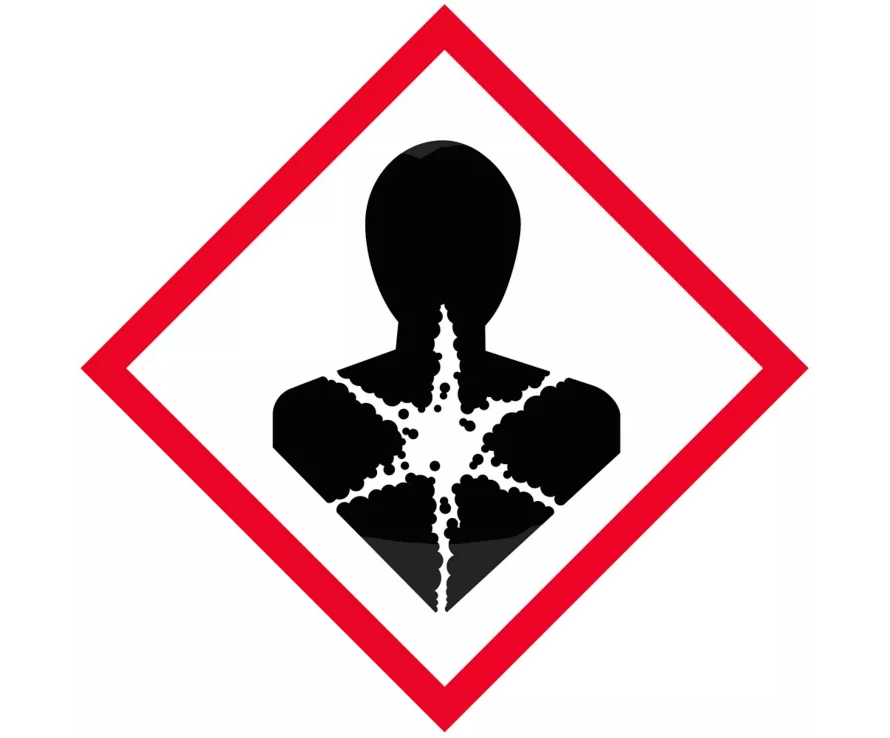 |
| H351 | Suspected of causing cancer | Carcinogenicity | Category 2 | |
● Asbestos
● 4-Nitrobiphenyl
● alpha-Naphthylamine
● Methyl chloromethyl ether
● 3,3′-Dichlorobenzidine (and its salts)
● bis-Chloromethyl ether
● beta-Naphthylamine
● Benzidine
● 4-Aminodiphenyl
● Ethyleneimine
● beta-Propiolactone
● 2-Acetylaminofluorene
● 4-Dimethylaminoazobenzene
● N-Nitrosodimethylamine
● Vinyl chloride
● Inorganic arsenic
● Cadmium
● Benzene
● Coke oven emissions
● 1,2-dibromo-3-chloropropane
● Acrylonitrile
● Ethylene oxide
● Formaldehyde
● Methylenedianiline
● 1,3-Butadiene
● Methylene chloride
b) Reproductive Toxins
Reproductive toxins mean chemicals that affect the reproductive capabilities including
adverse effects on sexual function and fertility in adult males and females, as well
as adverse effects on the development of the offspring.
OSHA specifically regulates four agents based on their reproductive toxicity:
● dibromochloropropane (DBCP)
● lead
● ionizing radiation
● ethylene oxide
The following GHS criteria would indicate a chemical likely falls under this category: chemicals with germ cell mutagenicity (category 1A, 1B, or 2) or those with reproductive toxicity (category 1A, 1B, or 2). More information on GHS classifications can be found in this Hazard Communication Guidance publication.
| Hazard Code | Hazard Statement | Hazard Class | Hazard Category | Pictogram |
|---|---|---|---|---|
| H340 | May cause genetic defects | Germ cell mutagenicity | Category 1A, 1B | |
| H341 | Suspected of causing genetic defects | Germ cell mutagenicity | Category 2 | |
| H360 | May damage fertility or the unborn child | Reproductive toxicity | Category 1A, 1B | |
| H361 | Suspected of damaging fertility or the unborn child | Reproductive toxicity | Category 2 | |
| H362 | May cause harm to breast-fed children | Reproductive toxicity, effects on or via lactation | N/A | N/A |
Examples of some chemicals that are reproductive toxin
● 1,3-Butadiene
● Antimony
● Benzene
● Chloroform
● Hexane
● Lead
● Lithium
● Methylene chloride
● PCB
● Toluene
● Trichloroethylene
● Xylene
c) Substances with High Degree of Acute Toxicity
Substances that are considered to have a high degree of acute toxicity are those substances
which are highly toxic or toxic defined under Hazard Communication Standard (HCS, 29 CFR 1910.1200) and may be fatal or cause damage to target organs as a result of a single exposure
or exposure of short duration.
The following table illustrates how a chemical can be classified as highly toxic or
toxic, depending on the results of the appropriate animal tests.
Following GHS criteria, the closest parallels to these definitions are chemicals with hazards of either acute toxicity (category 1 or 2) or those with Specific target organ toxicity, single exposure (category 1 or 2).
| Hazard Code | Hazard Statement | Hazard Class | Hazard Category | Pictogram |
|---|---|---|---|---|
| H300 | Fatal if swallowed | Acute toxicity, oral | Category 1, 2 | 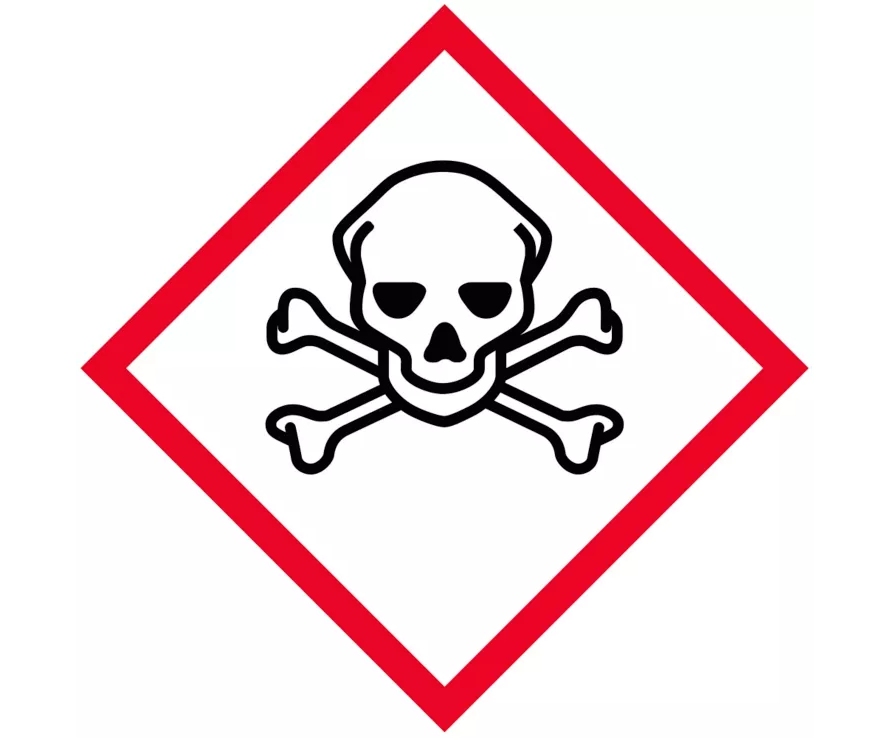 |
| H310 | Fatal in contact with skin | Acute toxicity, dermal | Category 1, 2 | |
| H330 | Fatal if inhaled | Acute toxicity, inhalation | Category 1, 2 | |
| H370 | Causes damage to organs | Specific target organ toxicity, single exposure | Category 1 | |
| H371 | May cause damage to organs | Specific target organ toxicity, single exposure | Category 2 | |
Example of some chemicals with a High Degree of Acute Toxicity
● Acrolein
● Arsine
● Chlorine
● Diazomethane
● Diborane
● Hydrogen Cyanide
● Hydrogen Fluoride
● Methyl fluor sulfonate
● Nickel carbonyl
● Nitrogen dioxide
● Osmium tetroxide
● Ozone
● Phosgene
● Sodium azide
● Sodium Cyanide
2. Procedures
The use of PHSs must be described in a standard operating procedure (SOP). Specific considerations shall be given to the following provisions which shall be included where appropriate:
- Establish a designated area;
- Use of containment devices such as fume hood or glove boxes;
- Procedures for safe removal of contaminated waste;
- Decontamination procedures.
a) Designated Areas
● Establishment of a designated area (maybe entire lab, a portion of a lab, or a device
such as a fume hood).
● Warning signs must be posted to identify the designated area. The sign must include
the name of the hazardous chemical or process, and the appropriate hazard warning.
b) Engineering Controls
Containment devices, such as fume hood or glove boxes, must be used in the following
circumstances:
● When the particularly hazardous chemical is volatile;
● When conducting manipulations that may result in the generation of aerosols;
● When conducting any manipulation, handling or reaction that may result in the uncontrollable
release of particularly hazardous substances.
c) Decontamination
● All work surfaces in the designated area must be thoroughly washed or wiped after
using particularly hazardous substances and before resuming normal laboratory activities.
● Clean floors with a wet mop or a vacuum cleaner equipped with a high-efficiency
particulate air (HEPA) filter. DO NOT dry sweep the area with a broom.
● Laboratory equipment, such as vacuum pumps, contaminated with particularly hazardous
chemicals must be decontaminated in the chemical fume hood after use.
● Additional decontamination procedures may be required depending on the hazardous
material being used.
K. Prior Approval for Laboratory Procedures
The OSHA Laboratory Standard requires Chemical Hygiene Plans to include information
on “the circumstances under which a particular laboratory operation, procedure or
activity shall require prior approval”, including “provisions for additional employee
protection for work with particularly hazardous substances such as select carcinogens,
reproductive toxins, and substances which have a high degree of acute toxicity."
Prior approval ensures that laboratory workers have received the proper training on
the hazards of particularly hazardous substances or with new equipment, and that safety
considerations have been taken into account BEFORE a new experiment begins.
While EH&S can provide assistance in identifying circumstances when there should be
prior approval before implementation of a particular laboratory operation, the ultimate
responsibility of establishing prior approval procedures lies with the Principal Investigator
and/or laboratory supervisor.
Principal Investigators and/or laboratory supervisors must identify operations or
experiments that involve particularly hazardous substances (such as select carcinogens,
reproductive toxins, and substances which have a high degree of acute toxicity) and
highly hazardous operations or equipment that require prior approval. They must establish
the guidelines, procedures, and approval process that would be required. This information
must be documented in the laboratory's or department's SOPs. Additionally, Principal
Investigators and laboratory supervisors are strongly encouraged to have written documentation,
such as “Prior Approval” forms that are completed and signed by the laboratory worker
and signed off by the Principal Investigator or laboratory supervisor and kept on
file.
Examples where Principal Investigators or laboratory supervisors should consider requiring
their laboratory workers to obtain prior approval include:
- Experiments that require the use of particularly hazardous substances such as select carcinogens, reproductive toxins, and substances that have a high degree of acute toxicity, highly toxic gases, cryogenic materials and other highly hazardous chemicals or experiments involving radioactive materials, high powered lasers, etc.
- Where a significant change is planned for the amount of chemicals to be used for a routine experiment such as an increase of 10% or greater in the quantity of chemicals normally used.
- When a new piece of equipment is brought into the lab that requires special training in addition to the normal training provided to laboratory workers.
- When a laboratory worker is planning on working alone on an experiment that involves highly hazardous chemicals or operations.
Definitions:
- Chemical Hygiene Plan: A written program developed and implemented by the employer which sets forth procedures,
equipment, personal protective equipment and work practices that:
- are capable of protecting employees from the health hazards presented by hazardous chemicals used in that particular workplace; and
- meets the requirements of paragraph (e) of 29 CFR 1910.1450.
- Hazardous chemicals: Any chemical which is classified as physical hazard or a health hazard, a simple asphyxiant, combustible dust, pyrophoric gas, or hazard otherwise classified in accordance with the Hazard Communication Standard (§1910.1200).
- Health hazard: A chemical which is classified as posing one of the following hazardous effects: acute toxicity (any route of exposure); skin corrosion or irritation; serious eye damage or eye irritation; respiratory or skin sensitization; germ cell mutagenicity; carcinogenicity; reproductive toxicity; specific target organ toxicity (single or repeated exposure); or aspiration hazard. The criteria for determining whether a chemical is classified as a health hazard are detailed in Appendix A to § 1910.1200 - Health Hazard Criteria.
- Physical hazard: A chemical that is classified as posing one of the following hazardous effects: explosive; flammable (gases, aerosols, liquids, or solids); oxidizer (liquid, solid or gas); self-reactive; pyrophoric (liquid or solid); self-heating; organic peroxide; corrosive to metal; under pressure; or in contact with water emits flammable gas. See Appendix B to § 1910.1200 - Physical Hazard Criteria.
- Laboratory: A room or space equipped with chemical, biological, radiological or other hazardous materials, research animals, or mechanical equipment, and is used for teaching, research, observation or measurement. For the purposes of this policy it is intended to include academic, research, clinical and engineering labs, and is not intended to include computer labs, store rooms, mechanical rooms, or shops used to support operations.
- Laboratory scale: Work with substances in which the containers used for reactions, transfers, and other handling of substances are designed to be easily and safely manipulated by one person. "Laboratory scale" excludes those workplaces whose function is to produce commercial quantities of materials.
- Flashpoint: The minimum temperature at which a liquid gives off vapor within a test vessel in sufficient concentration to form an ignitable mixture with air near the surface of the liquid.
- Personal Protective Equipment (PPE): Equipment worn to minimize exposure to hazards that may cause serious workplace injuries and illnesses. These injuries and illnesses may result from contact with chemical, radiological, physical, electrical, mechanical, or other workplace hazards. Personal protective equipment may include items such as gloves, safety glasses and shoes, earplugs or muffs, hard hats, respirators, or coveralls, vests, and full body suits.
- Labels: An appropriate group of written, printed, or graphic informational elements concerning a hazardous chemical that are affixed to, printed on, or attached to the immediate container of a hazardous chemical, or to the outside packaging.
- LD 50 (Median Lethal Dose 50): The amount of a chemical, given all at once, which causes the death of 50% (one half) of a group of test animals. The LD50 dose is usually expressed as milligrams or grams of material per kilogram of animal body weight (mg/kg or g/kg).
- LC50 (median lethal inhalation concentration): The concentration of a chemical in air or
a chemical in water which causes the death of 50% (one half) of a group of test animals.
The LC50 can be expressed in several ways:
- as parts of material per million parts of air by volume (ppm) for gases and vapors,
- as micrograms of material per liter of air (mg/l), or
- as milligrams of material per cubic meter of air (mg/m3) for dusts and mists, as well as for gases and vapors.
- Medical consultation: A consultation which takes place between an employee and a licensed physician for the purpose of determining what medical examination or procedures, if any, are appropriate in case where a significant exposure to a hazardous chemical may have taken place.
- Simple Asphyxiant: A substance or mixture that displaces oxygen in the ambient atmosphere, and can thus cause oxygen deprivation in those who are exposed, leading to unconsciousness and death.
Contact:
Additional information about this policy is available here:
Environmental Health and Safety
110 Suffolk Hall
Stony Brook, NY 11794
(631) 632-6410
Relevant Standards, Codes, Rules, Regulations, Statutes and Policies:
- Compressed Gas and Cryogenic Fluid Handling, Storage and Disposal
- Hazardous Waste Management
- Chemical Fume Hood Safety Policy
- Laboratory Safety Policy
- Occupational Safety and Health Administration (OSHA)
- 29 CFR Part 1910
- 1450 Occupational exposure to hazardous chemicals in laboratories
- 1200 Hazard communication
- 132 General requirements
- 133 Eye and face protection
- 134 Respiratory protection
- 29 CFR Part 1910
- NFPA 45 Standard on Fire Protection for Laboratories Using Chemicals 2024
- Forms