European Crabapple (Malus sylvestris)

"Fragrant spring blossoms and colorful fruit make the European Crabapple a celebration of every season."

Take a Moment: Visit in spring when the branches are covered in soft pink and white blossoms buzzing with pollinators. In autumn, look for the small golden-green apples that persist into winter.

Why We Love This Tree

European Crabapple offers beauty well beyond spring. Its flowers, fruit, and changing foliage provide year-round interest while connecting visitors to the history of cultivated apples.

Its seasonal rhythm reminds us of the close relationship between people and trees.
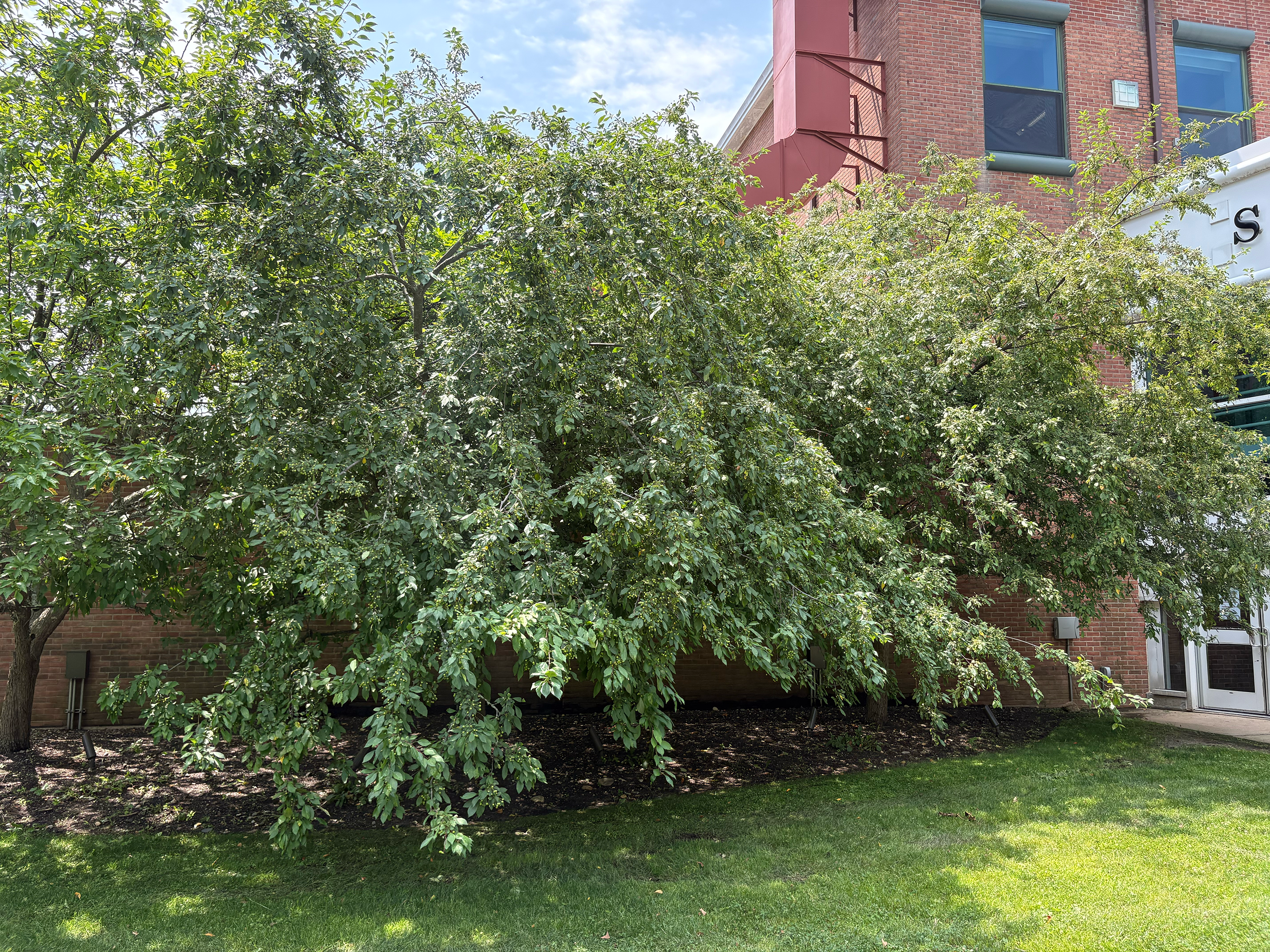


European Crabapple in summer

European Crabapple in Summer


Meet the Tree

Native to Europe, European Crabapple is considered one of the ancestors of many cultivated apple varieties grown today. Its fragrant blossoms are followed by small tart fruits that have been used for centuries in preserves, cider, and wildlife habitat.

Its compact size makes it an excellent ornamental tree for gardens and arboretums.

Ecological Benefits

The blossoms are an important nectar source for bees and other pollinators, while the fruits provide food for birds and mammals well into winter. It also serves as a valuable host plant for many beneficial insects.

Did You Know?


Many of the apples enjoyed today trace part of their ancestry to wild crabapple species like Malus sylvestris.

Quick Facts

Native: Europe & Western Asia

Type: Deciduous Tree

Size: 20 to 35 ft tall × 20 to 30 ft wide

Sun: Full Sun

Water: Moderate

Growth Rate: Medium

Flowers: Pink and white blossoms in spring

Fall Color: Yellow


Botanical Profile

Family: Rosaceae

Common Names: European Crabapple, Wild Apple

Genus Meaning: Malus is the Latin word for apple.

Species Meaning: sylvestris means "of the forest."


How to Recognize It

Look for these distinctive characteristics:

  • Fragrant pink-white blossoms
  • Small yellow-green apples
  • Rounded crown
  • Finely serrated leaves
  • Gray-brown bark
  • Yellow fall foliage

Growing Conditions

Light: Full sun

Soil: Well-drained soil

Moisture: Moderate

Hardiness: USDA Zones 4 to 8

Tolerance: Cold winters and urban conditions