Ohio Buckeye (Aesculus glabra)

"Distinctive leaves and spiny seed capsules make Ohio Buckeye a tree with a story rooted in America's forests."

Take a Moment: Look for the large, hand-shaped leaves that spread like an open palm. In late summer, watch for the spiny fruits that split open to reveal glossy brown buckeyes.

Why We Love This Tree

Ohio Buckeye offers something new to discover in every season, from upright spring flowers to polished seeds that have inspired folklore for generations.

Its bold character reminds us that even familiar landscapes hold remarkable stories.
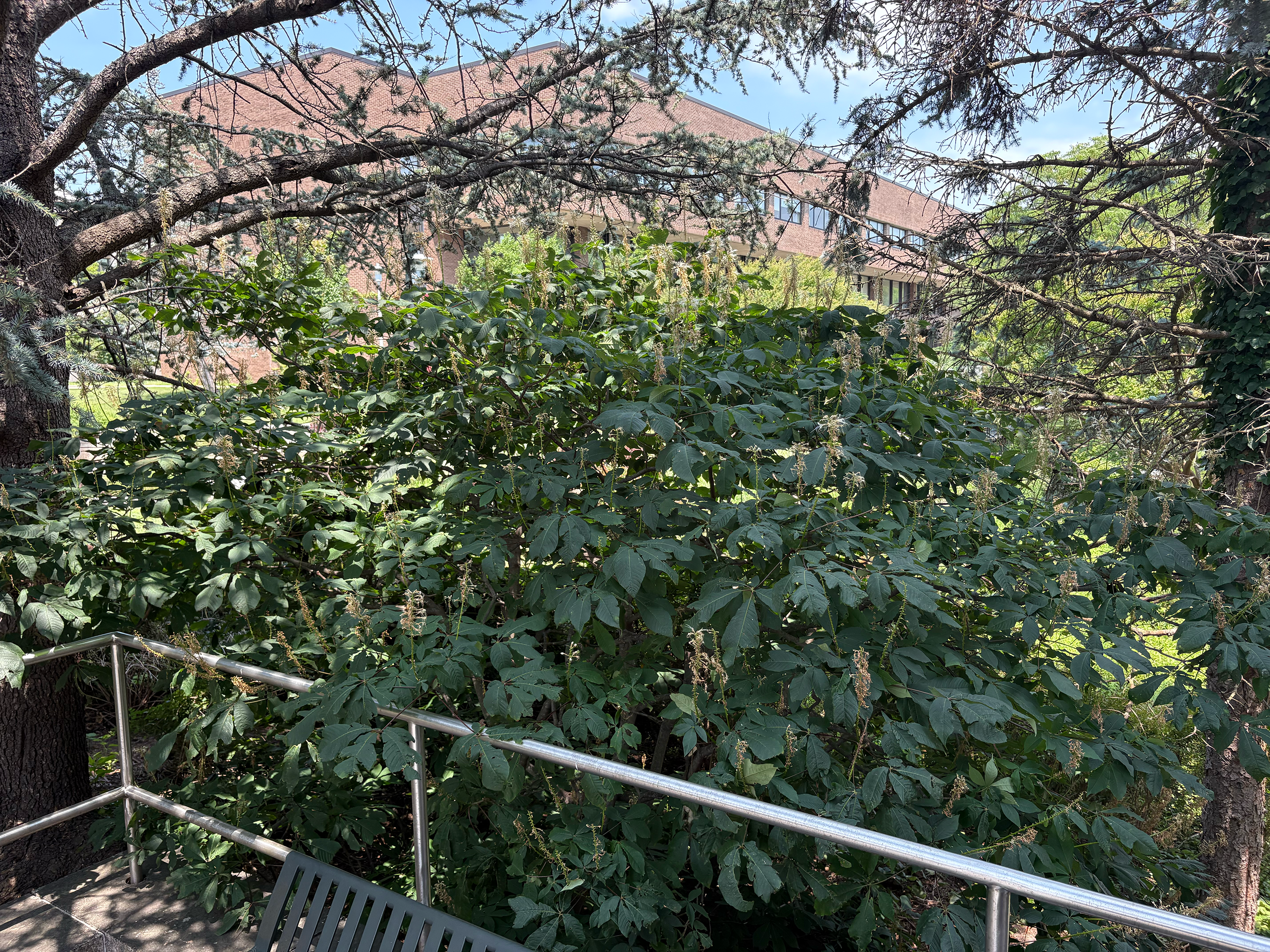


aesculus glabra in summer

Ohio Buckeye in Summer


Meet the Tree

Native to the Midwest and eastern United States, Ohio Buckeye is a medium-sized woodland tree recognized for its palmate leaves and distinctive fruit. Cream-colored flowers bloom in spring before giving way to spiny capsules containing shiny brown seeds.

Although the seeds are not edible, they have long been carried as symbols of good luck.

Important Note: The seeds, leaves, bark, and young shoots contain compounds that are toxic if eaten and should never be consumed without proper processing.

Ecological Benefits

Ohio Buckeye provides nectar for native bees and butterflies, while its canopy offers shelter for birds and woodland wildlife. It contributes to forest diversity and supports healthy ecosystems.

Did You Know?


The buckeye is the official state tree of Ohio, and its shiny seeds inspired the state's famous nickname, "The Buckeye State."

Quick Facts

Native: Midwestern & Eastern United States

Type: Deciduous Tree

Size: 20 to 40 ft tall

Sun: Full Sun to Partial Shade

Water: Moderate

Growth Rate: Medium

Flowers: Cream-colored flower clusters in spring

Fall Color: Yellow to orange


Botanical Profile

Family: Sapindaceae

Common Names: Ohio Buckeye

Genus Meaning: Aesculus is the ancient Latin name for an oak-like tree.

Species Meaning: glabra means "smooth."


How to Recognize It

Look for these distinctive characteristics:

  • Palmately compound leaves
  • Cream-colored flower clusters
  • Spiny fruit capsules
  • Glossy brown buckeyes
  • Rounded crown
  • Gray bark

Growing Conditions

Light: Full sun to partial shade

Soil: Moist, well-drained soil

Moisture: Moderate

Hardiness: USDA Zones 3 to 7

Tolerance: Clay soils and urban conditions