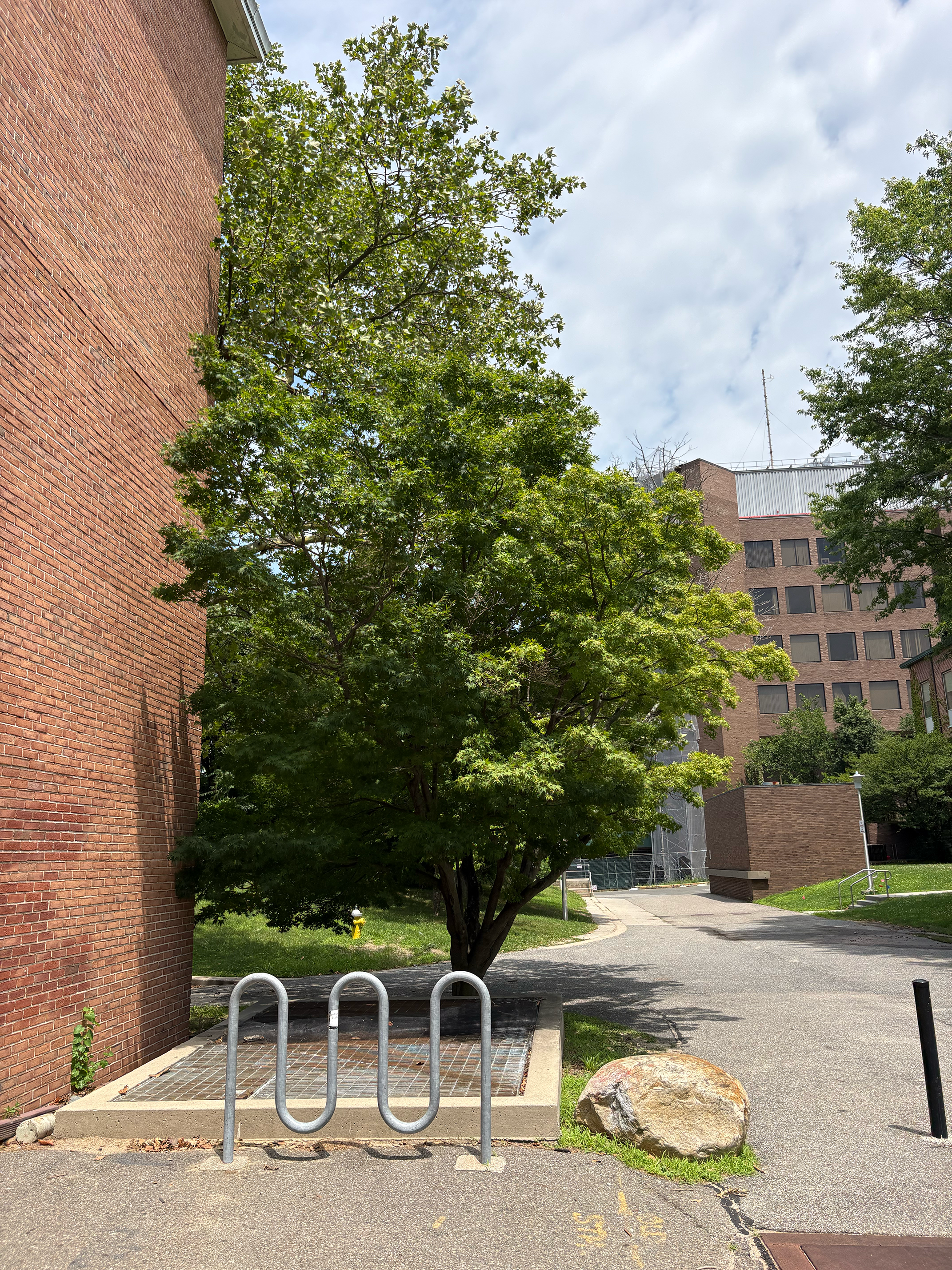
Meet the Tree
Native to Japan, Korea, and China, Japanese Maple is a small deciduous tree prized
for its delicate foliage and refined branching habit. Hundreds of cultivars offer
remarkable diversity in leaf shape, color, and size.
Its manageable size and four-season appeal have made it one of the most treasured
ornamental trees in gardens around the world.
Ecological Benefits
Although grown primarily for its ornamental beauty, Japanese Maple provides nectar
for early pollinators, shelter for songbirds, and seasonal habitat for beneficial
insects.
Quick Facts
Native: Japan, Korea & China
Type: Deciduous Tree
Size: 15 to 25 ft tall × 15 to 25 ft wide
Sun: Partial Shade to Full Sun
Water: Moderate
Growth Rate: Slow
Flowers: Small red-purple flowers in spring
Fall Color: Brilliant red, orange, or yellow
Botanical Profile
Family: Sapindaceae
Common Names: Japanese Maple
Genus Meaning: Acer is Latin for "sharp," referring to the pointed leaf lobes.
Species Meaning: palmatum means "hand-shaped."
How to Recognize It
Look for these distinctive characteristics:
- Graceful branching habit
- Deeply lobed leaves
- Smooth gray bark
- Rounded canopy
- Brilliant fall color
- Delicate winged seeds (samaras)
Growing Conditions
Light: Partial shade to full sun
Soil: Rich, well-drained soil
Moisture: Consistently moist
Hardiness: USDA Zones 5 to 8
Tolerance: Moderate shade and urban settings