Eastern Redbud (Cercis canadensis 'Forest Pansy')

"Brilliant rosy-purple blossoms and deep burgundy leaves make Forest Pansy one of spring's most unforgettable trees."

Take a Moment: In early spring, notice the vibrant pink flowers blooming directly from the branches before the leaves appear. As the season progresses, watch the rich burgundy foliage gradually soften to shades of green and bronze.

Why We Love This Tree

Forest Pansy adds color long before most trees awaken from winter. Its vivid flowers and dramatic foliage create beauty from spring through fall.

Its changing colors celebrate the energy and renewal of each growing season.
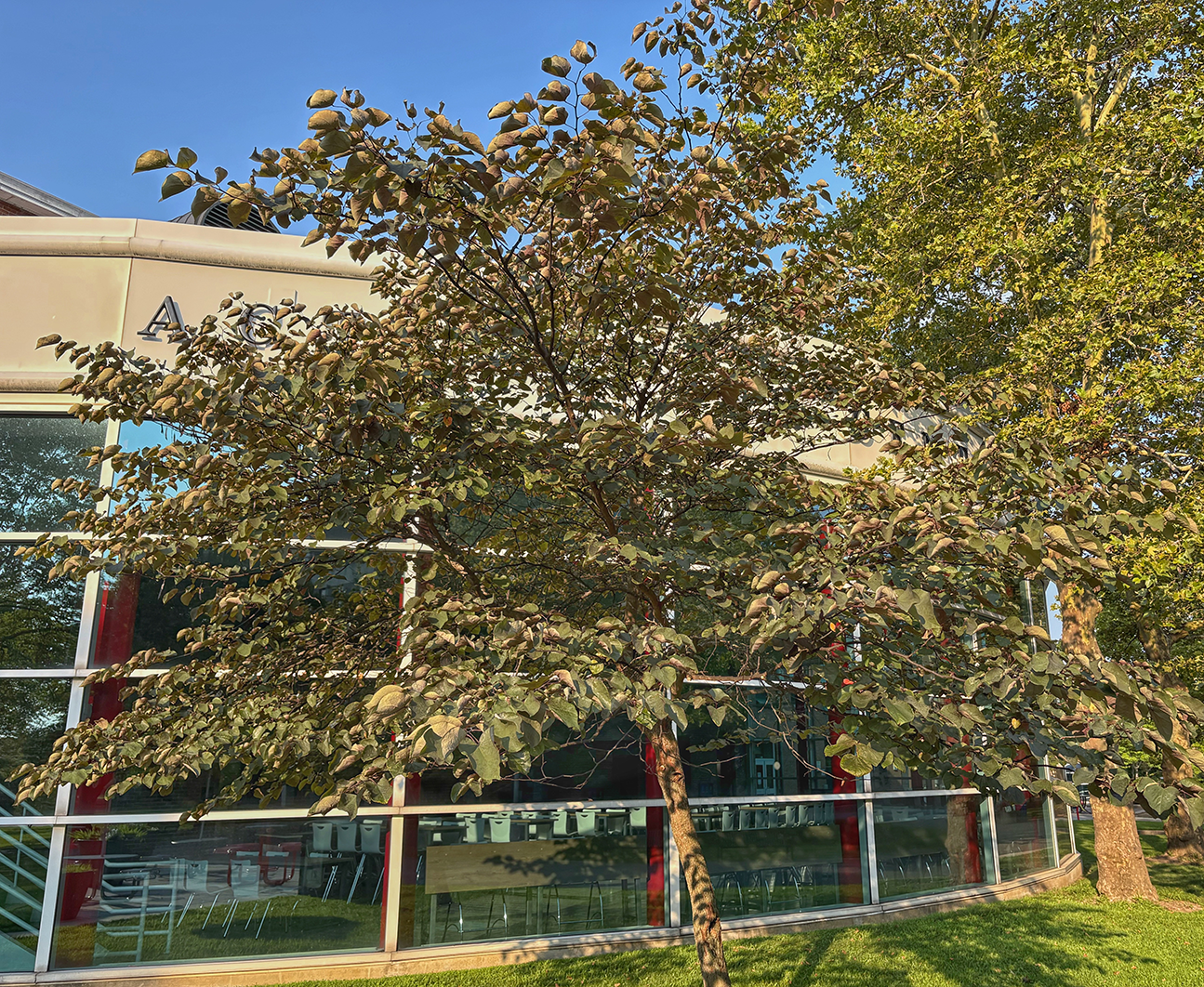


Eastern redbud in summer

Eastern Redbud in Summer


Meet the Tree

'Forest Pansy' is a cultivated selection of the native Eastern Redbud, chosen for its rich purple foliage and outstanding ornamental appeal. Like its parent species, it flowers before leaf emergence, creating one of the earliest and most colorful displays of spring.

Its heart-shaped leaves provide lasting beauty throughout the growing season.

Ecological Benefits

The early blossoms provide nectar for native bees and other emerging pollinators when few other trees are in bloom. Dense branching also offers nesting sites and seasonal shelter for songbirds.

Did You Know?


Redbuds are one of the few trees whose flowers bloom directly from older branches and even the trunk, a trait known as cauliflory.

Quick Facts

Native: Cultivar of a species native to Eastern North America

Type: Deciduous Tree

Size: 20 to 30 ft tall × 25 to 35 ft wide

Sun: Full Sun to Partial Shade

Water: Moderate

Growth Rate: Medium

Flowers: Rosy-pink flowers in early spring

Fall Color: Yellow with burgundy highlights


Botanical Profile

Family: Fabaceae

Common Names: Forest Pansy Redbud

Genus Meaning: Cercis comes from the Greek word for "weaver's shuttle."

Species Meaning: canadensis means "from Canada," referring to the region where the species was first described.


How to Recognize It

Look for these distinctive characteristics:

  • Heart-shaped burgundy leaves
  • Bright rosy-pink flowers on bare branches
  • Rounded crown
  • Smooth gray bark
  • Flat seed pods
  • Yellow fall foliage

Growing Conditions

Light: Full sun to partial shade

Soil: Well-drained soil

Moisture: Moderate

Hardiness: USDA Zones 5 to 9

Tolerance: Urban conditions and light drought