Serviceberry (Amelanchier arborea)

"Delicate spring blossoms, colorful autumn foliage, and sweet summer berries make Serviceberry a tree of every season."

Take a Moment: Visit this tree in early spring when its white blossoms brighten the landscape before many other trees have leafed out. Later in the season, look for the small purple berries that attract birds from throughout the arboretum.

Why We Love This Tree

Serviceberry offers something beautiful in every season. Its early flowers signal the arrival of spring, its berries bring wildlife to life in summer, and its brilliant fall foliage provides one final display before winter.

Its changing character reminds us that each season has its own unique beauty.
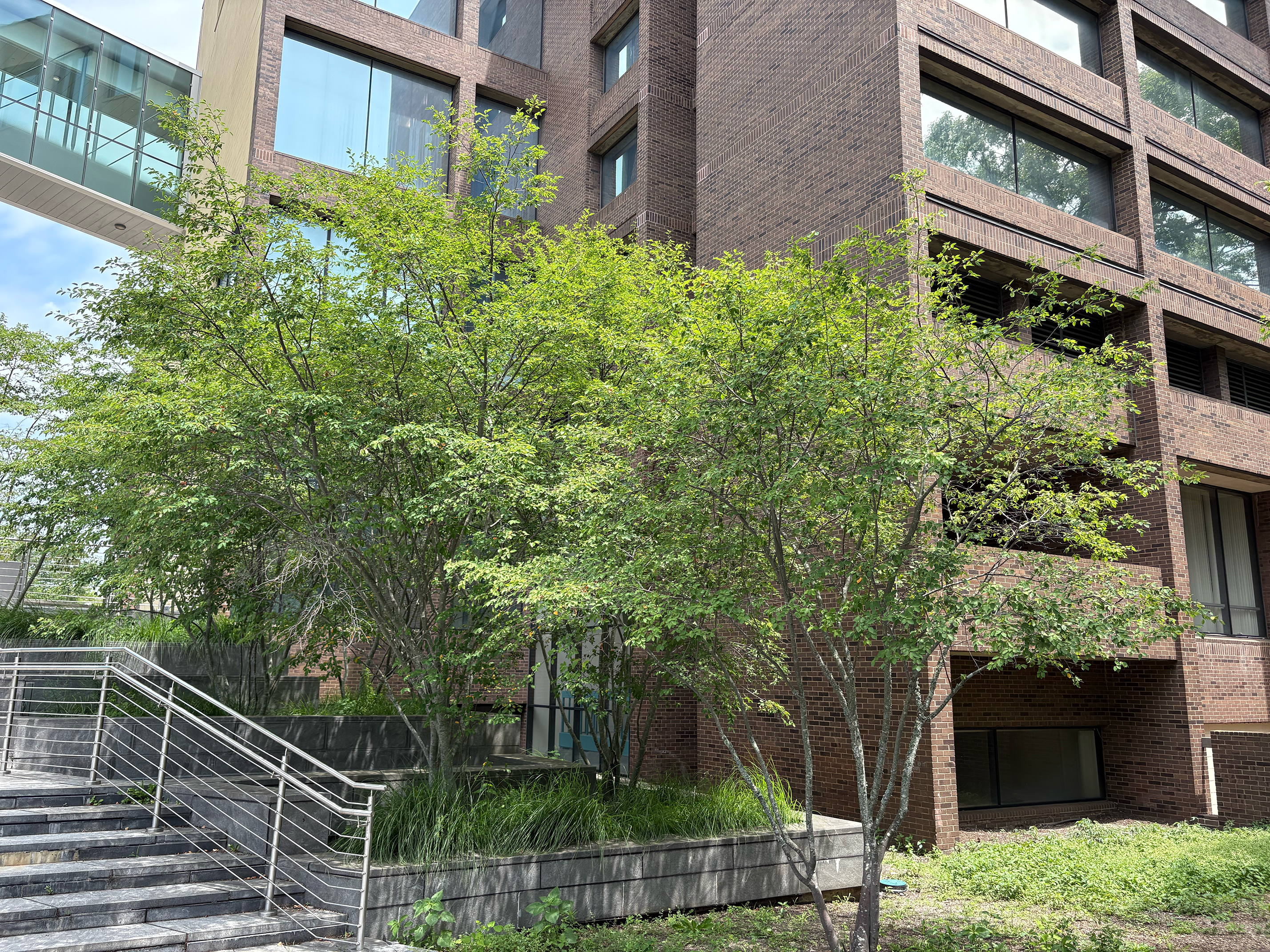


Serviceberry in summer

Serviceberry in Summer


Meet the Tree

Native to eastern North America, Serviceberry is a small understory tree found along forest edges and woodland openings. Its graceful branching, delicate white flowers, edible berries, and vibrant fall color have made it a favorite in both natural landscapes and cultivated gardens.

Its common name is thought to come from the time of year it blooms, coinciding with the season when early settlers could once again travel to hold church services after winter.

Ecological Benefits

Serviceberry is one of the most valuable native trees for wildlife. Its flowers provide an important early nectar source for pollinators, while its berries feed more than 40 species of birds as well as small mammals. It also serves as a host plant for numerous native butterflies and moths.

Did You Know?


Serviceberry fruits are edible and taste similar to blueberries, making them a favorite for both wildlife and people.

Quick Facts

Native: Eastern North America

Type: Deciduous Tree

Size: 15 to 30 ft tall × 15 to 25 ft wide

Sun: Full Sun to Partial Shade

Water: Moderate

Growth Rate: Medium

Flowers: White flowers in early spring

Fall Color: Orange to brilliant red


Botanical Profile

Family: Rosaceae

Common Names: Serviceberry, Downy Serviceberry, Juneberry

Genus Meaning: Amelanchier is derived from a French name for the European serviceberry.

Species Meaning: arborea means "tree-like."


How to Recognize It

Look for these distinctive characteristics:

  • Clouds of white flowers before the leaves emerge
  • Smooth gray bark
  • Oval leaves with finely toothed edges
  • Edible blue-purple berries in early summer
  • Brilliant orange-red fall foliage
  • Graceful, upright branching

Growing Conditions

Light: Full sun to partial shade

Soil: Moist, well-drained soil

Moisture: Moderate

Hardiness: USDA Zones 4 to 9

Tolerance: Urban conditions and a variety of soil types