Horse Chestnut (Aesculus hippocastanum)

"Towering flower spikes and bold foliage make Horse Chestnut one of the most striking trees of spring."

Take a Moment: Stand beneath the canopy in spring and admire the upright clusters of white blossoms that rise above the leaves like candles. In autumn, notice the large glossy seeds tucked inside their spiny green husks.

Why We Love This Tree

Horse Chestnut makes a dramatic statement throughout the year. Its impressive flowers, broad canopy, and bold leaves create an unmistakable presence in parks and landscapes.

Its seasonal display celebrates both grandeur and renewal.
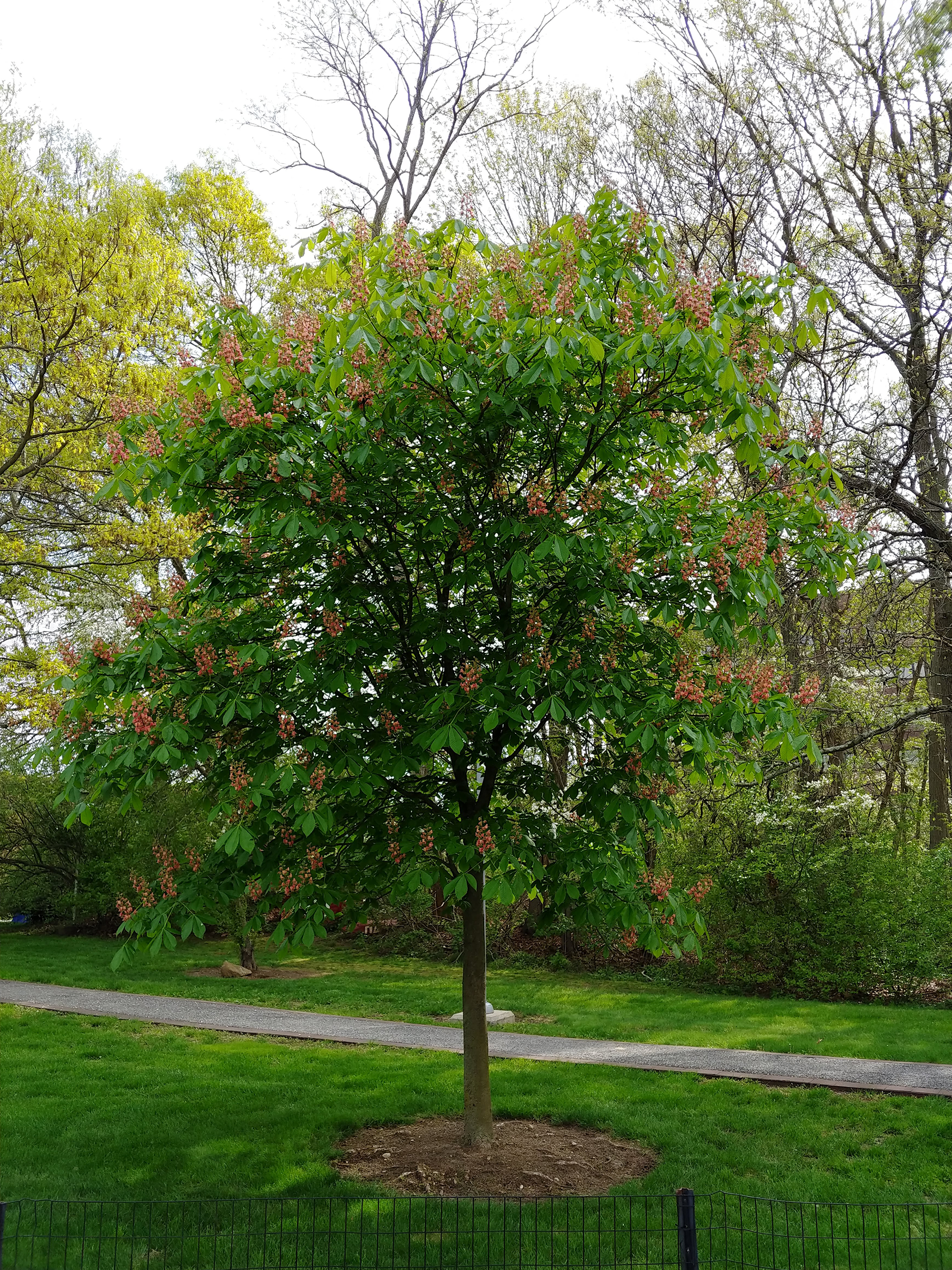


Horse Chestnut in summer

Horse Chestnut in Summer


Meet the Tree

Native to the Balkan Peninsula, Horse Chestnut has become a beloved ornamental tree throughout Europe and North America. Its large compound leaves create dense summer shade, while showy flower clusters attract attention each spring.

By autumn, the flowers give way to spiny capsules containing shiny chestnut-like seeds.

Important Note: Despite their resemblance to edible chestnuts, Horse Chestnut seeds are toxic if eaten and should never be consumed.

Ecological Benefits

Horse Chestnut provides nectar for bees and other pollinators, shade for wildlife and visitors, and nesting opportunities for birds within its dense canopy.

Did You Know?


Despite their name, horse chestnuts are not true chestnuts and their seeds are not safe for people to eat, although they have been used in traditional medicine and children's games for centuries.

Quick Facts

Native: Balkan Peninsula

Type: Deciduous Tree

Size: 50 to 75 ft tall × 40 to 60 ft wide

Sun: Full Sun to Partial Shade

Water: Moderate

Growth Rate: Medium

Flowers: White flower panicles in spring

Fall Color: Yellow


Botanical Profile

Family: Sapindaceae

Common Names: Horse Chestnut

Genus Meaning: Aesculus is the ancient Latin name for an oak-like tree.

Species Meaning: hippocastanum translates to "horse chestnut."


How to Recognize It

Look for these distinctive characteristics:

  • Large palmately compound leaves
  • Upright white flower spikes
  • Large rounded crown
  • Spiny green fruit capsules
  • Shiny brown seeds
  • Gray, scaly bark

Growing Conditions

Light: Full sun to partial shade

Soil: Rich, well-drained soil

Moisture: Moderate

Hardiness: USDA Zones 3 to 8

Tolerance: Urban conditions and a range of soil types